Tag

Fat Cells

All articles tagged with #fat cells

health1 year ago

Obesity's Genetic Memory in Fat Cells Hinders Weight Loss

A new study suggests that fat cells retain a 'memory' of past obesity through epigenetic changes, which may predispose them to grow when exposed to high-fat foods. This finding could explain why many people experience weight regain after losing weight, a phenomenon known as 'yo-yo dieting.' The study, conducted on mice and humans, found that even after weight loss, fat cells retained epigenetic markers from their obese state, potentially influencing future weight gain. This research highlights the complexity of obesity and the challenges of maintaining weight loss.

health1 year ago

Fat Cells Retain Memory of Obesity, Hindering Weight Loss

Researchers at ETH Zurich have discovered that the yo-yo effect in weight loss is due to an epigenetic memory in fat cells, where changes from obesity persist even after dieting, making it easier to regain weight. This mechanism, found in both mice and humans, suggests that prevention of obesity is crucial, as these epigenetic changes cannot currently be reversed. The study highlights the importance of avoiding obesity, especially in children and young people, to combat the yo-yo phenomenon.

health1 year ago

Epigenetic Memory in Fat Cells Explains Yo-Yo Dieting

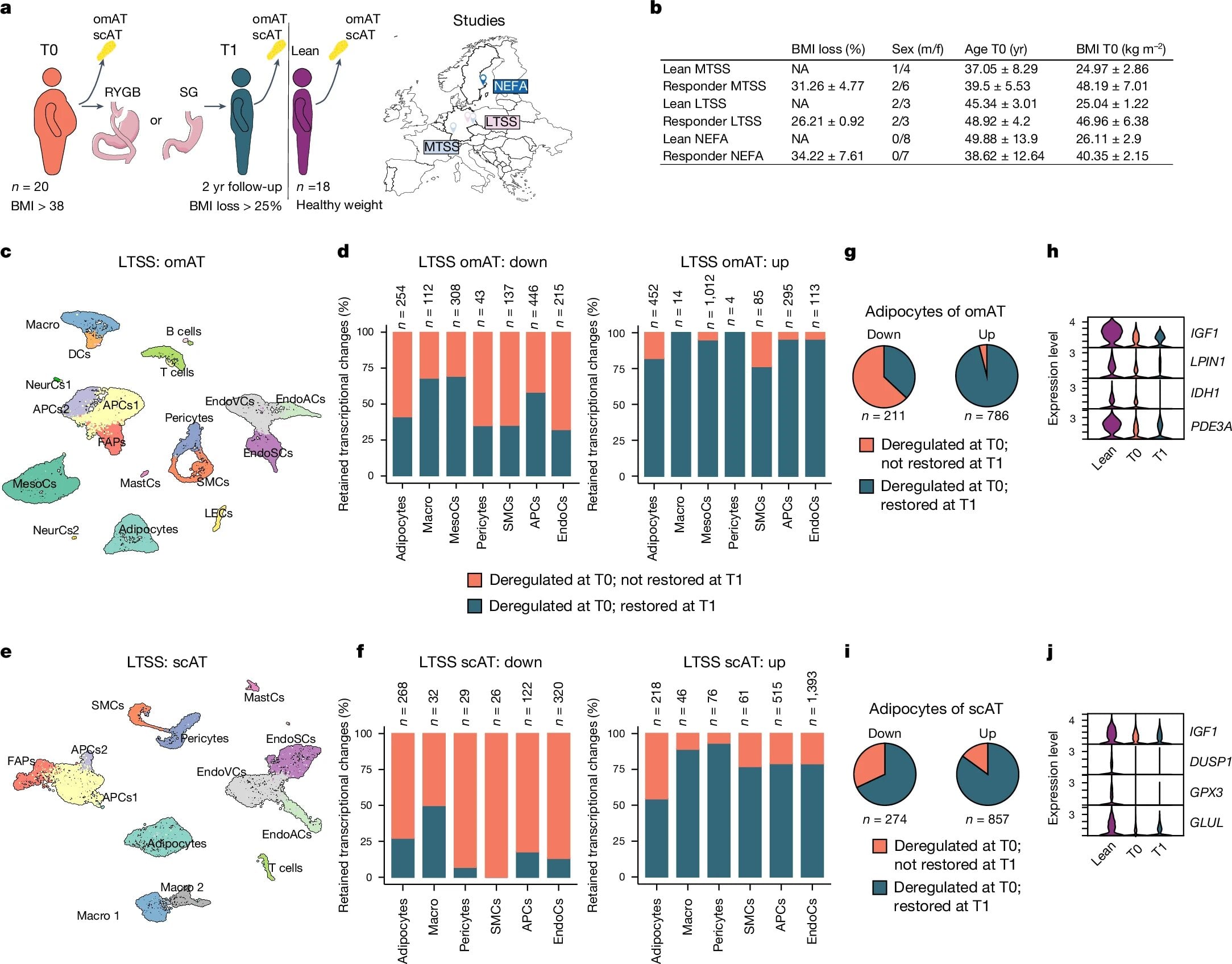
Researchers at ETH Zurich have discovered that fat cells retain an epigenetic memory of obesity, which contributes to the yo-yo effect in weight loss. This memory, marked by chemical changes in the cell nucleus, persists even after dieting, making it easier for individuals to regain weight. The study, published in Nature, highlights the importance of preventing obesity early in life, as current methods cannot erase these epigenetic markers. The findings suggest that other body cells may also contribute to the yo-yo effect.

health1 year ago

Fat Cells' Memory May Explain Yo-Yo Dieting Challenges

Researchers at ETH Zurich have discovered that fat cells retain an epigenetic memory of obesity, which contributes to the yo-yo effect of weight regain after dieting. This memory, found in both mice and humans, makes it easier for individuals to regain weight. Current technology cannot erase these epigenetic markers, highlighting the importance of preventing obesity early, especially in children and young people.

health1 year ago

Fat Cells' Memory May Explain Yo-Yo Dieting Challenges

New research suggests that fat cells have a 'memory' of past obesity, which may contribute to the yo-yo dieting effect where weight is regained after loss. This biological memory, identified through studies on human and mouse fat tissue, involves epigenetic changes that affect how fat cells respond to nutrients. The findings indicate that maintaining weight loss is challenging because fat cells tend to revert to their previous obese state. This research could lead to improved weight management strategies, although the memory may fade over time with sustained weight maintenance.

science2 years ago

Unveiling the Hidden Threat: Fat Droplets' DNA Danger Revealed

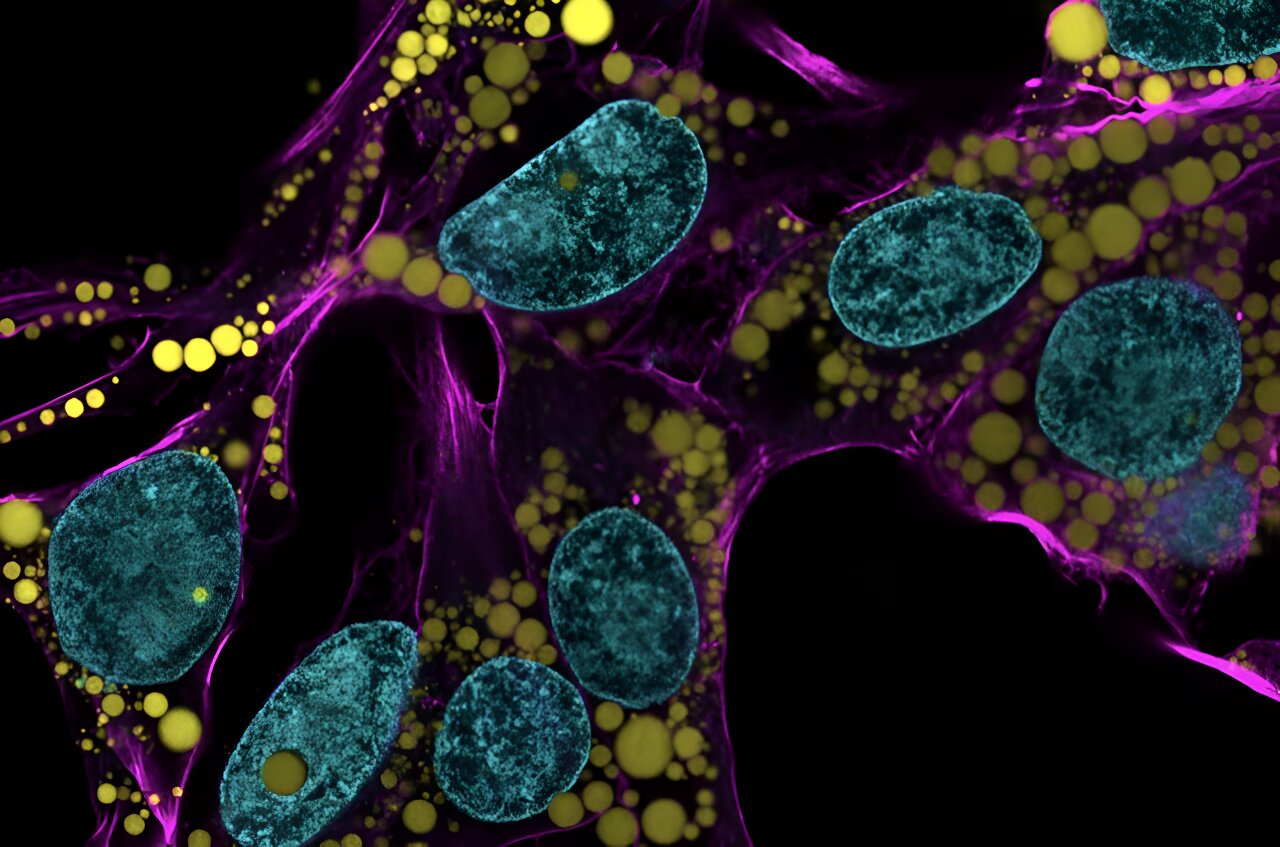
Researchers at the University of Pennsylvania have discovered that small fat-filled lipid droplets have the surprising ability to indent and puncture a cell's nucleus, which contains and regulates its DNA. This can lead to elevated DNA damage, potentially contributing to diseases such as cancer. The physical properties of these droplets, including their high curvature, make them capable of deforming and damaging cellular components. The findings highlight the importance of understanding the physics of fat and its impact on cellular health beyond its metabolic functions.

health2 years ago

"The Surprising Link Between Cannabis Use and Weight Loss"

Regular cannabis use can disrupt energy balance and fat storage, making users leaner but also affecting the body’s nutrient mobilization. Changes are rooted in molecular alterations in fat cells, causing them to produce proteins usually found only in muscle and heart. This alteration might impact physical and mental processes that depend on a steady influx of nutrients to the brain.

health2 years ago

The Truth About Weight Gain: Fat Cells Don't Multiply, They Stretch.

Carrying too much fat is bad for your health as it can lead to diseases such as type 2 diabetes, heart disease, and certain cancers. Fat cells expand and shrink when you gain or lose weight, but the actual number of fat cells doesn't change much. Everyone has a different safe fat-carrying capacity, depending on their genetics, and surpassing it can lead to illness. The ability to determine a person's safe fat-carrying capacity is the subject of cutting-edge genetic and biological research, which could transform the way we consider the definition of obesity and who needs to lose weight.