South Korean President Lee Jae Myung has proposed extending public health insurance to cover hair-loss treatments, citing the importance of appearance for young people's confidence and survival, despite criticism from medical professionals and concerns over healthcare system finances.
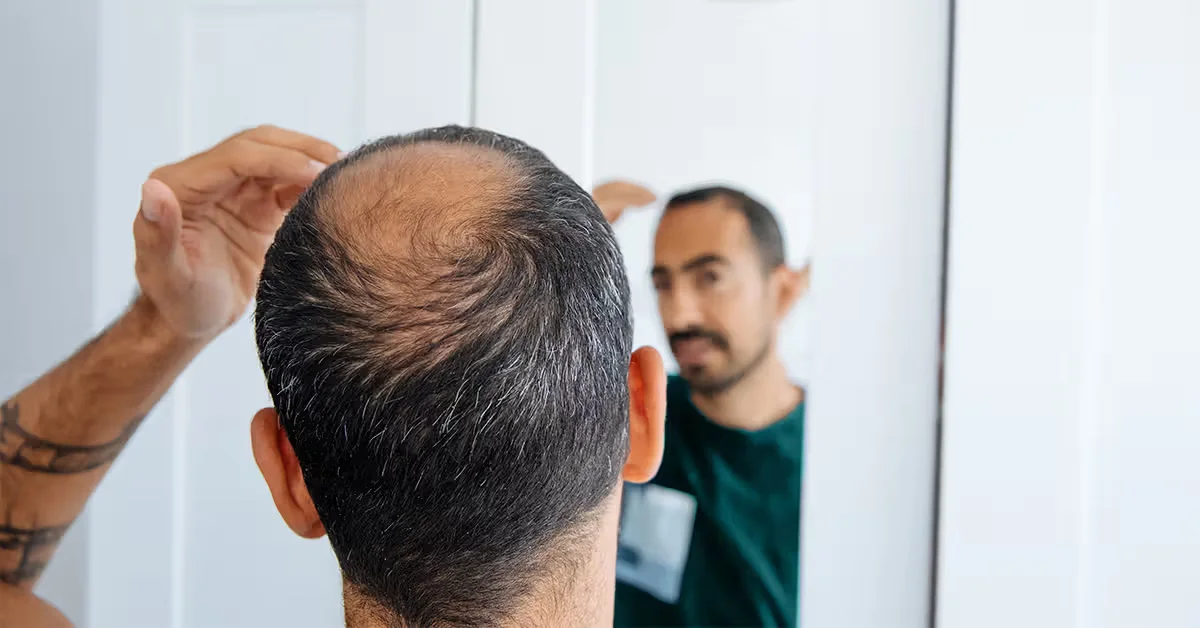
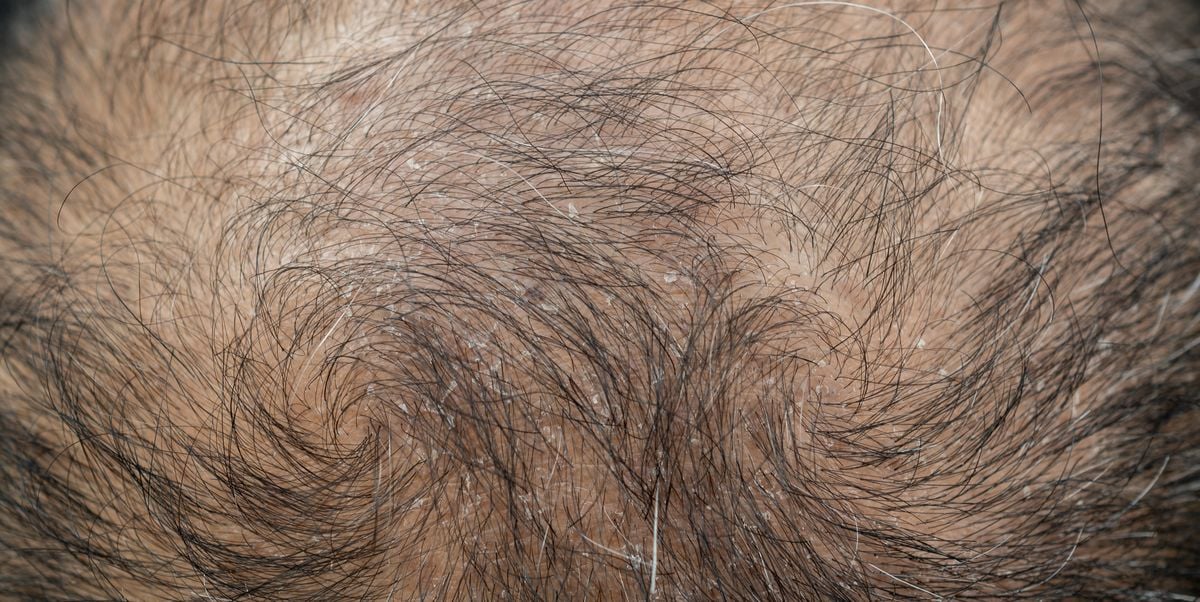
The article discusses the commonality of hair loss and highlights the importance of understanding different types and effective treatments, based on insights from a dermatologist at Johns Hopkins University.
A recent study suggests that combining the natural compound stevioside from stevia with microneedling techniques may enhance the effectiveness of minoxidil in promoting hair regrowth, at least in mice. The research indicates stevioside could act as a natural absorption enhancer, allowing more minoxidil to penetrate the skin and stimulate hair growth. However, further studies are needed to confirm safety and efficacy in humans, and DIY application without professional guidance is not recommended.
Scientists have developed a new dissolving microneedle patch using stevioside from Stevia to enhance minoxidil absorption, showing promising hair regrowth results in mice, potentially offering a more effective treatment for baldness in humans.
A study suggests that adding the natural sweetener stevioside to microneedle patches can significantly improve the delivery and effectiveness of minoxidil for treating androgenetic alopecia, showing promising results in mice and potential for future human applications.
Research suggests that stevioside, a compound from Stevia, can enhance the delivery and effectiveness of minoxidil for hair regrowth, potentially leading to more natural and efficient treatments for alopecia, as demonstrated in mouse studies with a dissolving patch. Further research is needed to confirm safety and efficacy in humans.
A review reveals that the hair-loss drug finasteride has been linked to depression and suicide for over 20 years, but regulators and manufacturers failed to act on the warning signs, highlighting systemic issues in drug safety monitoring and the need for urgent reform.
Researchers have found that stevioside, a natural compound from the Stevia plant, can enhance the absorption of minoxidil, a common hair loss treatment, leading to improved hair growth in a mouse model of alopecia. This discovery could lead to more effective and natural therapies for androgenetic alopecia, benefiting millions worldwide.
Scientists in China and Australia developed a dissolving patch combining stevia and minoxidil that enhances drug absorption and promotes hair regrowth in mice, offering a promising new approach for treating baldness, though human trials are still needed.
Scientists discovered that a gel made from natural deoxyribose sugar can promote significant hair regrowth in mice with hereditary-patterned baldness, showing promise as a potential treatment for hair loss in humans, comparable to existing options like minoxidil.
Scientists have developed a new drug, PP405, that reactivates dormant hair follicles by increasing lactate levels, showing promise as a potential cure for baldness. The drug has passed safety trials and is set to undergo effectiveness testing next year, offering a different approach from current treatments by actively promoting hair growth rather than just slowing loss.
Certain vitamins like biotin, vitamin A, C, D, E, iron, and zinc can promote hair growth and improve hair health, especially if deficiencies are present. However, results depend on individual factors, and consulting a doctor is recommended before starting supplements. Hair growth vitamins are not overnight solutions and work best when combined with a healthy diet and lifestyle.
A new drug, PP405, developed by Pelage Pharmaceuticals, shows promise in naturally regrowing hair by reactivating dormant hair follicle stem cells, with positive results from Phase 2a trials indicating significant hair density improvements and minimal side effects, potentially revolutionizing hair loss treatment.
A 19-year-old man shares his exhausting experience with male pattern baldness starting at age 16, discussing its emotional impact, treatment options like medication, hair systems, and transplants, and his efforts to destigmatize hair loss through a film.
The article discusses common hair loss 'cures' that can worsen balding in boomers, such as aggressive scalp massages, megadosing vitamins, and unproven devices, emphasizing that proven treatments like minoxidil and finasteride, along with proper scalp hygiene, are more effective and safer. It highlights the importance of evidence-based solutions over costly, ineffective remedies driven by misinformation and denial.