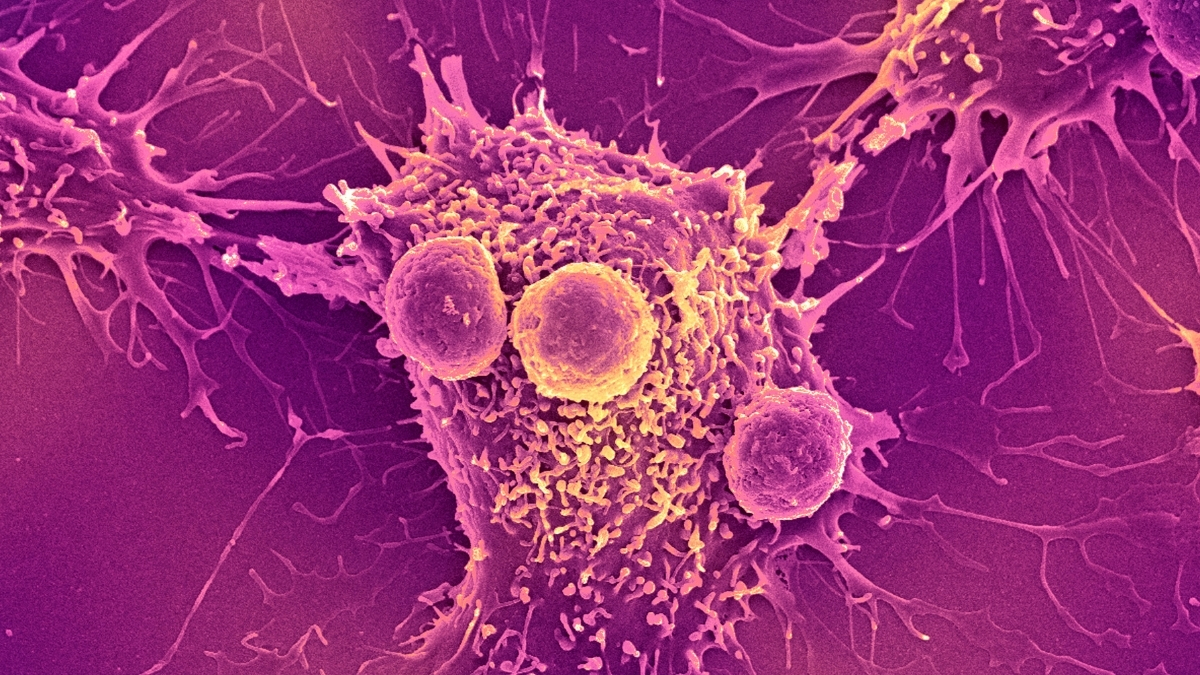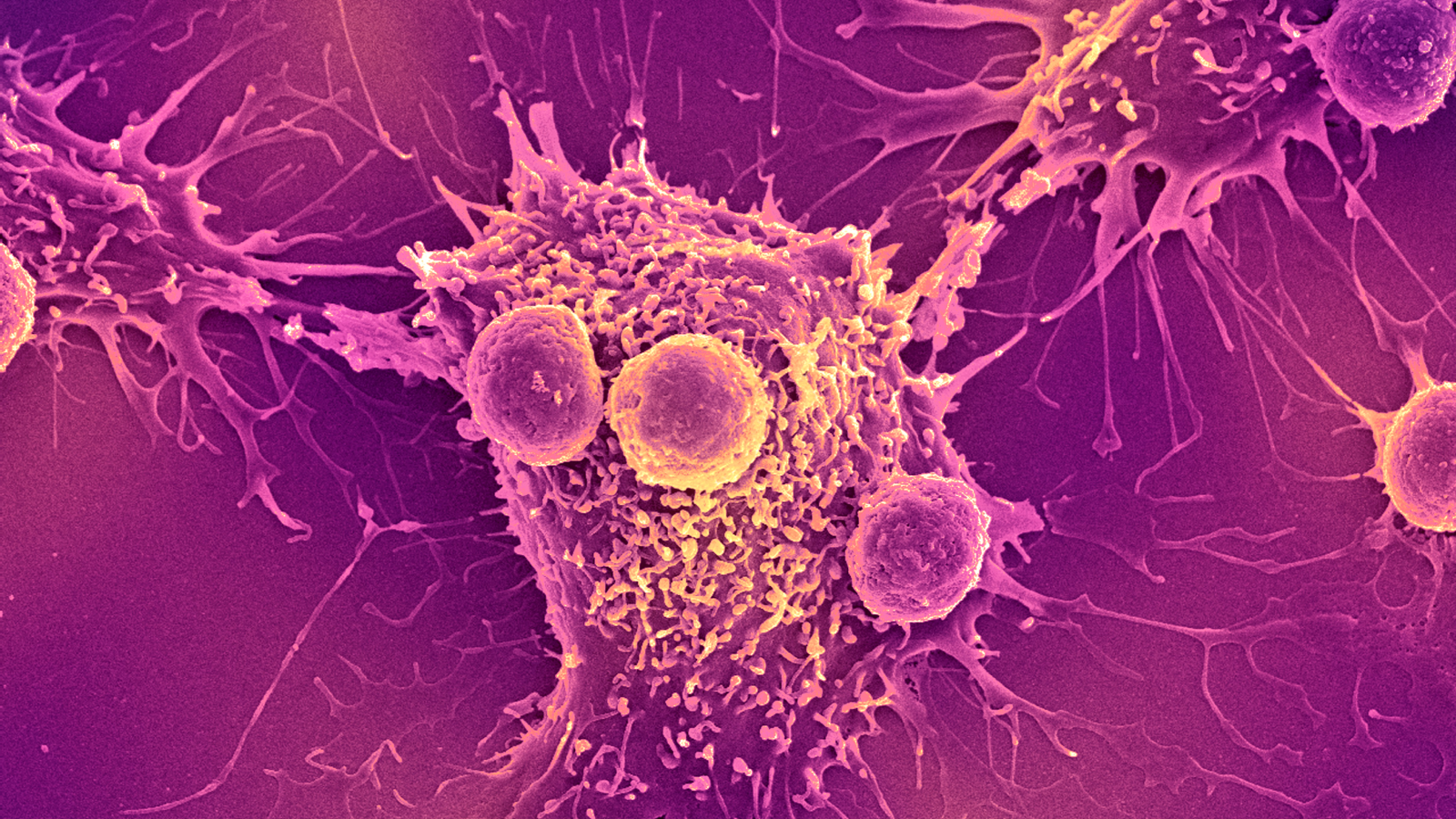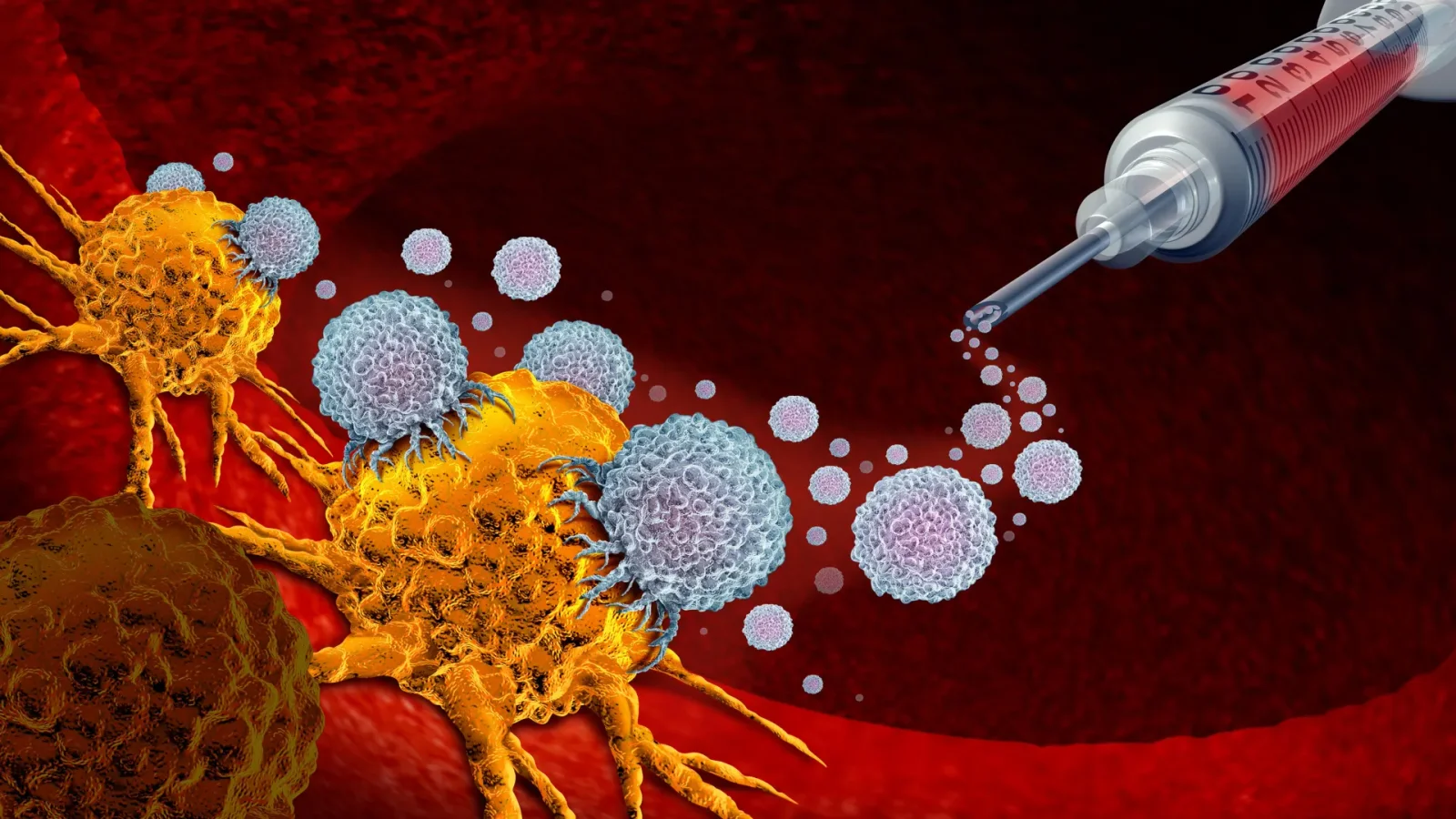
Scientists at UMass Amherst have developed a nanoparticle-based vaccine that successfully prevents multiple aggressive cancers in mice, including melanoma, pancreatic, and breast cancers, by activating strong immune memory and targeting cancer-specific antigens, with potential for broad application in cancer prevention and treatment.
A study of women treated over 20 years ago with a cancer vaccine shows long-lasting immune responses, and researchers found that targeting the CD27 marker could enhance vaccine effectiveness, potentially improving long-term survival in breast cancer patients.
A new nanoparticle-based cancer vaccine shows promising results in mice, preventing multiple tumor types with up to 88% efficacy over 250 days, though human applicability remains to be tested.
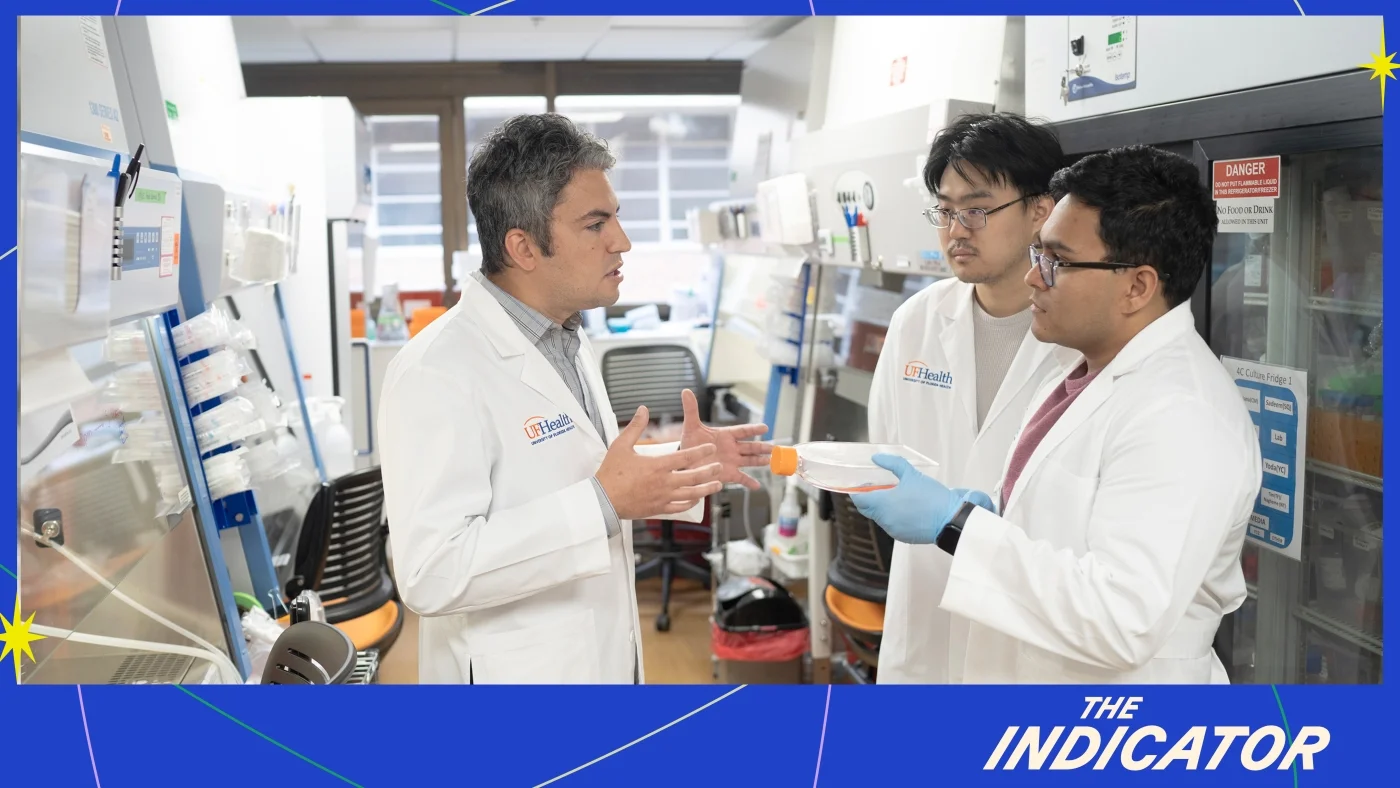
Researchers at the University of Florida have developed a promising universal cancer vaccine using mRNA technology that stimulates the immune system to attack various tumors, especially when combined with immune checkpoint inhibitors, showing strong results in mice and paving the way for future human trials.
RFK Jr. has canceled promising research on a cancer vaccine due to his anti-vaccine stance, risking the US's leadership in mRNA technology, which is crucial for rapid response to health threats and national security, and potentially ceding this strategic advantage to countries like China.
The article highlights three key innovations in medical technology: a cancer vaccine, an Alzheimer's blood test, and a life-changing exoskeleton, emphasizing their potential to advance healthcare and economic prosperity.
An experimental off-the-shelf cancer vaccine called ELI-002 shows promising early results in prolonging survival and inducing immune responses in patients with pancreatic and colorectal cancers harboring KRAS mutations, with further trials underway to confirm its efficacy.
A non-personalized off-the-shelf vaccine called ELI-002 2P shows promise in preventing the return of pancreatic and colorectal cancers by training the immune system to target specific mutations, with early results indicating longer survival for responders, though further research is needed.
A new universal mRNA-based cancer vaccine shows promise in animal studies by boosting the immune system's innate response, particularly type-I interferons, and enhancing existing therapies like immune checkpoint inhibitors. Researchers are now testing a combined off-the-shelf and personalized vaccine approach in human trials for recurrent cancers, aiming to provide rapid, broad-spectrum cancer treatment.
Researchers at the University of Florida have developed a promising experimental mRNA-based vaccine that could lead to a universal cancer vaccine, boosting the immune system to fight various cancers and potentially replacing traditional treatments like surgery and chemotherapy. The vaccine works by stimulating immune responses, including increasing PD-L1 proteins on cancer cells, making tumors more vulnerable to immune attack. While still in early stages and tested in mice, this approach could revolutionize cancer treatment if successful in humans.
Catie King, an Asheville native battling ovarian cancer, has completed her final injection in an FDA-approved cancer vaccine trial aimed at retraining the immune system to recognize and fight cancer. The trial, conducted by Elios Holdings, has shown promising results, with King reporting positive blood work and feeling great. The trial aims to enroll 60 patients, with King's participation drawing significant interest and applications. The vaccine is funded through donations and investors, providing hope to patients without cost. King will continue to be monitored, with data analysis expected in a year.
Thousands of NHS patients in England will be fast-tracked into trials for personalized cancer vaccines, a world-first initiative aimed at providing permanent cures by tailoring treatments to individual tumors. The scheme, hailed as a "landmark moment" by NHS England's head Amanda Pritchard, will initially focus on colorectal, skin, lung, bladder, pancreatic, and kidney cancers. The vaccines, developed using mRNA technology, aim to prevent cancer recurrence by teaching the body to target and destroy remaining cancer cells.
Corner Therapeutics, a new startup focusing on developing vaccines for cancers, influenza, and potentially HIV, has launched with $54 million in funding led by Ziff Capital Partners. The company is being led by Steven Altschuler, co-founder of Spark Therapeutics, who joined Ziff Capital in 2018. The startup aims to leverage its expertise in vaccine development to address critical medical needs in the field of oncology and infectious diseases.
In a small trial, a personalized cancer vaccine developed by Geneos Therapeutics, combined with an immunotherapy drug, shrank liver tumors in nearly a third of patients with advanced liver cancer. The vaccine, based on mutations specific to each patient's tumor, aims to boost the immune system's ability to recognize and attack hard-to-treat cancers. The promising results suggest a step forward in effective cancer vaccines and may expand the types of cancers that such therapies can treat. Larger trials are being planned to confirm these findings.
In a small trial, nearly a third of advanced liver cancer patients who received a personalized vaccine developed by Geneos Therapeutics alongside an immunotherapy drug saw their tumors shrink, a response twice as high as with immunotherapy alone. The vaccine, based on mutations specific to each patient's tumor, aims to boost the immune system's ability to recognize and attack hard-to-treat cancers. The study suggests progress towards effective cancer vaccines and potential expansion to treat various cancer types, with promising results in combining customized vaccines with immunotherapy. Larger trials are being planned to confirm these findings.