Tag

Innate Immunity

All articles tagged with #innate immunity

Nasal universal vaccine shields mice from viruses, bacteria, and allergies
science4 hours ago

Nasal universal vaccine shields mice from viruses, bacteria, and allergies

A nasal spray vaccine, GLA-3M-052-LS+OVA, protected mice against SARS-CoV-2 and other coronaviruses, guarded against certain bacteria, and reduced allergy-related lung symptoms, by engaging both innate and adaptive immunity; with three doses, it lowered lung viral loads and sped up immune responses, and human trials could begin with a target availability in 5–7 years if results translate to people.
Researchers Unveil Universal Nasal Spray Vaccine Targeting Viruses, Bacteria, and Allergens
health-and-medicine8 days ago

Researchers Unveil Universal Nasal Spray Vaccine Targeting Viruses, Bacteria, and Allergens

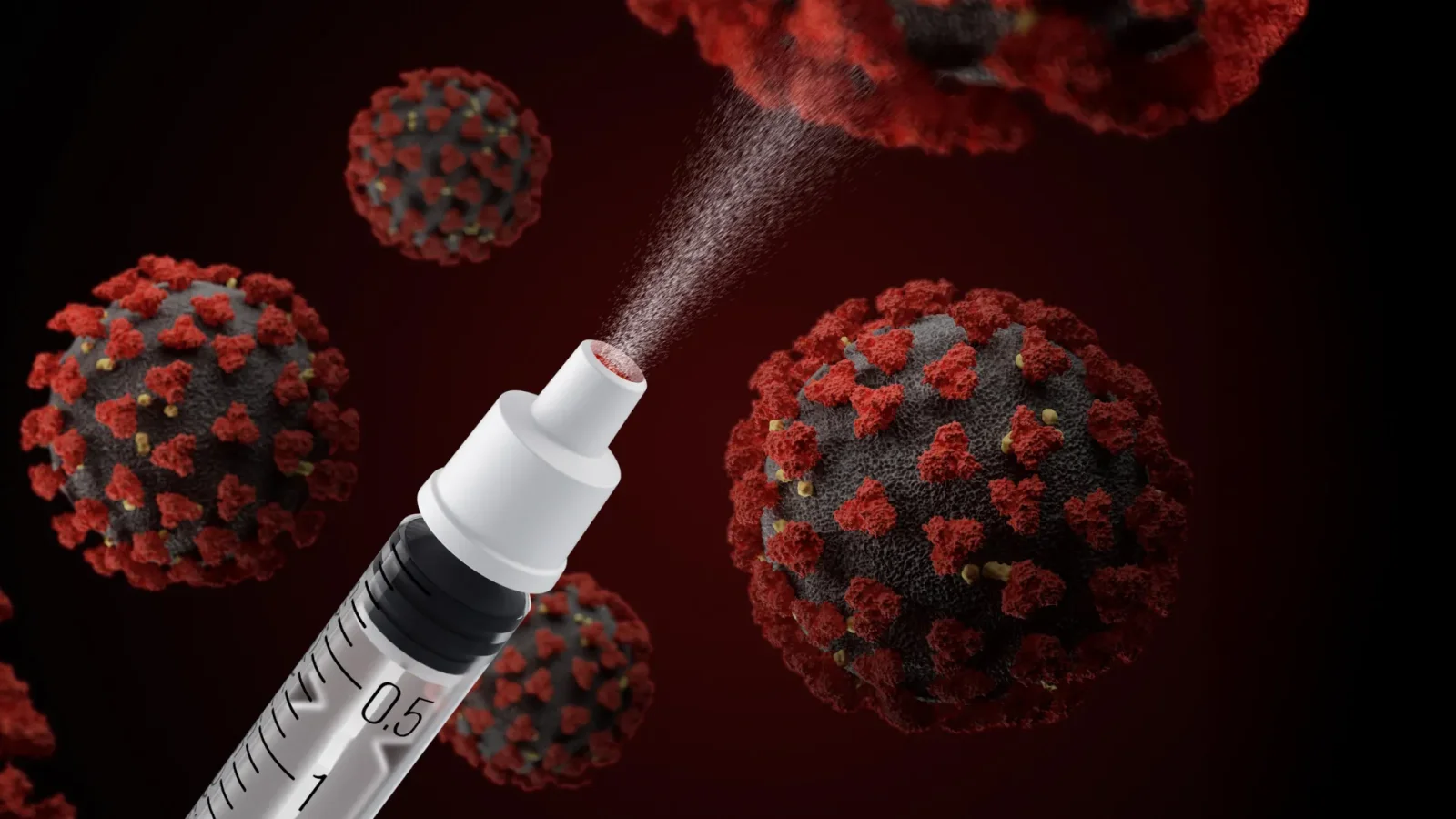
Stanford Medicine researchers have developed a nasal spray vaccine that activates the lungs’ innate immune system to provide months-long protection against a broad range of respiratory threats—including SARS-CoV-2, other coronaviruses, bacterial pneumonia pathogens, and even house dust mite allergens—in mice. If safety and efficacy are shown in humans, the approach could reduce the need for multiple yearly vaccines and idea of rapid protection during outbreaks, with Phase I trials moving forward and an estimated 5–7 years before potential availability.

MYC’s RNA Trick Drives Immune Evasion in Pancreatic Cancer
science9 days ago

MYC’s RNA Trick Drives Immune Evasion in Pancreatic Cancer

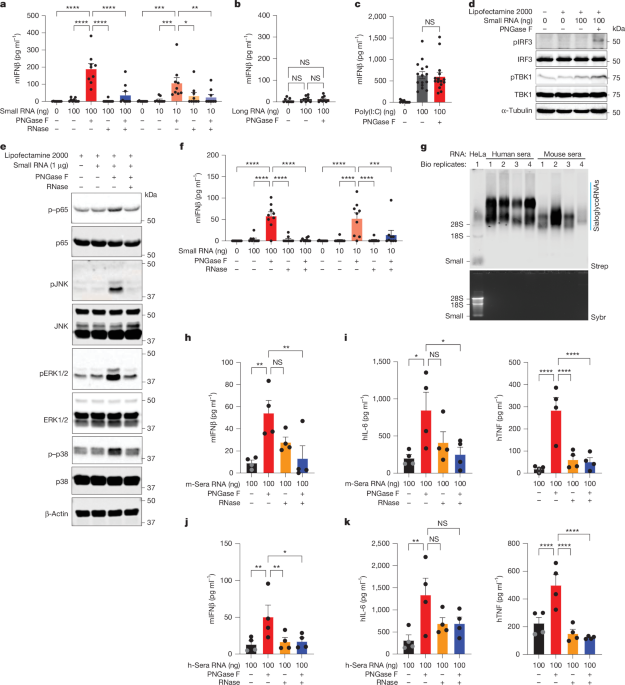
Researchers identify a mechanism where the MYC protein shifts from DNA to nascent RNA under stress, using an RNA-binding region (RBRIII) to promote multimerization and recruit the nuclear exosome to degrade RNA at R-loops, thereby suppressing innate immune signaling (via TLR3 and TBK1) in pancreatic cancer. Mutating the RNA-binding region prevents this immune suppression and causes tumor regression in immunocompetent mice, suggesting therapies that block MYC’s RNA-binding function could expose tumors to immune attack while preserving MYC’s transcriptional activity.

Nasal spray vaccine in mice shows potential for broad protection against viruses, bacteria, and allergens
health11 days ago

Nasal spray vaccine in mice shows potential for broad protection against viruses, bacteria, and allergens

In a mouse study, researchers report a nasal‑spray vaccine that activates both innate and adaptive immunity, protecting against SARS‑CoV‑2 and other coronaviruses, two bacteria (Staphylococcus aureus and Acinetobacter baumannii), and a house‑dust‑mite allergen for at least three months, suggesting a possible universal vaccine pending human trials.

Nasal universal vaccine boosts innate immunity to shield mice from multiple respiratory pathogens
science11 days ago

Nasal universal vaccine boosts innate immunity to shield mice from multiple respiratory pathogens

A Stanford-led study describes an intranasal “universal vaccine” that activates the innate immune system to provide at least three months of protection in mice against SARS-CoV-2, other coronaviruses, and bacteria causing respiratory infections, while also dampening allergic responses. If safe and effective in humans, it could become a winter-wide first line of defense against diverse respiratory diseases.

Mice study hints at nasal vaccine for universal respiratory protection
science12 days ago

Mice study hints at nasal vaccine for universal respiratory protection

Stanford Medicine researchers report an intranasal vaccine that activates innate and adaptive immunity to provide months-long protection in mice against a broad spectrum of respiratory threats—SARS-CoV-2 and other coronaviruses, Staphylococcus aureus, Acinetobacter baumannii, and house dust mite allergen—suggesting a path toward a universal respiratory vaccine, with human safety trials planned next.

Long-Term COVID-19 Presence: Lungs Serve as Viral Hideout for 18 Months
health2 years ago

Long-Term COVID-19 Presence: Lungs Serve as Viral Hideout for 18 Months

A study conducted by the Institut Pasteur has revealed that the SARS-CoV-2 virus can persist in the lungs for up to 18 months after infection, challenging the belief that it becomes undetectable after initial recovery. This persistence is linked to a failure in the innate immune system, similar to viral reservoirs seen in HIV. The study highlights the role of NK cells in controlling these reservoirs and provides insights into the mechanisms of viral persistence, which could help in understanding long COVID.