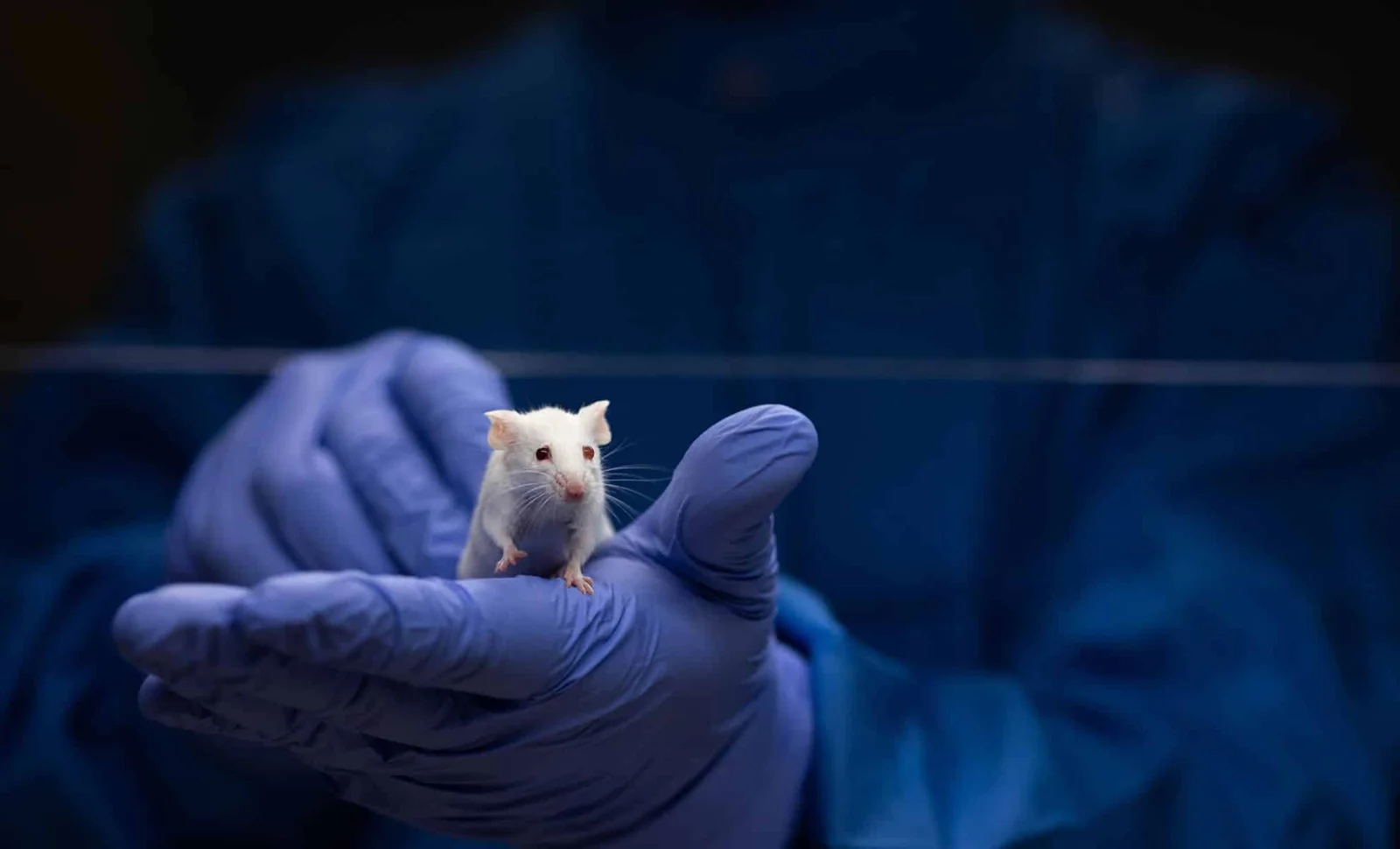
Scientists have successfully reversed Alzheimer's symptoms in mice using a compound called P7C3-A20 that restores NAD+ levels, suggesting potential for human treatment and challenging the belief that brain damage from Alzheimer's is irreversible.
Scientists have discovered that restoring the brain's energy molecule NAD+ can prevent and reverse Alzheimer's damage in animal models, suggesting a potential new approach for treatment and recovery in humans.
Scientists have demonstrated in mice that restoring the brain's metabolic balance, specifically through NAD+ levels, can reverse advanced Alzheimer's disease symptoms, challenging the notion that the disease is irreversible and opening new avenues for potential human treatments.
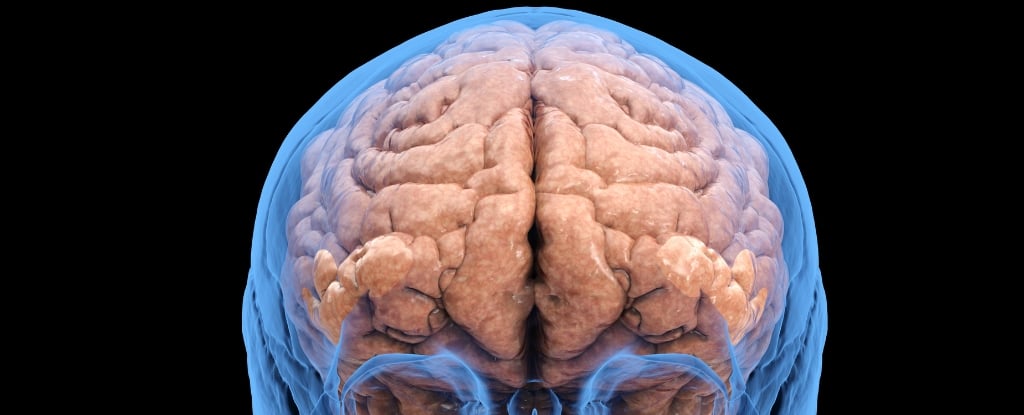
A new study has found that the brain can repair its structure and regain cortical thickness after heavy drinking once alcohol use ceases. The research, conducted on individuals with alcohol use disorder (AUD), showed that cortical thickness increased over time, with significant recovery observed after 7.3 months of abstinence. The study also found that quitting smoking may contribute to the recovery of cortical thickness. However, the small sample size and lack of diversity in the study limit the generalizability of the findings, and further research is needed to understand the neurocognitive and psychosocial effects of cortical thickness recovery in AUD.
Groundbreaking research has revealed that individuals who abstain from alcohol for approximately 7.3 months show significant improvements in brain structure, indicating a remarkable potential for recovery. The study, which used magnetic resonance imaging (MRI) to analyze the brains of individuals with alcohol use disorders, found that cortical thickness, a crucial factor in cognitive functions, increased in 26 out of 34 brain regions studied. However, the amount and duration of alcohol consumption, as well as the presence of cardiovascular risk factors, may influence the pace of recovery. The findings provide hope for those with alcohol use disorders and emphasize the importance of sustained abstinence.
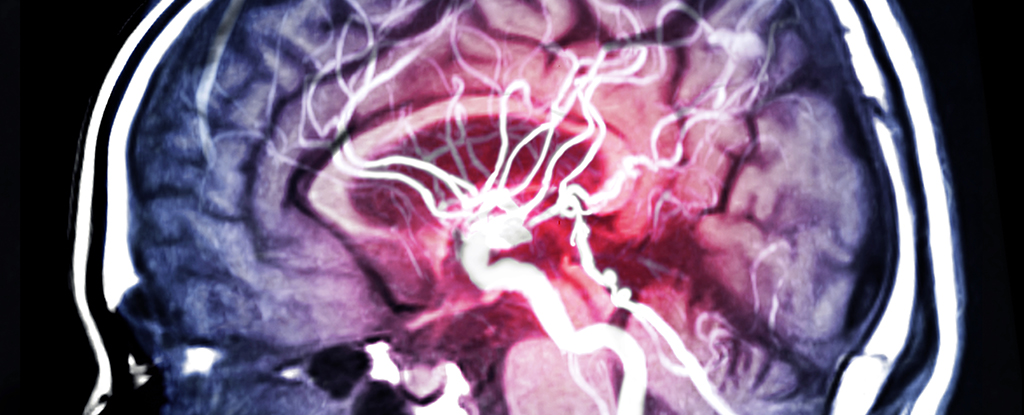
Scientists have developed nasal drops containing the complement peptide C3a, which can help mice recover from the damaging biological consequences of a stroke. The treatment is initiated seven days after the stroke, making it possible for those who are unable to be assisted immediately after a stroke to still be protected against the worst effects of the condition. The C3a peptide helps to increase the number of connections between nerve cells in the brain, which can improve motor function. Clinical trials are needed to determine if the treatment is viable in humans.