The hypertension drug rilmenidine has been shown to extend lifespan and slow aging in worms and mice by mimicking caloric restriction effects, with potential implications for human health, pending further research.
Research suggests that blockbuster obesity drugs like semaglutide may have potential in treating addiction by acting on brain pathways related to reward and craving, with ongoing clinical trials exploring their efficacy for alcohol, nicotine, and opioid dependence, potentially revolutionizing addiction medicine.
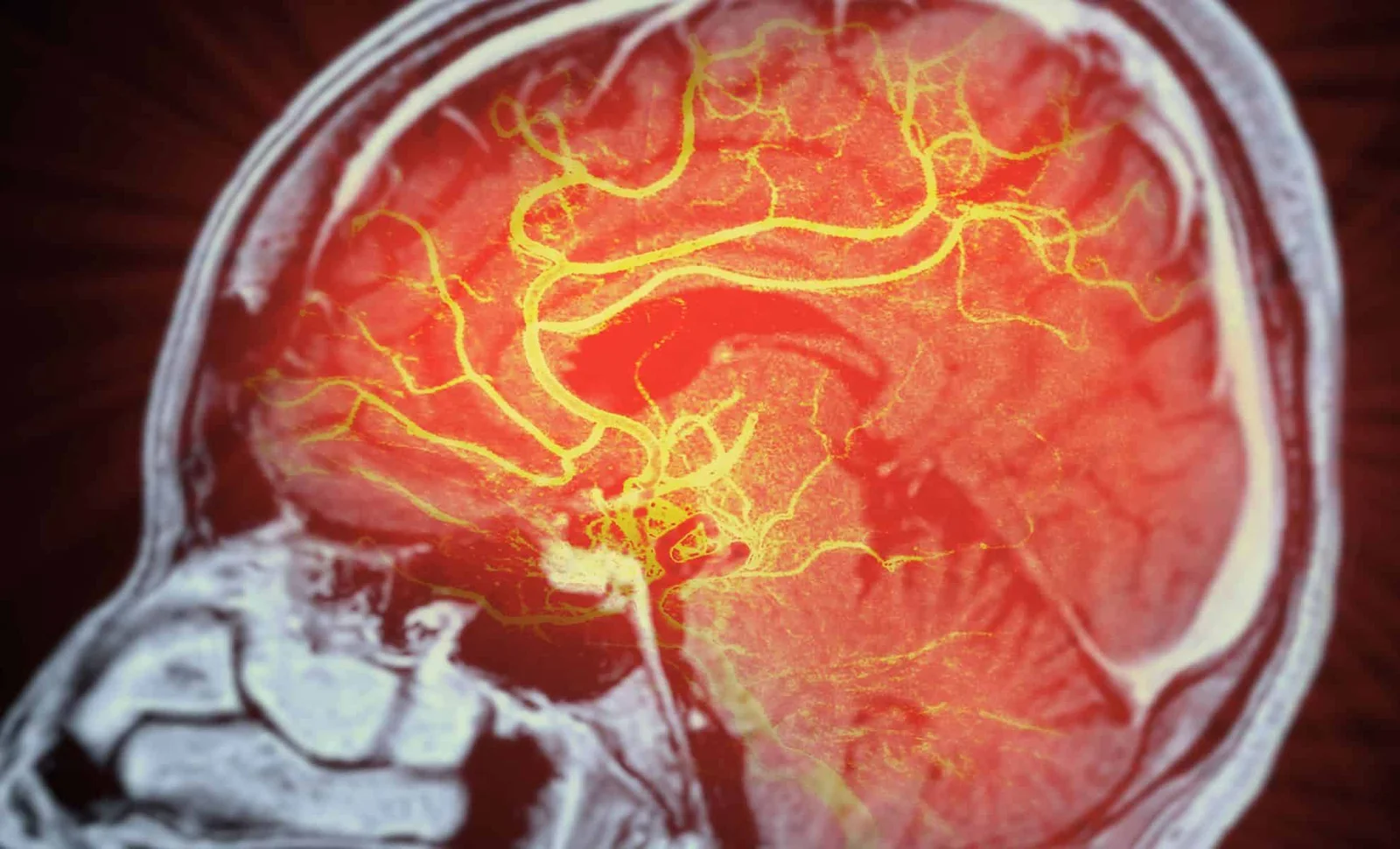
Scientists in Japan found that the existing drug arginine, used for high blood pressure, can reduce amyloid-beta plaques and improve cognitive function in mice with Alzheimer's-like symptoms, suggesting potential for repurposing as a treatment, though human trials are needed.
Scientists have identified two existing cancer drugs, letrozole and irinotecan, that can reverse brain damage associated with Alzheimer's in mice, showing promise for future clinical trials and potential treatment options for humans.
Researchers at UCSD have identified the existing drug Thiorphan as a potential treatment to regenerate nerve cells in the spinal cord, showing promising results in animal models and human neuron studies, which could lead to new therapies for paralysis in the future.
A large-scale genetic study identified 220 loci linked to substance use disorders across European, African, and American populations, revealing shared genes active in brain regions involved in emotion, memory, and reward, and suggesting potential for personalized risk assessment and drug repurposing for treatment.
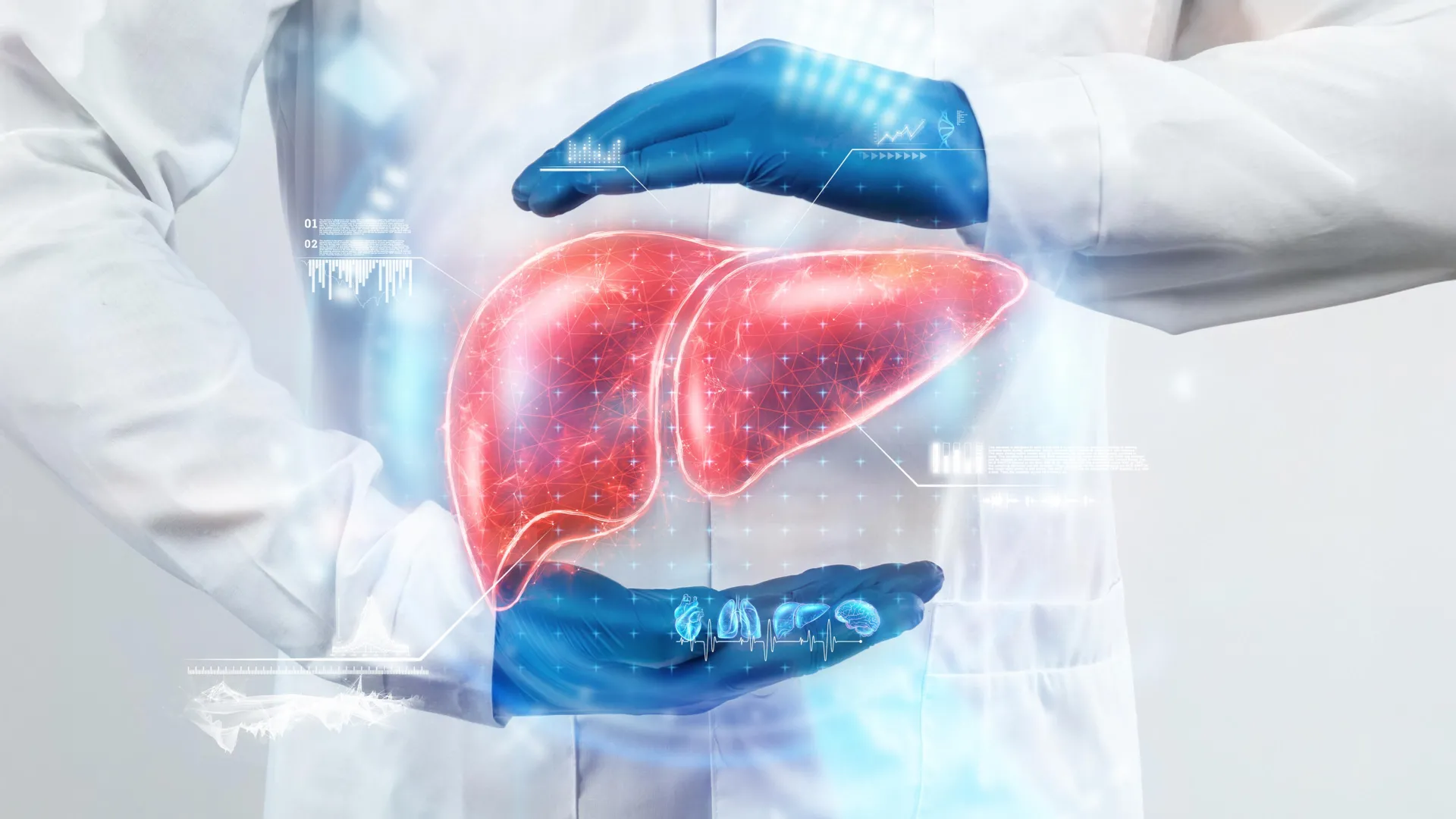
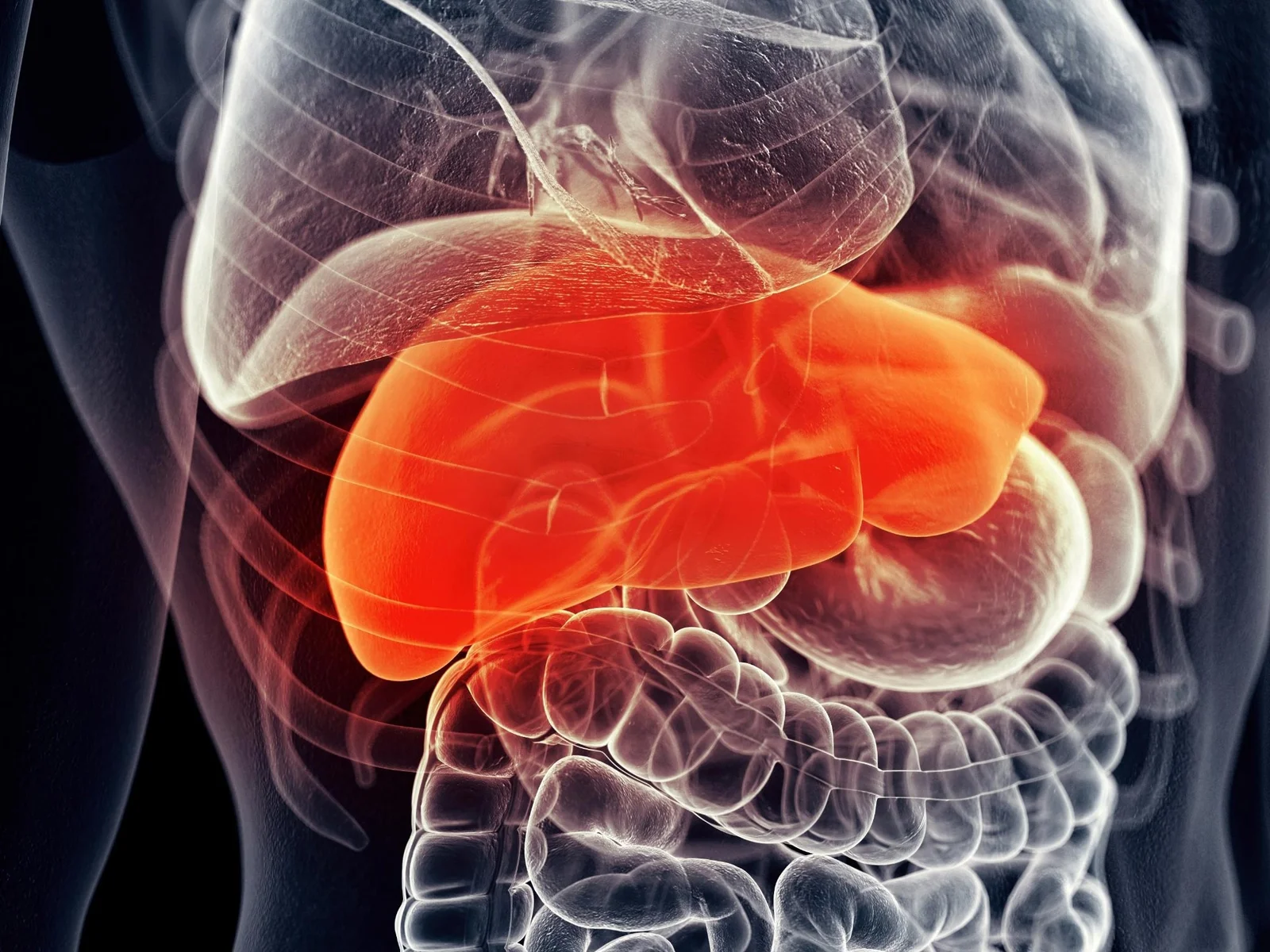
Researchers at the University of Barcelona found that the existing drugs pemafibrate and telmisartan, used separately and together, significantly reduce fat buildup in animal models of fatty liver disease, suggesting a potential new treatment approach, though human trials are still needed.
Researchers at the University of Barcelona have discovered that combining two existing drugs, pemafibrate and telmisartan, can significantly reduce liver fat accumulation and related cardiovascular risks in animal models of fatty liver disease, suggesting a potential new treatment approach, though human trials are still needed.
A new international study shows that inhaled heparin, a common and affordable blood thinner, significantly improves outcomes for seriously ill COVID-19 patients by reducing ventilation needs and mortality, with potential applications for other respiratory infections; further development and trials are underway.
The Trump administration approved the use of leucovorin, a vitamin B derivative, as a treatment for autism based on limited and weak evidence, sparking criticism from experts who emphasize the need for more rigorous studies before such treatments are widely adopted. Despite some promising small studies, the scientific community remains cautious, highlighting the importance of controlled clinical trials and the risks of premature approval.
The Trump administration approved leucovorin, a vitamin B derivative, as a treatment for autism based on limited evidence, surprising experts and the drug's original proposer, Dr. Richard Frye, amid ongoing debates about its efficacy and the need for further research.
Researchers have discovered that two FDA-approved cancer drugs, letrozole and irinotecan, can reduce tau protein clumps and improve cognitive functions in mice, offering a promising new approach for Alzheimer's treatment through drug repurposing. Further studies are needed to confirm their effectiveness in humans.
Researchers are exploring the potential of repurposing cancer drugs, specifically letrozole and irinotecan, to treat Alzheimer's disease. A study identified these drugs as promising candidates that may slow or reverse symptoms in mice by altering gene expression related to the disease. While initial results are encouraging, further clinical trials are needed to assess safety and effectiveness in humans, considering the significant side effects of these drugs.
Researchers used GPT-4 to identify novel combinations of existing, non-cancer drugs that can effectively target breast cancer cells in the lab, demonstrating AI's potential to generate new hypotheses and accelerate drug discovery through iterative collaboration with scientists.
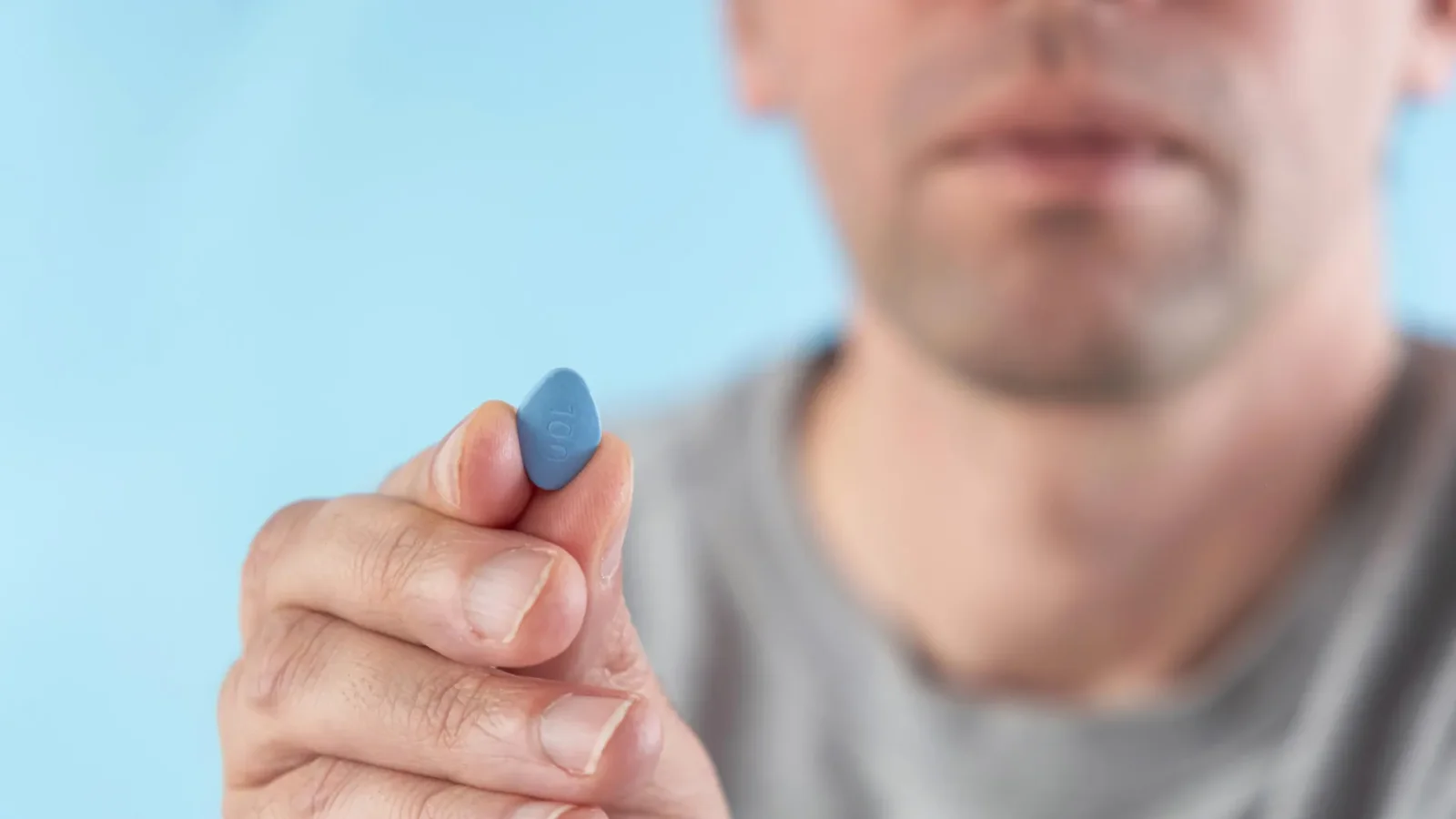
A new study led by the Cleveland Clinic suggests that sildenafil, the main component of Viagra, shows potential as a treatment for Alzheimer's disease. The research, which integrates computational models, insurance claims data, and laboratory observations, indicates a 30-54% reduction in Alzheimer's diagnoses among sildenafil users and decreased levels of neurotoxic proteins in brain cells. This interdisciplinary approach highlights the benefits of drug repurposing and offers a promising avenue for new Alzheimer's therapies, with implications for future clinical trials to explore sildenafil's effectiveness in patients with Alzheimer's disease.