Dr. Dimitry Yaranov warns that common medications like NSAIDs, certain cancer treatments, stimulants, older diabetes drugs, and decongestants can silently harm heart health, emphasizing the importance of consulting healthcare providers and being aware of potential cardiovascular risks associated with these drugs.
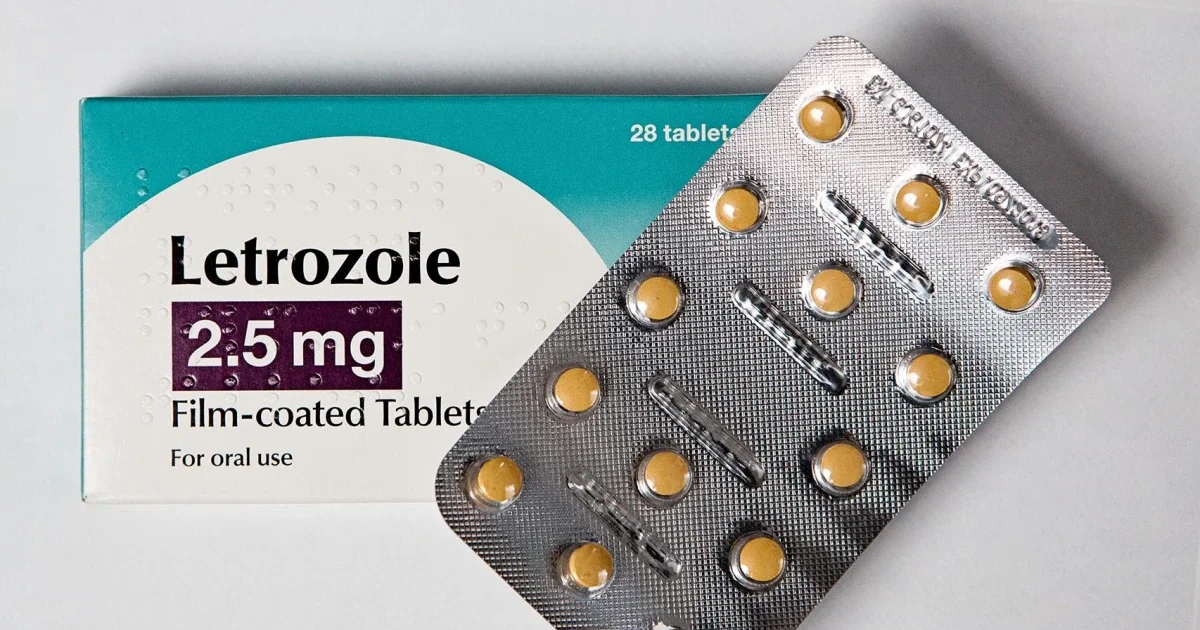
Scientists have identified two existing cancer drugs, letrozole and irinotecan, that can reverse brain damage associated with Alzheimer's in mice, showing promise for future clinical trials and potential treatment options for humans.
Denmark's Genmab is acquiring Dutch biotech Merus for approximately $8 billion in a deal that includes a 41% premium over Merus' recent stock price, aiming to expand its pipeline in cancer treatments through this strategic acquisition funded by cash and debt.,
The FDA's top cancer drug regulator, Richard Pazdur, played a key role in the rejection of Replimune's skin cancer therapy, RP1, amid internal agency dysfunction and leadership changes, despite support from other officials. The decision was influenced by internal debates and procedural issues within the FDA.
Researchers have discovered that two FDA-approved cancer drugs, letrozole and irinotecan, can reduce tau protein clumps and improve cognitive functions in mice, offering a promising new approach for Alzheimer's treatment through drug repurposing. Further studies are needed to confirm their effectiveness in humans.
Researchers are exploring the potential of repurposing cancer drugs, specifically letrozole and irinotecan, to treat Alzheimer's disease. A study identified these drugs as promising candidates that may slow or reverse symptoms in mice by altering gene expression related to the disease. While initial results are encouraging, further clinical trials are needed to assess safety and effectiveness in humans, considering the significant side effects of these drugs.
Chemists have developed a novel method to control the molecular 'handedness' of compounds crucial for medicines like breast cancer treatments, potentially leading to more effective drugs with fewer side effects, by using a simple chemical tweak to switch the configuration of complex molecules such as Tamoxifen.
A landmark study published in Nature Genetics reveals that chemotherapy drugs can cause varying levels of genetic damage and premature aging in healthy blood cells, with implications for personalized cancer treatment to minimize long-term side effects such as secondary tumors and organ damage, especially in children.
Researchers in Spain have discovered that blocking the enzyme topoisomerase I can halt the replication and spread of herpes simplex virus 1 (HSV-1) by preventing it from reshaping human DNA, opening potential pathways for a cure using existing cancer drugs, which could significantly impact the treatment of this widespread and incurable virus.
Recent biotech M&A activity shows signs of revival with major deals like Sanofi's $9.1bn acquisition of Blueprint Medicines and Bristol-Myers-Squibb's $3.5bn investment in BioNTech, driven by promising therapies in immunology and oncology, despite a challenging market environment.
A study found that most cancer drugs granted accelerated approval by the FDA do not demonstrate clinical benefits within five years, raising concerns about patient access to unproven medications. Despite the program's intention to speed access to promising drugs, only 43% of the drugs demonstrated a clinical benefit in confirmatory trials, yet 63% were converted to regular approval. The study highlights the need for better communication of uncertainty to patients and the importance of careful explanation by doctors. Recent updates to the program give the FDA more authority to withdraw drugs when companies don't meet their commitments, aiming to streamline the process for verifying drug efficacy.
A study found that most cancer drugs granted accelerated approval by the FDA do not demonstrate clinical benefits within five years, despite the program being intended to give patients early access to promising drugs. Between 2013 and 2017, 63% of cancer drugs granted accelerated approval were converted to regular approval, even though only 43% demonstrated a clinical benefit in confirmatory trials. The study raises concerns about whether patients understand the uncertainty surrounding drugs with accelerated approval and emphasizes the importance of doctors carefully explaining the evidence to patients. Congress recently updated the program, giving the FDA more authority and streamlining the process for withdrawing drugs when companies don’t meet their commitments.
BioOrbit, founded by Katie King, plans to revolutionize cancer drug production by crystallizing proteins in microgravity in space, allowing for higher drug concentrations and easier administration. The company aims to commercialize this process after securing funding from the European Space Agency and plans to test it on the International Space Station. While there are challenges such as cost and regulation, King sees the potential for microgravity to significantly benefit drug development and hopes to establish a permanent facility in space for research and manufacturing.
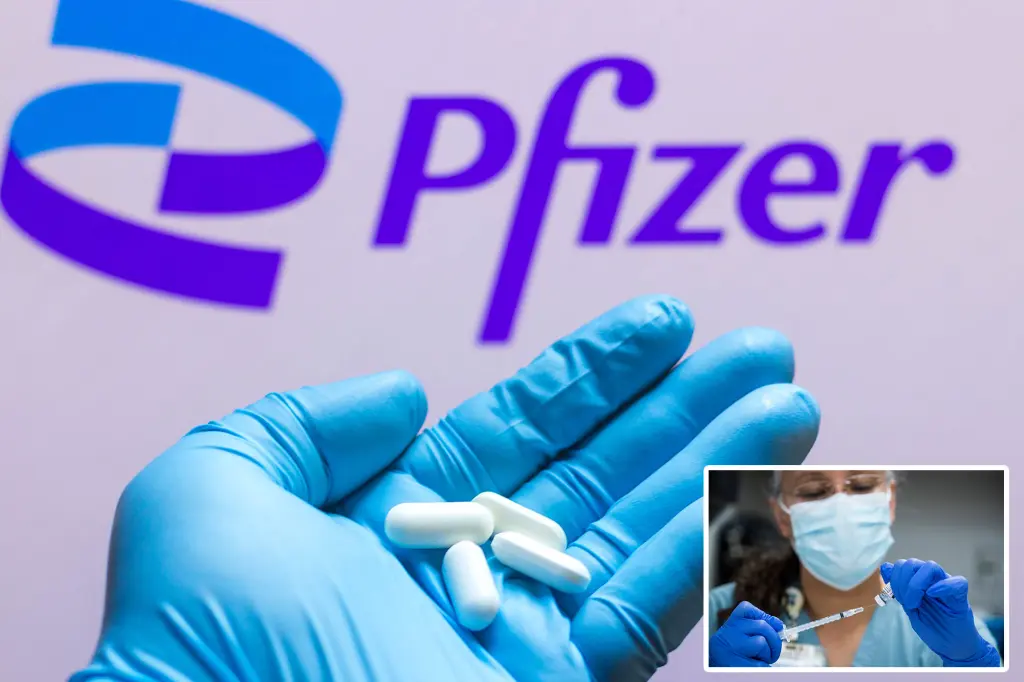
Pfizer is shifting focus to cancer drugs after a decline in its COVID-19 business, aiming to expand its oncology portfolio and increase blockbuster medicines from five to eight by 2030. The company acquired oncology biotech firm Seagen for $43 billion, doubling its cancer drug pipeline to 60 programs. Analysts foresee challenges due to competitive pressure and upcoming patent losses, but Pfizer aims to generate $10 billion in oncology sales by 2030. The move follows a turbulent year in 2023, with a 41% revenue decline attributed to the expected drop in COVID-19 revenues.
Biotech and pharmaceutical companies are increasingly focusing on antibody-drug conjugates (ADCs) as a promising class of cancer drugs to drive growth, with Johnson & Johnson, Pfizer, and Merck making significant investments in ADCs. The recent rise of ADCs is attributed to advancements in technology, increased confidence in their potential, and the potential for longer market exclusivity. The market for ADCs is expected to continue growing, with estimates suggesting they could account for a significant portion of the worldwide cancer market by 2028. Companies are betting on ADCs to fuel growth and establish themselves as leaders in cancer treatment, with Pfizer's acquisition of Seagen and Merck's licensing agreement with Daiichi Sankyo being notable examples of this trend.