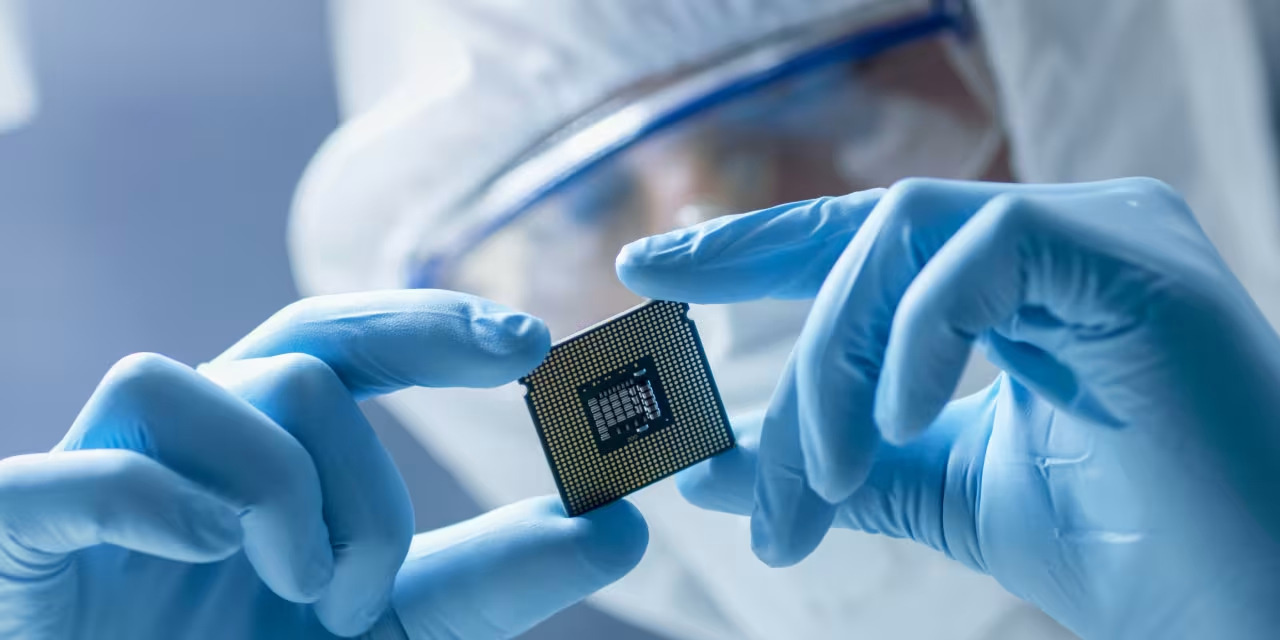
A JetBlue flight's sudden altitude drop was caused by cosmic ray-induced bit flips in its computer systems, leading Airbus to recall over 6,000 aircraft for software and hardware updates to prevent similar incidents caused by space radiation affecting microchips in fly-by-wire systems.
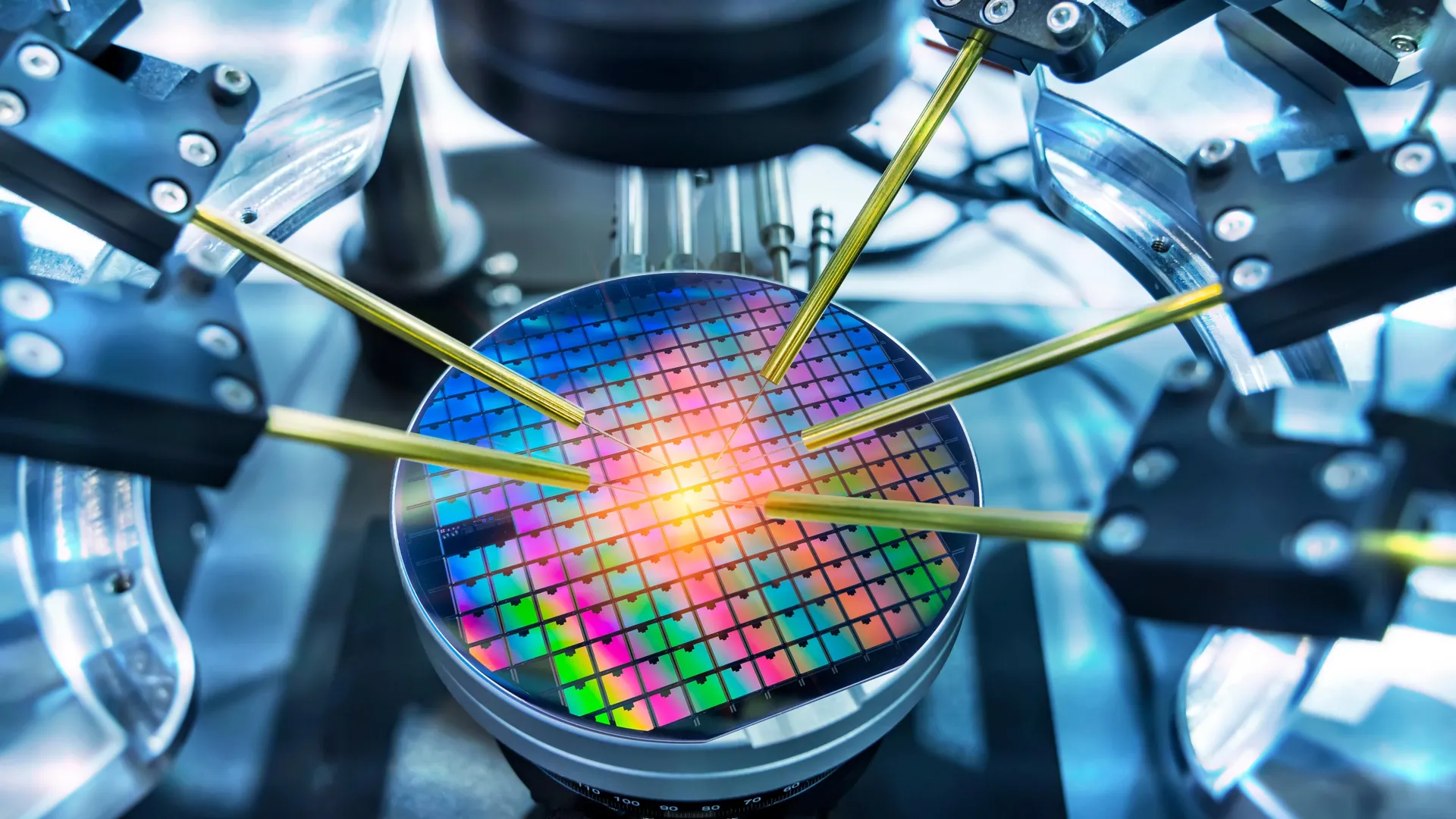
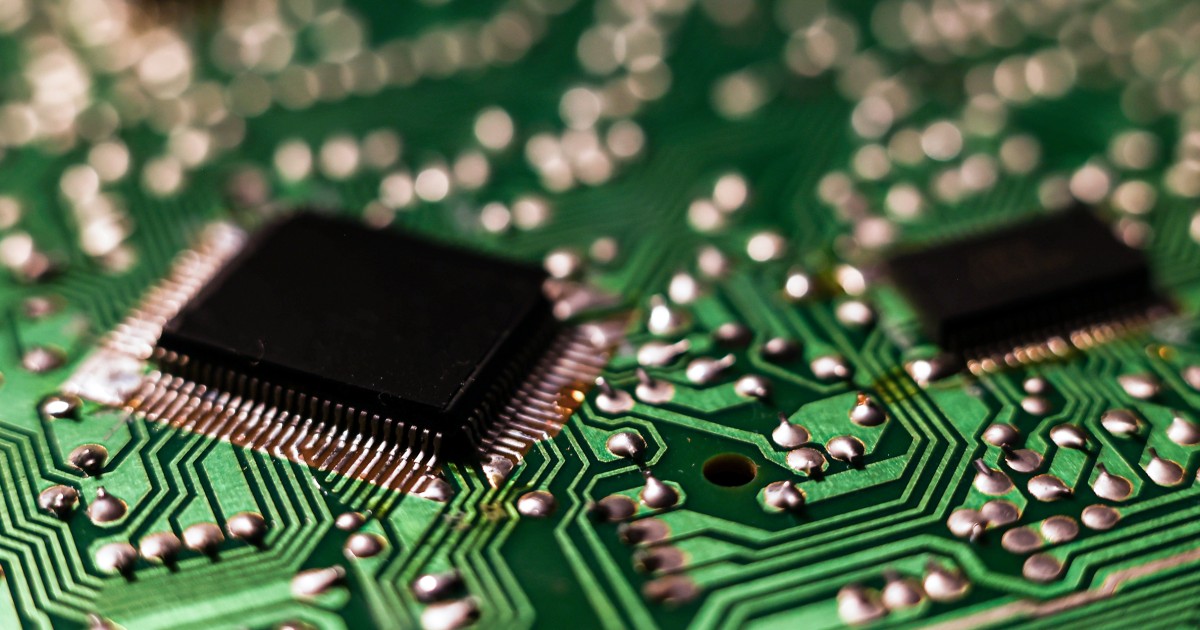
Researchers at Johns Hopkins have developed new materials and a process called chemical liquid deposition to create ultra-small, invisible circuits on microchips, potentially revolutionizing the production of smaller, faster, and more affordable electronics in the future.
Johns Hopkins researchers have developed a new, precise, and cost-effective process using advanced B-EUV lithography and novel metal-organic resists to create microchips with circuits so small they are invisible to the naked eye, potentially enabling smaller, faster, and more affordable electronics in the future.
The U.S. government has taken a rare 10% stake in Intel to bolster domestic chip manufacturing amid geopolitical tensions with China and the global race for AI technology, aiming to reduce reliance on foreign supply chains and enhance national security, but this move carries potential risks of political influence and inefficiency.
The article discusses how the Trump administration initially pressured Nvidia and AMD to pay a 15% revenue tax on their Chinese sales, which could have been financially devastating, but later allowed these sales to continue, highlighting the complex interplay between government regulation and big tech business strategies.
Two Chinese nationals, one of whom is an illegal alien, were arrested for allegedly exporting sensitive AI microchips from the U.S. to China without proper licenses through their company ALX Solutions Inc., involving multiple shipments and transshipment points to conceal the exports, with potential penalties up to 20 years in prison.
MIT researchers have developed a new photonic neural network processor that uses light to perform calculations, potentially overcoming limitations of traditional electronic computing. This new system, which incorporates nonlinear optical function units (NOFUs), allows all neural network processing to occur on the chip, achieving high accuracy and ultra-low latency. The photonic chip, fabricated with standard semiconductor tools, could be manufactured at scale, offering a faster alternative to electronic processors for machine learning tasks.
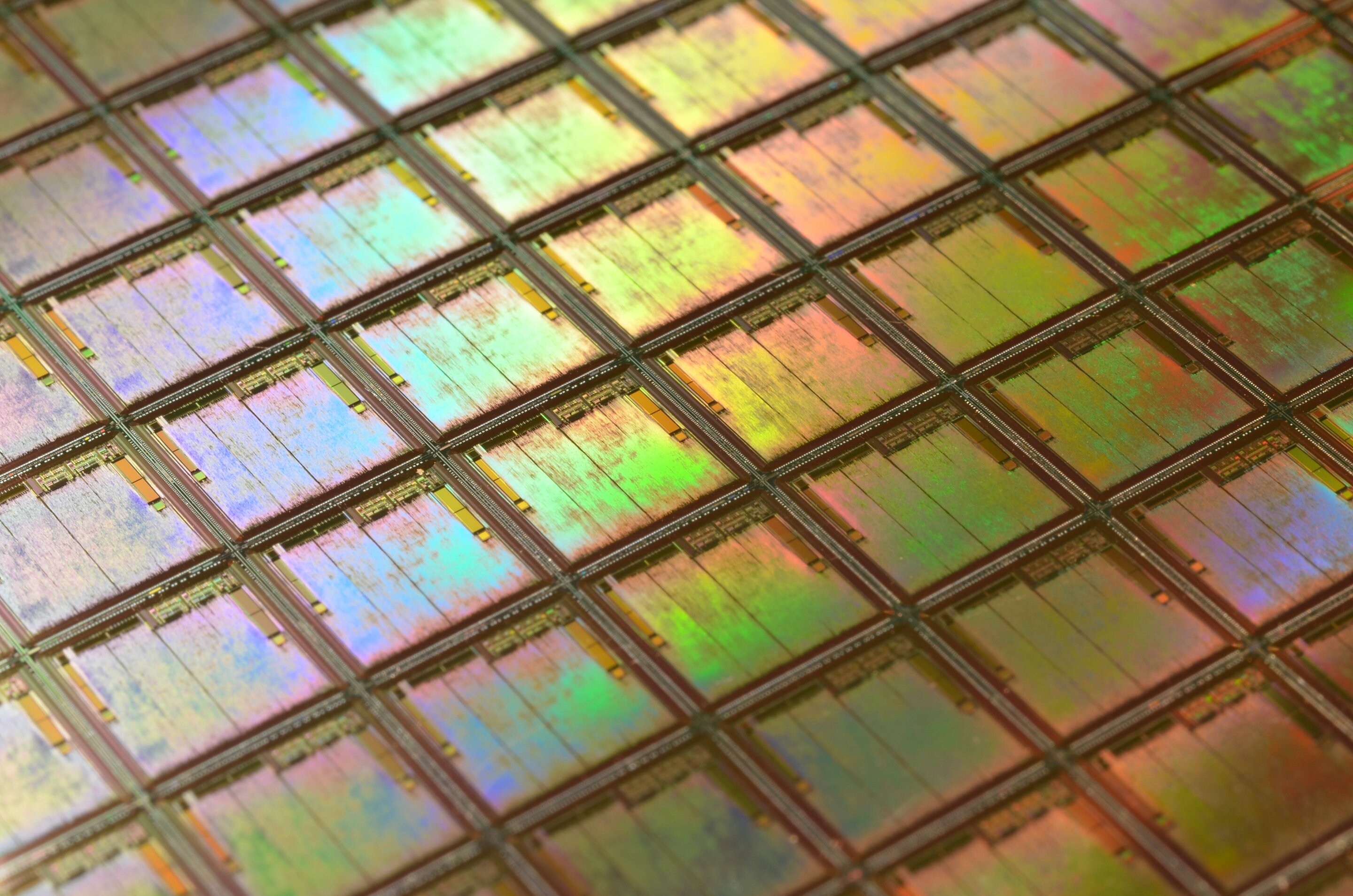
Extreme ultraviolet lithography (EUV) is a groundbreaking technology used to create the world's fastest microchips, essential for powering advanced AI models. This technology, once thought impossible, involves using a powerful laser to create extreme ultraviolet light that etches circuits onto silicon wafers. The Dutch company ASML is the only firm capable of producing these advanced etching machines. The development of EUV was nurtured in U.S. nuclear labs and tech companies, and the U.S. is keen to prevent China from accessing this technology.
Scientists at the U.S. Department of Energy's Princeton Plasma Physics Laboratory are developing computer simulation codes to improve the production of microchips using plasma, aiming to reduce manufacturing costs and potentially revitalize the chip industry in the United States. By enhancing simulation techniques and addressing computational errors, the researchers hope to increase efficiency, lower costs, and stimulate innovation in microchip manufacturing.
JPMorgan analysts anticipate VAT Group, ASML Holding, and ASM International to offer strong prospects for investors as the microchip market shows signs of improvement, particularly in the memory chip segment. These Europe-based semiconductor companies, focused on manufacturing equipment for advanced microchips, are expected to benefit from the market upturn, while those more exposed to the auto and tech industries may continue trading at subdued levels. As Nvidia prepares to release its quarterly results, investors are eagerly awaiting insights into the health of the global chip market amid excitement around a potential AI-driven boom.
Researchers at Delft University of Technology have developed a new material called amorphous silicon carbide (a-SiC) that is ten times stronger than Kevlar, rivaling the strength of graphene and diamonds. This material could have applications beyond protective gear, including enabling highly sensitive microchips.
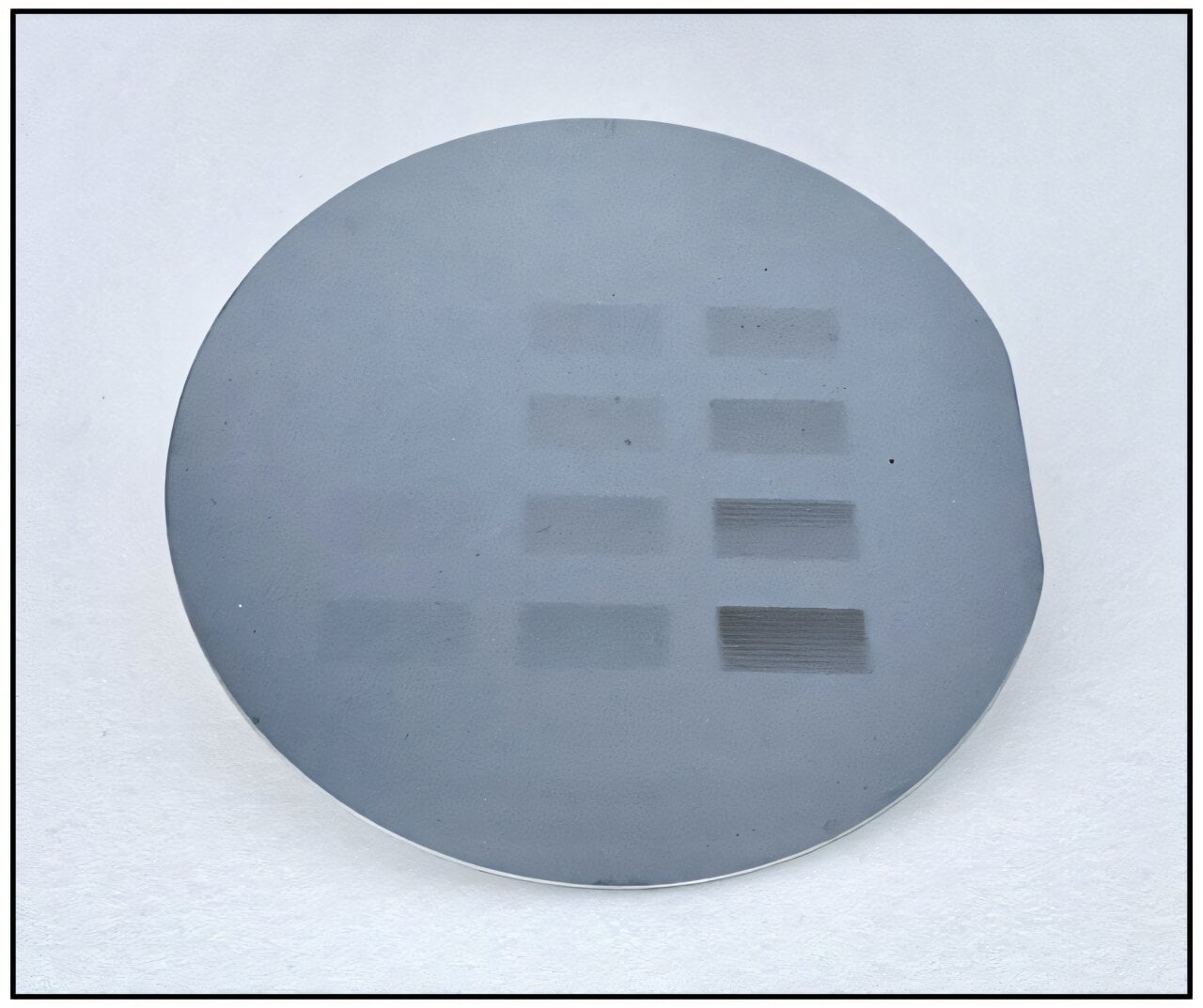
Chip companies are exploring alternative materials like synthetic diamond and ultrapure glass to address the increasing heat generated by high-performance microchips. Diamond, known for its excellent heat conductivity, is being used by Diamond Foundry to create large wafers that can be bonded with silicon microchips, allowing for faster heat dissipation. Intel is working on using glass substrates to support larger microchips and enable faster communication between them. In the future, scientists are considering replacing silicon with materials like boron arsenide, which can transmit heat efficiently and potentially enable faster computational logic.
Chip companies are exploring the use of unconventional materials like synthetic diamond and ultrapure glass to address the heat dissipation challenges caused by the increasing power and functionality of microchips, which can limit their performance.
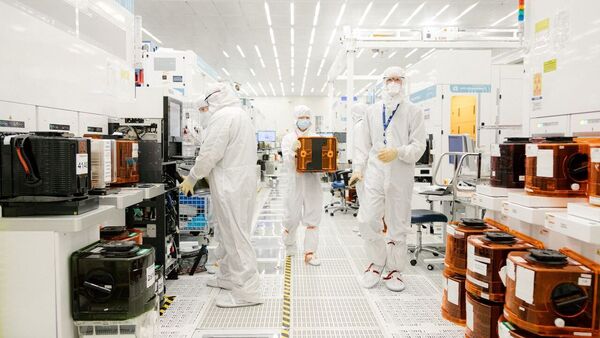
Applied Materials, along with its competitors, is leading the way in materials science, which is now playing a crucial role in making computers faster and more capable. As chip makers reach the limits of shrinking components on microchips, manipulating materials at the atomic level has become essential. Applied Materials invents new manufacturing processes and provides the equipment for microchip factories. With the shift towards three-dimensional chips, the complexity of manufacturing has increased, requiring expertise in depositing and etching materials. Companies like Applied Materials are crucial partners for chip makers in pushing the boundaries of what can be done with silicon-based microchips.
Despite Western sanctions, Russia has been able to import an increasing number of Western microchips and semiconductors through intermediary countries like China, according to trade data and analysis. These microchips and semiconductors play a crucial role in powering Russia's military equipment, including drones, missiles, and armored vehicles. Many of these components are subject to export controls, but convoluted trade routes and the classification of certain technologies as dual-use items have allowed them to enter Russia. The ubiquity and wide-reaching applications of these technologies make them difficult to police, and sanctions on Russia are limited to Ukraine's Western allies. China is the largest exporter of microchips to Russia, accounting for over 87% of total Russian semiconductor imports in Q4 2022. Calls have been made for more countries to join sanctions or impose secondary sanctions on entities facilitating Russia's military strength.