Tag

Computer Simulation

All articles tagged with #computer simulation

"2024 NFL Draft: Projecting Trades, Ideal Picks, and Day 2 Fits for Top Prospects"

Originally Published 1 year ago — by Colts Wire

Featured image for "2024 NFL Draft: Projecting Trades, Ideal Picks, and Day 2 Fits for Top Prospects"
Source: Colts Wire

A computer simulation of the 2024 NFL Mock Draft resulted in four trades in the first round, with the Chicago Bears expected to draft Caleb Williams as the No. 1 overall pick. The draft also saw several quarterbacks and wide receivers being selected early on, while top defensive prospects were pushed down due to the talent in the offensive class.
"Plasma Scientists' Programs Cut Microchip Costs and Boost Manufacturing"

Originally Published 1 year ago — by Phys.org

Featured image for "Plasma Scientists' Programs Cut Microchip Costs and Boost Manufacturing"
Source: Phys.org

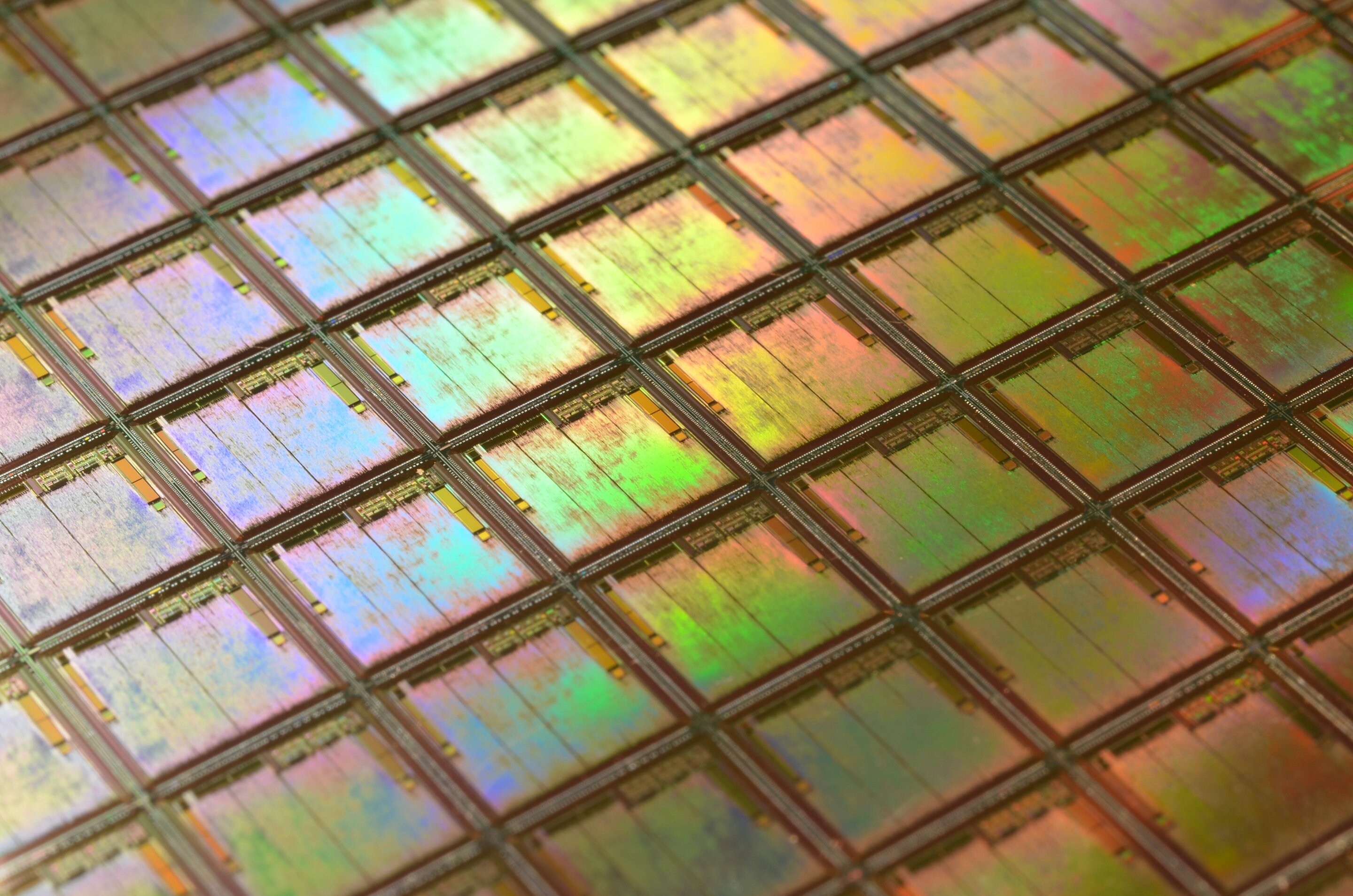
Scientists at the U.S. Department of Energy's Princeton Plasma Physics Laboratory are developing computer simulation codes to improve the production of microchips using plasma, aiming to reduce manufacturing costs and potentially revitalize the chip industry in the United States. By enhancing simulation techniques and addressing computational errors, the researchers hope to increase efficiency, lower costs, and stimulate innovation in microchip manufacturing.

"Quiet Star Merger: Unveiling the Origins of Betelgeuse"

Originally Published 2 years ago — by Space.com

Featured image for "Quiet Star Merger: Unveiling the Origins of Betelgeuse"
Source: Space.com

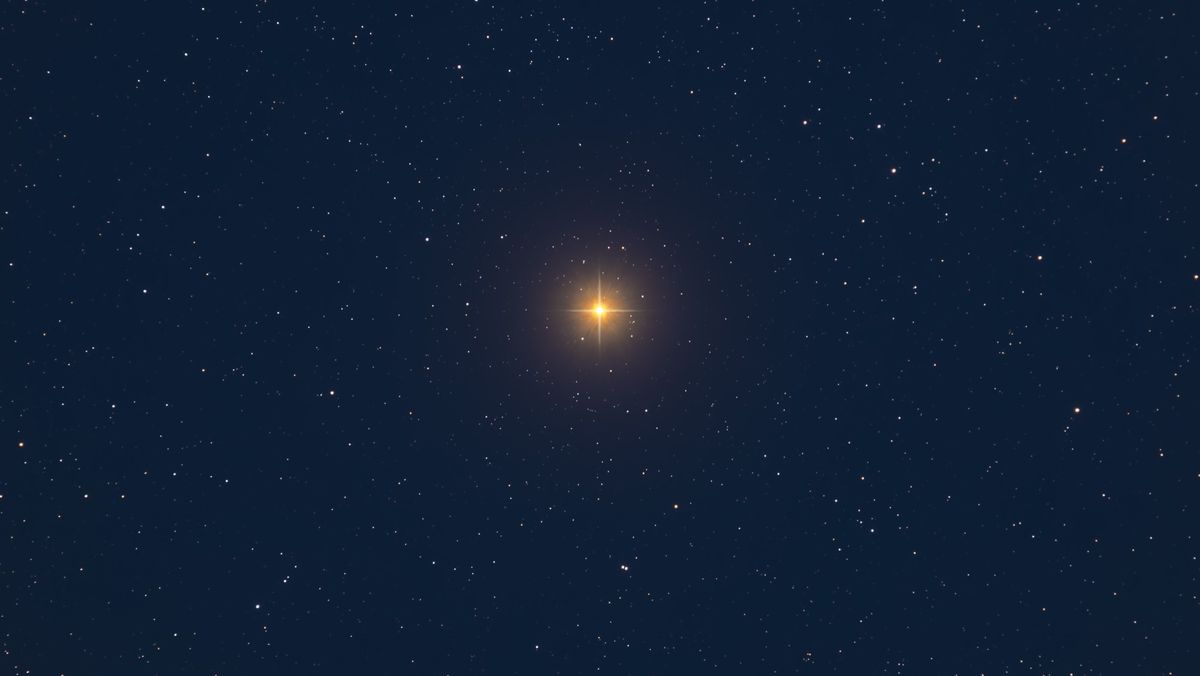
Betelgeuse, the second-brightest star in the Orion constellation, may have formed through the merger of two smaller stars, according to a computer simulation developed by astronomers. The simulation suggests that as the primary star aged and expanded into a red supergiant, its companion star funneled material onto itself, increasing its mass. Eventually, the companion star spiraled inward and merged with the primary star's helium core, releasing a significant amount of energy and ejecting some of the star's material into space. The merger mixed up the star's contents, resulting in the presence of heavier elements like nitrogen in its atmosphere. Direct evidence for this scenario may only be apparent when Betelgeuse explodes as a supernova in 50,000 to 100,000 years.

Unveiling the Origins of the Universe: Webb Telescope and Massive Simulations Illuminate the Early Cosmos

Originally Published 2 years ago — by SciTechDaily

Featured image for Unveiling the Origins of the Universe: Webb Telescope and Massive Simulations Illuminate the Early Cosmos
Source: SciTechDaily

Researchers have developed a computer simulation called the "Renaissance simulations" that accurately aligns with observations made by the James Webb Space Telescope (JWST) of the early universe. The simulation models early galaxy formations, including the formation of dark matter halos and the first stars in the universe. The findings show that the observed galaxies are consistent with current theoretical models, providing valuable insights into our understanding of the origins of the universe.

Unveiling the Origins of Galaxies: New Research Illuminates Early Formation

Originally Published 2 years ago — by Phys.org

Featured image for Unveiling the Origins of Galaxies: New Research Illuminates Early Formation
Source: Phys.org

Researchers have developed a computer simulation of the early universe that aligns with observations made by the James Webb Space Telescope (JWST). The simulation, called "Renaissance simulations," accurately models galaxy formation, including the formation of the first stars and dark matter halos. The findings suggest that the observations made by JWST are consistent with theoretical expectations, shedding light on early galaxy formation and potentially guiding future research on the growth of massive black holes in the early universe.

Advancements in Simulating the Universe Uncover Cosmological Shortcomings

Originally Published 2 years ago — by Livescience.com

Featured image for Advancements in Simulating the Universe Uncover Cosmological Shortcomings
Source: Livescience.com

The largest-ever computer simulation of the universe, carried out by the FLAMINGO project, reveals discrepancies in the distribution of matter in the cosmos. While previous simulations only considered dark matter, this new work also tracks ordinary matter. However, even with the inclusion of ordinary matter and extreme galactic winds, the simulation fails to explain the weak clumping of matter observed in the present-day universe. This suggests potential shortcomings in the standard model of cosmology or even the standard model of physics. The simulation may help identify errors in current measurements and could point to exotic properties of dark matter or a breakdown of our theory of gravity on the largest scales.

The Evolution of Stars: A Study of Brightness, Size, and Density.

Originally Published 2 years ago — by The Jerusalem Post

Featured image for The Evolution of Stars: A Study of Brightness, Size, and Density.
Source: The Jerusalem Post

The first stars in the universe were 10,000 times larger than the sun and significantly brighter, but died young compared to stars today, according to a new study by Cornell University. Astrophysicists used computer simulations of the Dark Ages to discover interactions that preceded the formation of the first-ever star. Once supernovas occurred, the stars would break apart with heavier elements, which prevented these stars from ever reforming.