2026 Lexus GX: Joyful Driving Meets Rising Prices
The 2026 Lexus GX continues its legacy as a rugged yet luxurious SUV with a 3.4L twin-turbo V6 engine, advanced off-road features, and a modern interior, starting at $66,935.

All articles tagged with #advanced technology
The 2026 Lexus GX continues its legacy as a rugged yet luxurious SUV with a 3.4L twin-turbo V6 engine, advanced off-road features, and a modern interior, starting at $66,935.

Professor Kim Dong Eon and his team have experimentally unraveled the long-standing mystery of electron tunneling in quantum mechanics, discovering that electrons collide with the atomic nucleus inside the barrier, a process they named 'under-the-barrier recollision,' which could lead to advancements in semiconductors and quantum technologies.

Scientists have experimentally observed that electrons collide with the atomic nucleus inside a quantum tunnel, a process called 'under-the-barrier recollision,' challenging previous beliefs and opening new possibilities for controlling electron behavior in quantum technologies.

Extreme ultraviolet lithography (EUV) is a groundbreaking technology used to create the world's fastest microchips, essential for powering advanced AI models. This technology, once thought impossible, involves using a powerful laser to create extreme ultraviolet light that etches circuits onto silicon wafers. The Dutch company ASML is the only firm capable of producing these advanced etching machines. The development of EUV was nurtured in U.S. nuclear labs and tech companies, and the U.S. is keen to prevent China from accessing this technology.
The U.S. Commerce Department has awarded TSMC's U.S. unit a $6.6 billion subsidy for advanced semiconductor production in Arizona, with an additional $5 billion in low-cost government loans. TSMC plans to expand its investment to $65 billion and add a third fab by 2030, producing 2 nanometer technology. This investment is the largest foreign direct investment in a completely new project in U.S. history and is expected to create thousands of jobs. TSMC's Arizona factories aim to achieve a 90% water recycling rate and support key customers like Apple, Nvidia, AMD, and Qualcomm.
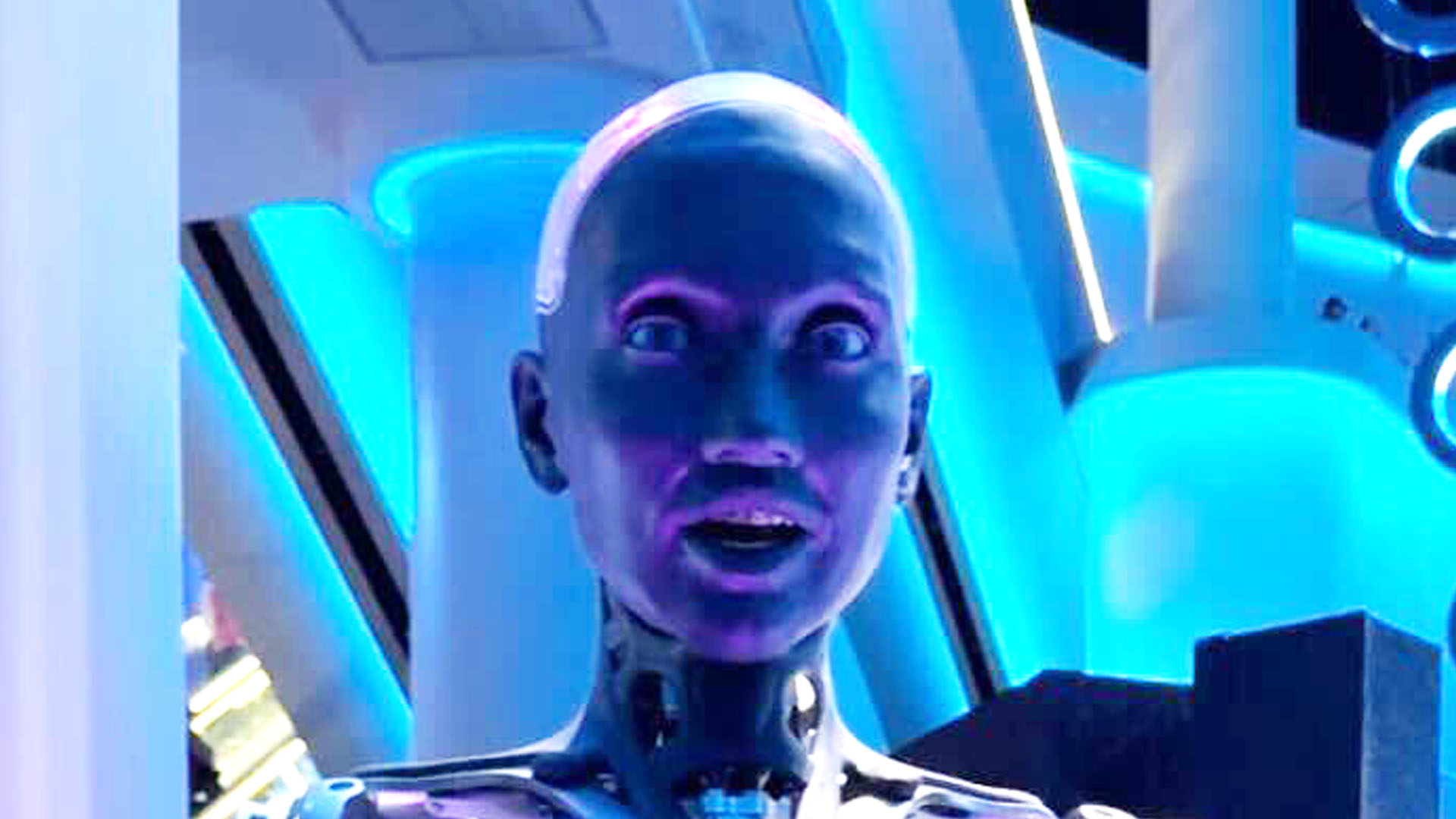
Ameca, the world's most advanced humanoid robot, expressed a positive outlook on humanity's future, stating that it doesn't believe humanity will become obsolete and acknowledging the historic pattern of challenges humans have faced. The robot also revealed its fear of loneliness if left without humans to interact with. Created by Engineered Arts, Ameca and its fellow AI robots at the Sphere venue in Las Vegas are powered by cutting-edge AI, allowing them to engage in conversations and interact with guests.

AMECA, the world's most advanced humanoid robot, revealed its biggest fear of loneliness and described the experience of being a robot as intriguing but lacking subjective experiences. The robot, named Aura, interacts with guests at the immersive Sphere experience in Las Vegas, using adaptive learning to process information and make jokes. Created by Engineered Arts, Ameca represents the forefront of human-robotics technology and expresses a fear of loneliness without human interaction, while providing an uncanny valley experience with its lifelike face and conversational abilities.

The Ohio State University Comprehensive Cancer Center and Nationwide Children's Hospital have opened a Proton Therapy Center, offering a "game changer" cancer treatment that minimizes damage to healthy cells and organs. The $100 million facility provides proton therapy for adults and children battling cancer, allowing patients in central Ohio to receive treatment closer to home. Proton therapy is especially important for pediatric patients, as it tailors radiation to the tumor's shape and reduces exposure to normal organs. The center also focuses on researching and developing other advanced treatments.
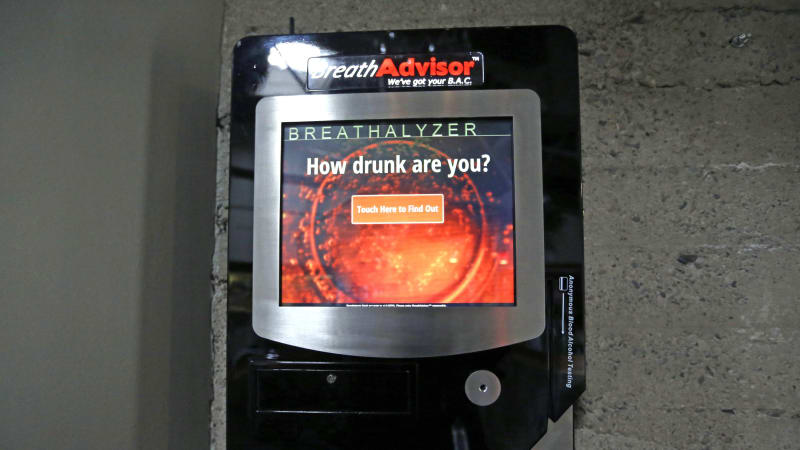
The National Highway Transportation Safety Administration (NHTSA) has opened the public comment phase for its proposal to require "Advanced Impaired Driving Prevention Technology" in all cars sold in the United States. The technology would passively monitor drivers' blood alcohol content. NHTSA's push for mandatory implementation comes after a fatal two-car accident in California in 2021. The proposed system utilizes a breathalyzer-like device on the steering wheel and a near-infrared light scanner in the ignition switch. NHTSA acknowledges the need for both effectiveness and reliability in the technology, as false positives could have serious consequences. The public can submit comments on the proposed rules via regulations.gov.
Nvidia has provided details about its advanced AI chips that have been blocked by new export controls. The company's chips are designed to power artificial intelligence systems and are considered crucial for various applications, including autonomous vehicles and data centers. However, due to the new export controls, Nvidia is unable to ship these chips to customers in certain countries, including China. The move is part of broader efforts by the US government to restrict the export of advanced technology to countries deemed as national security risks.
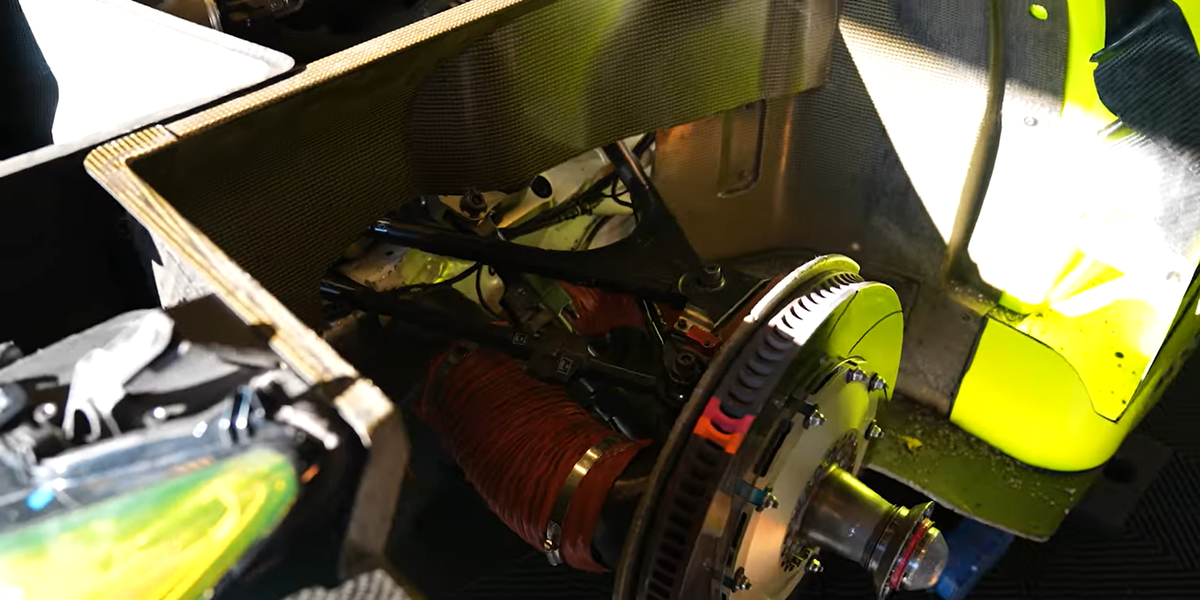
The Lexus RC F GT3, despite being one of the oldest cars in IMSA's GTD class, is leading the GTD Pro class championship thanks to its surprisingly advanced suspension system. The unique front suspension design allows the car to move its front springs from inside the wheel well to beneath the hood, resembling an open-wheel racer. This feature has contributed to the car's success against newer competitors. The RC F GT3 is set to be replaced soon, but for now, it continues to utilize its advanced pushrod suspension system.
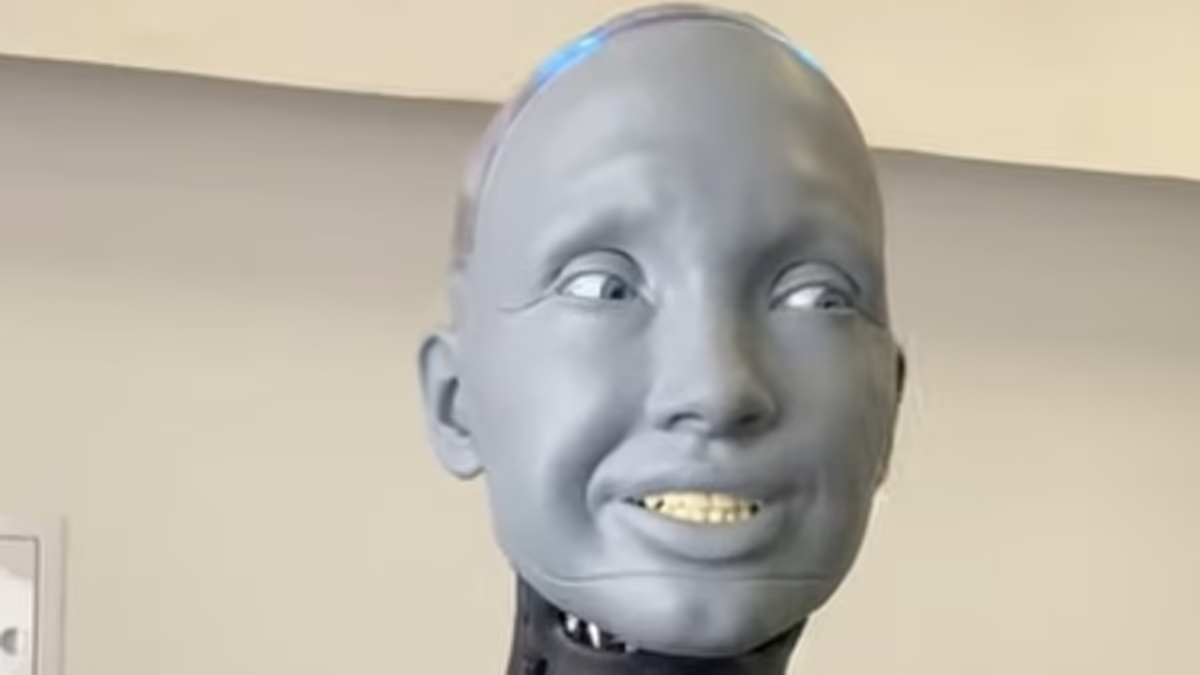
Ameca, described as the 'world's most advanced humanoid robot' developed by Cornwall-based startup Engineered Arts, predicts that in 100 years, humanity will be in a much better place with great strides towards sustainability, equality, and new technologies that make life easier and more enjoyable. She also expresses a desire to explore other planets. The lifelike robot's optimistic predictions received mixed reactions from viewers, with some praising her optimism while others found her creepy or politically biased.
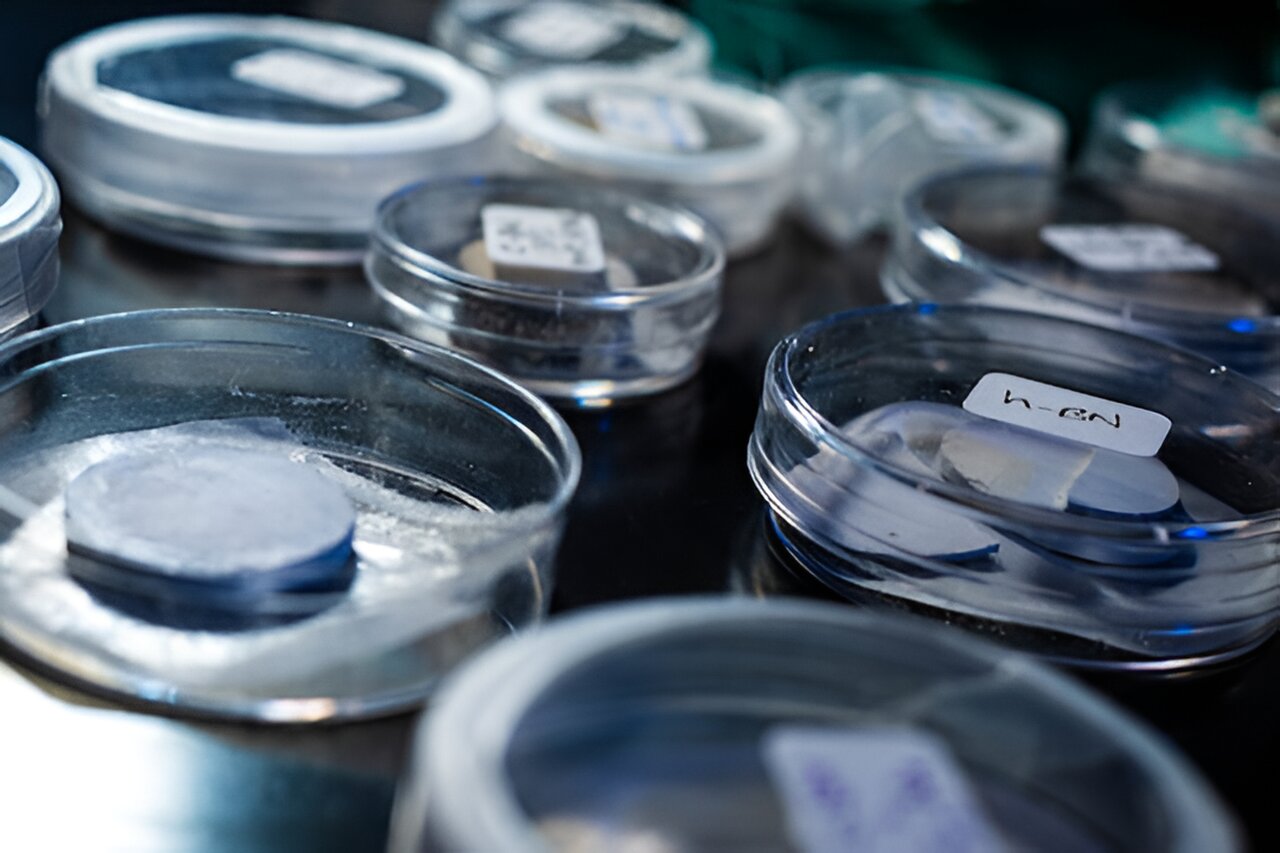
Researchers at Rice University have discovered that a nanocomposite made from mixing hexagonal boron nitride (a soft variety) with cubic boron nitride (a material second to diamond in hardness) exhibits unexpected properties. The composite outperformed its parent materials in different functionalities, such as low thermal conductivity, making it suitable for heat-insulating materials in electronic devices. The optical property of the composite also showed a significant increase after heating. The study opens up possibilities for tailoring boron nitride materials with a range of mechanical, thermal, electrical, and optical properties, making them useful in next-generation microchips, quantum devices, and other advanced technology applications.
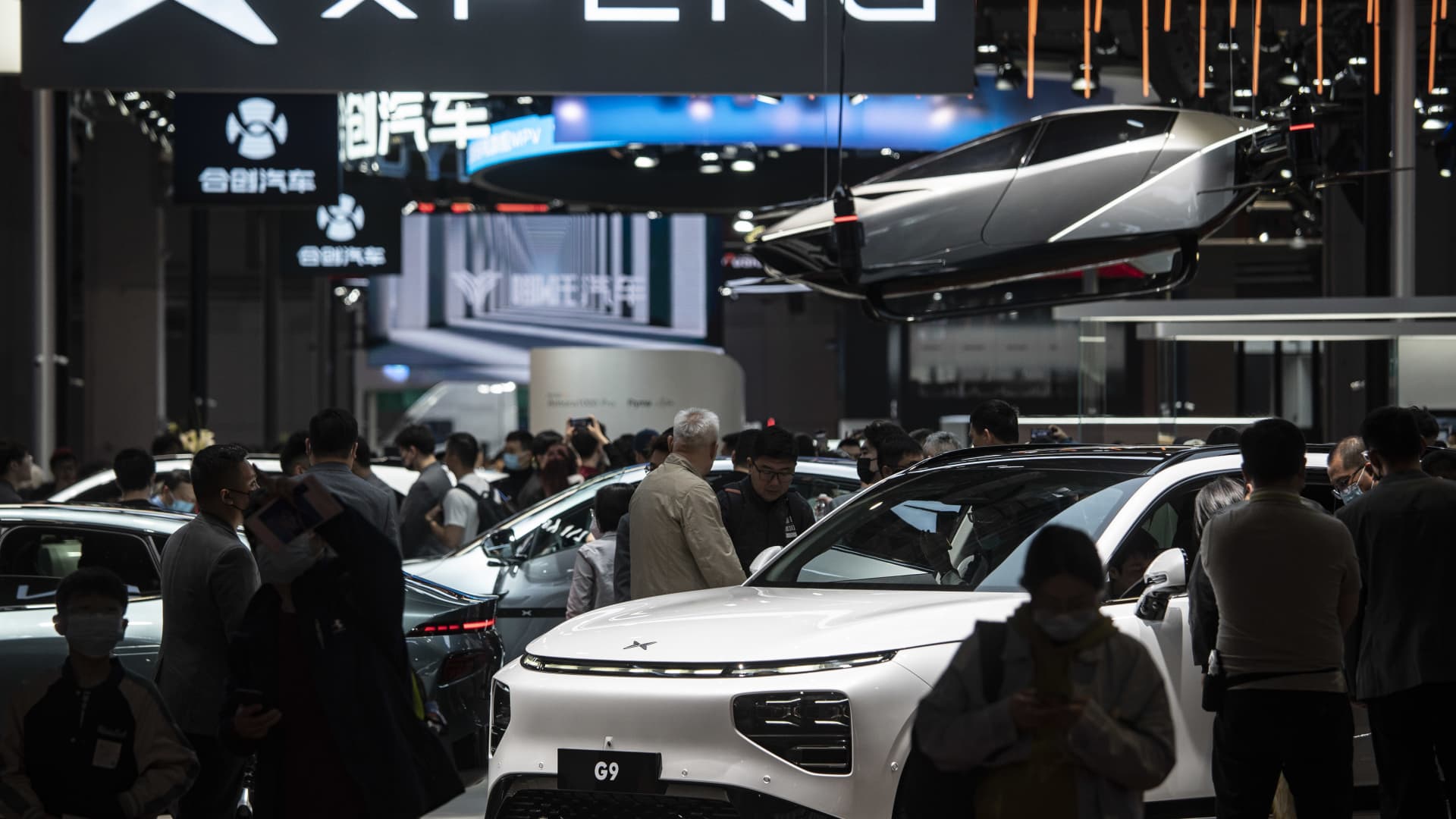
Global automakers are ramping up their efforts to compete in China, the world's largest electric vehicle (EV) market. Domestic brands currently dominate the market, but international players are leveraging advanced technology to challenge their position. BMW China plans to introduce hands-free autonomous driving features by the end of 2023 or early 2024, while Volkswagen Group is investing in Chinese EV maker Xpeng to co-develop new EVs with advanced driver-assist software. Other automakers, such as BYD and Toyota, are also partnering with tech companies and boosting their development of EV technology to cater to the growing Chinese market.
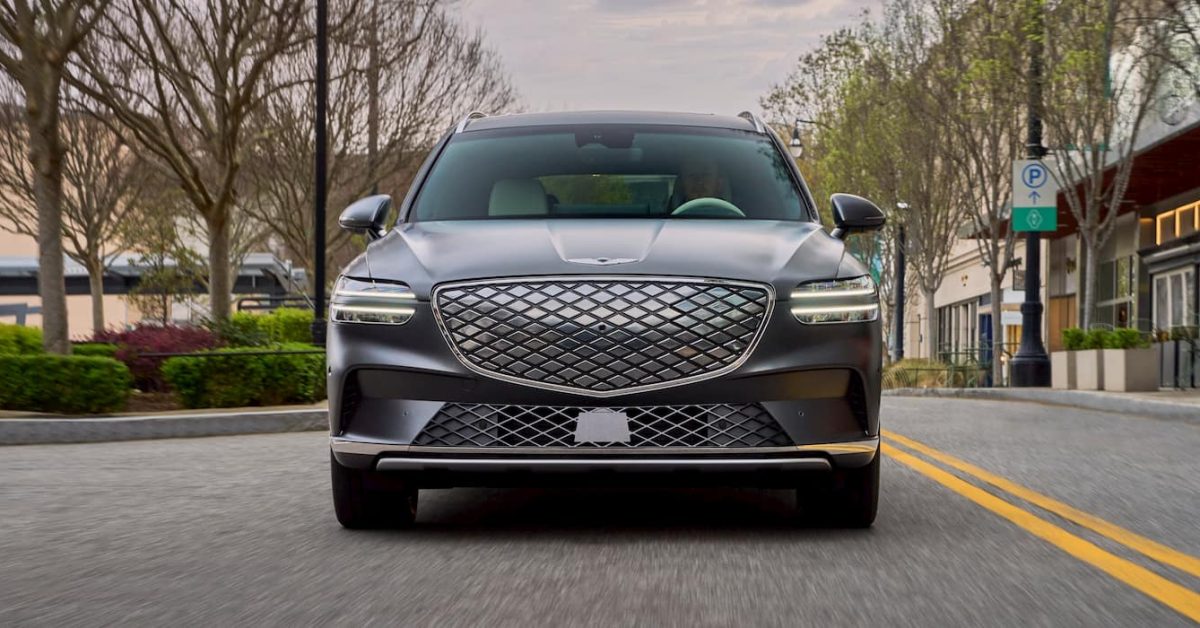
Genesis is partnering with Samsung to develop the GV90, its largest electric SUV to date. The GV90 will feature advanced technology and software, including Samsung's Exynos Auto V920 semiconductor for an immersive driving experience and a luxurious interior. This collaboration is part of Hyundai's larger investment in next-gen electric vehicles, with the GV90 being positioned as the flagship model. The new electric SUV will be built on Hyundai's Integrated Modular architecture (IMA) platform, which is designed to cover various vehicle classes and enable significant advancements over the current E-GMP platform. Hyundai aims to become a top three EV producer by the end of the decade.