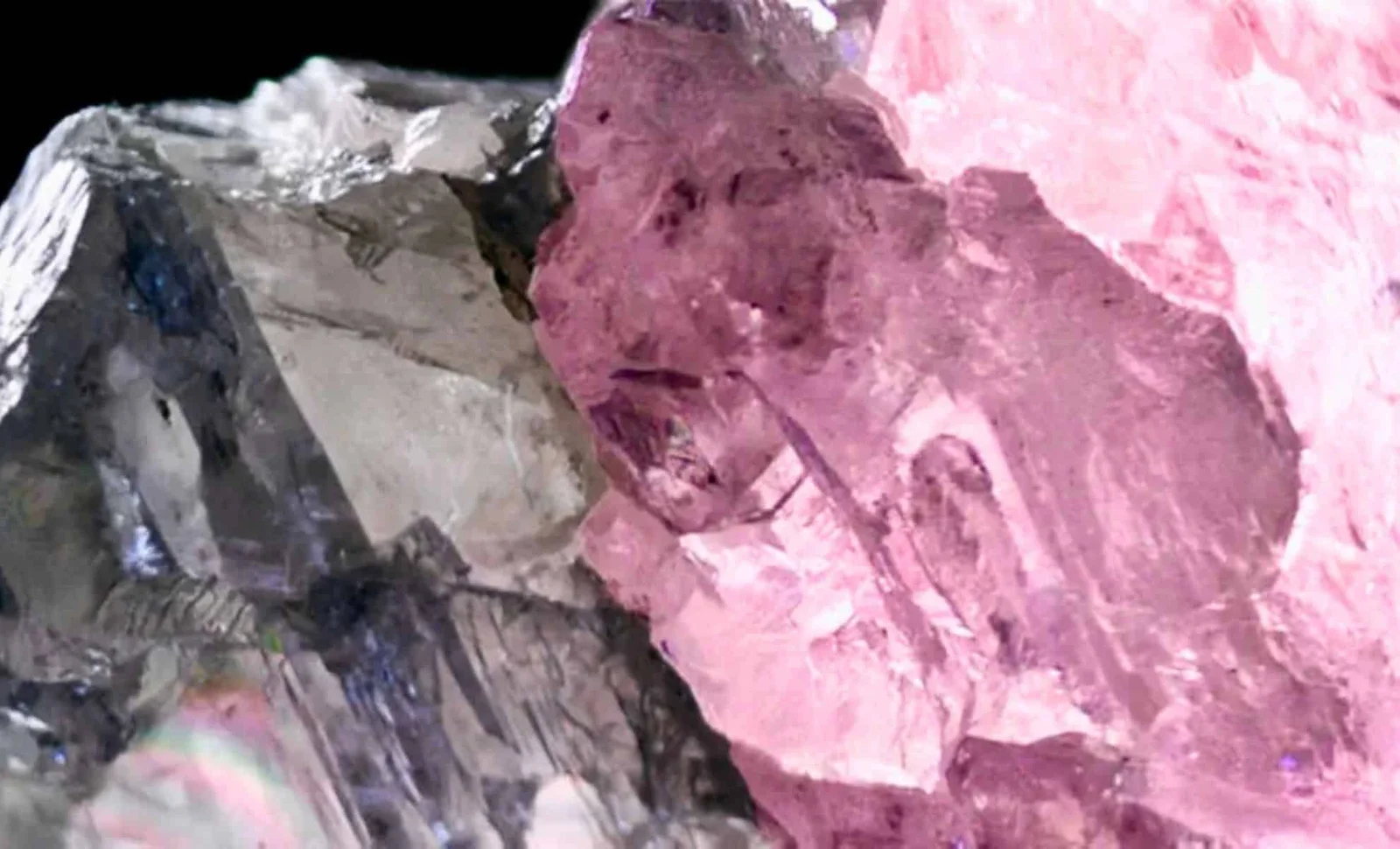
A rare 37.4-carat diamond discovered in Botswana exhibits a unique dual structure, with one half pink and the other colorless, revealing insights into its two-stage formation process and deep mantle geological conditions, linked to tectonic rifting events.
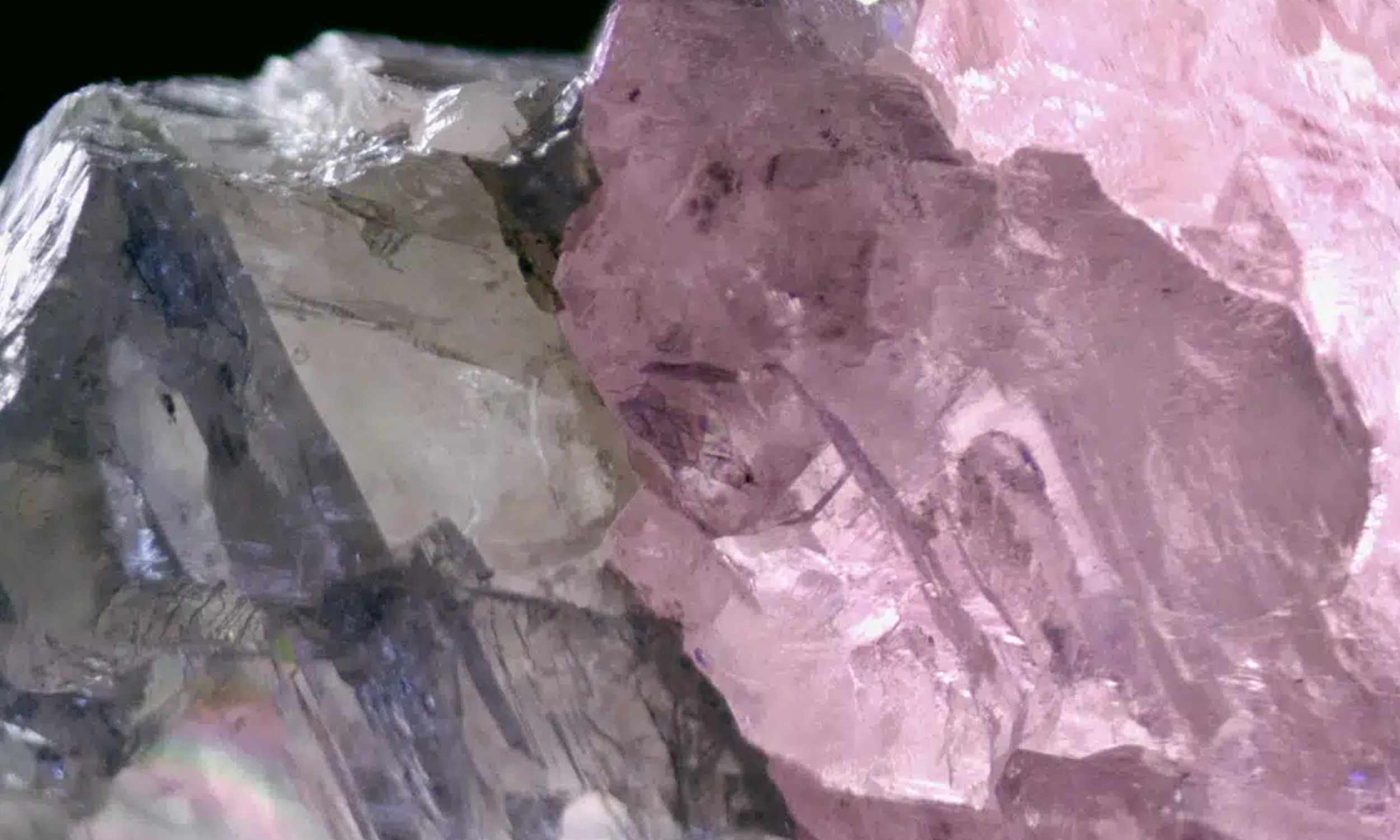
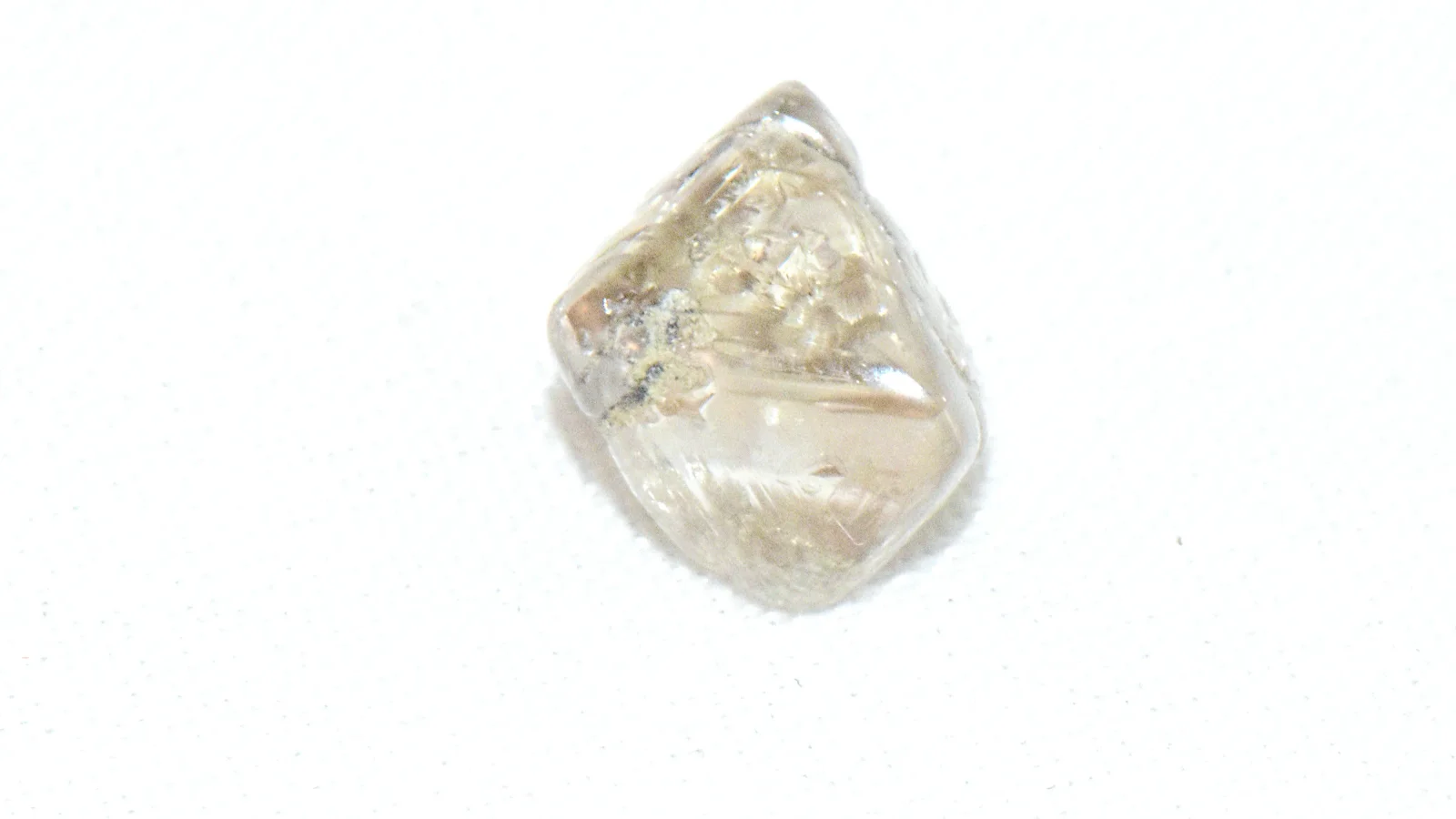
A rare 37.4-carat rough diamond split evenly between pink and colorless was discovered in Botswana's Karowe mine, providing valuable insights into diamond formation and the geological processes that create unique colors, especially pink, due to structural deformation. The find offers a natural record of Earth's ancient crustal movements and deformation history, aiding scientific understanding of diamond color origins and geological history.
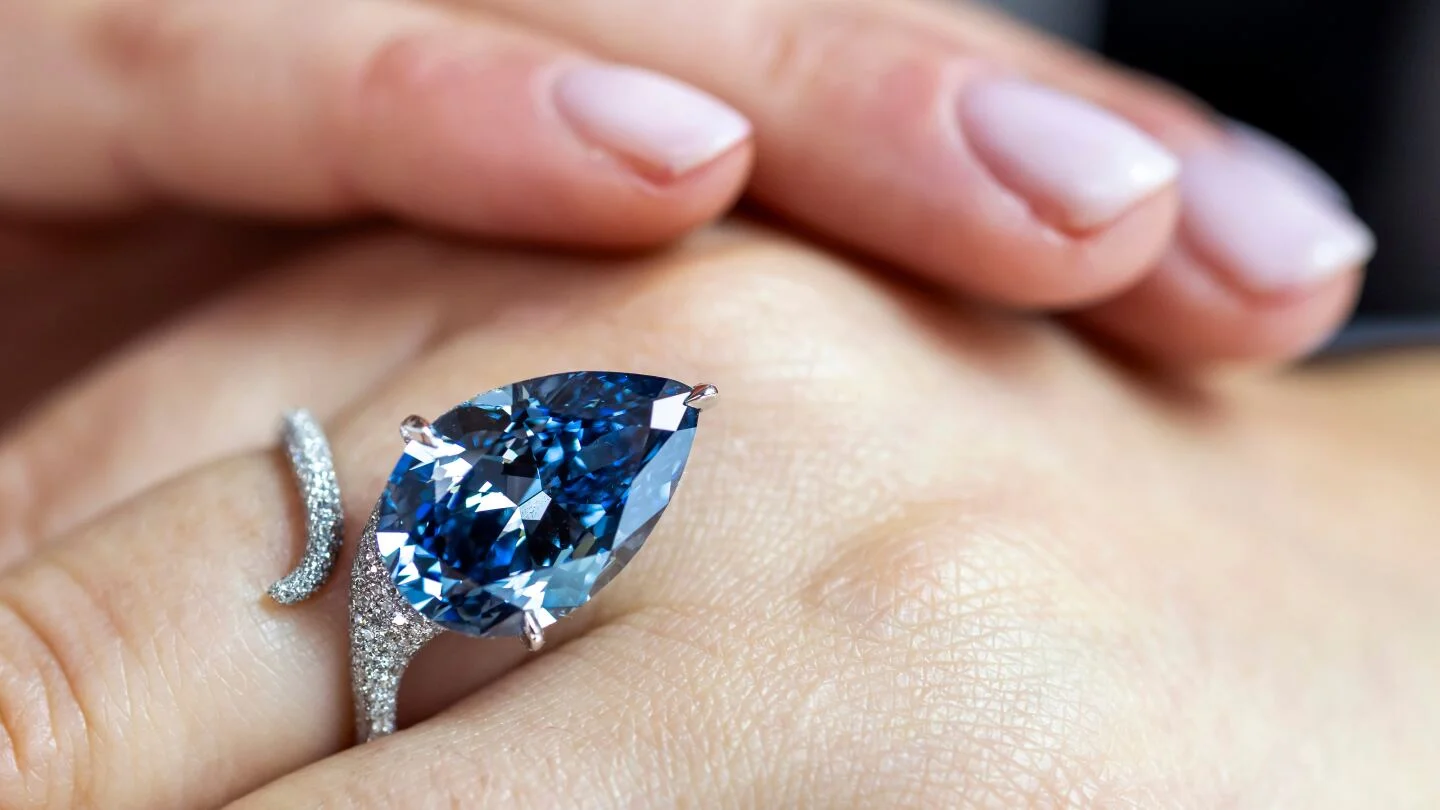
The 'Mellon Blue' diamond, a nearly 10-carat blue gem named after Rachel Mellon, sold for $25.6 million at a Swiss auction, reflecting market caution amid geopolitical tensions, and marking a significant but lower-than-expected sale compared to past records.
A nearly 10-carat blue diamond called 'Mellon Blue' sold for $26.6 million at Christie's auction in Switzerland, reflecting market caution amid geopolitical tensions, and was previously sold for $32.6 million in 2014. The gem is renowned for its shape and color, and the auction was part of a two-day jewelry event in Geneva.
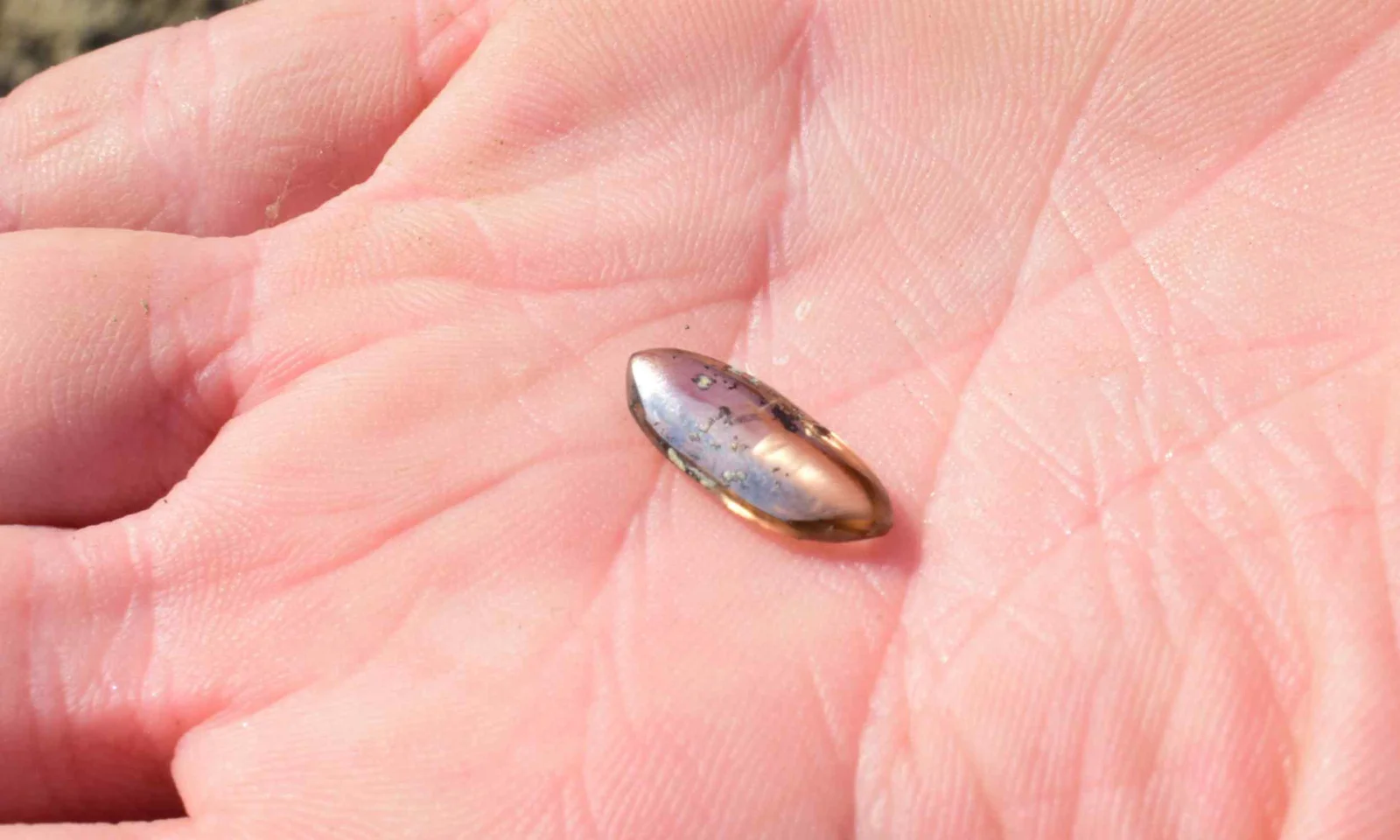
A family in Arkansas found a 2.79-carat brown diamond at Crater of Diamonds State Park using simple tools, highlighting the park's unique geology and the natural history of diamonds formed deep within the Earth. The discovery underscores the park's status as a rare public source of diamonds and the importance of patience and technique in gemstone hunting.
Scientists have experimentally observed a new phase called the time 'rondeau' crystal, where long-range temporal order coexists with short-term disorder in nuclear spins within diamond, demonstrating a novel form of non-equilibrium matter that combines predictable periodic behavior with controllable randomness.
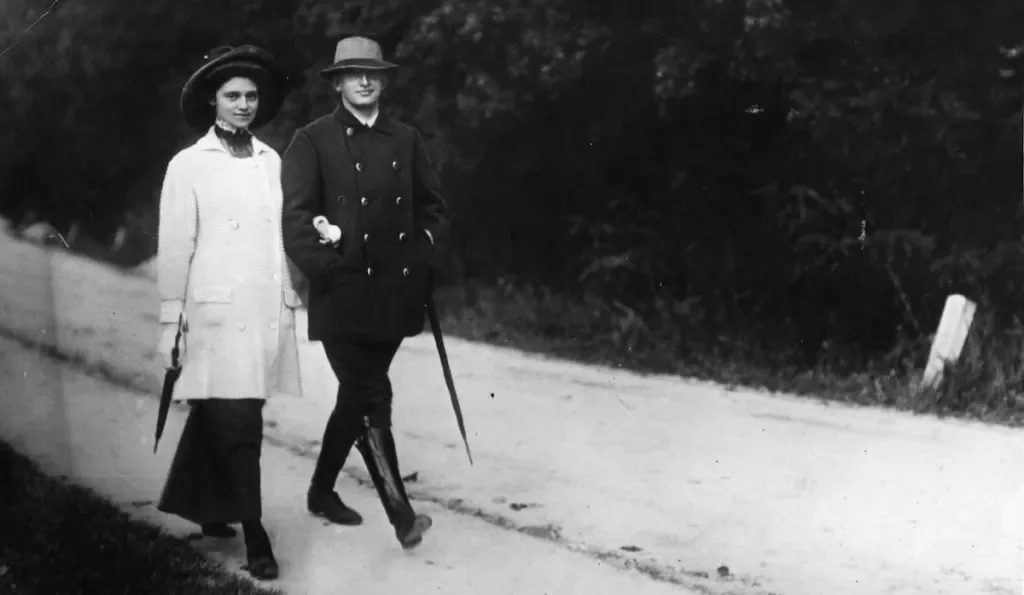
A 137-carat Florentine Diamond, once owned by European royal families and thought to have vanished, was discovered in a Canadian bank vault after being kept secret for nearly a century due to family vows. The Habsburg descendants revealed the diamond's location and expressed interest in exhibiting it publicly in Canada, emphasizing its historical significance.
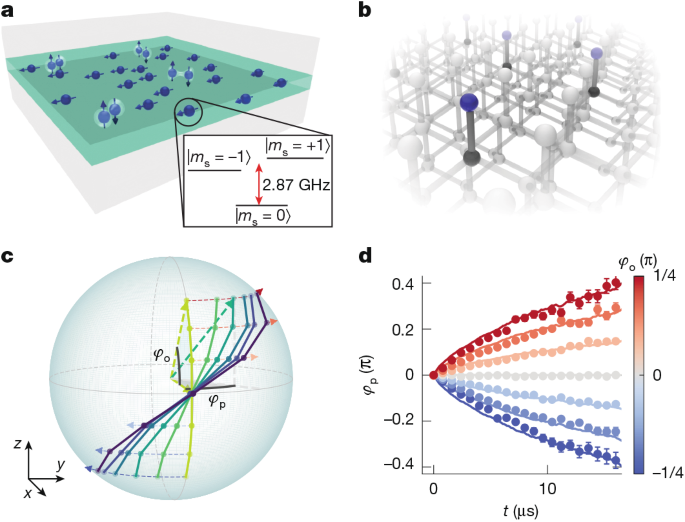
The article reports on the achievement of spin squeezing in an ensemble of nitrogen-vacancy centers in diamond, demonstrating enhanced quantum sensing capabilities through entanglement and reduced quantum noise, with data available at Harvard Dataverse.
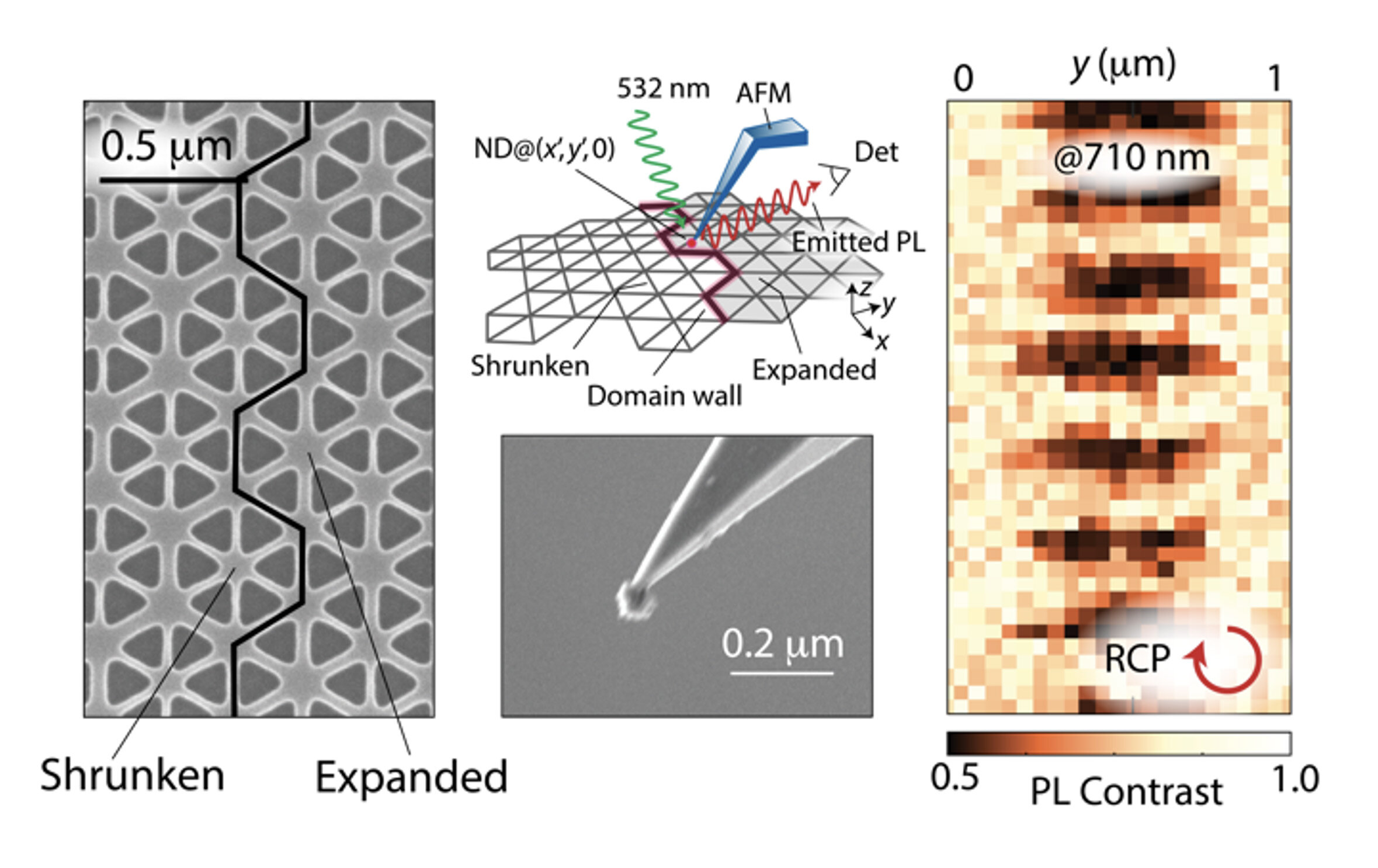
Researchers at The City College of New York discovered that nitrogen-vacancy (NV) centers in diamond can interact with engineered photonic structures in novel ways, enabling new coupling mechanisms that could advance quantum information technologies and sensing applications, including detecting chiral molecules.
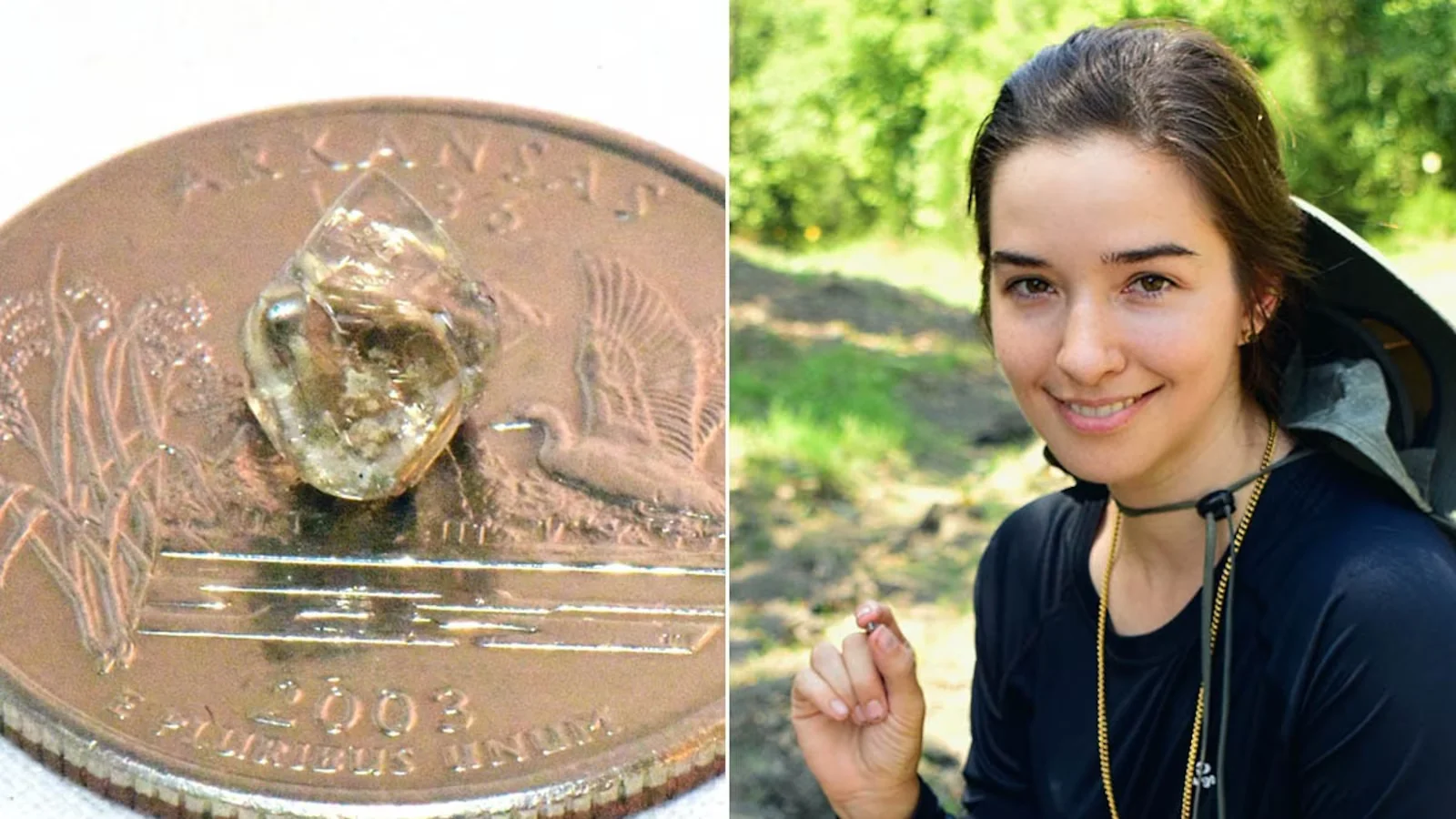
Micherre Fox, a woman from Manhattan, spent three weeks at Arkansas' Crater of Diamonds State Park searching for a diamond and unexpectedly found a 2.3-carat white diamond, which she plans to use for her engagement ring, symbolizing her commitment and hard work.
A woman from New York, Micherre Fox, spent three weeks at Arkansas's Crater of Diamonds State Park and found a 2.3-carat diamond, which she plans to use for her engagement ring, highlighting the park as a unique gem-hunting destination.
A woman from New York found a 2.30-carat diamond at Crater of Diamonds State Park in Arkansas after weeks of searching, which she plans to use for her engagement ring, highlighting the park's history of gemstone discoveries.
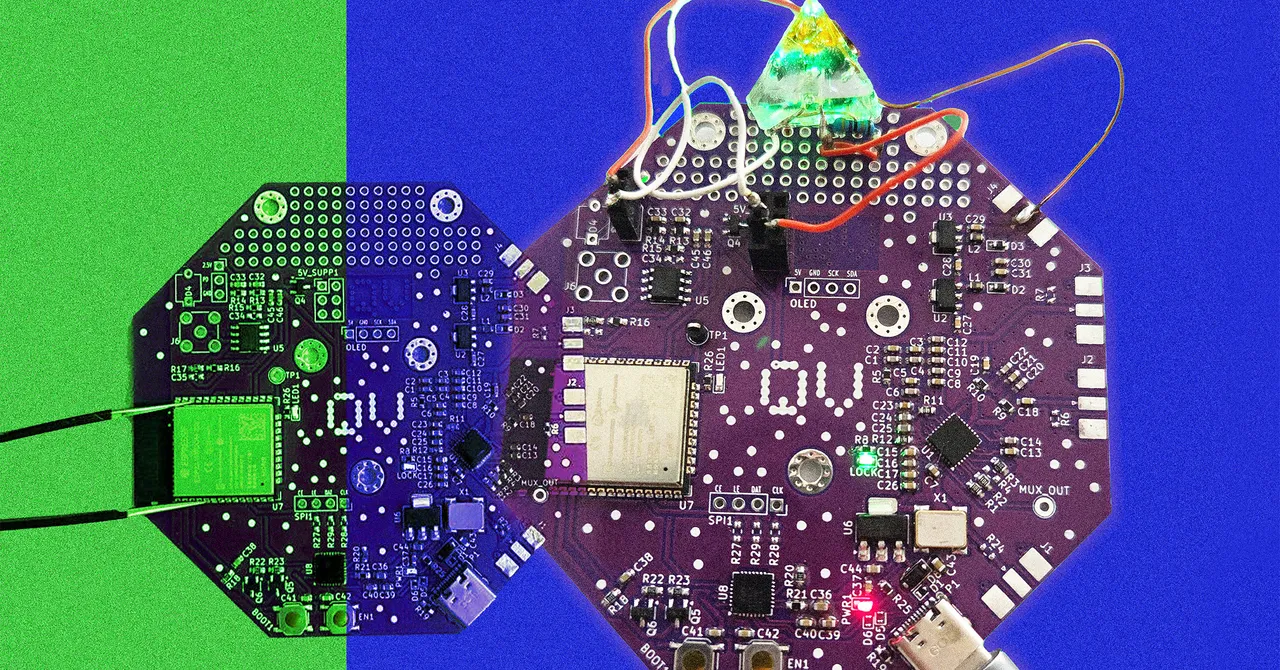
Researchers are developing an open source quantum sensor using a special diamond, aiming to make quantum technology more affordable and accessible for applications like medical tech and navigation.
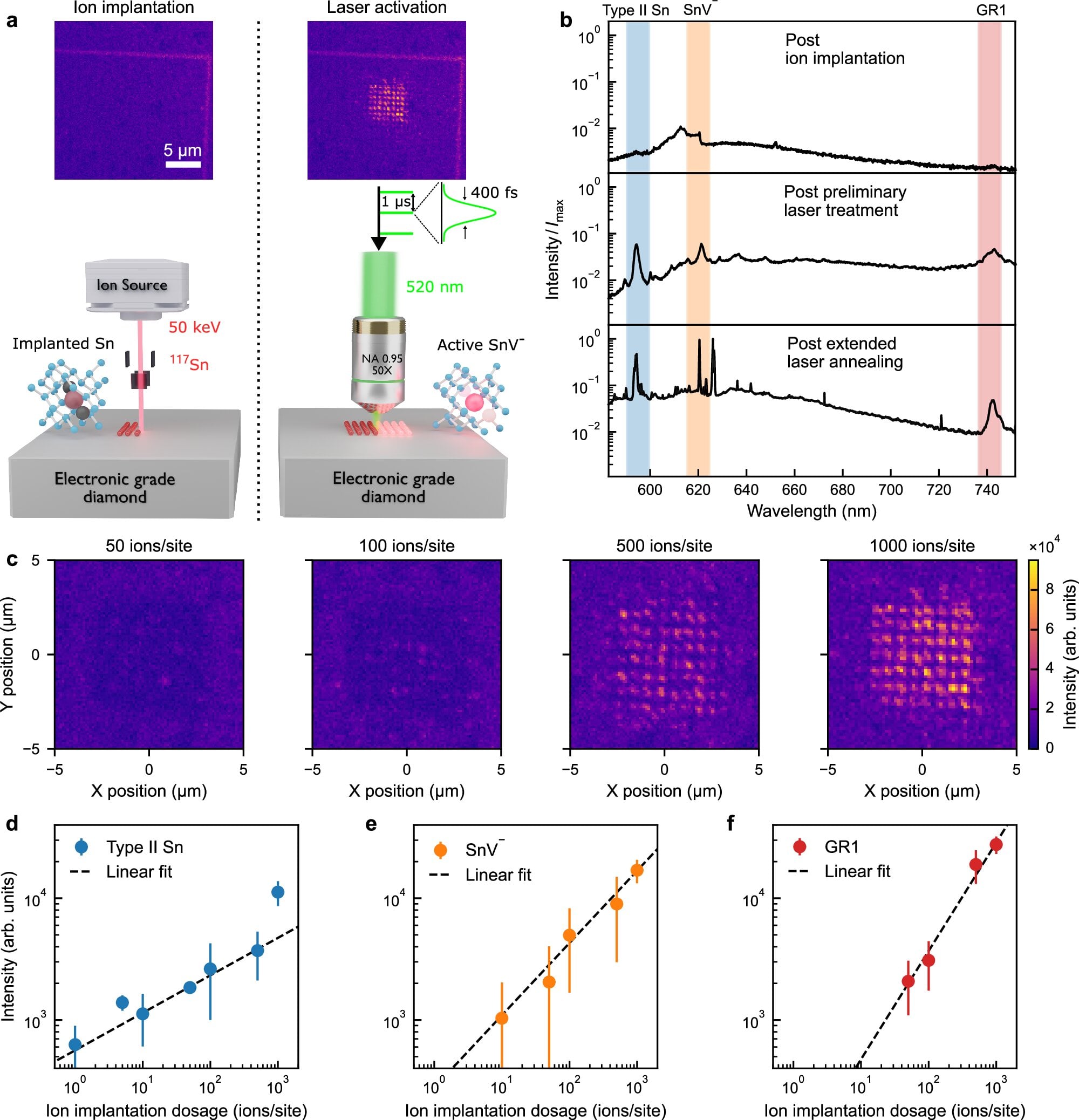
Researchers from Oxford, Cambridge, and Manchester developed a precise two-step method to engineer and monitor individual quantum defects in diamond, specifically tin-vacancy centers, using focused ion beams and ultrafast laser pulses with real-time feedback, advancing scalable quantum technologies.
Scientists have developed a diamond-based battery using carbon-14 that can last up to 5,700 years without recharging, offering a safe, sustainable power source for long-term applications like space probes and medical implants, though widespread adoption faces regulatory and public perception challenges.