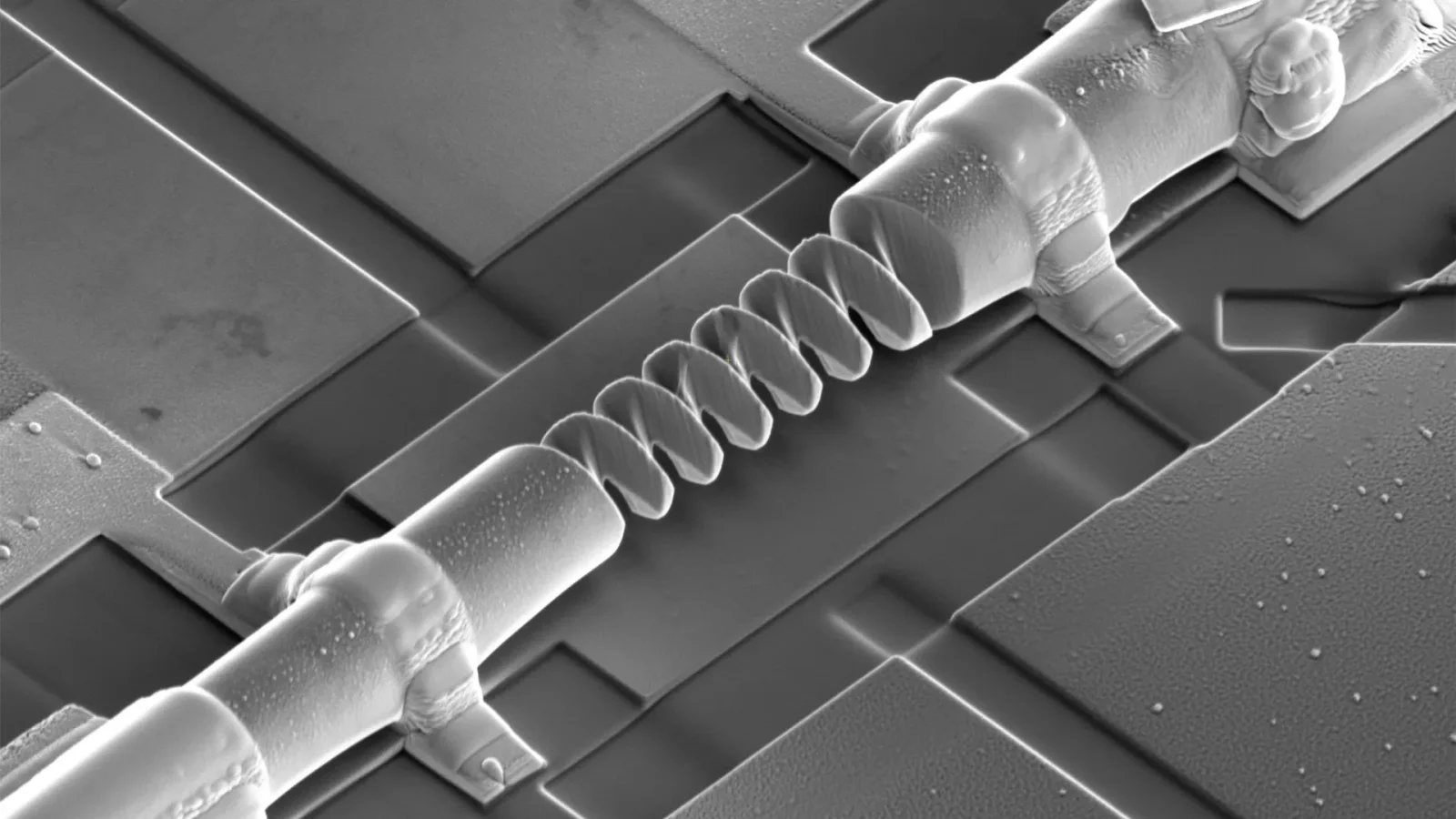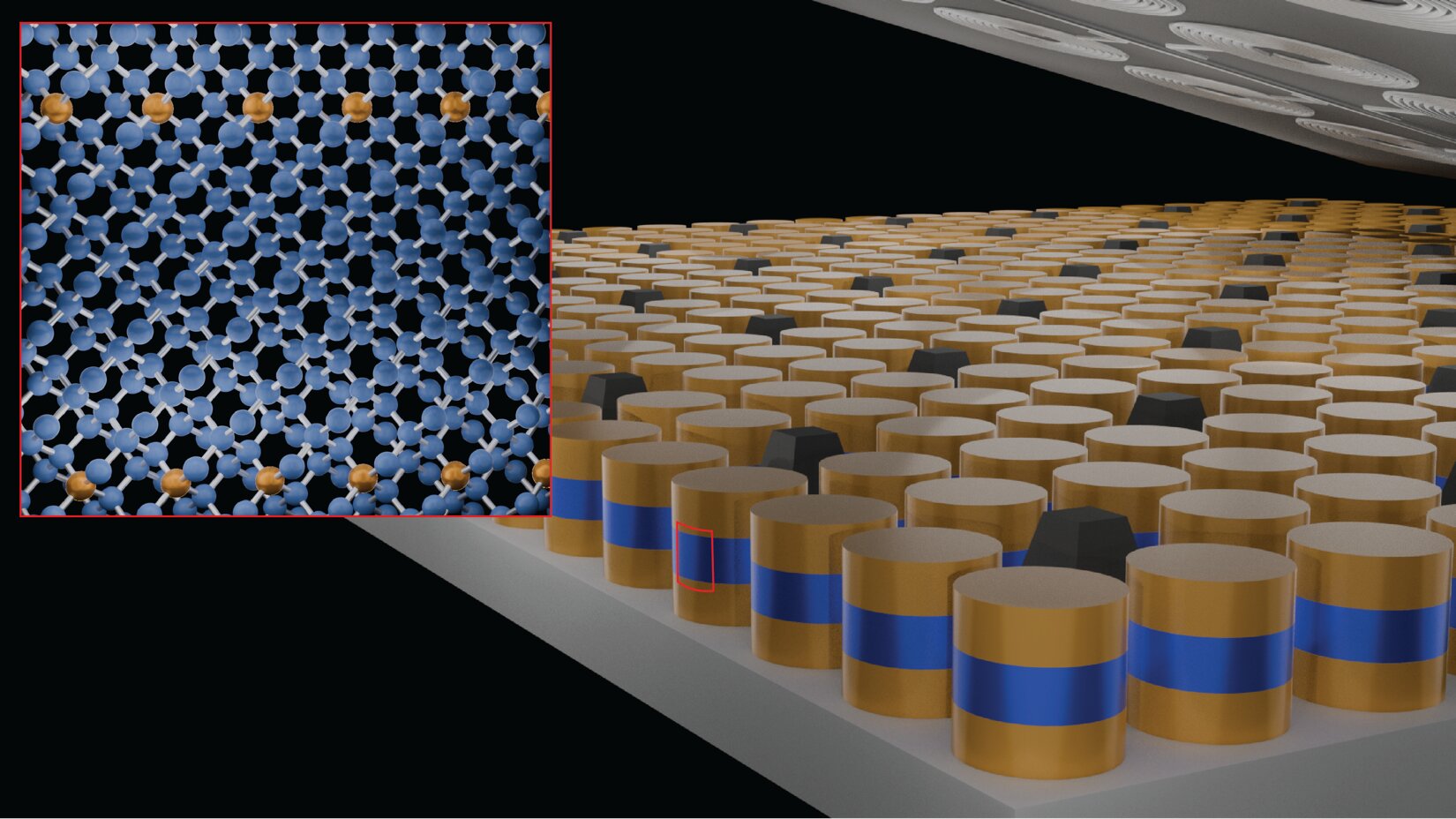
The article discusses how diamonds are playing a crucial role in advancing quantum technology, highlighting their unique properties that enable new developments in quantum computing and related fields.
Modern winter jackets utilize centuries-old physics principles—conduction, convection, and radiation—enhanced by innovative materials like breathable membranes, reflective layers, and ultralight insulations to effectively trap heat, block wind, and manage moisture, resulting in lighter, warmer, and more comfortable winter wear.
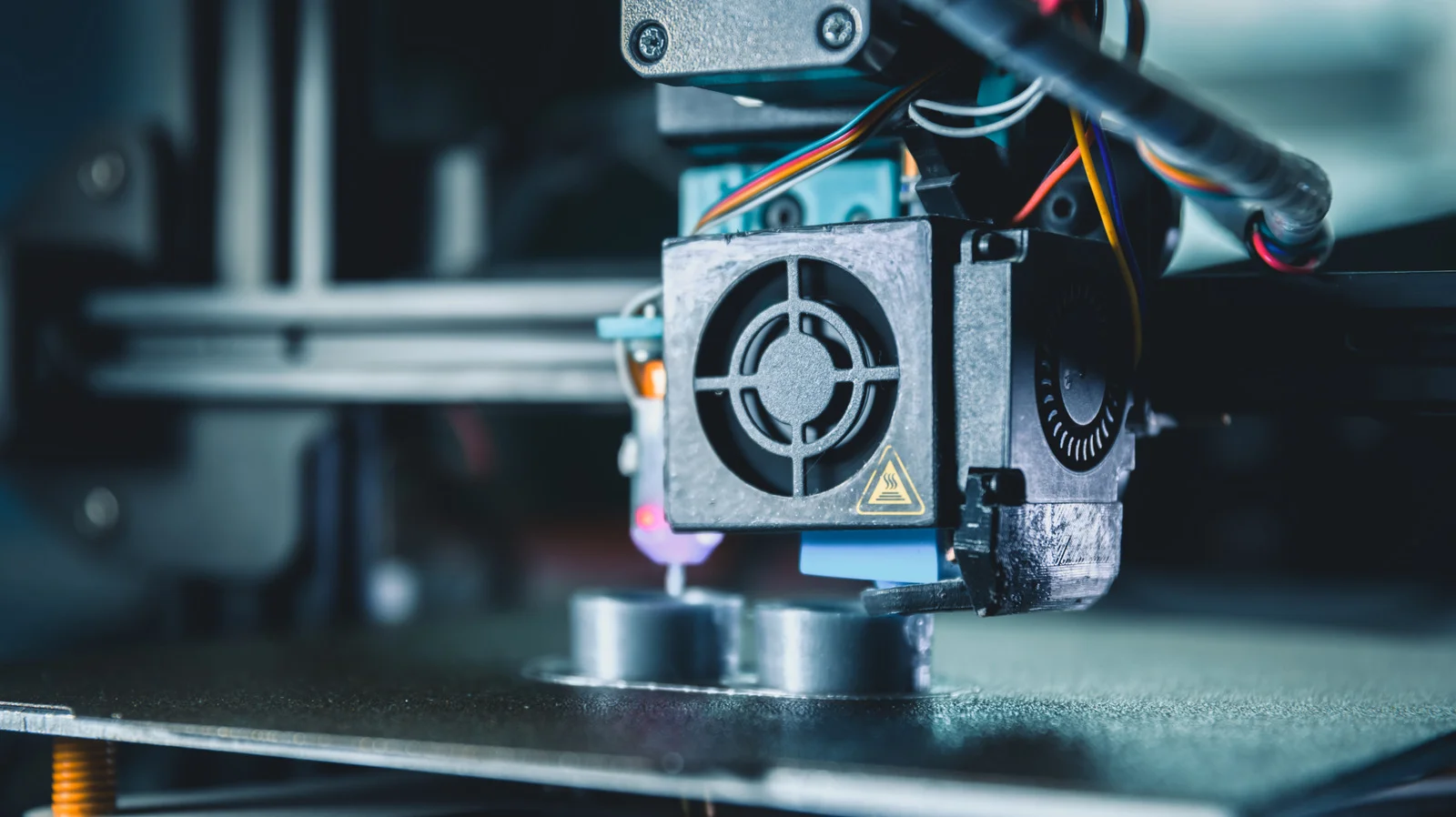
A designer explores integrating origami techniques into 3D printed parts, creating flexible and strong structures by modifying fold lines and using offset panels, pushing the boundaries of what is possible with 3D printing.
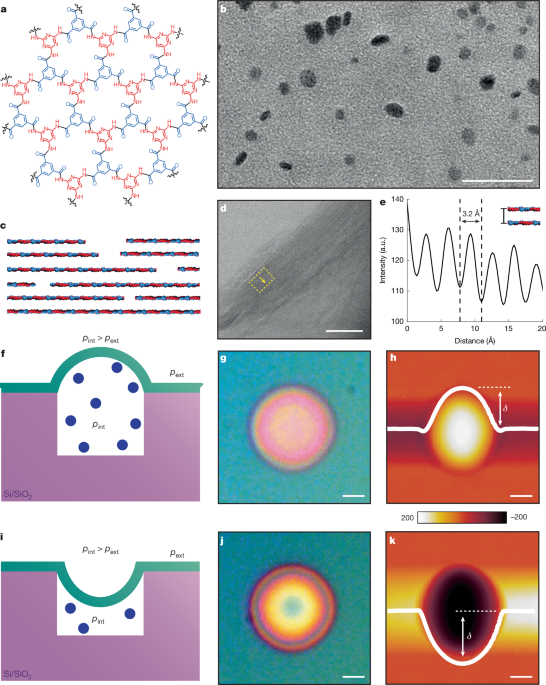
Researchers developed a highly impermeable, molecularly stable polymer from two-dimensional polyaramids, characterized by advanced microscopy, spectroscopy, and gas adsorption techniques, demonstrating its potential for barrier applications due to its robust amide bonds and ordered structure.
Physicists have identified polarons—quasiparticles formed by electrons and atoms—as the cause behind the loss of electrical conductivity in certain quantum materials, specifically in a thulium-based compound. This discovery, made through detailed measurements and modeling, could advance the development of new materials like room-temperature superconductors.
Scientists developed a trillionth-of-a-second camera, called vsPDF, using neutron technology to capture atomic movements in materials like germanium telluride, revealing insights into dynamic disorder that could improve thermoelectric materials and energy devices.
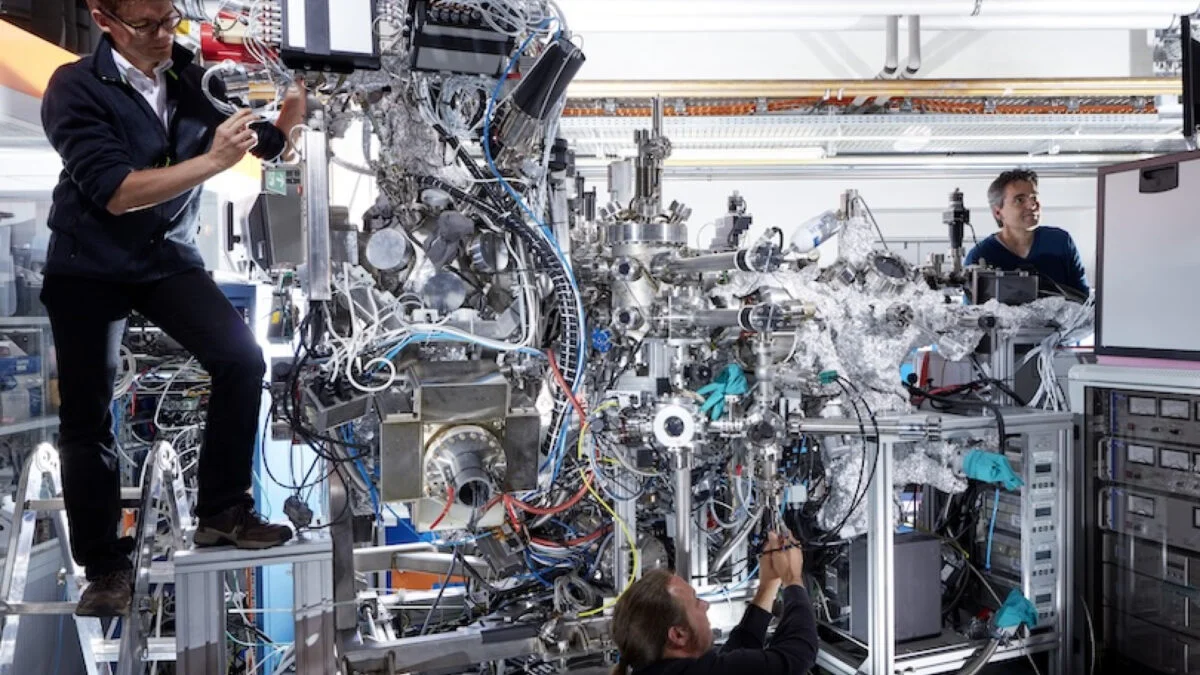
Scientists have developed a new form of germanium that is superconducting at very low temperatures, achieved by precise doping with gallium using molecular beam epitaxy, potentially revolutionizing quantum devices and energy-efficient electronics.
Miranda Schwacke, a materials science PhD student at MIT, is researching brain-inspired, energy-efficient AI hardware using novel electrochemical devices, driven by her curiosity about materials properties and her passion for using science to improve the world.
Researchers at Penn State developed seven new high-entropy oxide ceramics by controlling oxygen levels during synthesis, stabilizing metals like iron and manganese in the desired structure, with potential applications in energy, electronics, and coatings.
Researchers have developed a sodium-based solid-state battery that performs reliably from room temperature to below freezing, offering a cheaper and more environmentally friendly alternative to lithium batteries, and advancing the field of energy storage technology.
MIT researchers discovered persistent, non-equilibrium atomic patterns in metals produced through conventional manufacturing, challenging previous assumptions that such patterns are insignificant or erased during processing. Using advanced simulations and models, they found that defects called dislocations influence atomic arrangements, which can affect the properties of metals, opening new avenues for material design and engineering applications.
Scientists at the University of Minnesota and University of Houston have developed a new technique called Isopotential Electron Titration (IET) to directly measure the tiny fraction of an electron involved in catalytic processes, providing new insights into how catalysts like gold, silver, and platinum work, which could lead to more efficient and cost-effective manufacturing of fuels, chemicals, and materials.
Periodic Labs, founded by former OpenAI and DeepMind researchers, has raised $300 million in seed funding to develop autonomous laboratories that use AI to automate scientific discovery, starting with inventing new superconductors and collecting data to accelerate materials research.
The article discusses a novel method of synthesizing high-entropy alloys using isothermal solidification, supported by in situ TEM experiments and extensive characterization, highlighting advances in nanoparticle synthesis and materials engineering.
MIT researchers developed SCIGEN, a tool that guides AI models to generate new quantum materials with specific geometric structures, leading to the discovery of two novel compounds and accelerating the search for materials crucial for quantum computing and other advanced technologies.