Interior design in 2026 will favor 'curated calm' over superficial opulence, emphasizing restrained, authentic, and personal spaces with natural materials and layered textures, influenced by a move away from maximalism and driven by AI and sustainability considerations.
Using the microwave safely involves understanding which materials are appropriate; glass and ceramic are generally safe, while plastics should be carefully chosen and damaged containers discarded. Metals are never safe in microwaves, and decorative or damaged containers can pose risks. Always look for microwave-safe labels and avoid sudden temperature changes to prevent accidents and chemical leaching.
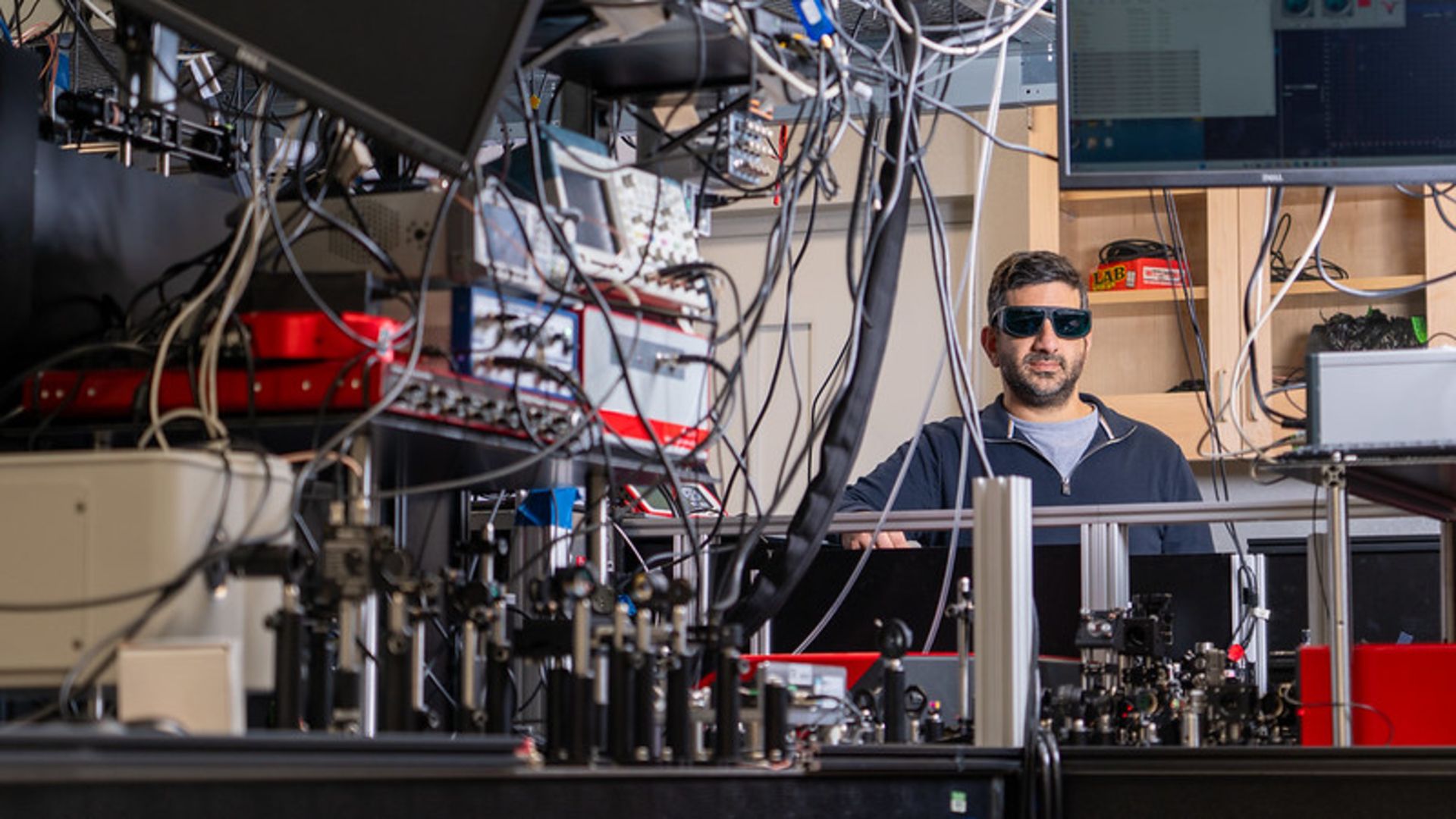
Scientists have developed a novel laser-based technique to 'draw' crystals precisely where needed in electronic devices using plasmonic heating of gold nanoparticles, potentially reducing costs and improving performance in applications like solar cells and sensors.
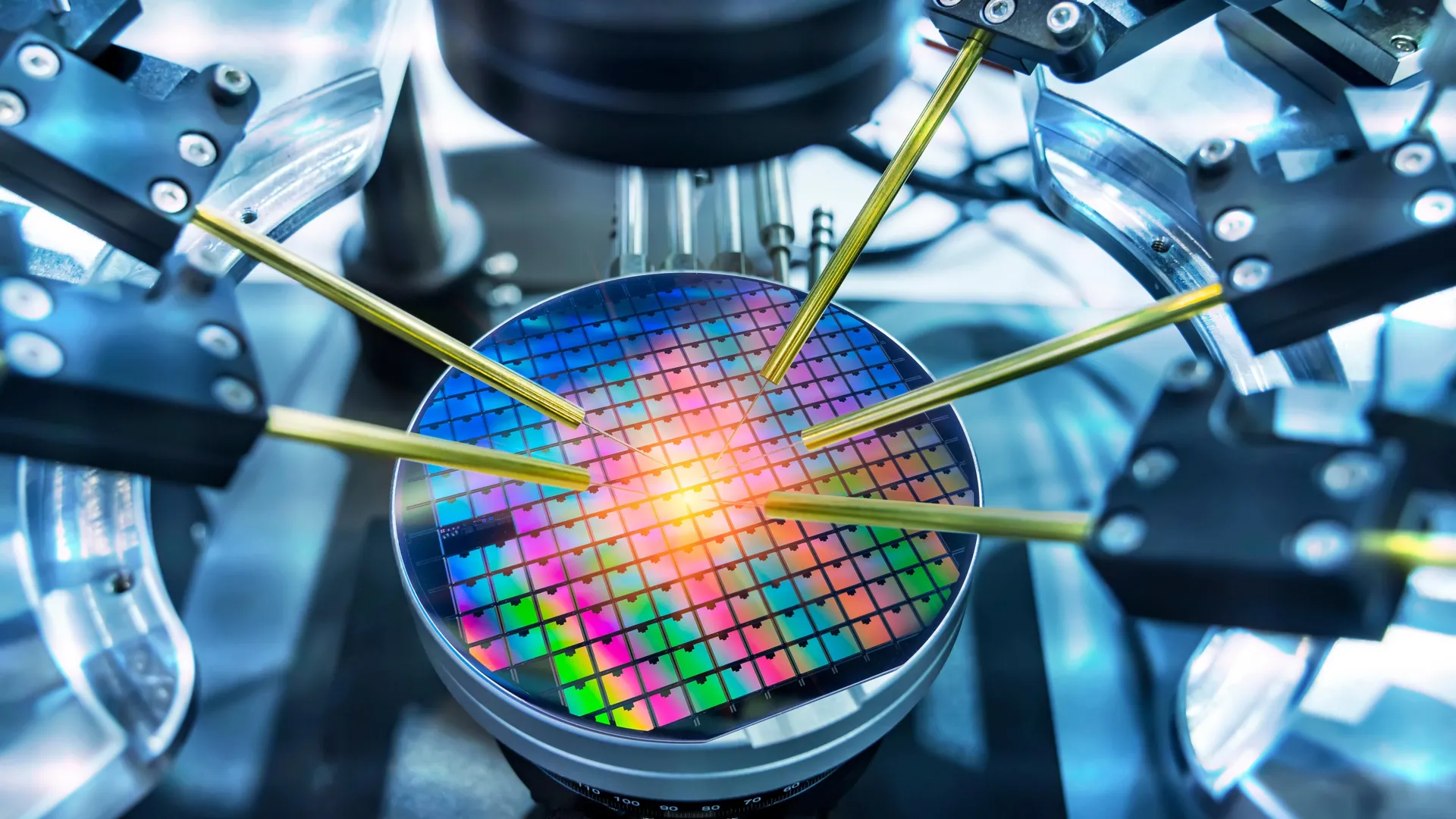
Researchers at Johns Hopkins have developed new materials and a process called chemical liquid deposition to create ultra-small, invisible circuits on microchips, potentially revolutionizing the production of smaller, faster, and more affordable electronics in the future.
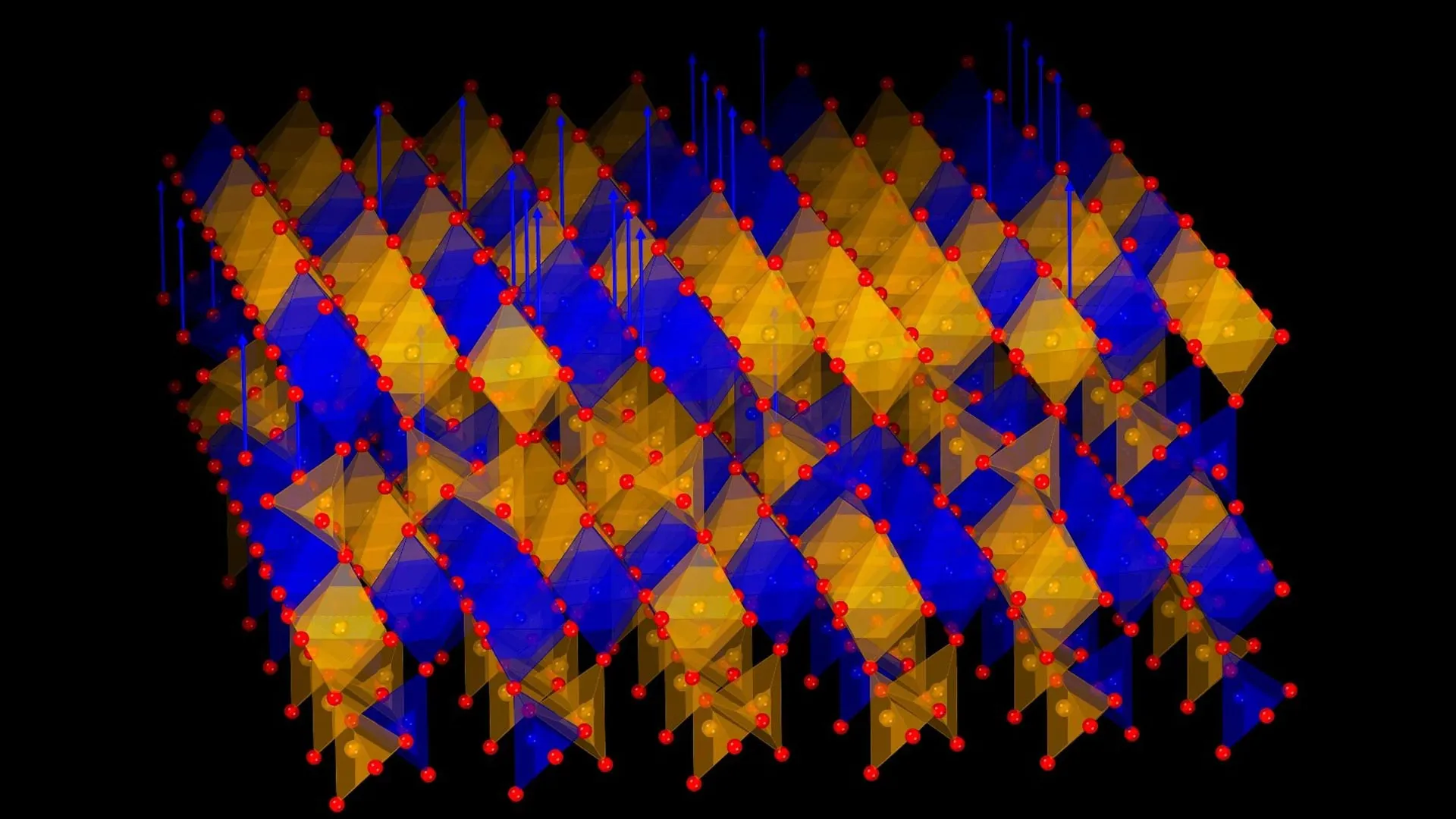
Scientists from Korea and Japan have discovered a new metal oxide crystal that can repeatedly breathe in and out oxygen at low temperatures, potentially revolutionizing clean energy technologies like fuel cells and smart thermal devices by providing a stable, reversible, and practical material for controlling oxygen in various applications.
The article summarizes the latest rumors about the upcoming iPhone 17 Pro, including potential new colors like orange with Liquid Glass effects, and the use of titanium in the iPhone 17 Air. It also discusses expected hardware upgrades such as the A19 chip and new display features, along with the anticipated release date for the iOS 26 public beta. The author provides personal insights and questions about Apple's design choices and lineup strategy.
The upcoming iPhone 17 Air is rumored to feature a titanium frame, making it unique among the iPhone 17 series, which will predominantly use aluminum frames. This change may be driven by durability needs, contrasting with the lighter aluminum used in other models. The series is also expected to include design updates and new features, with official announcements anticipated in September.
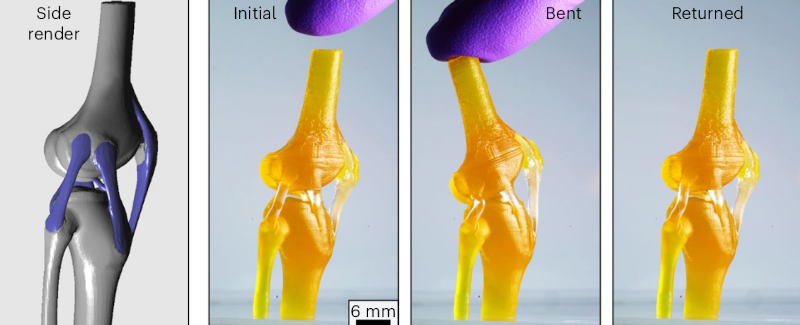
Researchers at the University of Texas have developed a dual-light 3D printing method using resin that cures into different materials depending on the wavelength of light used, inspired by natural structures like bone and cartilage, allowing for tunable material properties within a single print.
Penn State researchers have used mathematical modeling to explain why electrons in lab experiments can exceed the energy expected from the applied voltage, a phenomenon observed since the 1960s. Their study reveals that an energy feedback process involving X-ray emissions and photon interactions is responsible. The research also shows that electrode shape and material affect this process, with flat electrodes maximizing the effect. These findings could lead to advancements in X-ray production, making machines faster and more compact.
MIT researchers have discovered that neutrons, despite being uncharged particles, are governed by the short-range strong force, rather than the electromagnetic force. This finding challenges previous understanding of neutron behavior and its interactions with materials.
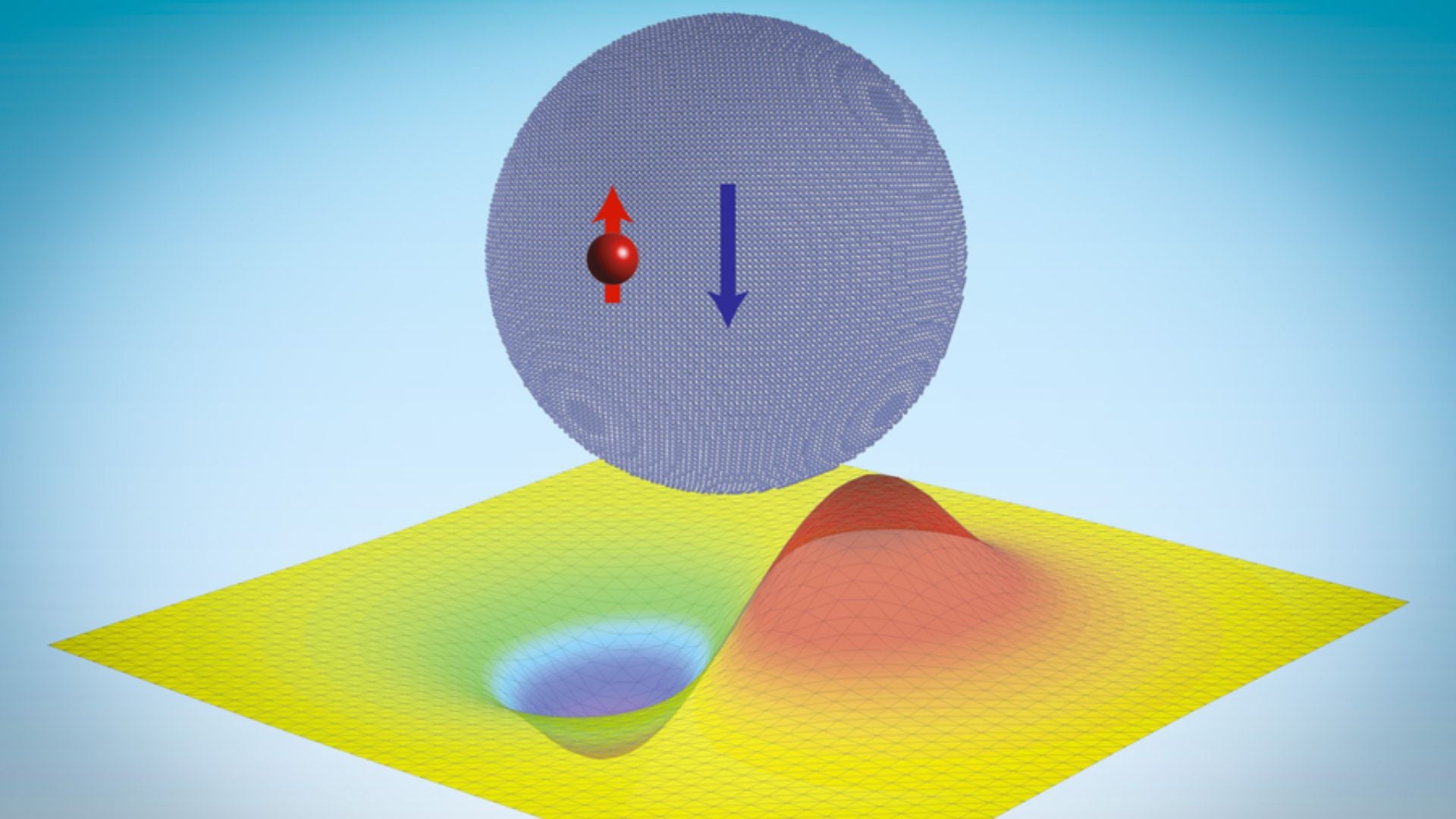
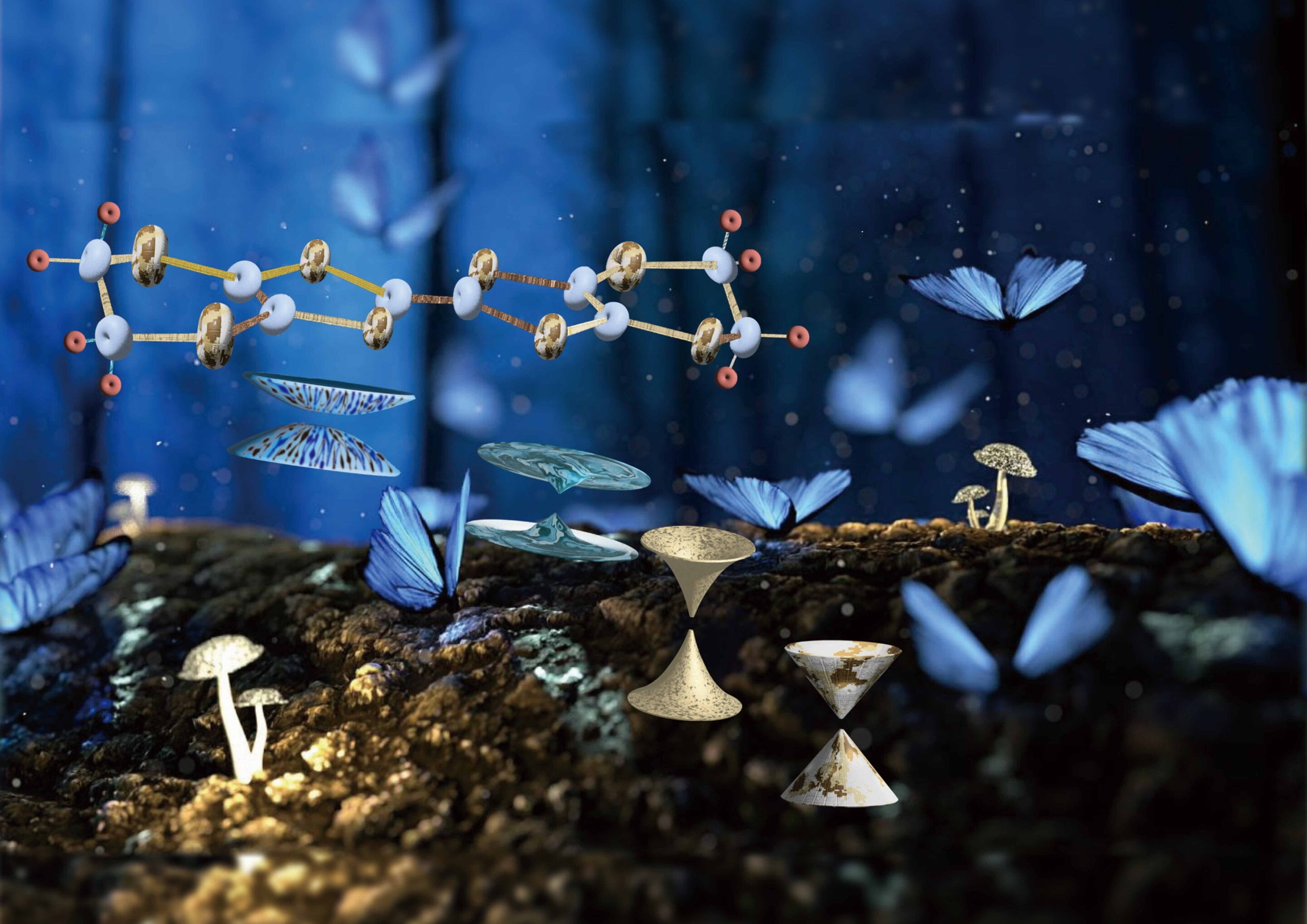
Scientists have discovered a method to selectively observe Dirac electrons in materials using electron spin resonance, allowing for the determination of their scope of action and energies in a four-dimensional world consisting of positions (x, y, z) and energy (E). This advancement in understanding Dirac electrons reveals that their velocity is anisotropic and depends on their direction and location, rather than being a constant velocity of light, potentially leading to unprecedented electronic properties in materials for efficient computation and communication.
Scientists have discovered evidence of time travel at a microscopic level in the structure of certain materials like glass, where time effectively 'shuffles'. The study from researchers at the Technical University of Darmstadt in Germany observed glass samples pushing and reforming into new arrangements, suggesting that time doesn't behave in a strictly linear manner at this level. While this finding won't lead to human time travel, it challenges our understanding of materials and the concept of time, and it also rules out the possibility of traveling back in time, according to a related study.
Palworld, a popular game inspired by Pokemon and Minecraft, allows players to build a Stone Pit to gather materials like Stones more efficiently. To construct a Stone Pit, players need to reach Level 7 and gather 50 Stones, 20 Wood, and 10 Paldium Fragments. Assigning Pals with the Miner skill to the Stone Pit helps increase the supply of Stones, making it easier for players to collect them while they are away.
Physicists have discovered that time can flow in both directions within materials, contrary to our perception of time as irreversible due to the second law of thermodynamics. While we typically see disorder increase over time, researchers have found that the motion of molecules in glass or plastic can be reversed when observed from a specific angle, challenging our understanding of time's unidirectional flow in certain materials.
To unlock the Grappling Gun in Palworld, players must reach level 12 and spend an Ancient Technology Point to unlock it. The materials required for crafting the Grappling Gun include Paldium Fragments, Ingots, Fiber, and Ancient Civilization Parts. These materials can be obtained by harvesting, converting, and defeating bosses. The Grappling Gun allows for easy movement between places with varying elevation and can be used to quickly climb surfaces. It is an essential tool for efficient travel around the map and should be prioritized for acquisition.