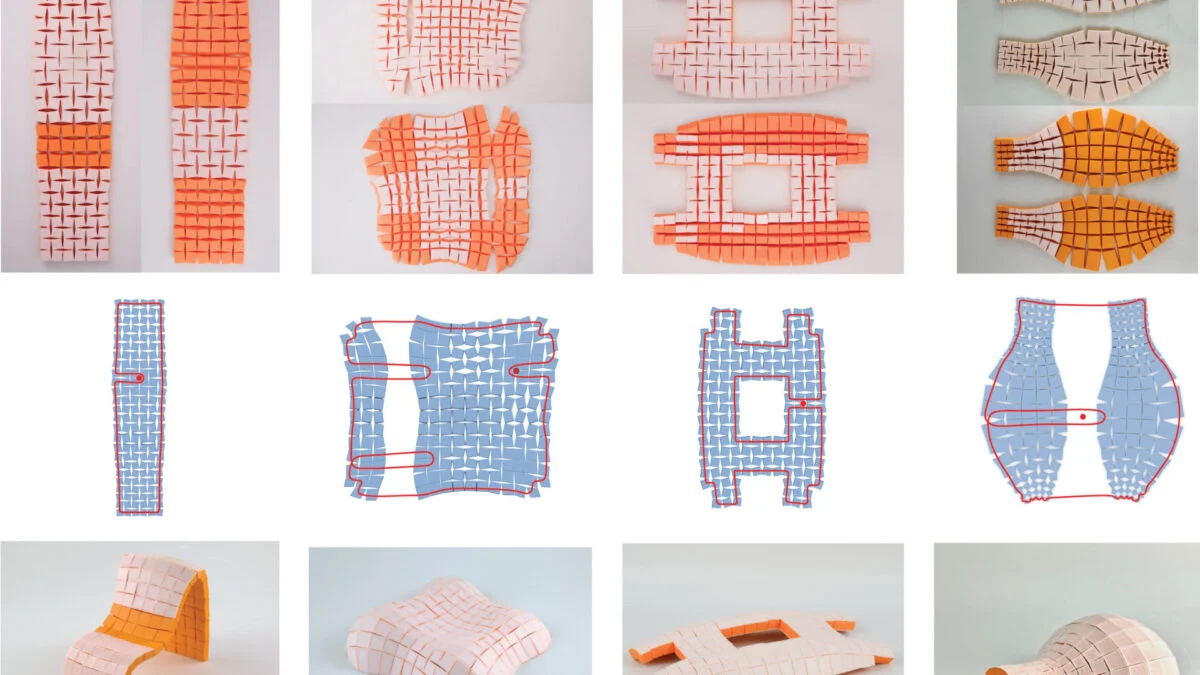
Researchers at MIT have developed a new kirigami-inspired material that can transform into various 3D structures with a simple pull of a string, enabling applications like medical devices, foldable robots, and space habitats. The process uses an algorithm to design flat grids that morph into complex shapes, demonstrating ease of use and potential for scalable deployment.
Scientists have discovered that when tuned to its Dirac point, graphene defies the Wiedemann–Franz law, showing an inverse relationship between thermal and electrical conductivity, and behaves like a nearly perfect quantum fluid, opening new avenues for research in high-energy physics and astrophysics.
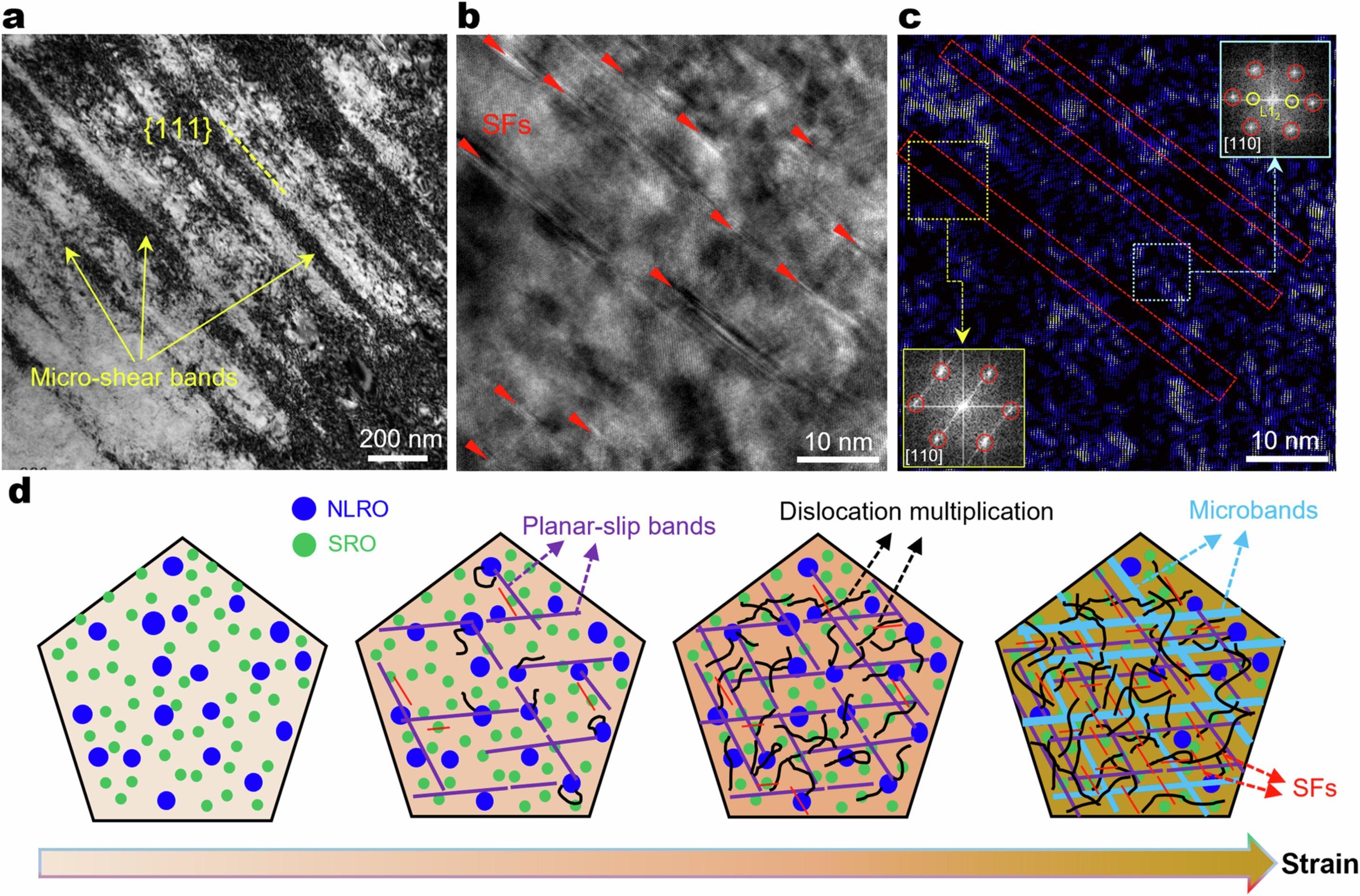
Researchers have developed a new cobalt-nickel-vanadium alloy with atom-by-atom engineering that remains strong and tough at extremely low temperatures, potentially revolutionizing materials used in space and cryogenic applications.
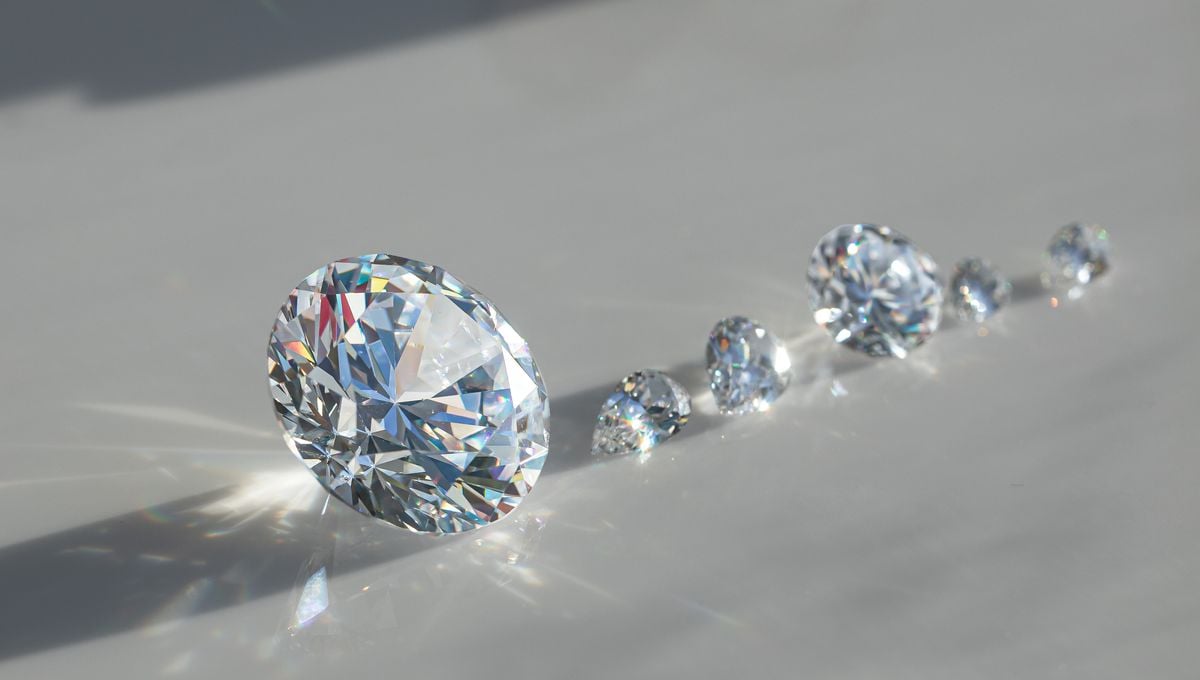
Scientists have successfully created a sizable meteorite diamond, known as hexagonal or lonsdaleite, which is predicted to be 50% harder than traditional Earth diamonds, potentially revolutionizing industrial applications like drilling and electronics.
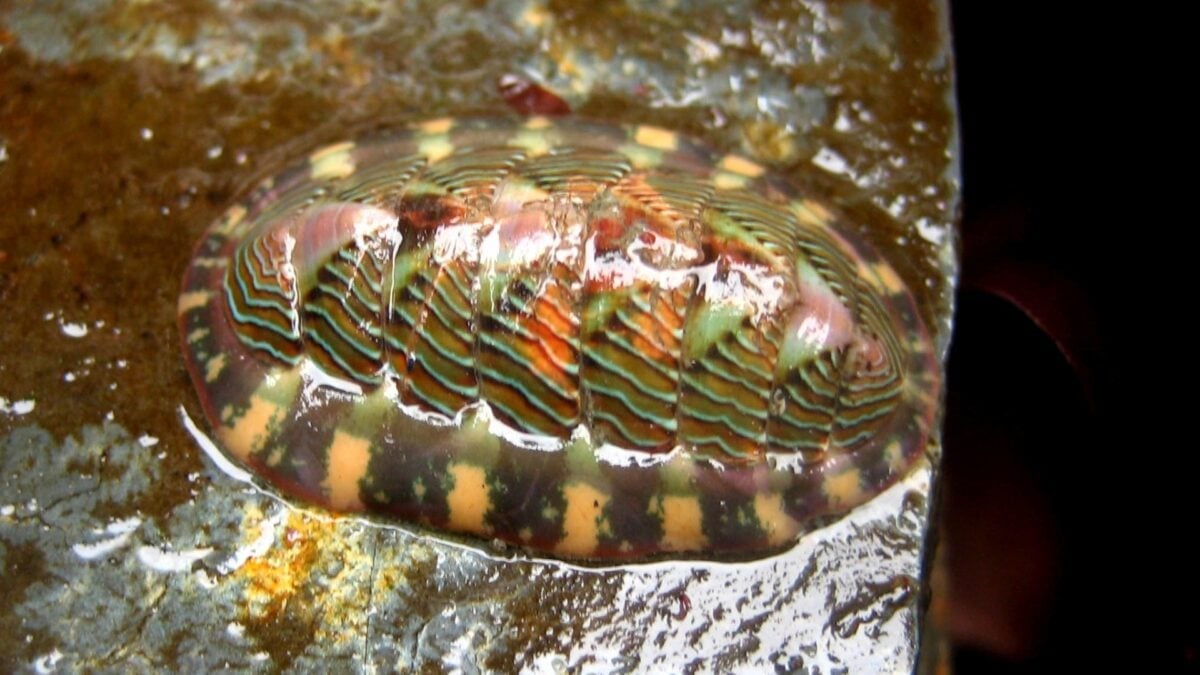
Researchers have studied chiton mollusks and discovered their teeth are incredibly strong and durable due to a unique protein, RTMP1, which deposits iron to create nanoscale, superhard structures. This biological process, occurring at room temperature, could inspire advances in manufacturing, materials, and environmental sustainability.
Chinese and American scientists have successfully produced large quantities of hexagonal diamonds, a structure believed to be superhard, from graphite using high pressure and laser heating, marking a significant breakthrough in material science with potential applications in electronics and superhard materials.
A graduate student at the University of Massachusetts Amherst discovered a liquid mixture of oil, water, and magnetized nickel particles that consistently forms and retains a Grecian urn shape, challenging traditional thermodynamic principles due to magnetic interactions, and opening new avenues in material science research.
A CU Denver engineer has developed a groundbreaking silicon-based chip that can generate extreme electromagnetic fields, potentially enabling gamma-ray lasers for medical and scientific applications, and offering new ways to explore the universe's fundamental nature, including the multiverse theory.
Researchers studied the squirting cucumber's unique seed dispersal mechanism, revealing how it uses pressurized fluid to launch seeds up to 40 feet at optimal angles, with seeds coated in a sticky substance that aids in adhesion and potential applications in material science and robotics.
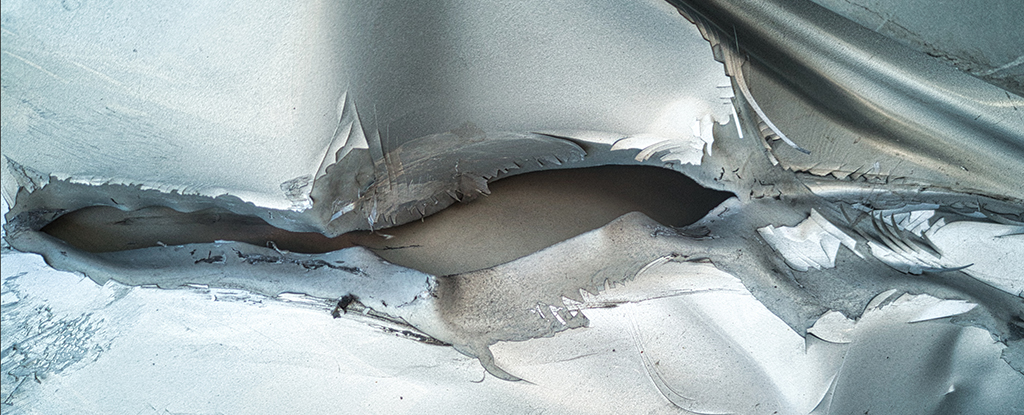
Scientists observed a nanoscale crack in platinum self-heal during an experiment, revealing metals' intrinsic ability to repair themselves under stress, which could revolutionize engineering and repair processes. The process occurred at room temperature in a vacuum, suggesting potential for broader applications.
A student at the University of Massachusetts Amherst discovered a liquid that reverts to a Grecian urn shape after agitation, defying traditional thermodynamic laws due to magnetic particle interactions, opening new research avenues in material science and self-healing applications.
Researchers from Washington State University successfully recreated the world's oldest synthetic pigment, Egyptian blue, using ancient methods, providing insights into its production and potential modern applications such as fingerprinting and counterfeit-proof inks.
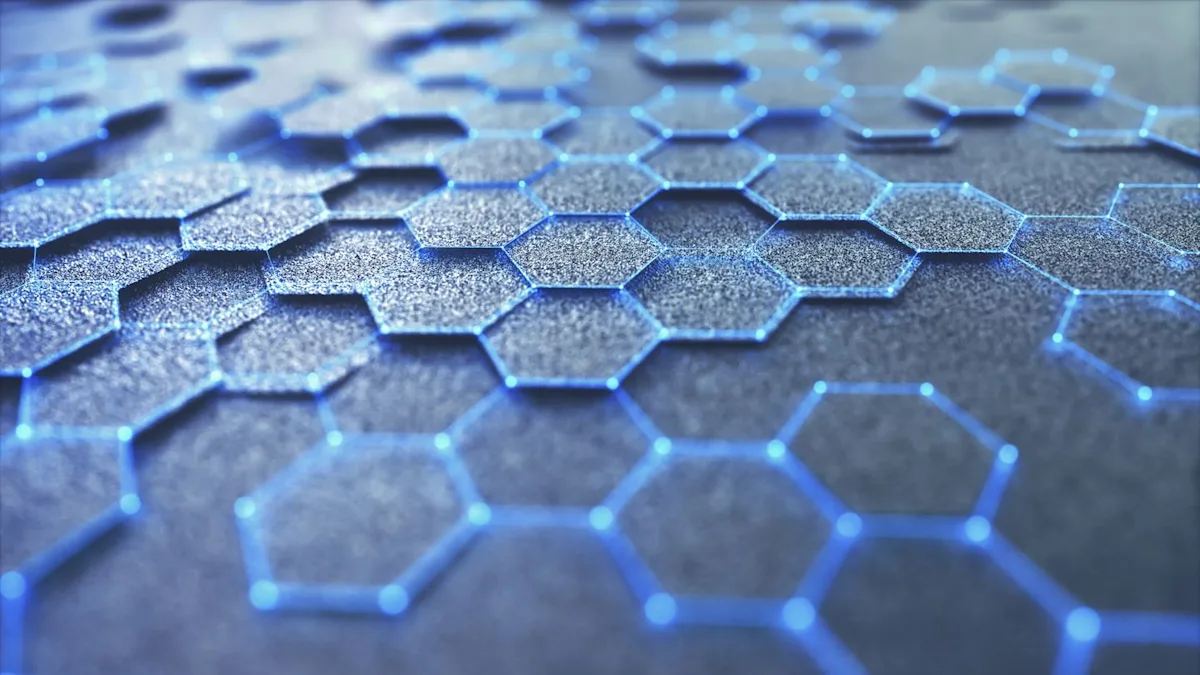
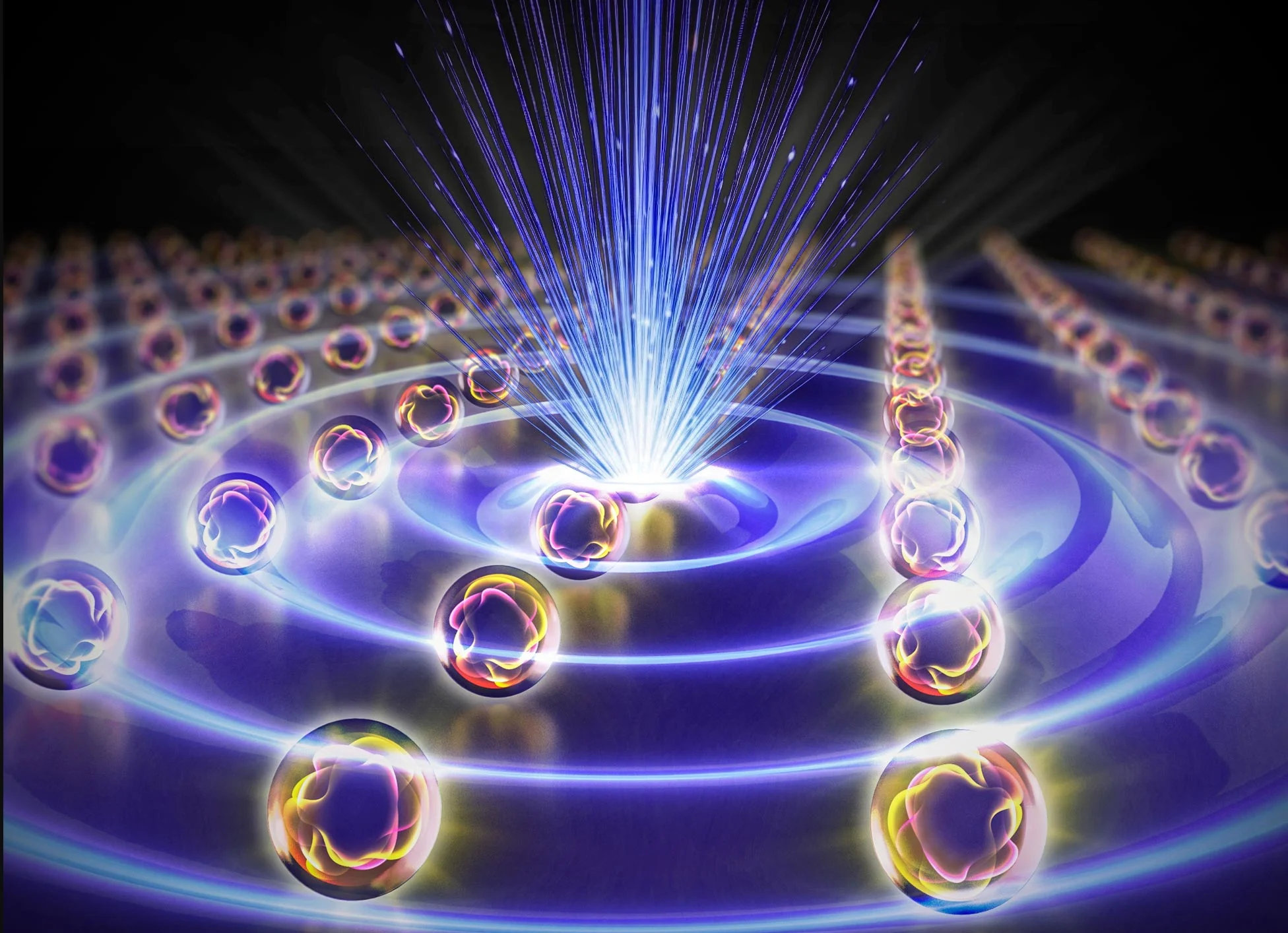
Researchers have developed photonic space-time crystals, which enhance light interaction and amplification, potentially revolutionizing optical information processing. These advanced materials, structured in three spatial dimensions and changing over time, allow precise control over light's behavior. The study, involving institutions like Karlsruhe Institute of Technology and Aalto University, demonstrates how these four-dimensional materials can be applied in technologies such as wireless communication and lasers. The findings, published in Nature Photonics, highlight the potential for these materials to amplify light across various frequencies, paving the way for new applications in optical and other physical systems.
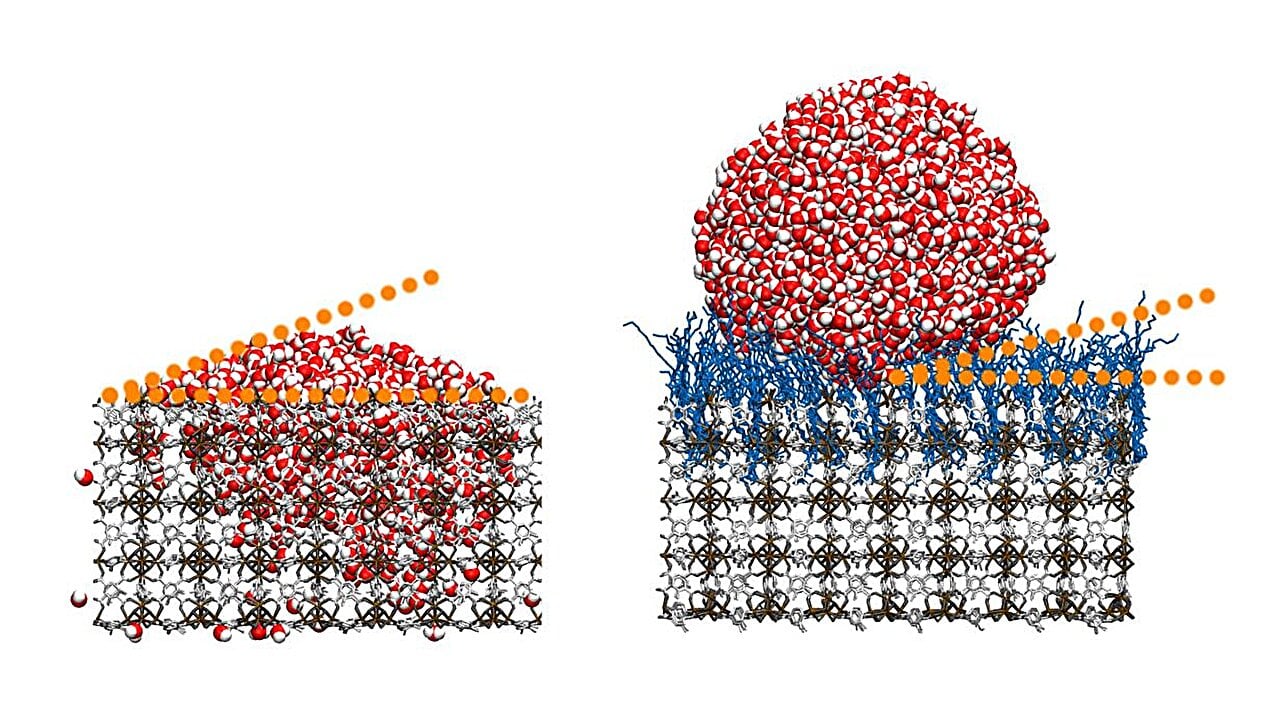
Researchers from Karlsruhe Institute of Technology and Indian Institute of Technology Guwahati have developed a new superhydrophobic material by modifying metal-organic frameworks (MOFs) with hydrocarbon chains. This innovative approach results in a water contact angle exceeding 160 degrees, making the material nearly completely water-repellent. The material's unique properties, attributed to a high-entropy state of the grafted chains, offer potential applications in self-cleaning surfaces for automobiles and architecture. The study was published in Materials Horizons.
Engineers have developed a new oxygen-free process to produce high-quality graphene at scale, potentially unlocking its transformative applications in energy storage, medical devices, and personal electronics.