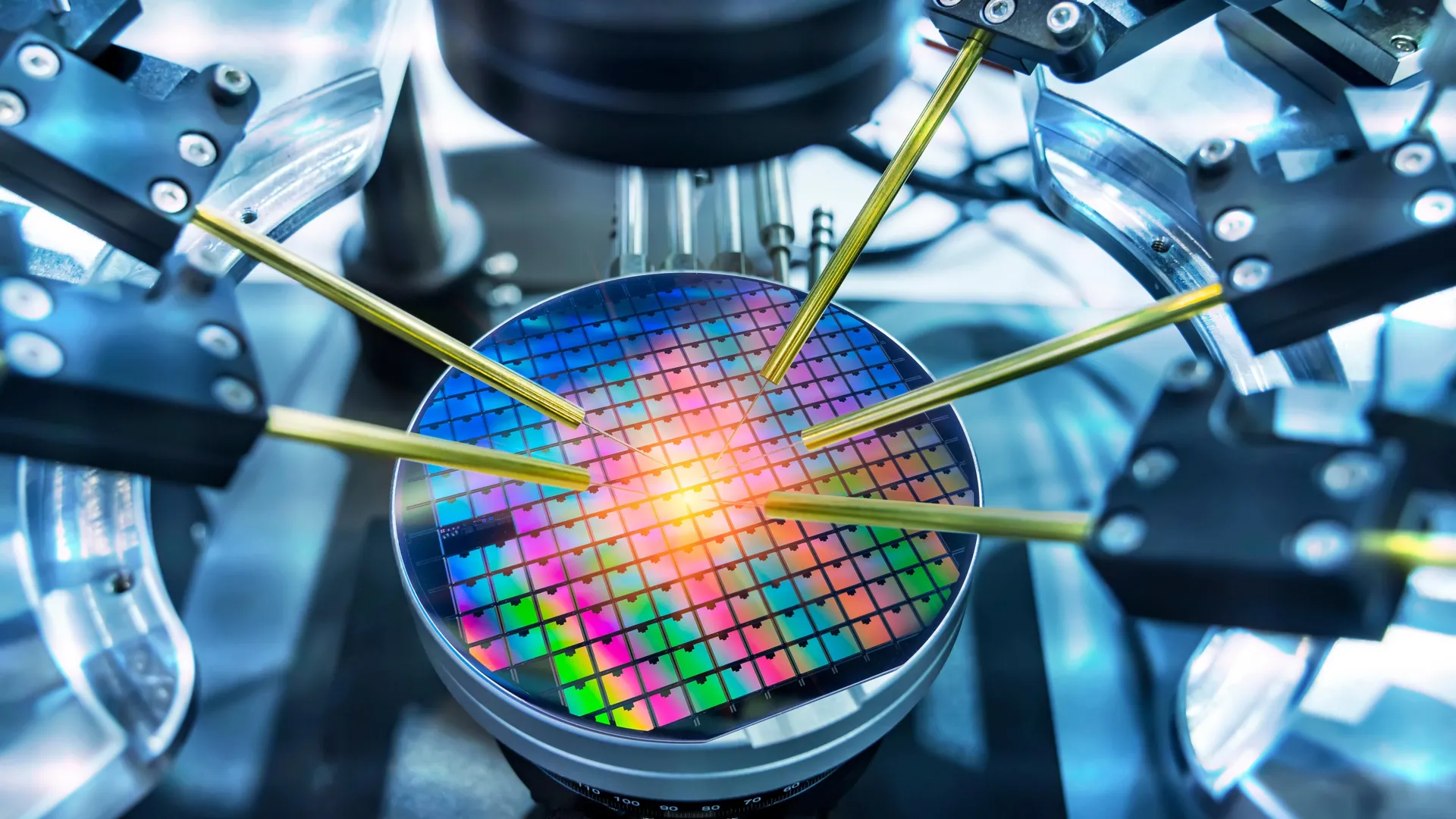
Researchers at Johns Hopkins have developed new materials and a process called chemical liquid deposition to create ultra-small, invisible circuits on microchips, potentially revolutionizing the production of smaller, faster, and more affordable electronics in the future.
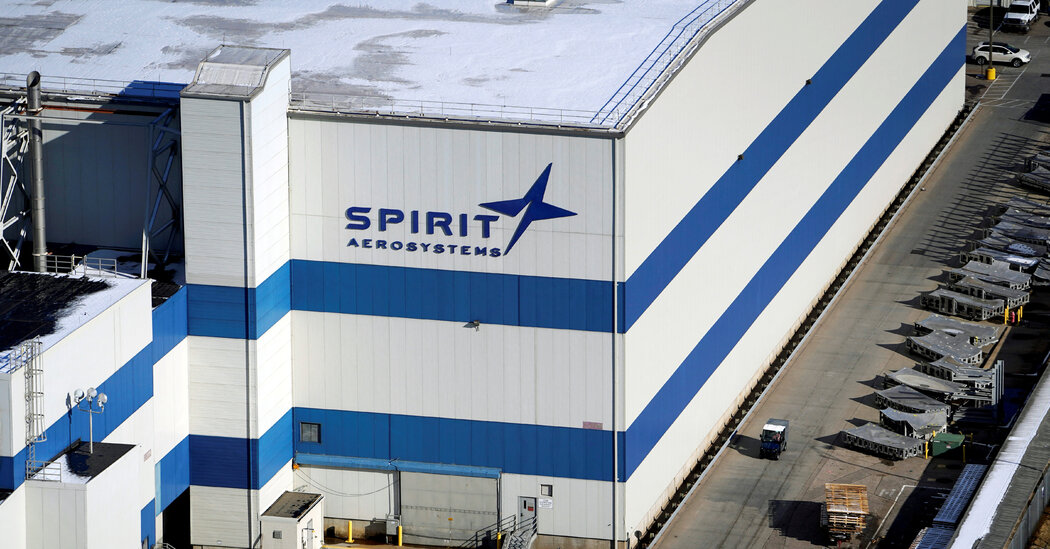
A recent Federal Aviation Administration audit of the production of the Boeing 737 Max revealed that Spirit AeroSystems, one of Boeing's major suppliers, was using Dawn dish soap and a hotel key card as part of its manufacturing process. However, the company claims that these unconventional tools were actually innovative and have been approved by Boeing and documented for use under FAA standards as factory tools known as shop aids. This comes after an episode involving an Alaska Airlines flight, which raised concerns about quality problems at both Boeing and Spirit AeroSystems.
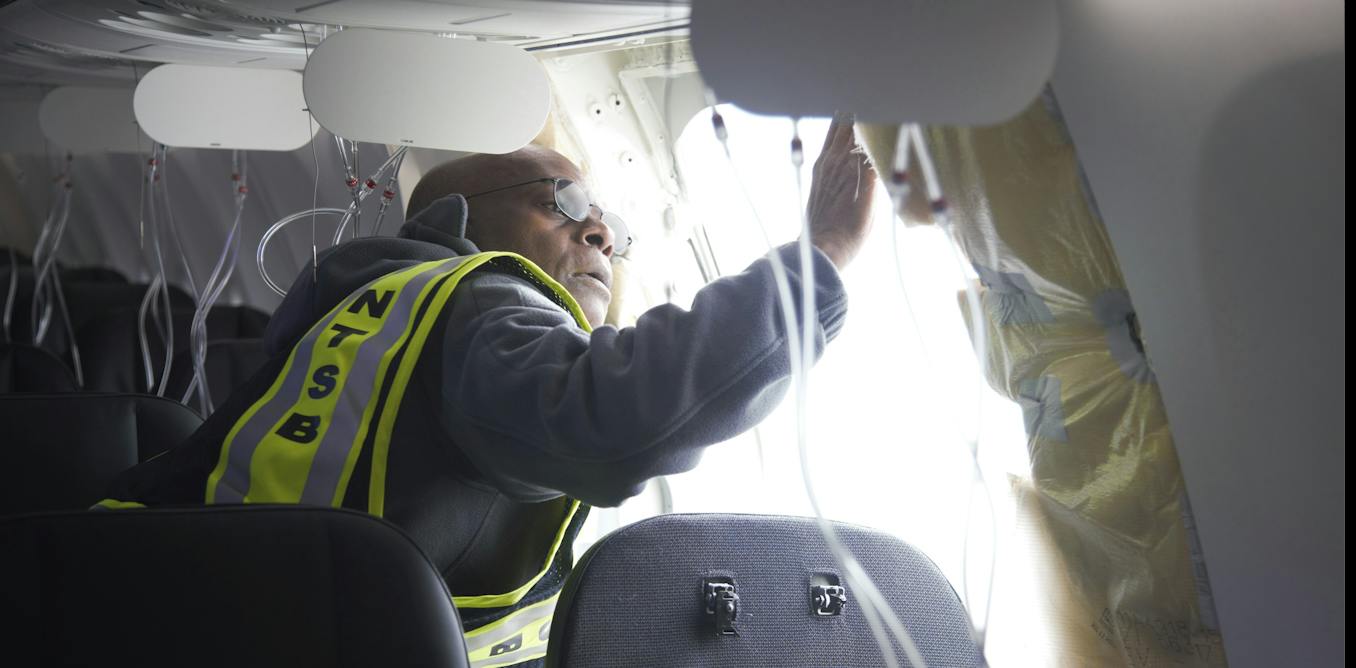
The in-flight blowout of a Boeing 737 Max 9 has led to federal regulators grounding planes and intensifying scrutiny of Boeing’s manufacturing process, prompting an investigation by the National Transportation Safety Board and the Federal Aviation Administration. The incident has raised concerns about the safety of other 737 Max aircraft, impacting airlines financially and disrupting fleet plans. To regain public confidence, Boeing must take full responsibility, prioritize product safety and quality, and engage with key stakeholders to address hits to its reputation.
British Pathé TV released a video showcasing the manufacturing process of dolls in 1968. The video demonstrates the step-by-step assembly of doll heads, including the placement of eyeballs, sewing on hair, and painting the face. The footage also reveals the uncanny sight of doll heads waiting to be attached to bodies.
The Ministry of Defence of Ukraine has announced a reduction in the timeframe for supplying Ukrainian-made equipment and weapons to the Armed Forces. The changes include simplifying the testing process and allowing manufacturers to determine the technical parameters of the products. The ministry has canceled unnecessary weapons tests and reduced the number of checks during production, enabling troops to receive new weapons and military equipment faster. The focus will now be on confirming the effectiveness, safety, and reliability of the equipment.
Apple's next iPhone will feature a more powerful core processor, thanks to Taiwan Semiconductor Manufacturing Co. (TSMC), which is using a new 3 nanometer process to create smaller, faster, and more power-efficient chips exclusively for Apple. In addition, a special agreement between the two companies means that TSMC absorbs the cost of defects that occur during the manufacturing process. This partnership allows Apple to save billions of dollars on chips for its new iPhone.
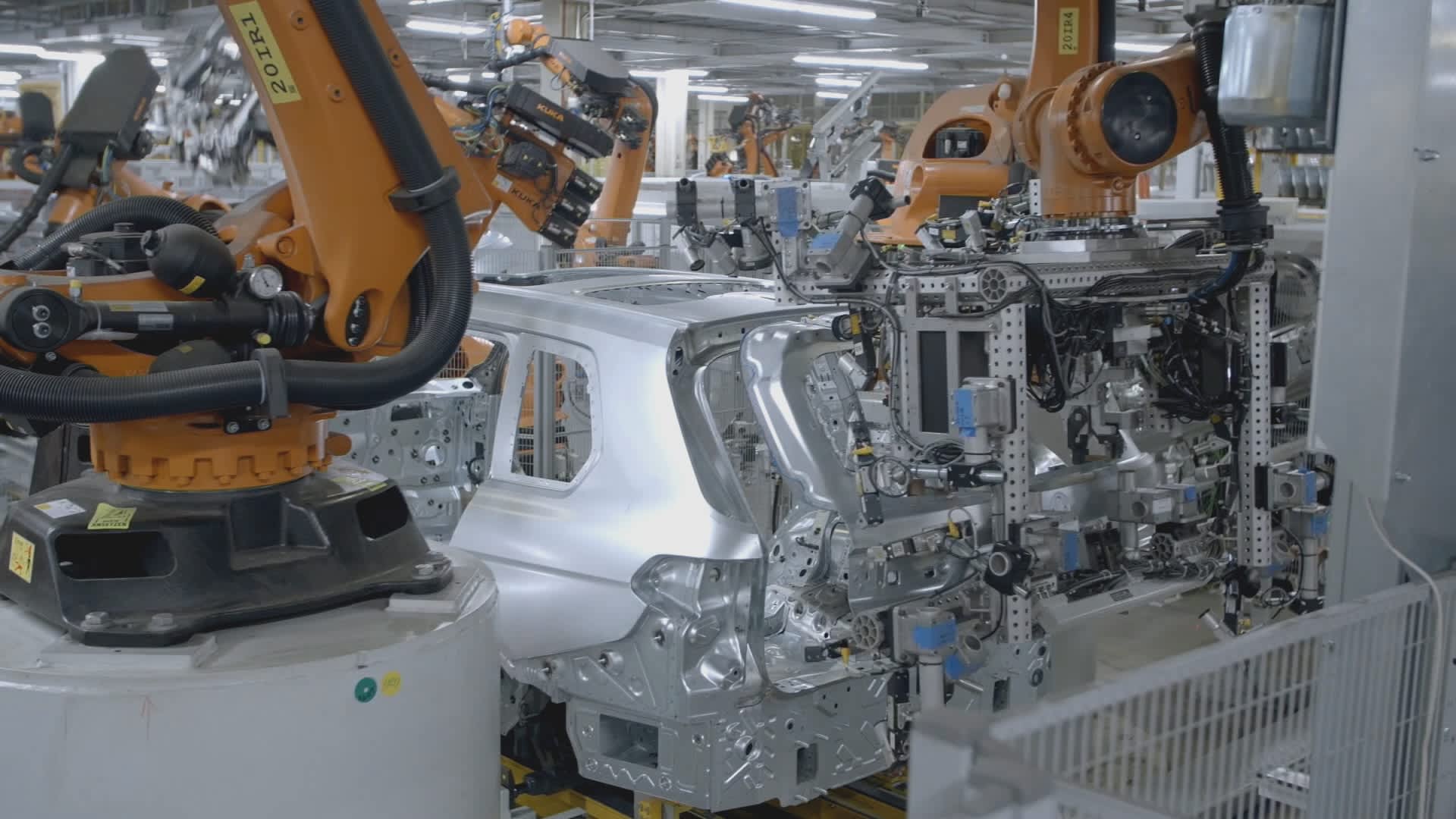
BMW is incorporating artificial intelligence (AI) into its vehicle production process to improve efficiency. The Spartanburg plant in South Carolina has been upgraded with AI capabilities, allowing robots to weld metal studs onto SUV frames and ensuring precise placement through AI-managed systems. The AI technology has significantly increased efficiency, saving the company over $1 million annually and reducing the need for human intervention. AI software is also being used to speed up the inspection process, identifying issues and preventing imperfect vehicles from being shipped. BMW plans to further utilize AI technology to create a 3D "digital twin" of the plant for instant adjustments and improved production planning.
Apple will reportedly downgrade the manufacturing process for the iPhone 15 Pro and Pro Max's A17 chipset, making it less efficient but more affordable to produce. The move is expected to happen in 2024, midcycle for the iPhone 15 lineup, and any cost savings for Apple are unlikely to be passed down to customers, with price increases for the iPhone 15 Pro and Pro Max still expected. The new iPhone range will feature an updated design, improved cameras, and a new customizable Action Button, while the whole range will move to USB-C.