The article discusses the commonality of hair loss and highlights the importance of understanding different types and effective treatments, based on insights from a dermatologist at Johns Hopkins University.
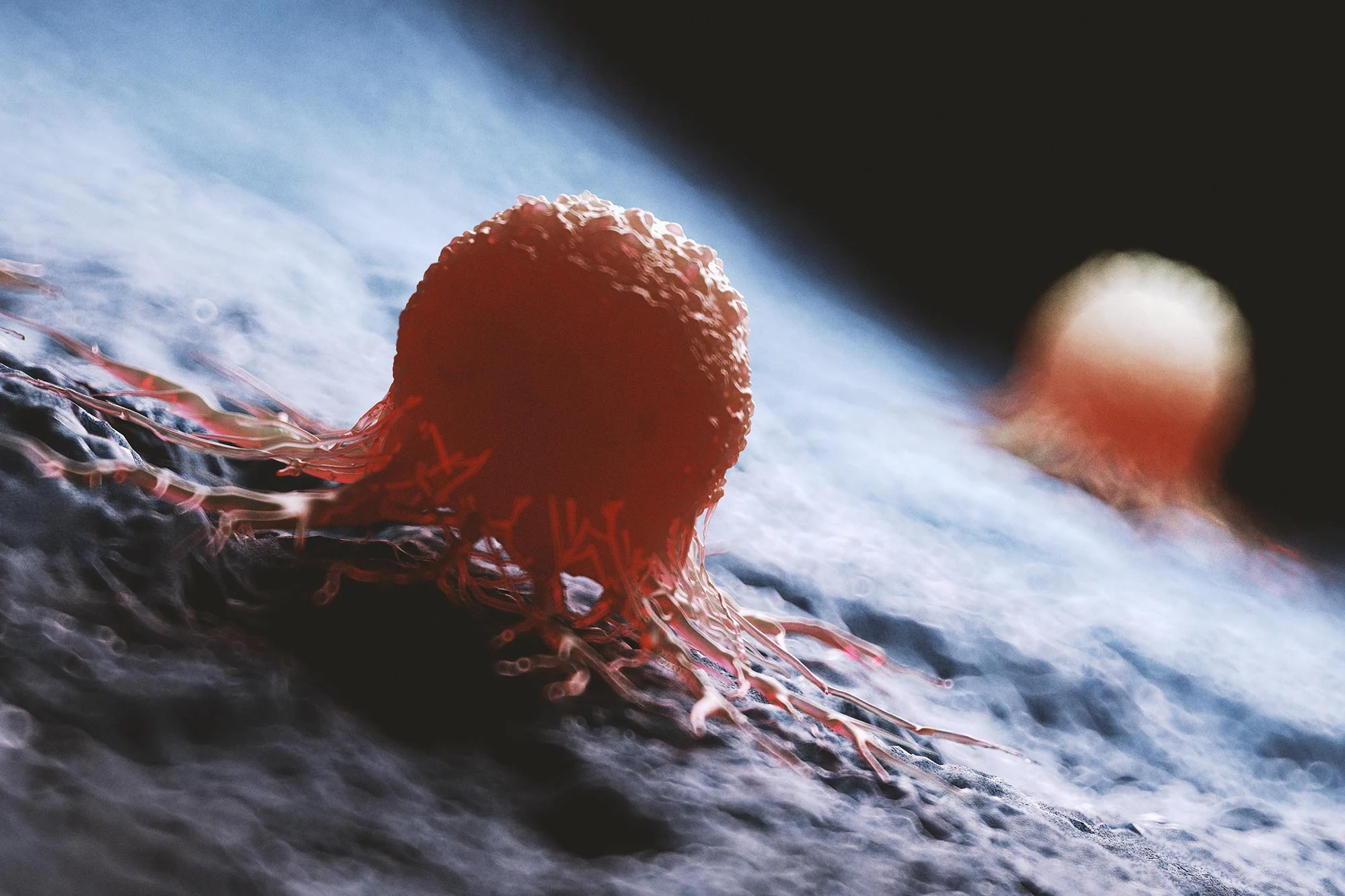
Scientists at Johns Hopkins uncovered a method to transform immune-cold tumors into immune-hot ones by activating specific immune signals, leading to stronger immune responses and potential improvements in cancer treatment outcomes, including prevention of relapse and metastasis.
Researchers at Johns Hopkins have developed a new mathematical algorithm called ImageMM that significantly improves the clarity of images captured by ground-based telescopes by effectively correcting atmospheric distortions, potentially rivaling space telescopes in image quality while maintaining the ability to survey large areas of the sky.
Researchers at Johns Hopkins have developed new materials and a process called chemical liquid deposition to create ultra-small, invisible circuits on microchips, potentially revolutionizing the production of smaller, faster, and more affordable electronics in the future.
Researchers at Johns Hopkins have developed a blood test that can detect cancer up to three years before traditional diagnosis, potentially enabling earlier intervention and improved outcomes, though challenges remain in clinical application and treatment strategies.
Researchers at Johns Hopkins have developed a blood test that can detect cancer up to three years before symptoms appear by identifying tumor-derived genetic mutations in blood samples, potentially allowing for earlier intervention and improved outcomes.
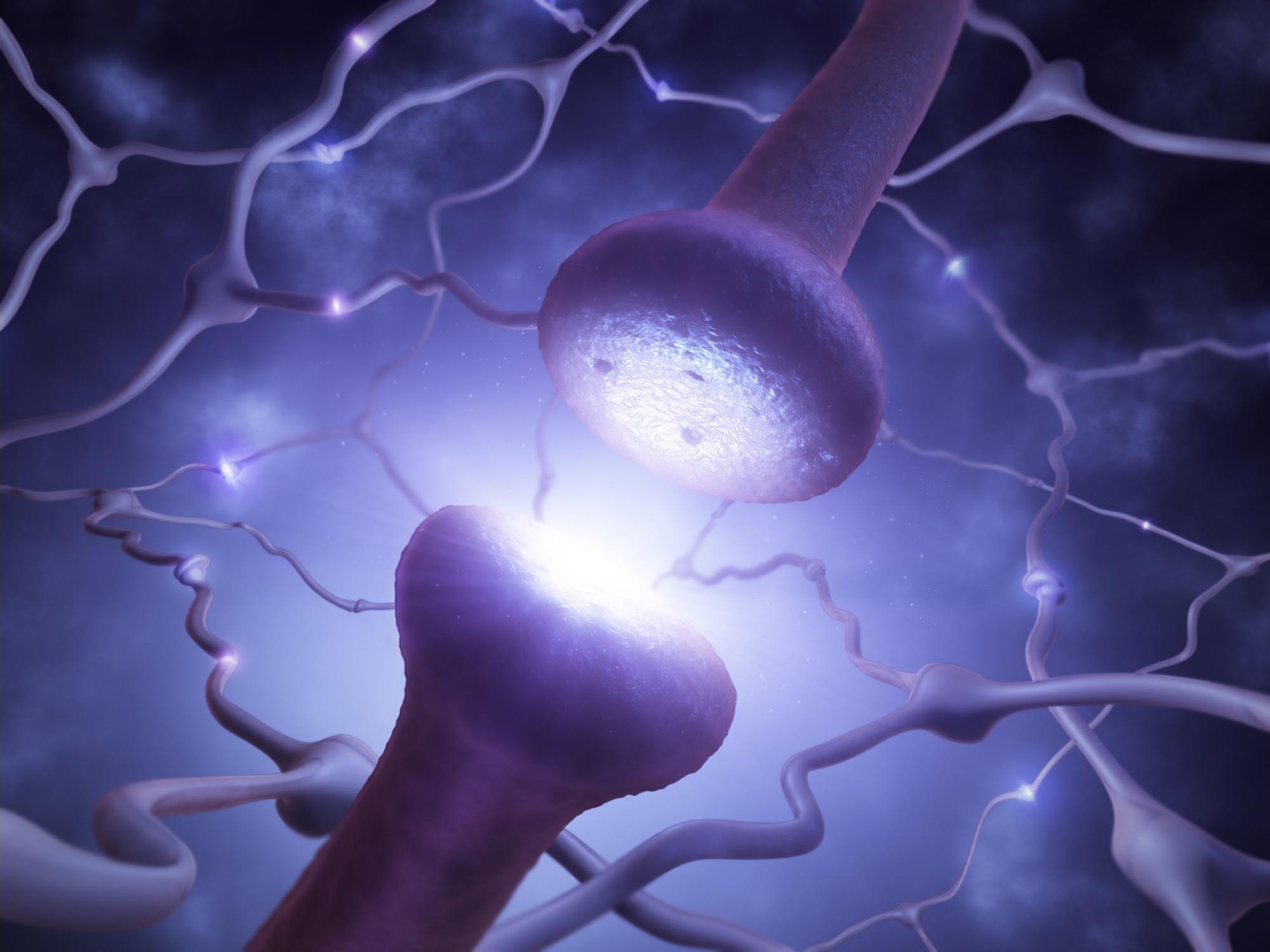
Johns Hopkins researchers have discovered that axons in brain cells resemble a string of pearls rather than smooth tubes, challenging a century-old assumption about neuron structure. This finding, published in Nature Neuroscience, suggests that axon shape significantly impacts brain signaling and could influence our understanding of neurodegenerative diseases. The study used advanced imaging techniques and mathematical modeling to explore how membrane mechanics affect axon morphology and function, potentially necessitating revisions in biology textbooks.
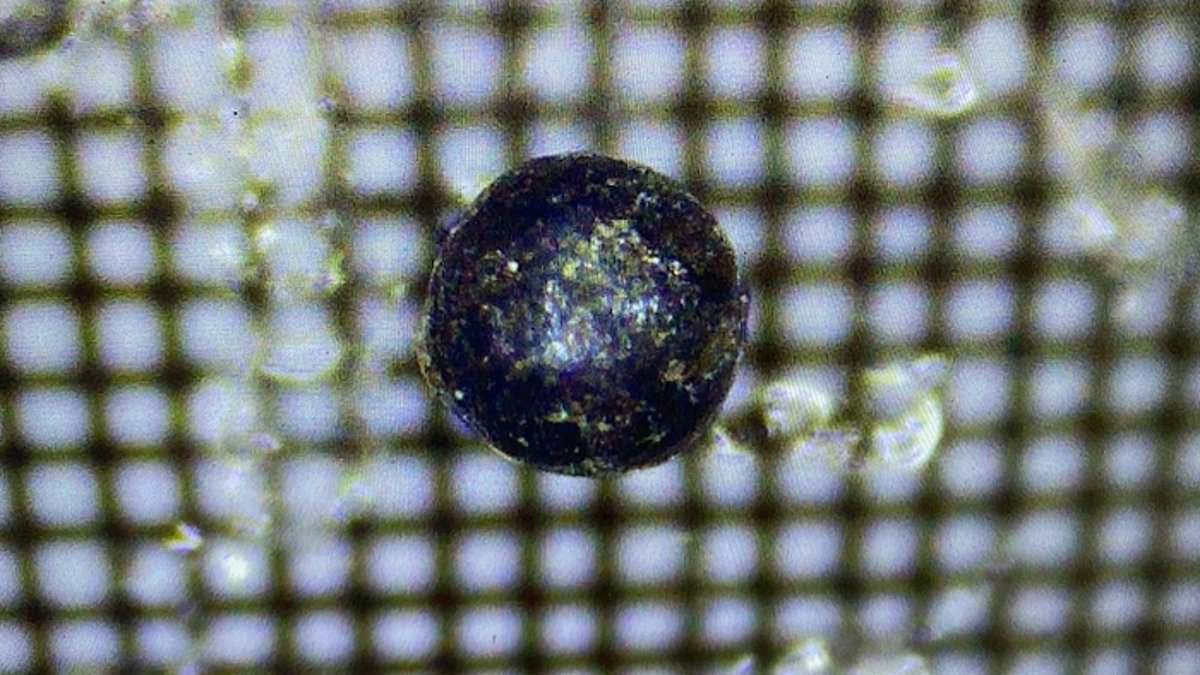
Scientists from Harvard, Johns Hopkins, and elsewhere are embroiled in a dispute over the origin of a mystery object, with Harvard astrophysicist Dr. Avi Loeb claiming that metal spheres found off the coast of Papua New Guinea are of interstellar origin, while critics argue that the evidence does not support this conclusion. A new analysis of earthquake-sensor data suggests that the sensor may have picked up the rumblings of a truck rather than an interstellar meteor, leading to a heated exchange between the two camps. The debate centers on the interpretation of seismic and infrasound data to determine the crash site of the object, known as IM1, with both sides presenting conflicting analyses and accusations of unprofessionalism.
Johns Hopkins researchers are making progress in developing a blood test that could detect changes in the brain associated with psychiatric and neurological disorders by examining extracellular vesicles in the blood, which carry messenger RNA reflecting changes in brain tissues. This advancement could lead to early detection of mental health emergencies and the development of a simple blood test for identifying brain disorders involving mood, schizophrenia, epilepsy, and substance abuse. The researchers also hope their work will pave the way for the next generation of prenatal tests, enabling doctors to screen for health issues in babies by drawing blood from the mother.
The JN.1 COVID variant, initially responsible for less than 5% of US cases, now accounts for over 60%. Virologists, including Johns Hopkins' Andy Pekosz, emphasize the continued effectiveness of vaccines, tests, and antivirals against the surge. Pekosz stresses the importance of updated COVID-19 vaccines and urges more people to get vaccinated to combat the new variant.
Shaun Truelove, an associate scientist at Johns Hopkins Bloomberg School of Public Health, discusses the uptick in COVID-19 cases and the impact of new variants. While the situation is still unclear, Truelove emphasizes that the new variants are not necessarily driving the increase in cases. He suggests that people should not worry excessively about the variants themselves, but rather focus on getting vaccinated and taking personal precautions like wearing masks. Truelove explains that the virus changes over time, and immunity from previous infections and vaccinations may wane, leading to the emergence of new variants. However, he believes that the current level of immunity in the population makes it unlikely for lockdowns or shutdowns to be necessary. Truelove recommends continued vigilance, including wearing masks and practicing good hygiene, to help control the spread of the virus.
Maryland men's lacrosse team defeated Johns Hopkins 14-9 in the Big Ten Tournament semifinals to advance to the championship game against Michigan. After a slow start, Maryland outscored Johns Hopkins 13-6 in the final three quarters. Maryland's Owen Murphy, who transferred from Johns Hopkins, scored three goals to help his team get revenge for their previous loss to the Blue Jays. Maryland will look to win its third consecutive Big Ten Tournament championship.
No. 7 Maryland defeated No. 5 Johns Hopkins, 14-9, to advance to the Big Ten Tournament Championship Game for the third year in a row and sixth time in history. They will face No. 15-ranked Michigan in the title game on Saturday, May 6. Eight different Terps scored goals in the game, with Owen Murphy recording his 11th career hat trick. Luke Wierman became the second Terp to ever win 600 face-offs in his career. Maryland is now 11-3 all-time in the Big Ten Tournament, the best record of any program since the conference formed in 2015.