Intel's former 'Inventor of the Year' Gang Duan, a key figure in glass substrate and EMIB technology development, has left Intel for Samsung, signaling potential setbacks for Intel's ambitions in glass substrate technology and highlighting recent strategic shifts and layoffs within the company.
Chip companies are exploring alternative materials like synthetic diamond and ultrapure glass to address the increasing heat generated by high-performance microchips. Diamond, known for its excellent heat conductivity, is being used by Diamond Foundry to create large wafers that can be bonded with silicon microchips, allowing for faster heat dissipation. Intel is working on using glass substrates to support larger microchips and enable faster communication between them. In the future, scientists are considering replacing silicon with materials like boron arsenide, which can transmit heat efficiently and potentially enable faster computational logic.
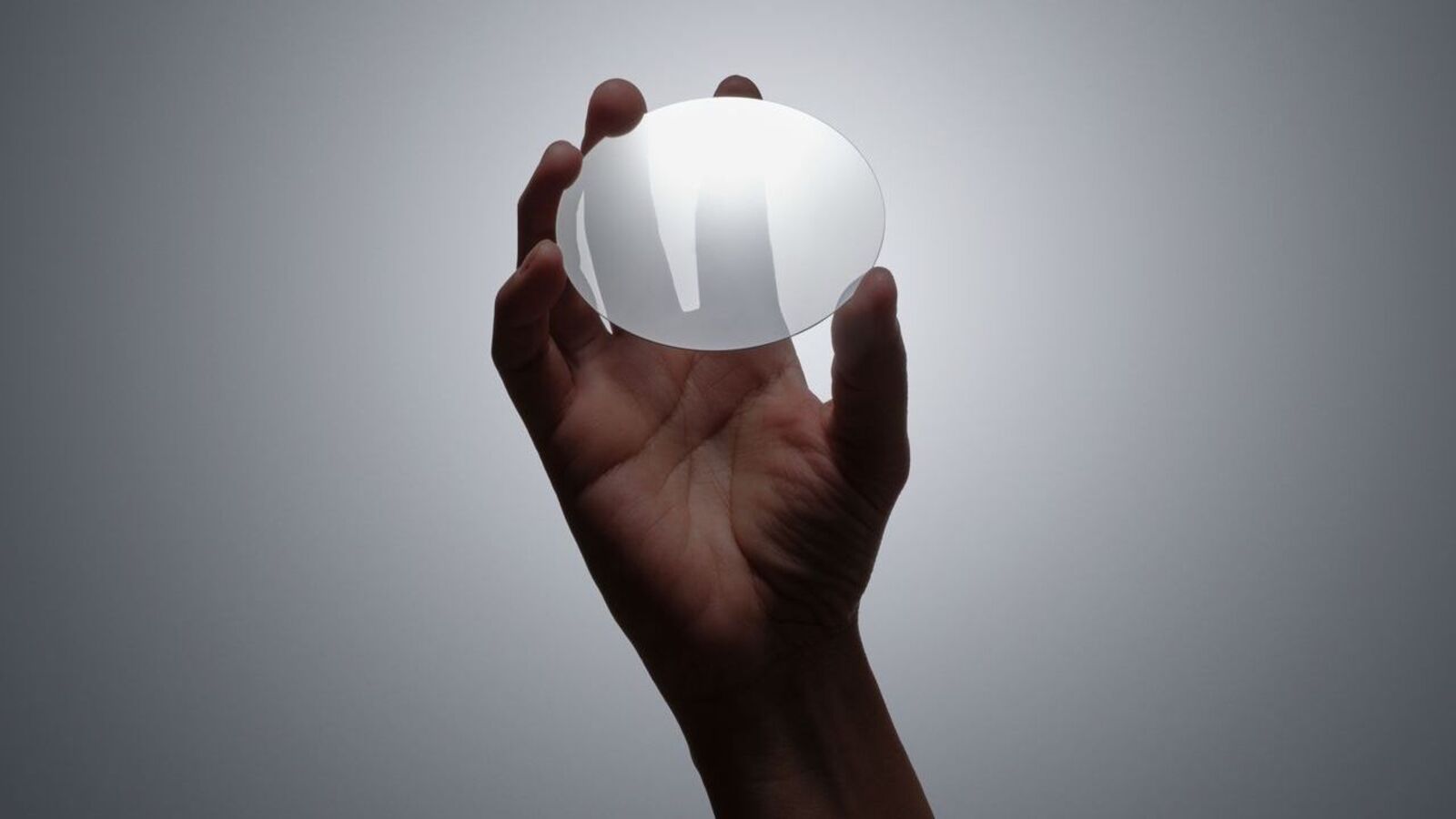
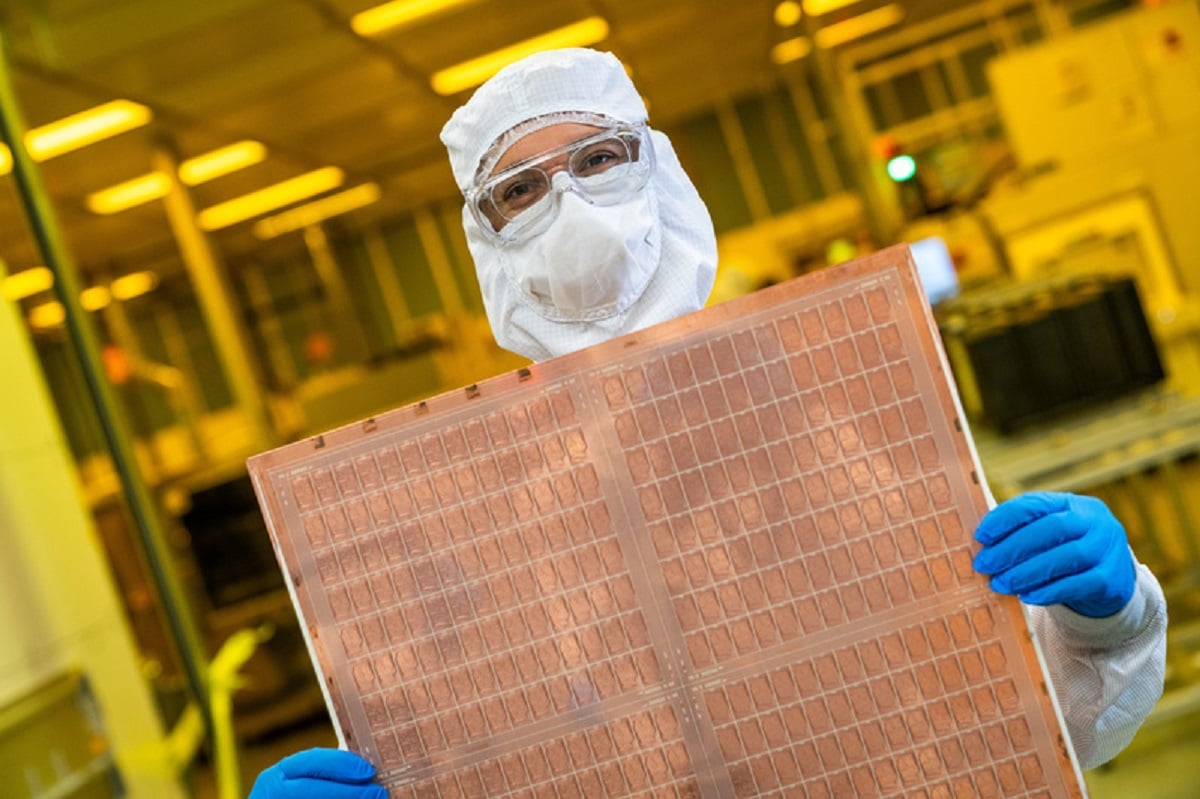
Intel has announced the development of industry-leading glass substrates for advanced packaging, which will enable the scaling of transistors in a package and advance Moore's Law. Glass substrates offer superior properties such as ultra-low flatness, better thermal and mechanical stability, and higher interconnect density, making them ideal for high-performance chip packages for data-intensive workloads like AI. Intel plans to deliver complete glass substrate solutions to the market in the second half of this decade, allowing the semiconductor industry to continue scaling beyond 2030.
Intel has announced a breakthrough in the development of glass substrates for chip packaging, aiming to advance Moore's Law. The use of glass substrates will enable Intel to create larger chip packages, allowing for more chips to be fitted into a single electrical package. By the end of the decade, Intel foresees packaging 30 trillion transistors on a glass substrate, along with other innovations such as 3D stacking of chips. Glass substrates offer advantages such as enhanced thermal and mechanical stability, higher interconnect density, and improved power delivery, making them suitable for data-intensive applications like AI. Intel plans to introduce comprehensive glass substrate solutions to the market in the latter half of this decade, ensuring the continuation of Moore's Law beyond 2030.
Intel is developing a new glass substrate technology that could revolutionize processors and meet the increasing demand for computing power. The glass foundation, called a substrate, offers higher speed, power, and real estate for packaging multiple "chiplets" into a single processor. This technology could enable processors with a trillion transistors by the end of the decade. Intel's glass substrate technology demonstrates its packaging prowess and may give the company a competitive advantage. The transition to glass substrates is expected to begin in the second half of the decade, starting with high-end processors for data centers and eventually spreading to consumer applications like laptops.