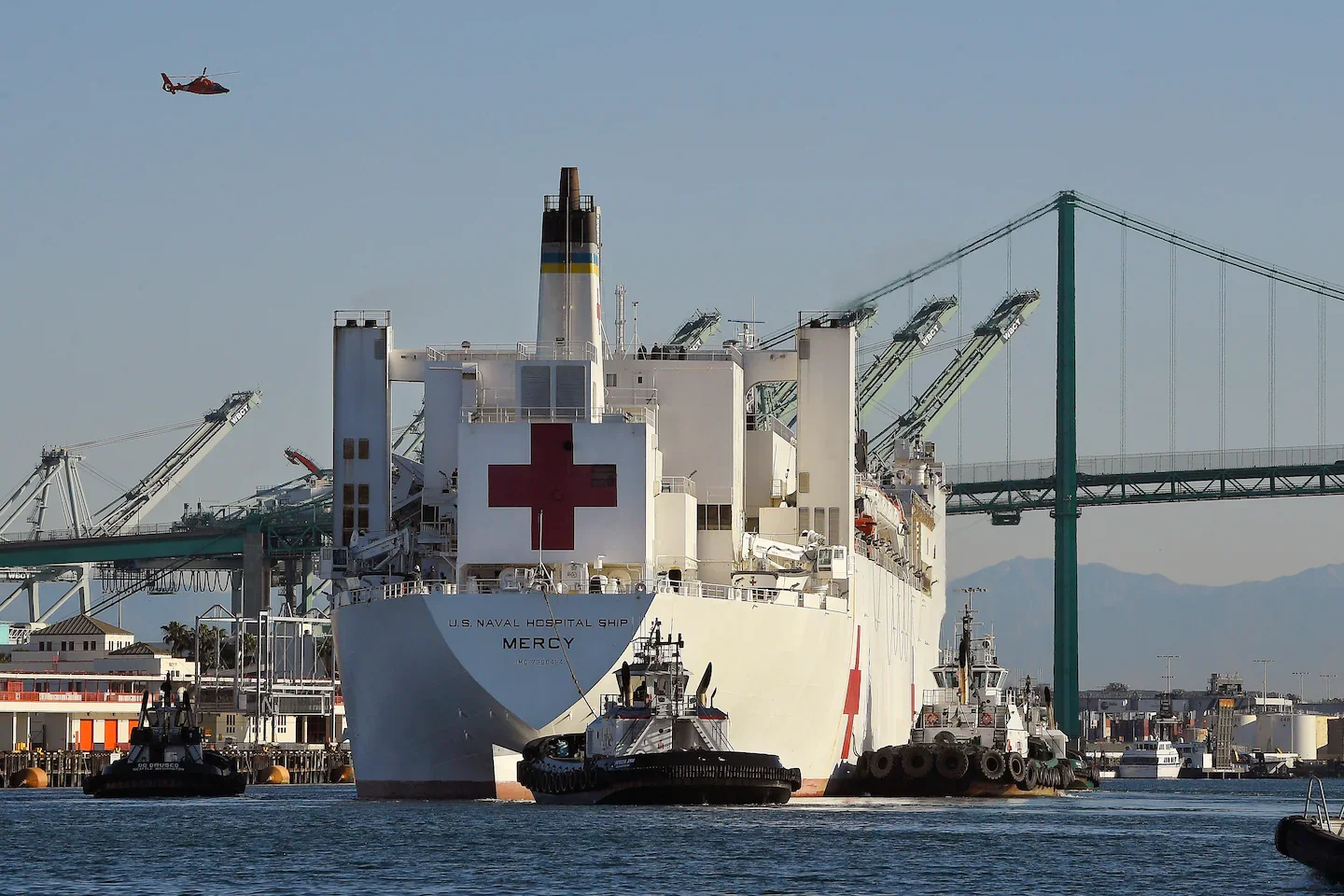
President Trump floated sending a “great hospital ship” to Greenland to care for the island’s sick, but Greenland doesn’t want the help and the U.S. appears to have no hospital ships available, leaving leaders puzzled about the proposal’s feasibility and motivation.
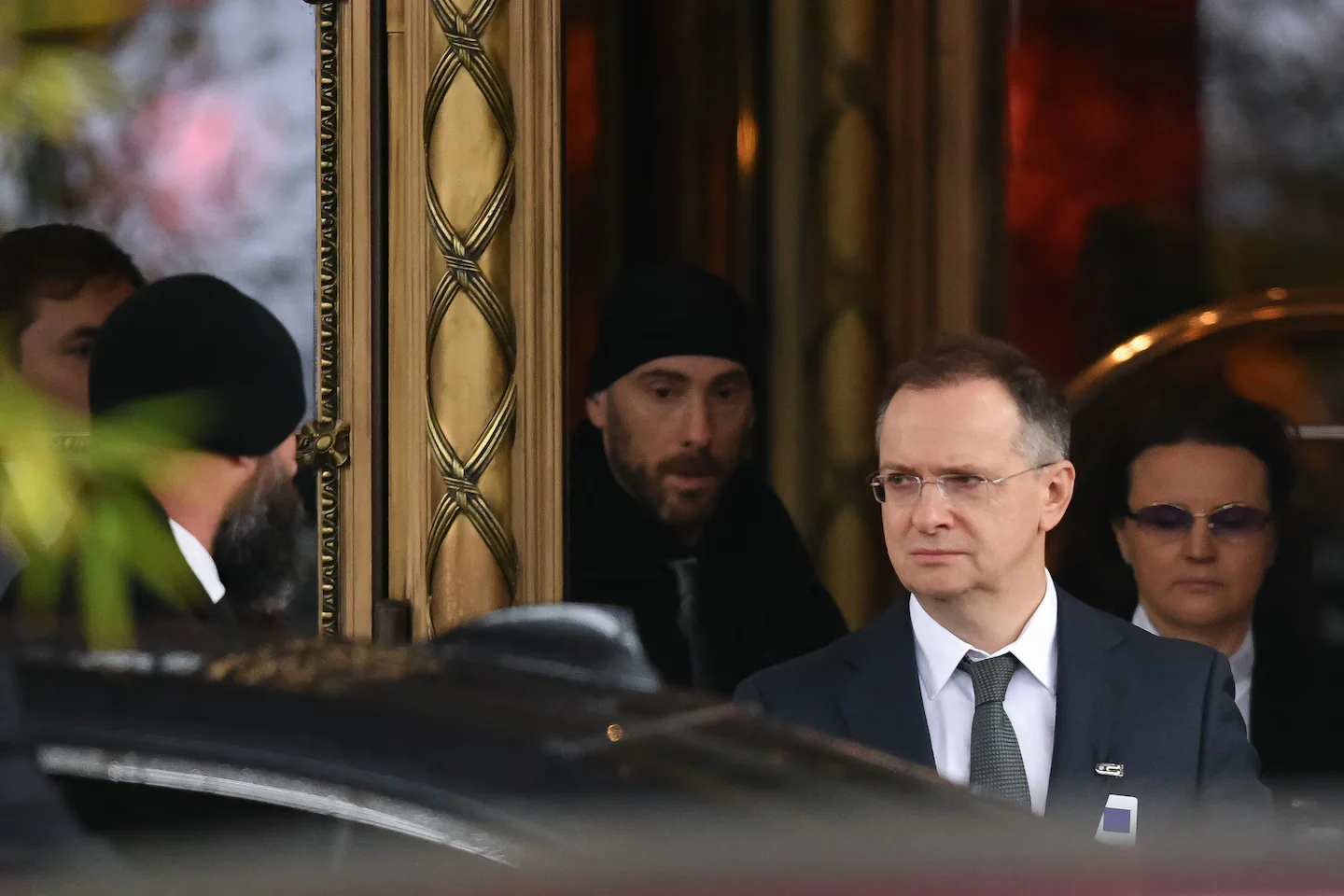
U.S.-mediated talks in Geneva between Moscow and Kyiv ended after two hours with no progress and no sign that Russia would back off its maximalist demand to subjugate Ukraine, leaving the war unresolved. Russian negotiator Vladimir Medinsky called the discussions “difficult but businesslike.”
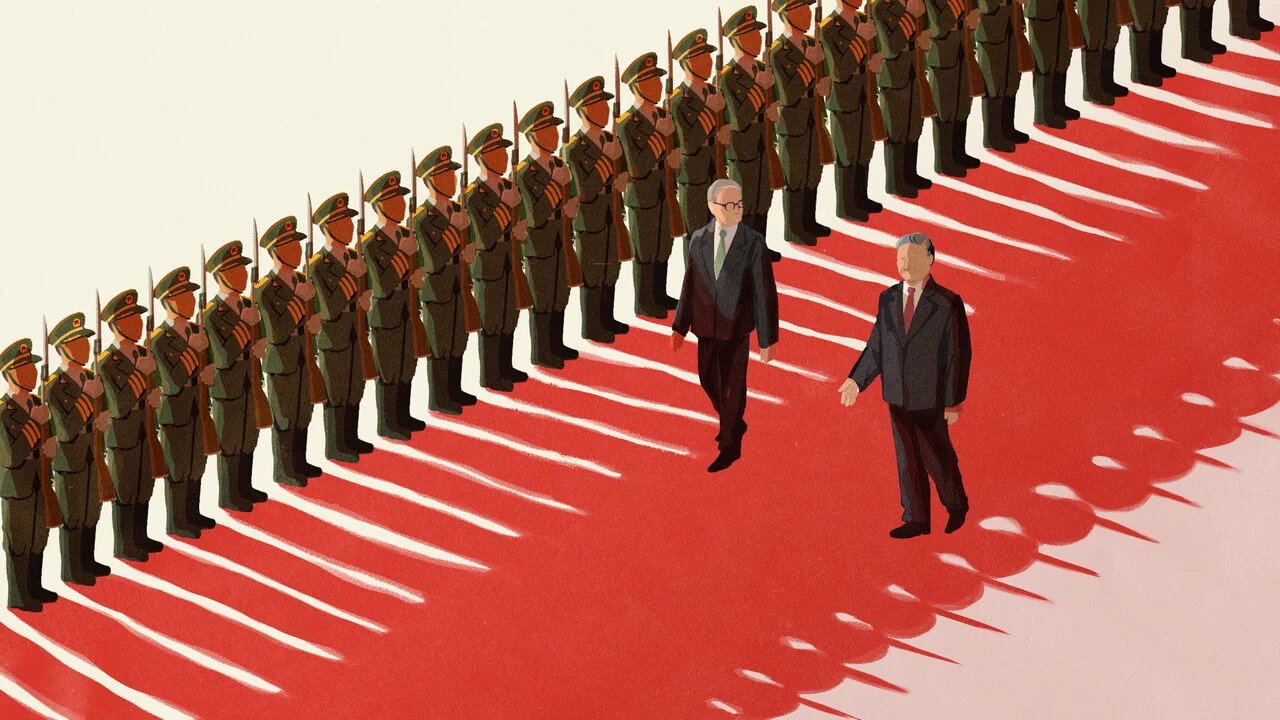
Western allies are traveling to Beijing to meet Xi Jinping, illustrating China’s growing diplomatic pull without visibly pressuring partners. The piece notes China’s ceremonial power projection (the honour guard) and argues Beijing hasn’t yet used its leverage over these states, signaling a patient, influence-first approach that could reshape international alignments.
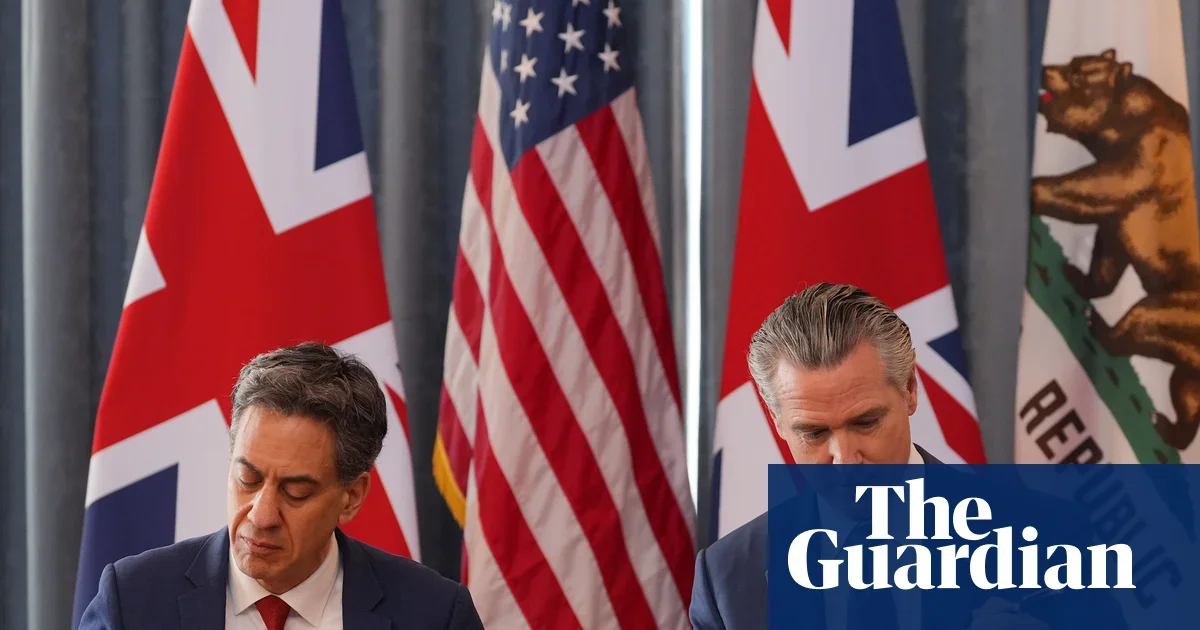
Donald Trump criticized a UK–California green-energy memorandum with Gavin Newsom, calling him a loser and saying it was inappropriate for the UK to partner with him, while UK officials touted the deal as strengthening clean-energy ties and discussed AI and wildfire lessons during Newsom's London visit.
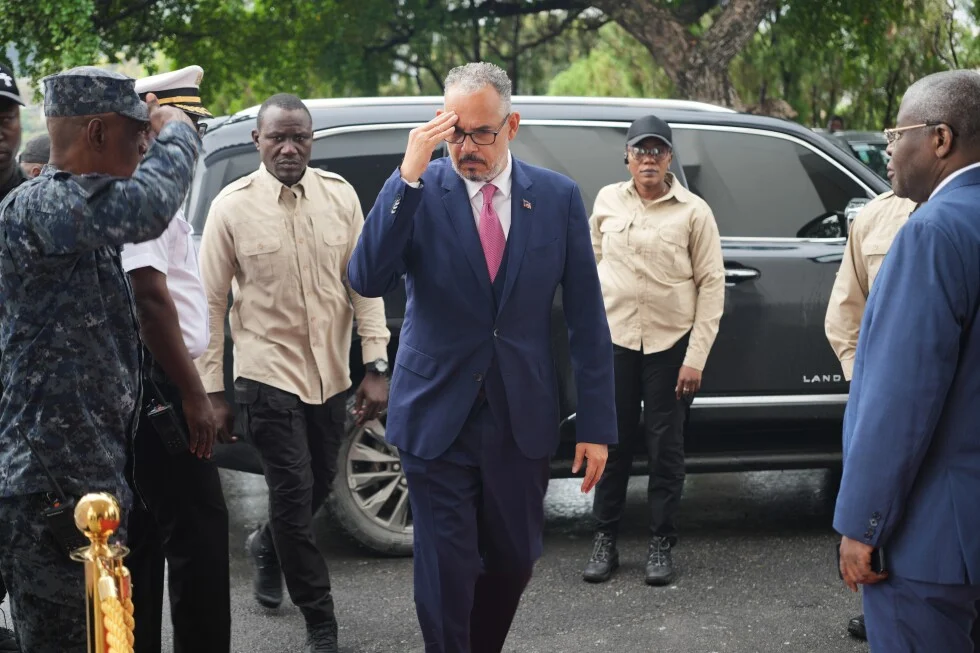
Haiti's nine-member presidential council, in power for nearly two years, steps down as PM Alix Didier Fils-Aimé remains in place ahead of expected general elections that are unlikely to be held this year due to rampant gang violence. The U.S. has imposed visa bans on several council members and a cabinet minister, and a naval presence near Port-au-Prince signals international pressure while talks continue on the future governance and a multinational security mission.
HRW’s annual report warns a global democratic recession has left about 72% of the world’s population living under autocracy, with the Trump administration and ongoing actions by Russia and China threatening the rules-based order; it urges democracies to form a strategic alliance to defend rights, while also highlighting domestic rights concerns in the UK and ongoing civil society protests.
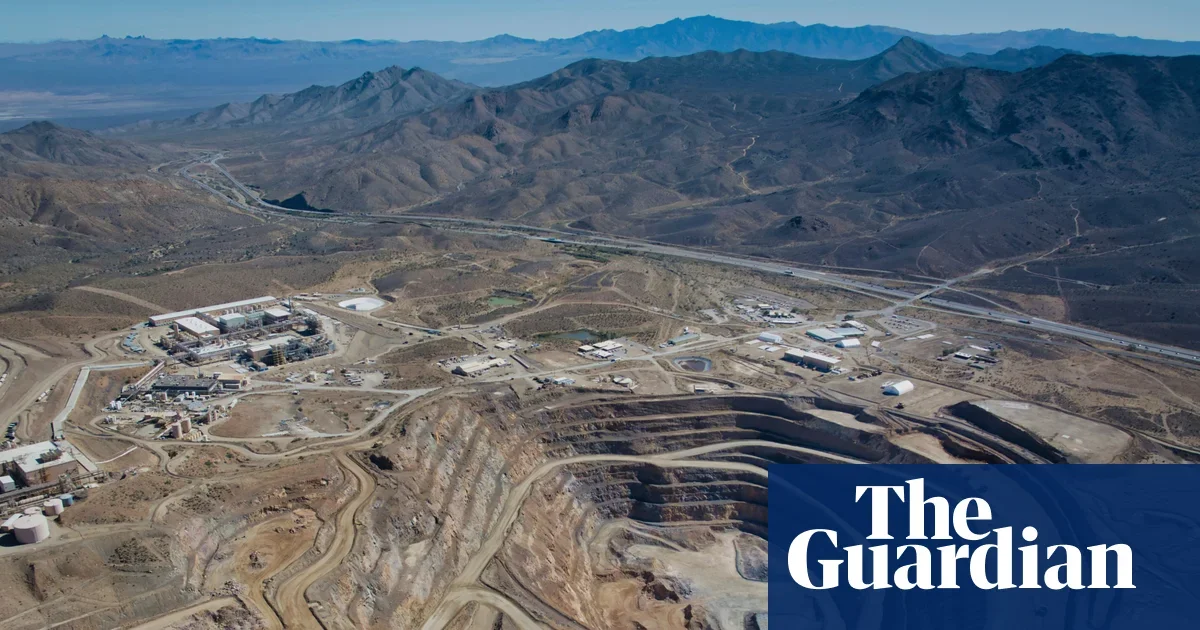
Diplomats warn that skepticism about U.S. reliability under Trump—exacerbated by his push to seize Greenland—could undermine the State Department’s first Critical Minerals Ministerial and risk derailing efforts to diversify supply chains away from China. Although 50-plus countries have been invited and the plan centers on a nonbinding framework for 60 minerals, support is uneven: a handful have signed or shown interest (Philippines, Poland; Romania considering), but EU members Finland and Germany want more policy clarity, India remains noncommittal, and Denmark isn’t sending representatives, while tariff saber-rattling and Davos-era tensions threaten trust. The result could push partners to pursue bilateral or multilateral arrangements without the United States, complicating Washington’s goal to counter Beijing.
Ministers from the US, EU, UK, Japan, Australia, New Zealand and about 20 other countries meet in Washington to discuss a strategic alliance on critical minerals aimed at de-risking and diversifying supply away from China, including Australia’s A$1.2bn mineral reserve and talks on potential US price support, while also navigating ongoing tariff tensions that affect transatlantic ties.
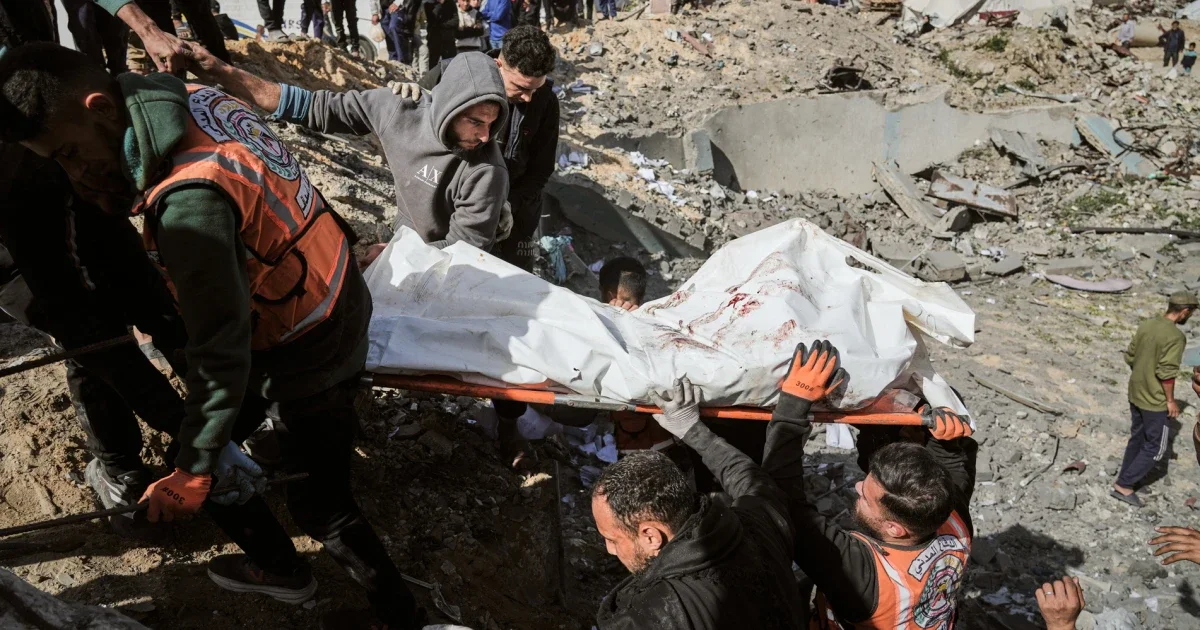
Israeli airstrikes across Gaza killed at least 30 Palestinians, including several children, with casualties reported at a tent camp, an apartment building, and a police station, as the Rafah crossing set to reopen looms over the second phase of a US-brokered ceasefire. Mediators Egypt and Qatar condemned the strikes as escalation, while Israel cited ceasefire violations on the Israeli side; the toll underscores the fragility of the truce amid ongoing fighting.
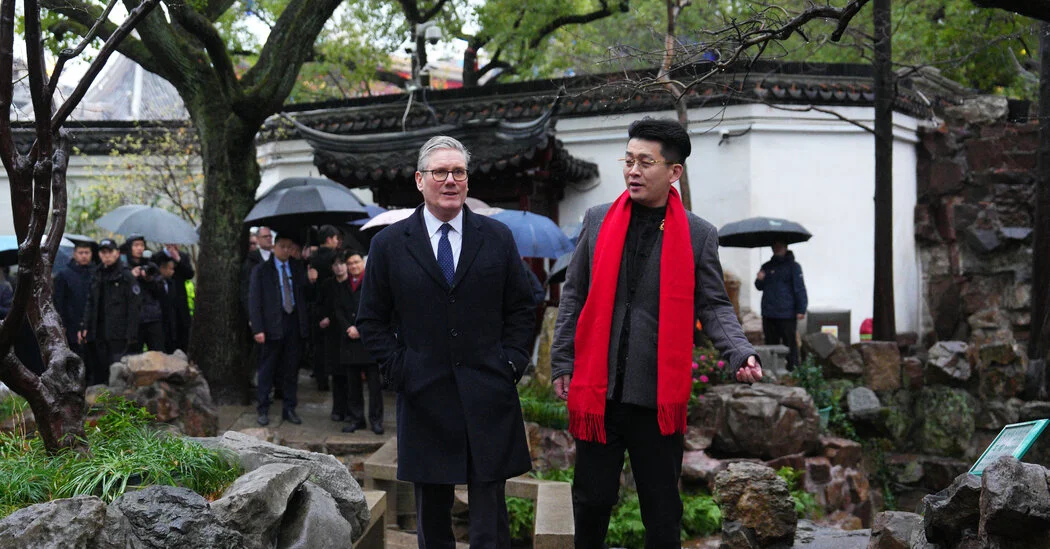
President Trump warns Britain and Canada against boosting trade with China as their leaders press Beijing for deals; UK Prime Minister Keir Starmer and Canadian Prime Minister Mark Carney have visited China to diversify ties, with Canada signaling tariff concessions on some Chinese EVs and talks on canola, illustrating Western hedging against U.S. policy.
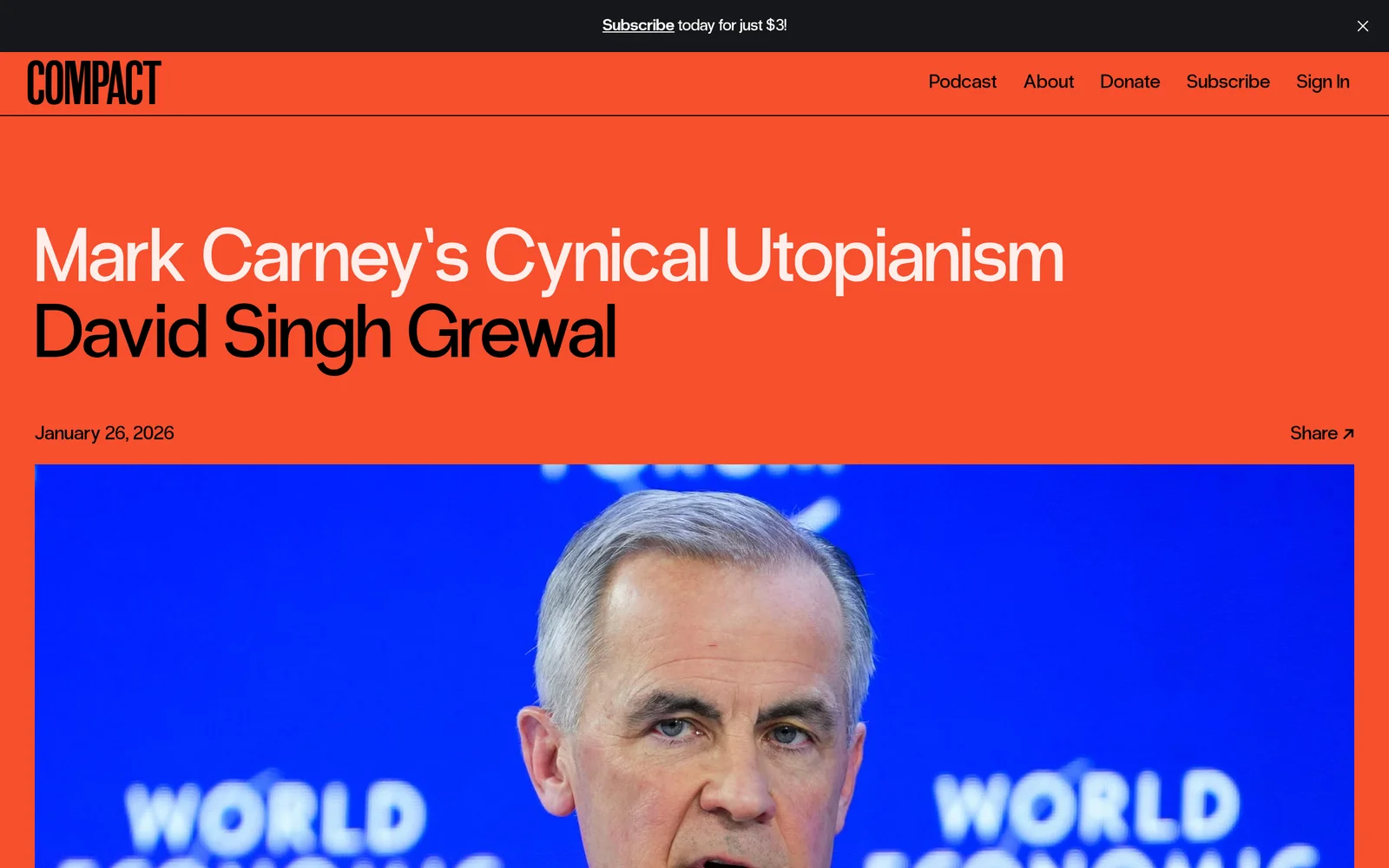
At Davos, Mark Carney framed the moment as a rupture from American-led multilateralism and urged Canada to act as a ‘middle power’ in opposition to Trump’s push for a more dominant U.S. role, invoking Vaclav Havel and criticizing “the power of the powerful.” The piece notes initial emotional reaction but, after rereading the transcript, the author doubts the utopian impulse and cautions against cynically romantic nationalism.
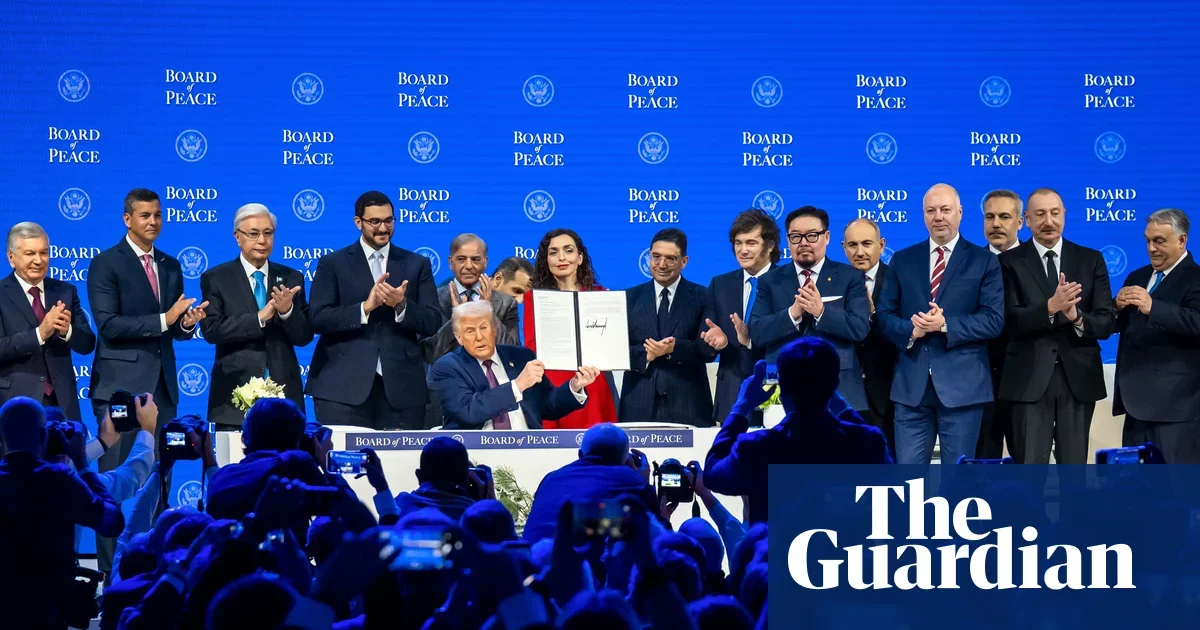
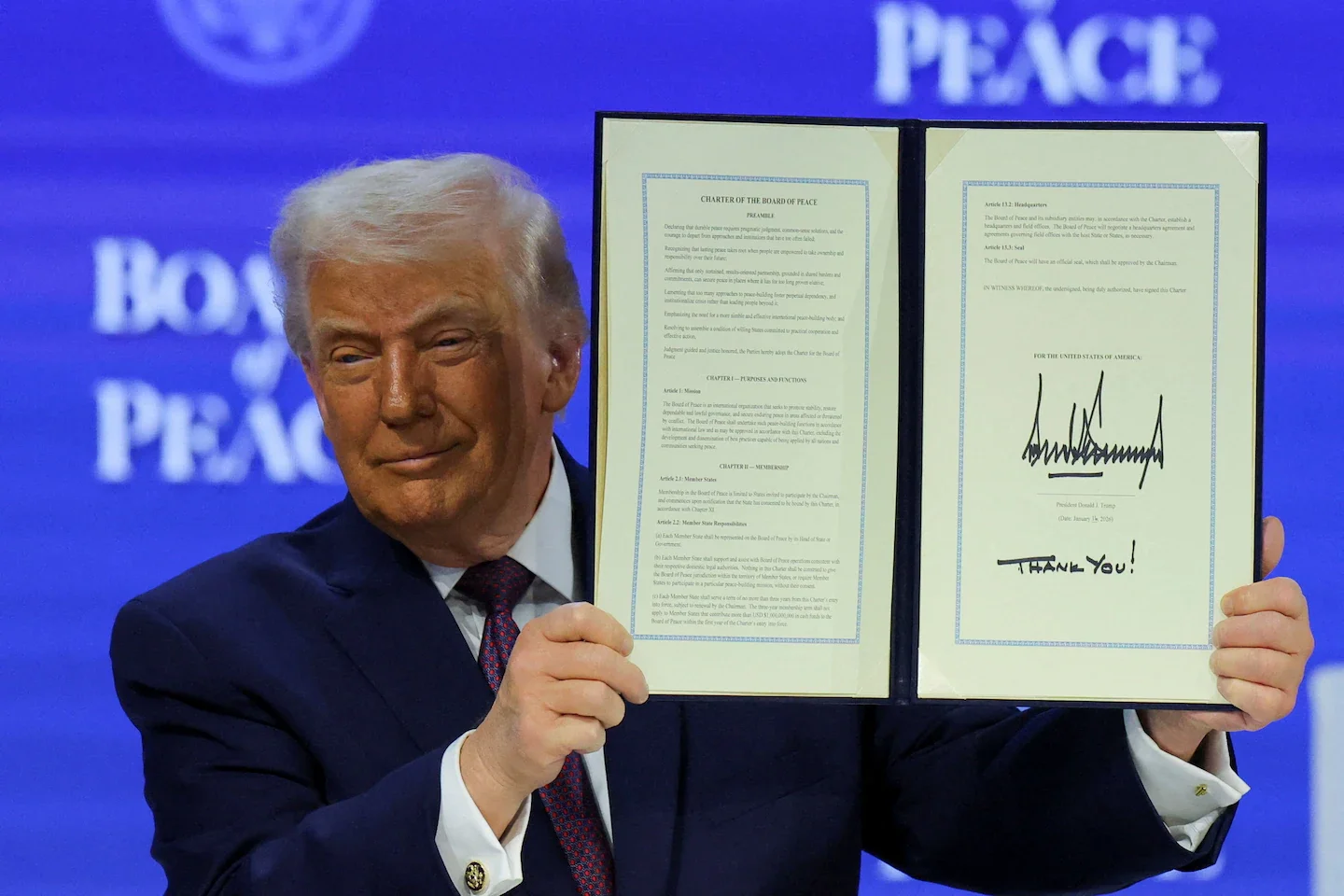
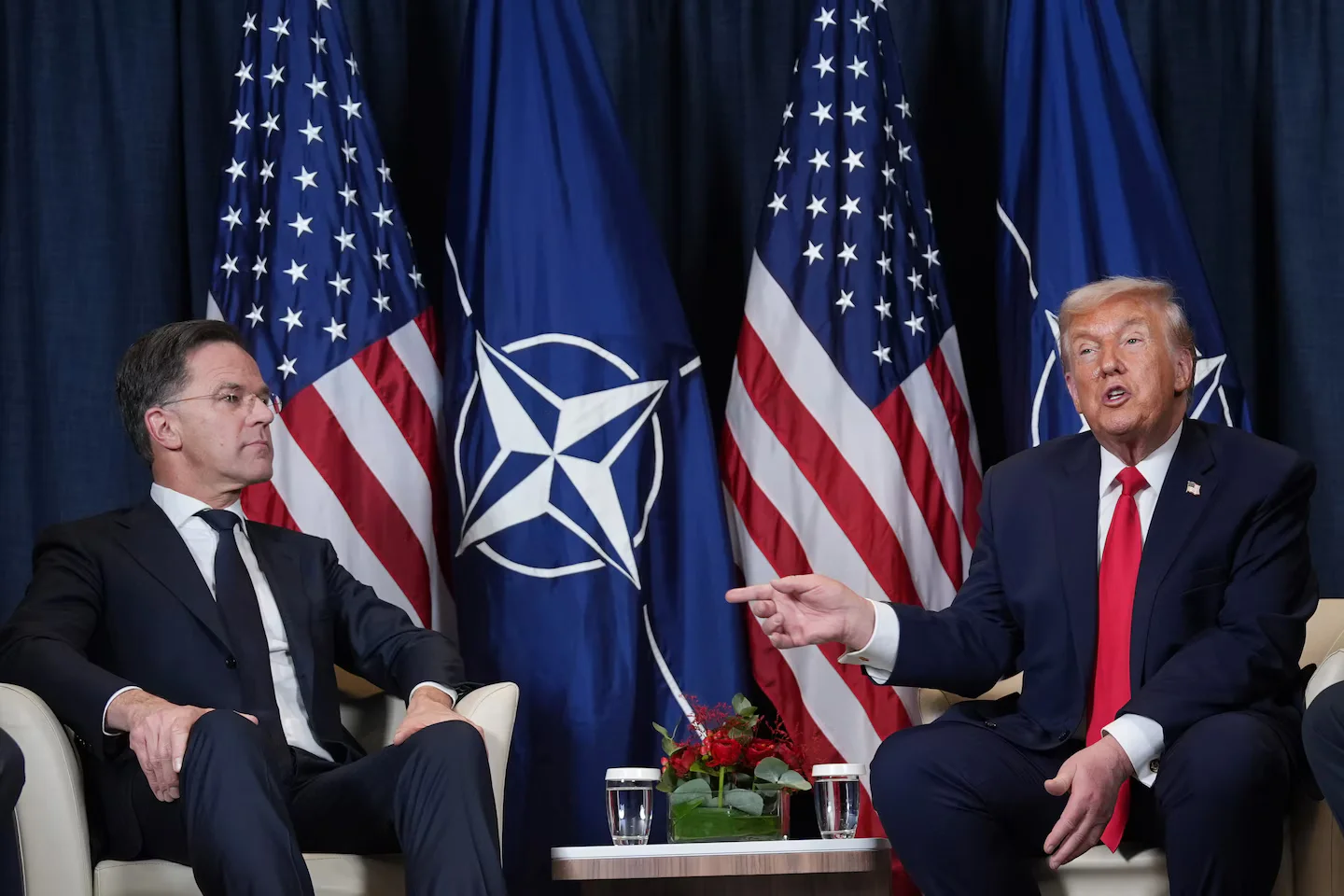
At Davos, Trump introduces the Board of Peace—a coalition of allied nations backing his Gaza reconstruction push and other peace initiatives—framed by Rubio as a pragmatic answer to a faltering international order and signaling a transactional shift in U.S. diplomacy.
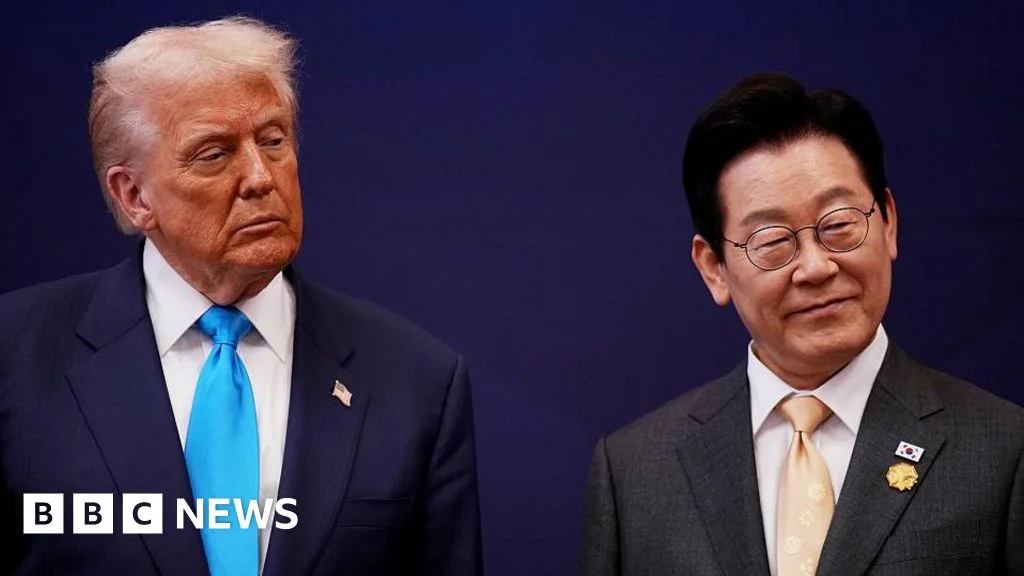
President Trump announced a 25% tariff increase on South Korean imports (from 15%), accusing Seoul of not living up to a bilateral trade deal. South Korea says it has not received official notice and wants urgent talks, as the deal’s approval is still winding its way through Seoul’s National Assembly. The move prompted declines in some South Korean stocks and highlights ongoing friction over the trade agreement and broader US tariff policy.
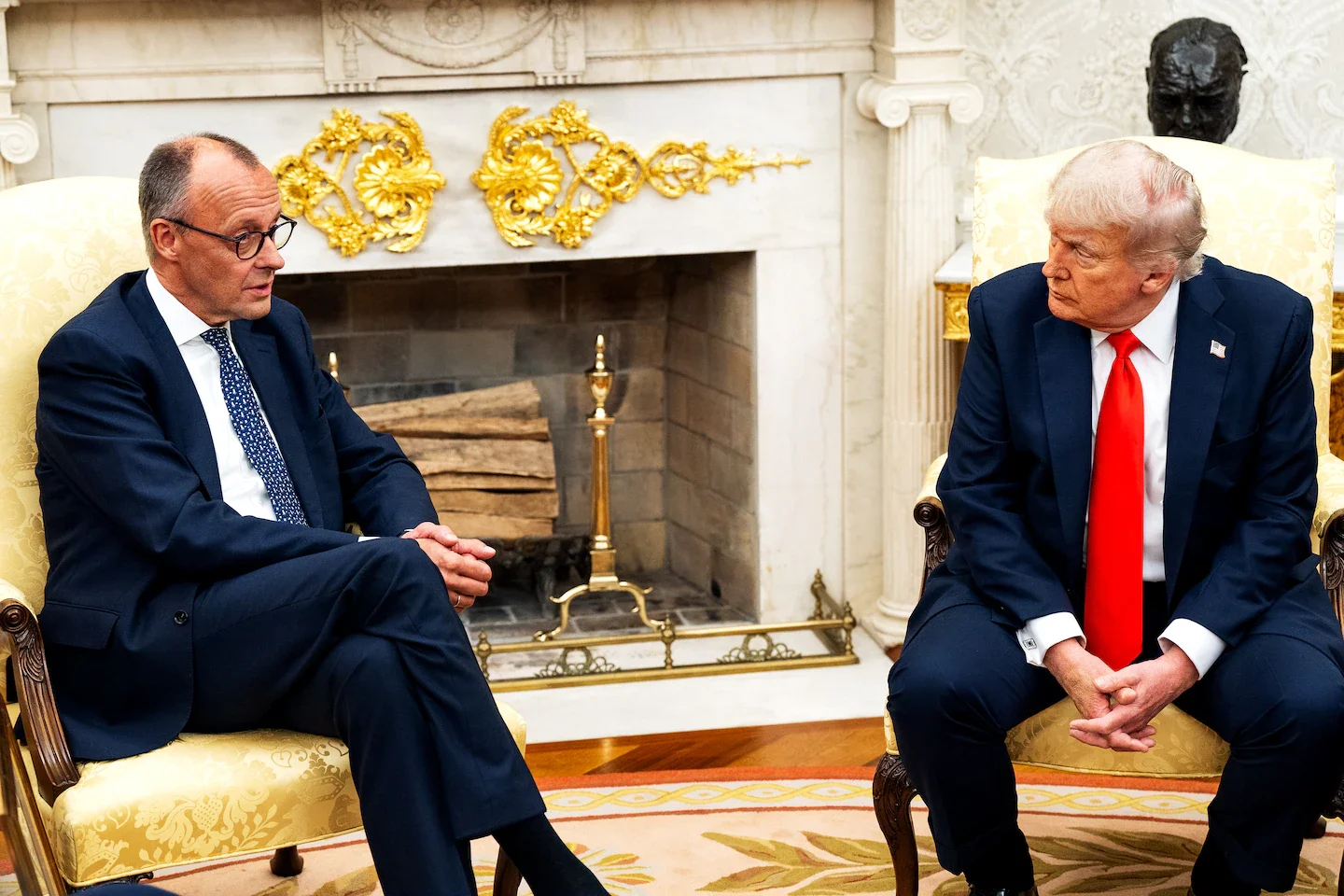
Many Germans remember the United States as postwar saviors and security guarantors, especially from West Berlin days and U.S. pop culture, but President Trump’s questioning of Europe and NATO has frayed trust and raised questions about the future of the long-standing transatlantic alliance, leaving Germans torn between nostalgia and concern over security commitments.
President Trump’s shift away from U.S.-led globalization toward an America First approach is reshaping the global economy, with allies warning the move could raise economic risks as trade and investment links recalibrate in a less integrated, more unruly order.