The U.S. government has granted TSMC an annual license to import U.S. chipmaking tools into its Nanjing facility in China, ensuring uninterrupted operations and deliveries, as part of a shift from previous exemptions that expired at the end of 2023. This license allows TSMC to continue producing chips, including mature node chips, at its Nanjing plant, which contributes about 2.4% to its revenue.
Taiwan Semiconductor Manufacturing (TSMC) is positioned for significant long-term growth due to its crucial role in producing chips for AI development, benefiting from the increasing demand for AI accelerators and data center hardware, making it a compelling investment for the next decade.
Intel's stock dropped 2.3% after Nvidia abandoned plans to use Intel's 18A chip production process, undermining hopes for Intel's manufacturing revival. Nvidia's decision, despite previously testing Intel's process and taking a $5 billion stake, signals ongoing manufacturing challenges for Intel and impacts investor confidence. Nvidia's stock, however, continues to rally, reflecting strong demand and positive market sentiment.
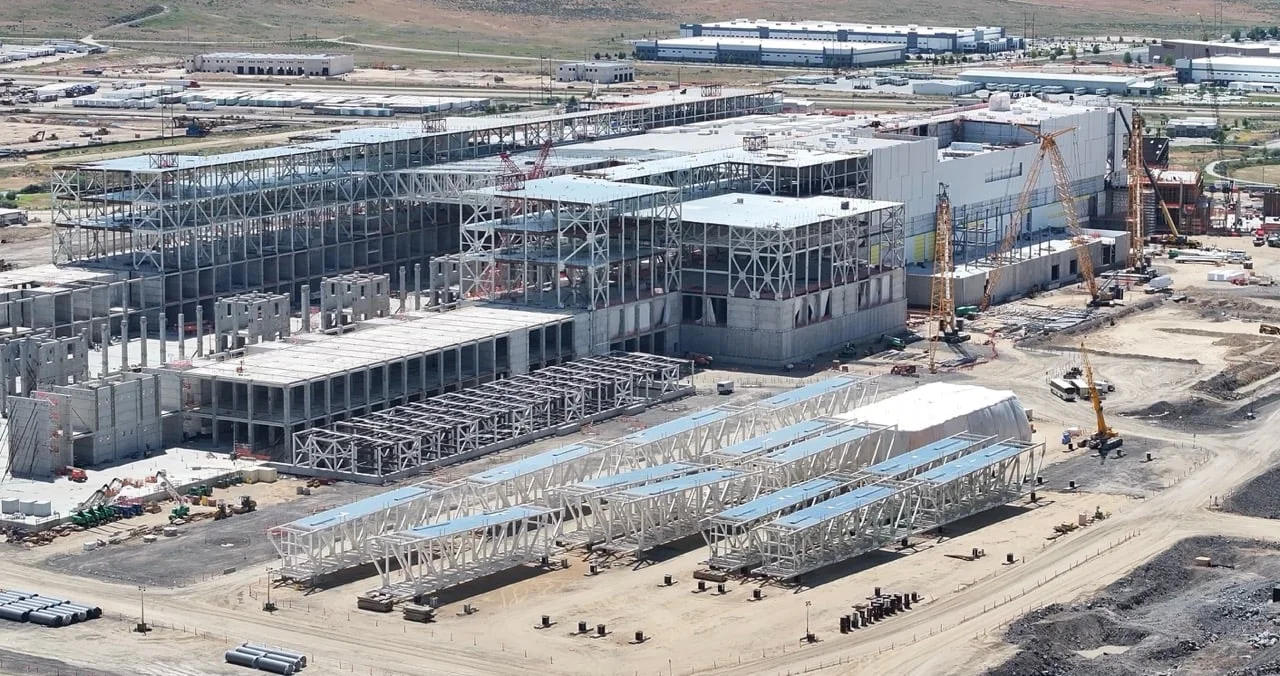
Micron Technology reported record profits driven by AI demand, surpassing analyst expectations with a 57% revenue increase to $13.6 billion, and is accelerating its Boise expansion, planning to start production earlier than expected and increasing its Idaho investment to $50 billion.
Qualcomm and MediaTek are reportedly planning to use TSMC's advanced 2nm N2P process for their upcoming chipsets, potentially giving them an edge over Apple, which is expected to use the initial N2 process. The mass production of these chips is anticipated to begin in the second half of 2026, with TSMC's 2nm process being a scarce resource due to limited capacity.
A Silicon Valley start-up, Substrate, has raised over $100 million to develop cost-effective chip manufacturing technology using particle accelerators, aiming to challenge industry giants TSMC and ASML and boost US semiconductor independence amid geopolitical tensions.
Intel's Q3 report exceeded expectations with increased revenue, improved profitability, and a stronger balance sheet, signaling signs of a turnaround despite ongoing challenges like supply constraints and yield issues in new manufacturing processes. The company's focus on data center growth and upcoming product launches suggests potential long-term gains, though short-term hurdles remain.
Taiwan Semiconductor Manufacturing (TSMC) exceeded Q3 earnings estimates with $2.92 per share on $33.1 billion in sales, driven by strong demand for advanced process technologies and AI chips, leading to a stock surge and record high. The company also provided optimistic guidance for the upcoming quarter, supporting its position as a leading semiconductor supplier for major tech firms.
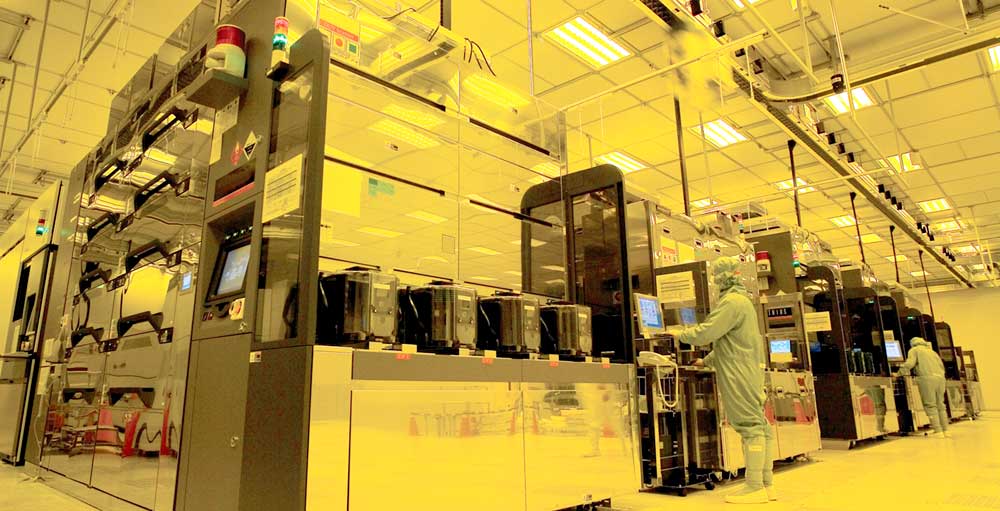
Intel has opened its new Fab 52 in Arizona, marking a significant step in its effort to regain dominance in chip manufacturing with advanced 18A process technology, aiming to produce more powerful and efficient CPUs amidst intense industry competition and scrutiny.
Rumors that AMD is fabbing chips at Intel Foundry are false; multiple sources confirm AMD is not manufacturing at Intel's foundry, and the misinformation likely stems from attempts to cover short positions or misinformation in the financial sector.
Intel is in early talks to manufacture chips for AMD, which caused Intel's stock to rise significantly; this move could boost Intel's foundry business and signal confidence between the two competitors.
Intel is in early talks to become a foundry customer for AMD, signaling a potential shift in chip manufacturing alliances amid Intel's struggles to produce advanced chips for AMD, which currently relies on TSMC. The move reflects broader industry shifts and strategic realignments in semiconductor manufacturing.
The US is urging Taiwan to help produce half of its semiconductor chips domestically to reduce over-reliance on Taiwan Semiconductor Manufacturing Co., as part of a strategic move to counter China's threats and secure supply chains, with discussions ongoing about shifting investment and production to the US.
Intel is undertaking a significant restructuring to recover from recent losses and industry underperformance, including layoffs, strategic partnerships with companies like Nvidia, and seeking investments from Apple and the US government, aiming to regain its position in the semiconductor industry.
Intel's stock has surged over 50% in three months amid speculation of potential investments from Apple and TSMC, with discussions possibly involving partnerships or joint ventures to enhance U.S. chip production and navigate political and economic challenges.