international-relations0.145 min read
US Engages Directly with Syrian Rebels Post-Assad
1 year ago•Source: The New York Times

The latest international relations stories, summarized by AI
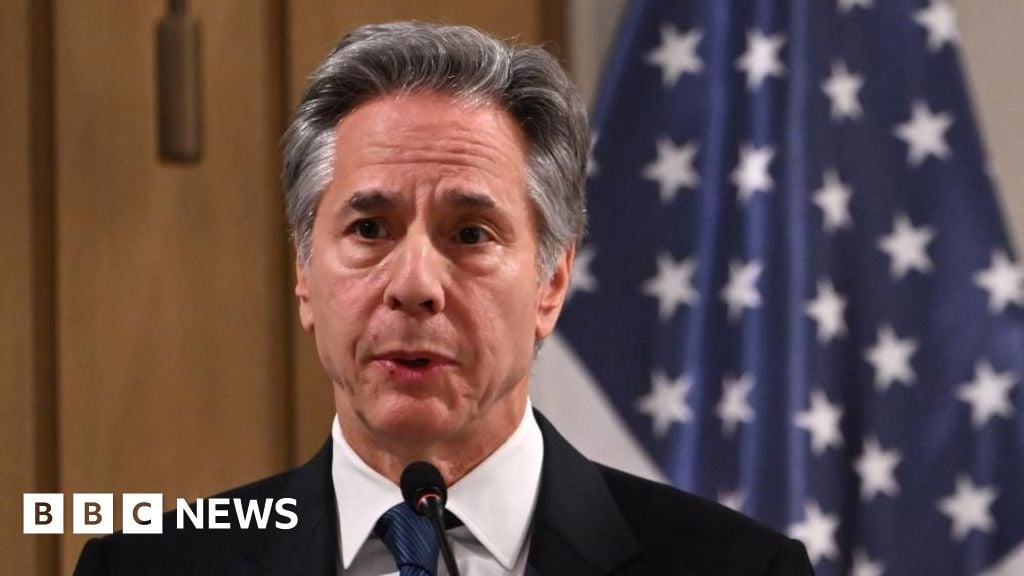
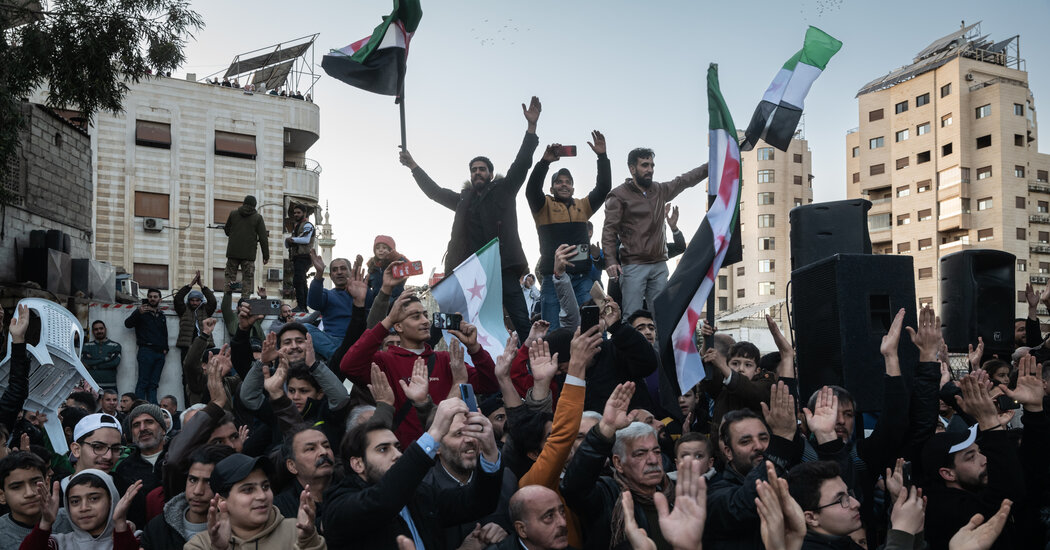
The US has confirmed direct contact with the Syrian rebel group Hayat Tahrir al-Sham (HTS), despite its designation as a terrorist organization, as part of efforts to support a peaceful transition in Syria. This was announced by Secretary of State Antony Blinken during talks in Jordan with representatives from Arab countries, Turkey, and Europe. The discussions emphasized the need for an inclusive Syrian government and the prevention of chaos similar to Libya's post-Gaddafi era. The meeting highlighted regional concerns over Syria's future, with a focus on maintaining existing institutions and preventing terrorism during the transition.
POLITICO•1 year ago
Axios•1 year ago
The foreign ministers of Egypt and Jordan have called for Israel to withdraw from a demilitarized zone along the Syrian border, as announced during a joint press conference in Jordan.
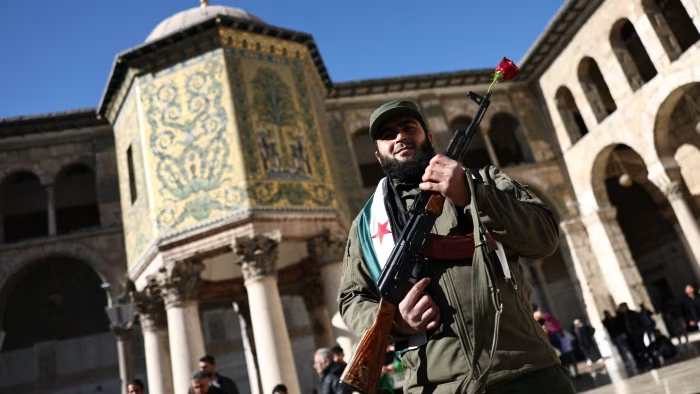
Syria's interim government has filed a complaint with the UN Security Council over Israeli airstrikes and the expansion of a buffer zone in Syria, following the overthrow of President Bashar Al-Assad by rebel groups. Israel has extended the buffer zone to prevent jihadi groups from gaining a foothold near its border, citing security concerns. The UN Secretary-General expressed concern over the violations of Syria's sovereignty, emphasizing the need for orderly transitional arrangements in the country.
Turkey's Foreign Minister Hakan Fidan revealed that Turkey played a crucial role in ensuring the non-intervention of Russia and Iran during the recent offensive that led to the fall of Bashar Assad's regime in Syria. Through diplomatic talks, Turkey helped prevent a potentially bloody conflict by convincing Assad's allies not to support him. Fidan emphasized the importance of preventing chaos and ensuring the protection of minority groups under the new leadership in Damascus, led by Ahmad al-Sharaa, despite concerns over his past affiliations.
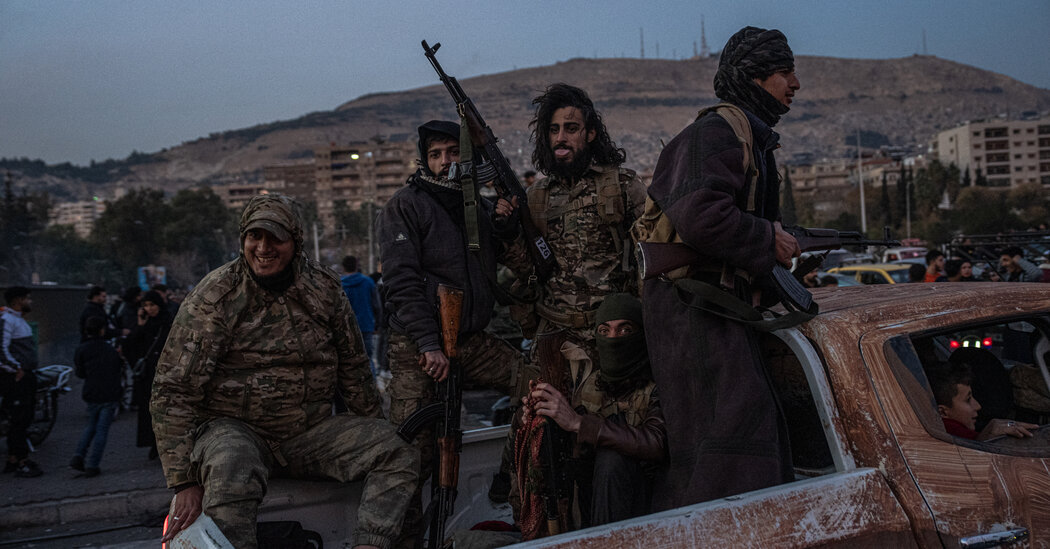
Turkey is gaining significant geopolitical advantages following the ouster of Syrian President Bashar al-Assad. This shift in power dynamics in the Middle East is enhancing Turkey's influence in the region, as it navigates new diplomatic and strategic opportunities.
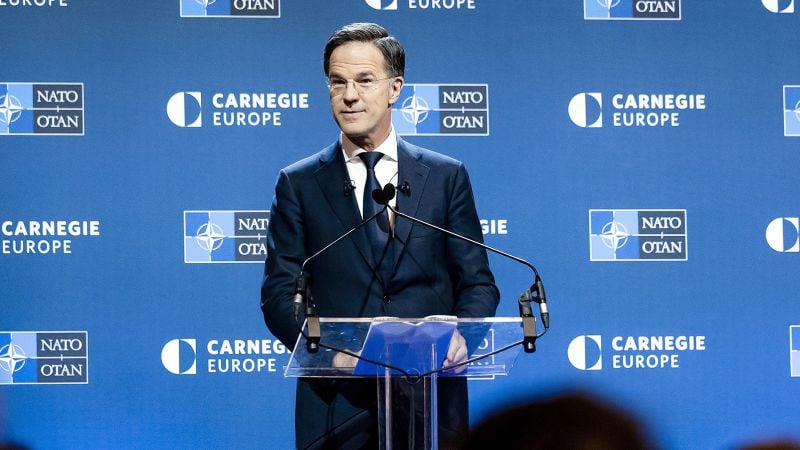
NATO Secretary-General Mark Rutte has urged the alliance to adopt a wartime mindset and significantly increase defense spending beyond the current 2% GDP target to counter long-term threats from Russia. Rutte emphasized the need for enhanced defense production and cooperation among member states, warning of potential destabilization efforts, including cyberattacks. He also highlighted concerns over China's military expansion.

China is concerned about the Syrian rebel takeover of Damascus, led by Hayat Tahrir al-Sham (HTS), due to the involvement of the Turkestan Islamic Party (TIP), a Uyghur separatist group linked to al-Qaeda. The TIP, seeking an independent Islamic state in Xinjiang, has gained combat experience in Syria, raising fears in Beijing of potential future insurgency. Despite the threat, China has maintained a non-interventionist stance, relying on intelligence sharing with Syria, which may be disrupted by Assad's ousting. The situation poses risks to China's Belt and Road Initiative, especially if TIP militants return to Afghanistan and Pakistan.
The article argues that the U.S. must continue supporting its Kurdish partners, the Syrian Democratic Forces (SDF), in Syria to prevent regional instability and counter hostile actors like ISIS. It highlights the threat posed by Turkish-backed Syrian National Army (SNA) rebels and the need for U.S. mediation between the SDF and Turkey. The authors emphasize the strategic importance of maintaining a U.S. presence in the region to safeguard gains against ISIS and influence Syria's future, while also addressing Turkey's security concerns.
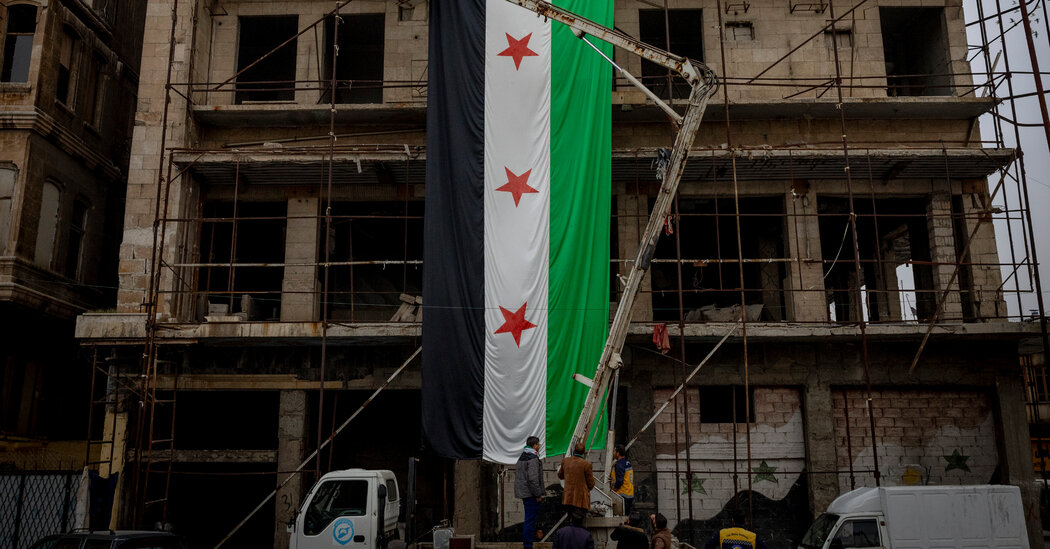
The United States and its allies are actively working to influence the future political landscape of Syria, aiming to establish a stable and cooperative government in the region. This effort involves diplomatic negotiations and strategic planning to counterbalance other influential powers in the Middle East.
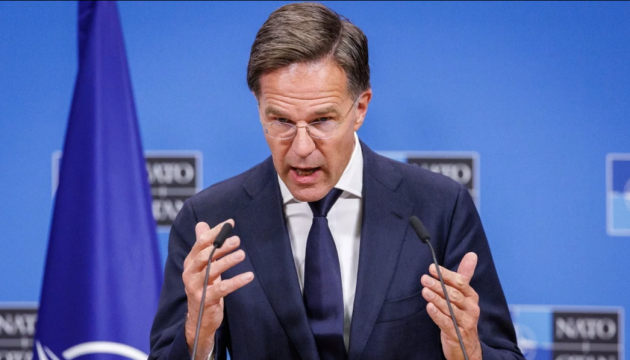
NATO Secretary General Mark Rutte has urged the Alliance to adopt a wartime mindset to prevent future conflicts, emphasizing the need for increased defense production and spending. Speaking in Brussels, Rutte highlighted the urgency of adapting to emerging threats, particularly from Russia and China, whose military capabilities are rapidly advancing. He called for a "turbo-charged" approach to defense manufacturing and spending, warning that NATO risks falling behind if it does not act decisively. Rutte also noted that current defense spending targets are insufficient, suggesting they may need to increase to 3% of GDP or more.
During a meeting with US Secretary of State Antony Blinken, Turkish President Tayyip Erdogan emphasized Turkey's commitment to maintaining strong security measures in Syria against groups it considers terrorist threats, including the Islamic State. Erdogan urged international cooperation for rebuilding Syrian institutions and assured that Turkey would not allow any weaknesses in its anti-terrorism efforts.