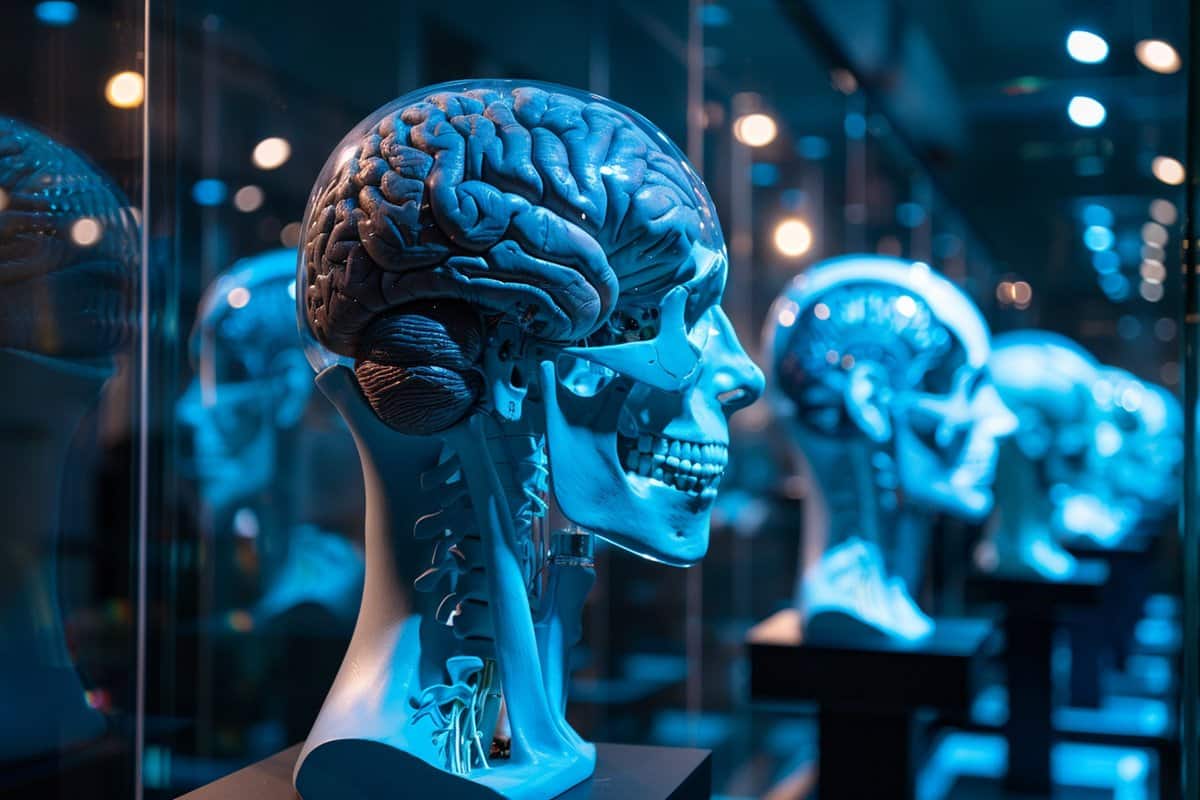
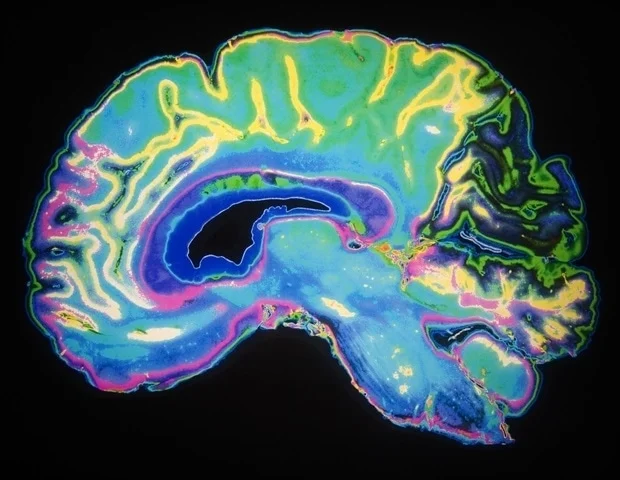
Recent research suggests that the ancient regions of the brain, such as the subcortex and cerebellum, may play a more significant role in consciousness than previously thought, challenging the traditional focus on the neocortex.
The article explores the evolution of the human brain, emphasizing the role of the neocortex and social complexity in developing advanced cognition, highlighting that brain growth was driven by survival challenges and social needs rather than innate intelligence.
Recent research suggests that the oldest parts of the brain, such as the subcortex and even the cerebellum, may be sufficient for basic consciousness, challenging the traditional view that the neocortex is essential for conscious experience. Evidence from brain stimulation, injury, and rare cases of individuals without a neocortex indicates that consciousness might be more widespread and rooted in ancient brain structures than previously thought.
Recent research suggests that traditional theories emphasizing the neocortex's role in consciousness may be incomplete, as evidence indicates that ancient brain regions like the subcortex and cerebellum can support basic conscious experiences, prompting a reevaluation of our understanding of consciousness and its neural basis.
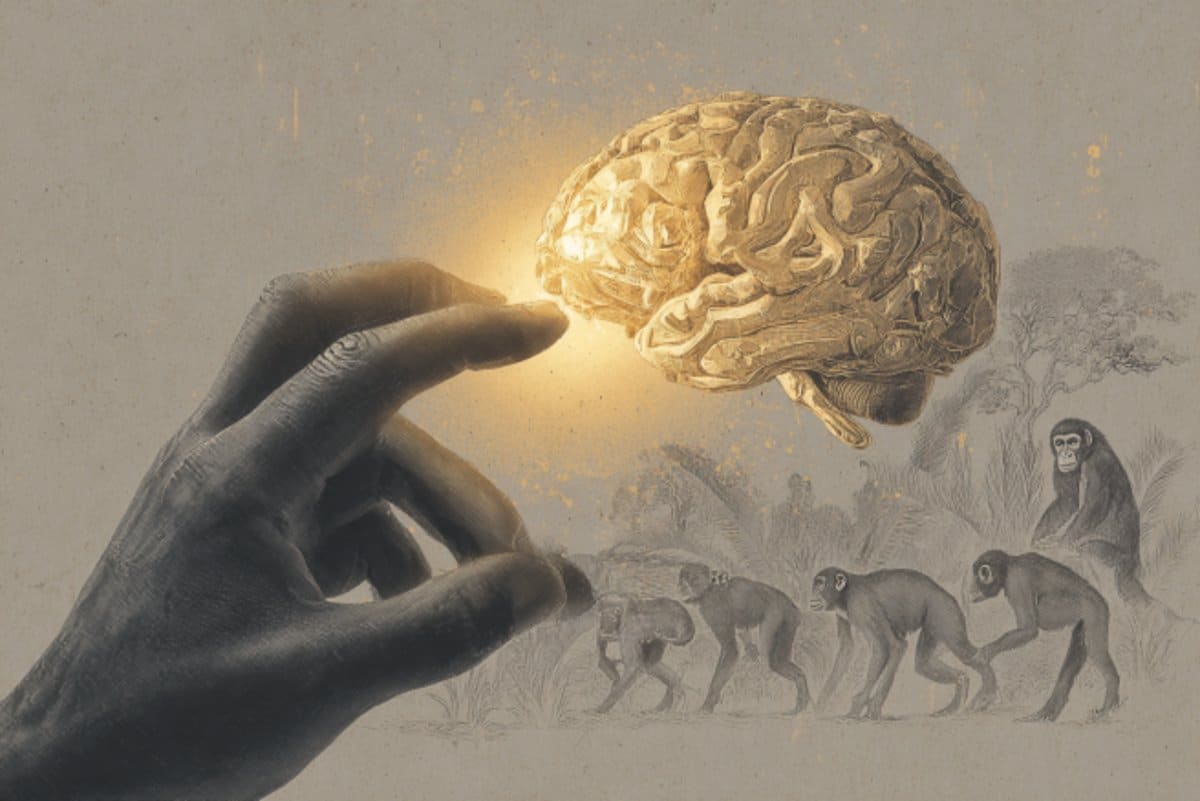
Research shows that longer thumbs in primates are linked to larger brains, especially the neocortex, indicating that manual dexterity and brain evolution developed together, with implications for understanding human cognitive and motor development.
A study analyzing 94 primate species found that longer thumbs are associated with larger brains, particularly the neocortex, suggesting that manual dexterity may have driven brain growth in humans and other primates, with implications for understanding the evolution of intelligence and tool use.
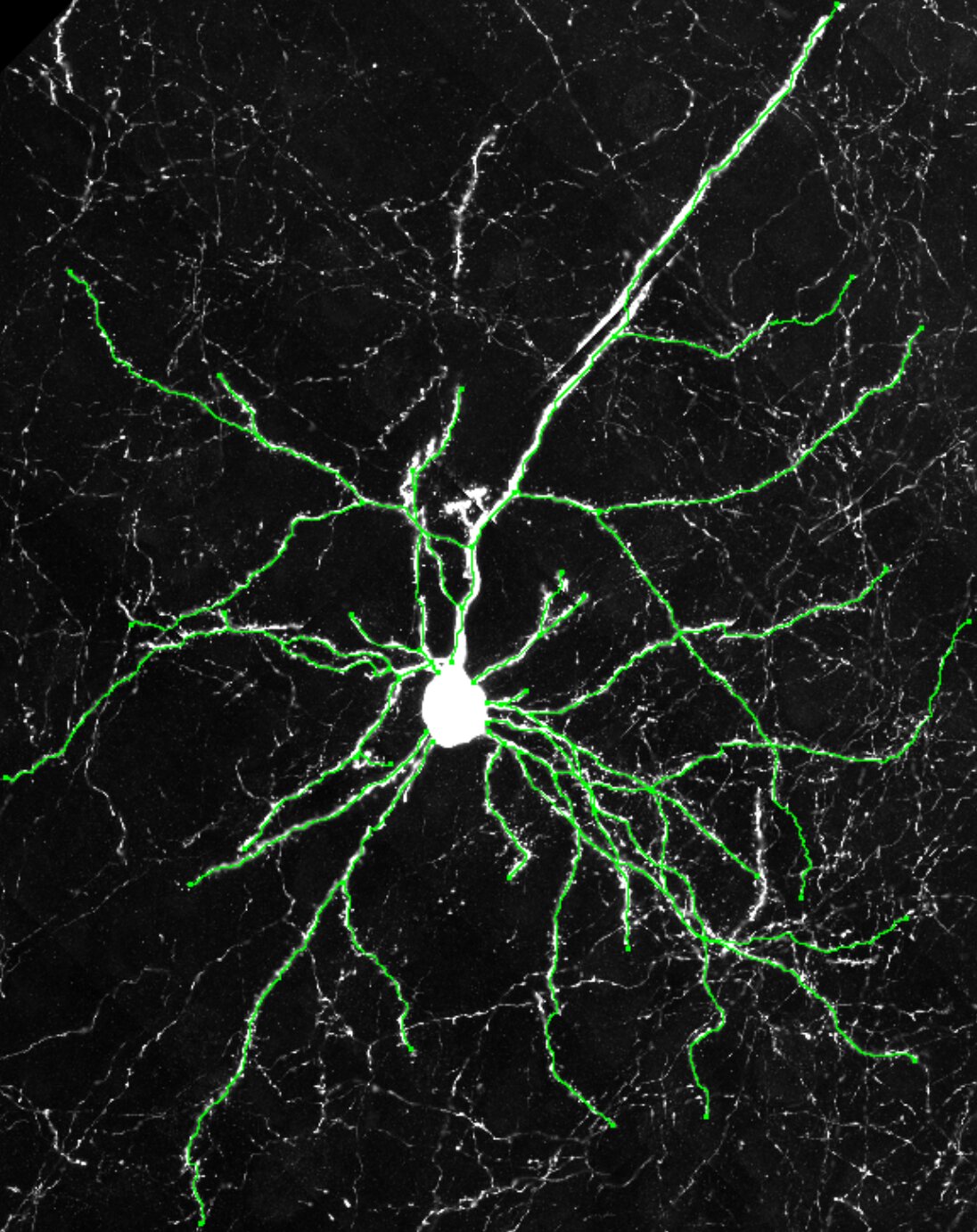
A study by UT Southwestern found that the human CLOCK gene, known for regulating circadian rhythms, also enhances neural connectivity and cognitive flexibility in mice by promoting more intricate neural networks, suggesting a role in human brain evolution.
New research reveals that slow-wave sleep enhances synaptic connections in the neocortex, optimizing it for long-term memory formation by transferring information from the hippocampus. This process occurs at specific moments during slow-wave oscillations, potentially improving memory retention techniques like electrical stimulation for cognitive impairments. The study used human brain tissue to demonstrate how these oscillations strengthen synapses, offering insights into targeted memory enhancement strategies.
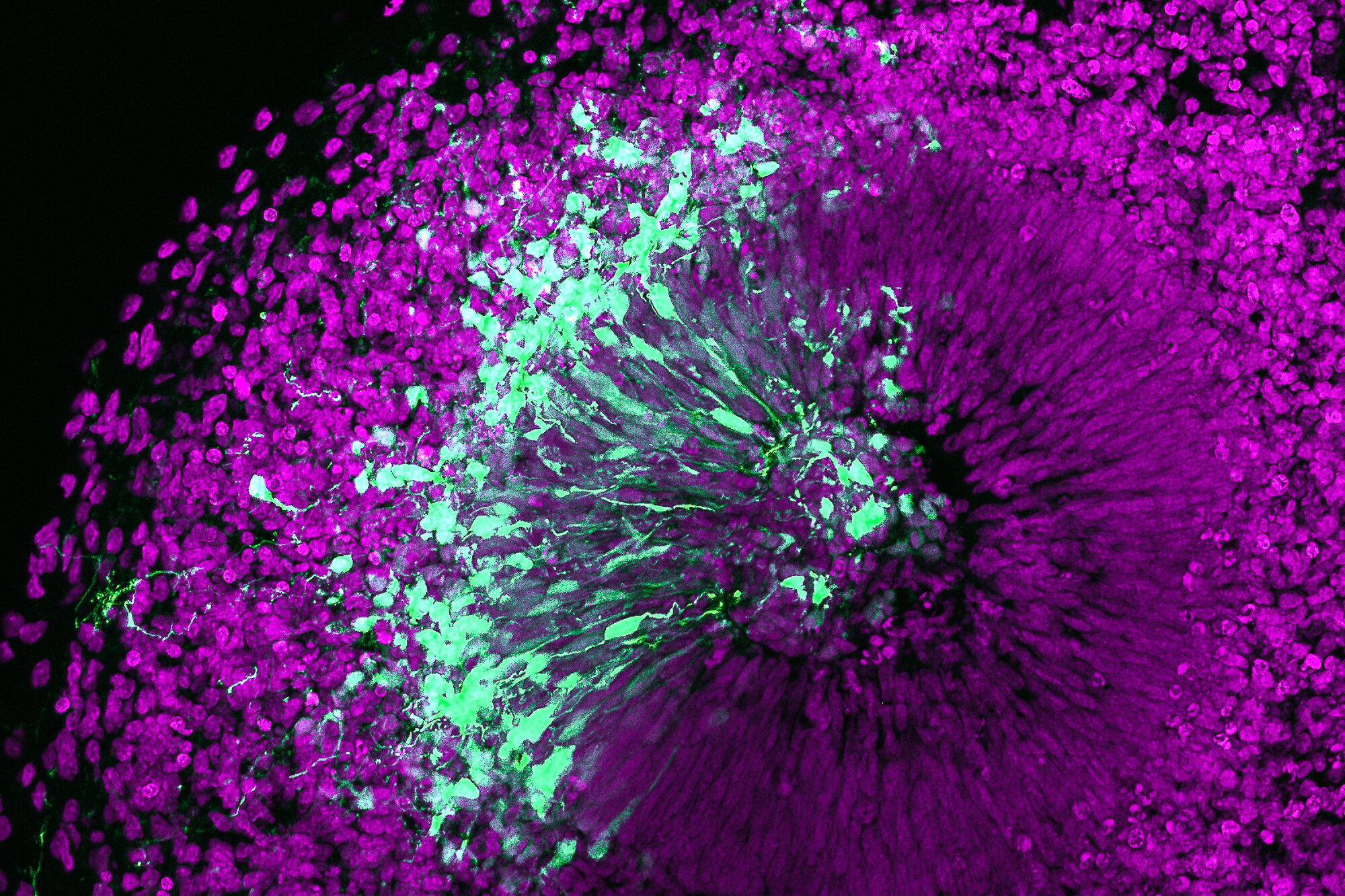
Researchers have identified epiregulin as a key factor in the expansion of the human neocortex, using 3D brain organoids to compare brain development between mice and humans. The study suggests that the quantity of epiregulin distinguishes human brain development from other species, including primates like gorillas, shedding light on what makes the human brain unique and emphasizing the value of innovative methodologies in understanding evolutionary processes.
A study led by Dr. Mareike Albert at the Center for Regenerative Therapies Dresden has identified a growth factor, epiregulin, as a crucial regulator for the expansion of the neocortex in humans. Using 3D brain organoids, the research team found that epiregulin promotes the division and expansion of stem cells in the developing human brain. The study also compared the effect of epiregulin in human and gorilla brain organoids, revealing that the amount of the growth factor may be the crucial regulator for inter-species differences in brain expansion. This research not only advances our understanding of human uniqueness but also highlights the importance of new technologies that offer ethical and non-invasive complements to animal research.
A new study published in Science Advances explores the relationship between brain size, cognitive function, and energy consumption. While large brains are rare in animals due to the high energy costs they require, the study suggests that it's not just brain size that determines intelligence. The research found that the neocortex, responsible for higher cognitive functions, demands significantly more energy than other parts of the brain. This suggests that the expansion of the neocortex in human evolution led to increased energy consumption, indicating that the connectivity and circuitry of the brain play a crucial role in human intelligence. The study highlights the importance of understanding the relationship between energy expenditure and cognition in the evolution of human intelligence.
Researchers at HHMI's Janelia Research Campus and UCL propose a new theory of systems consolidation, suggesting that memories are consolidated in the neocortex only if they improve generalization. This mathematical neural network theory challenges the classical view that all memories move from the hippocampus to the neocortex over time. The amount of consolidation depends on how much of a memory can be generalized, rather than its age. The researchers used neural networks to reproduce experimental patterns that couldn't be explained by the classical view. Further experiments will test the theory's ability to predict memory consolidation and explore how the brain distinguishes predictable and unpredictable components of memories. Understanding memory consolidation can have implications for cognition, human health, and artificial intelligence.