"Unveiling the Brain's Alertness Mechanism: From Daydreams to Reality"
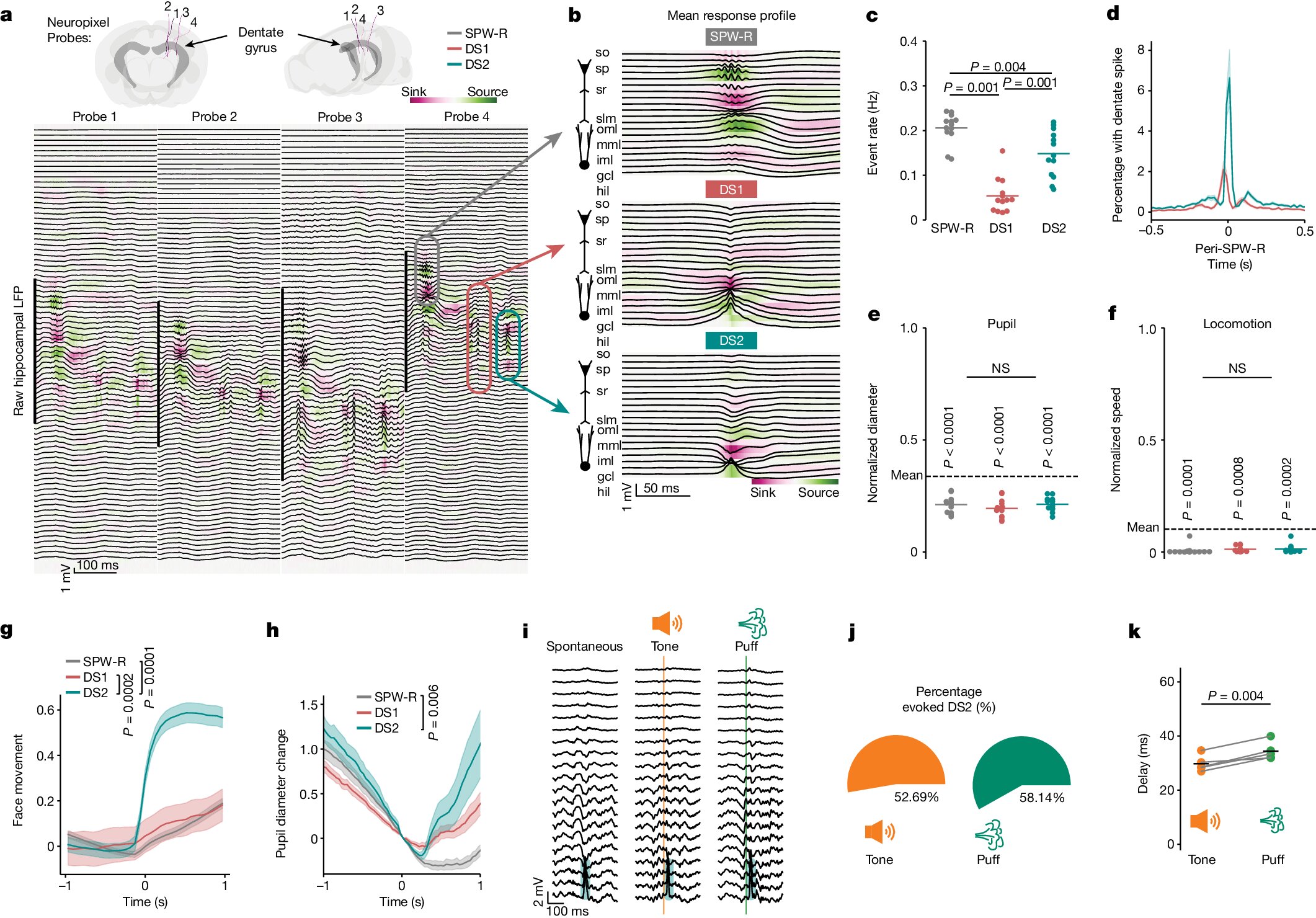
Researchers at Boston Children’s Hospital have uncovered the brain mechanism responsible for transitioning from daydreaming to alertness and memory formation, centered around activity in the dentate gyrus. This mechanism helps the brain realign cognitive focus to immediate realities and process new information, potentially offering insights into neuropsychiatric disorders such as ADHD, PTSD, epilepsy, and Alzheimer’s disease. The study, which analyzed mouse models, found that dentate spikes in the hippocampus play a crucial role in this shift and in associating memories with sensory stimuli, opening new avenues for targeted treatments.