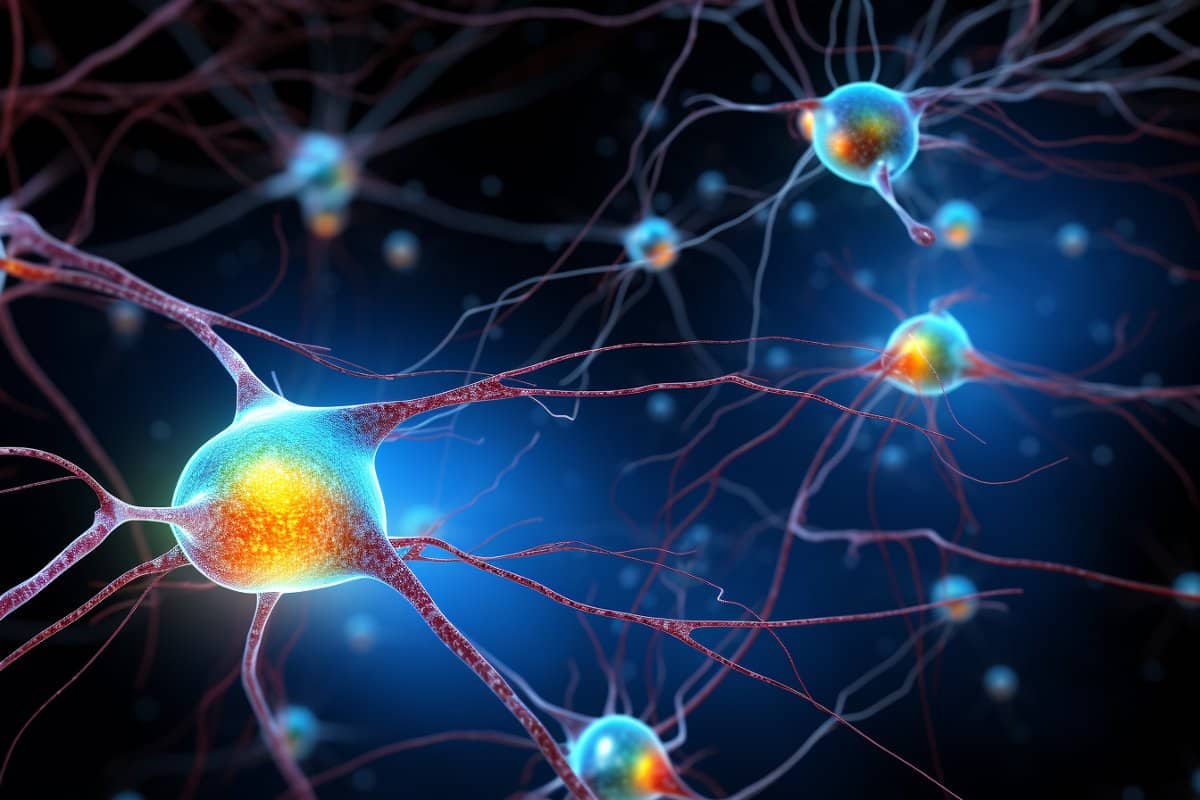
Researchers have discovered that saturated fatty acids in the brain play a crucial role in memory consolidation, identifying key genes such as PLA1 and STXBP1 that regulate the formation of these fatty acids during neuronal communication. Mouse models lacking the PLA1 gene showed cognitive decline and lower levels of saturated fatty acids, indicating their importance in memory acquisition. This breakthrough offers new insights into potential treatments for neurodegenerative diseases like Alzheimer’s, providing a significant advancement in the management of memory-related disorders.
Researchers at the University of Cincinnati have used enrichment removal (ER) to study the molecular processes in the brain associated with psychological loss. The study identified an overactivity in a specific brain region linked to stress regulation and behavioral adaptation after a loss. The research focused on the insulating cells of neurons as the root cause of the adverse effects of psychological loss, revealing potential molecular targets for mitigating its impact. Psychological loss, such as job loss or the death of a loved one, can have a significant negative impact on well-being and quality of life, making understanding its molecular mechanisms crucial for developing therapeutic interventions.
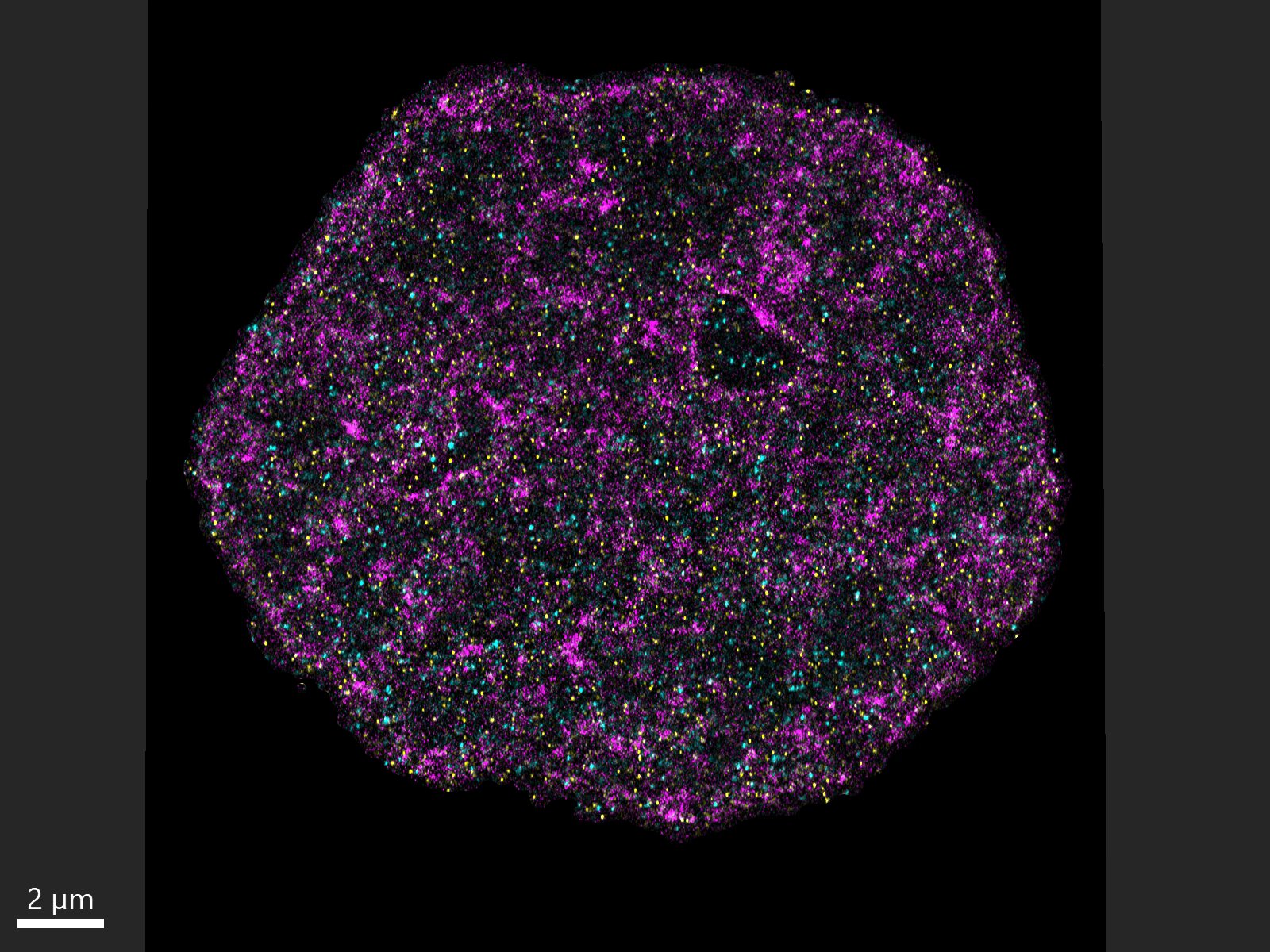
Scientists at Yale University have developed a new microscopy technique called chromatin expansion microscopy (ChromExM) that allows them to visualize previously unseen molecular processes within genetic material. By expanding the physical volume of nuclei in zebrafish embryonic cells, the researchers were able to drastically improve image resolution and observe how individual molecules shape gene expression during embryonic development. This breakthrough technique, which provides valuable insights into gene regulation, could lead to a better understanding of fundamental processes in the nucleus and have implications for various fields, from embryology to cancer research.
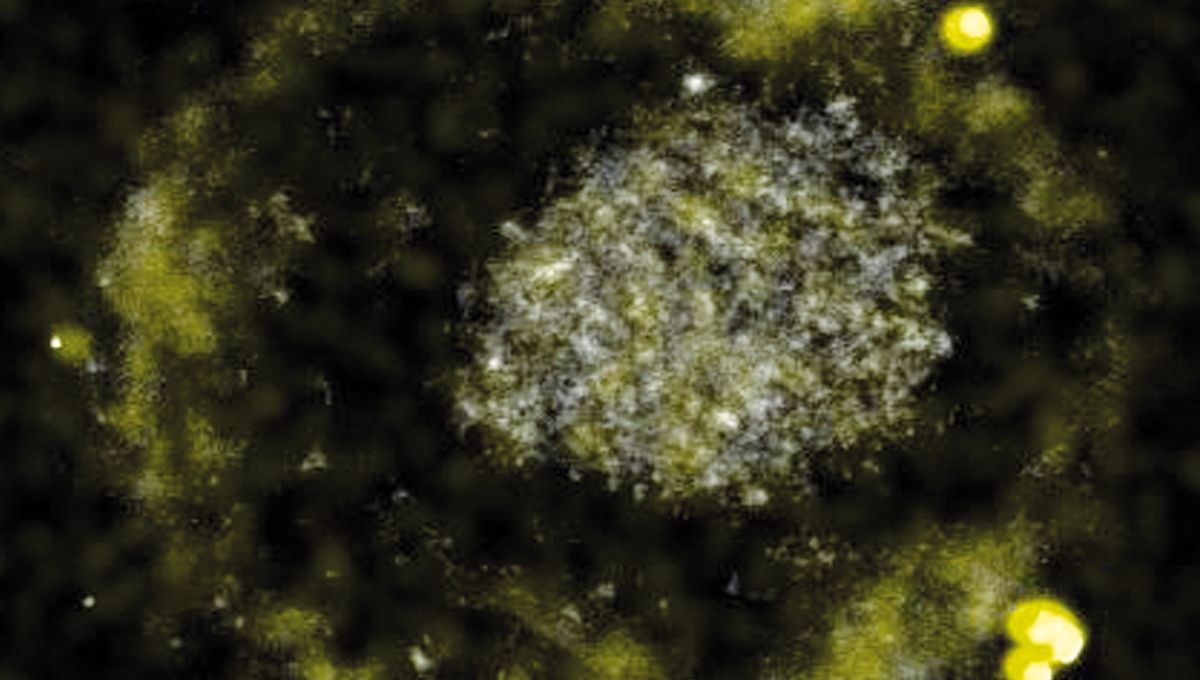
Cupriavidus metallidurans, a bacterium found in soil rich in toxic elements, can absorb compounds rich in toxic metals and extract gold from them, producing tiny gold nuggets. The bacterium has evolved to need copper to survive and can activate a special enzyme, called CupA, which can pump out all the excess copper and keep the bacterium healthy. When gold is present, the CupA is made inactive and a different enzyme, CopA, is made active, which transforms the copper and gold compounds into forms that are difficult to absorb, resulting in harmless gold nuggets only a few nanometres in size.