
health-and-neuroscience4.74 min read
The Impact of Sleep and Daydreaming on Brain Health
3 months ago•Source: Prevention

The latest health and neuroscience stories, summarized by AI
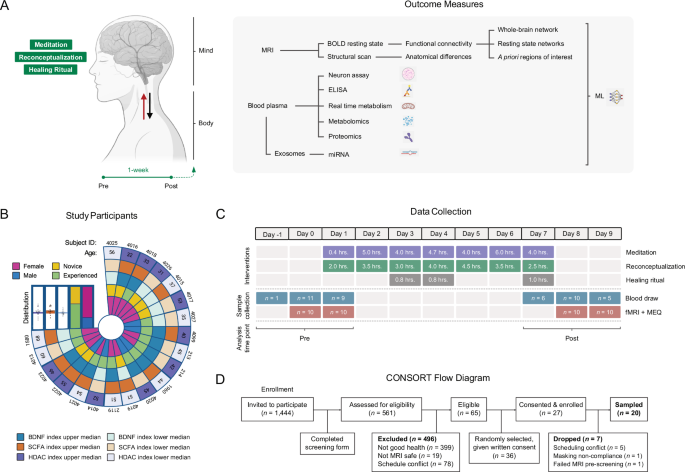
This study explores the neural and molecular effects of a 7-day mind-body retreat combining meditation, reconceptualization, and healing rituals, revealing significant changes in brain connectivity, neuroplasticity markers, metabolic pathways, immune responses, and exosomal RNAs, suggesting systemic physiological and psychological benefits beyond placebo effects.
Hacker News•4 months ago
Neuroscience News•4 months ago

Research on mice shows that even mild early-life neglect, such as limited nesting material, impairs maternal care, leading to increased stress hormones, growth delays, and attachment issues in pups, highlighting the importance of consistent, adequate caregiving for healthy emotional and physiological development.

Renowned neuroscientist Wendy Suzuki discusses how hormonal changes during menopause affect the brain, highlighting the importance of understanding brain health during these seismic shifts and sharing insights on how to support cognitive well-being.
Lifelong social housing in rats preserves memory and cognitive flexibility during aging by enhancing hippocampal activity and neural balance, highlighting social connection as a key factor in protecting brain health in old age.

A study identifies a brain activity pattern linked to self-preoccupied thinking, which is associated with anxiety and depression, and could serve as a biomarker for mental health vulnerability and a target for early intervention.

A study found that young adults with ADHD tend to listen to more stimulating music during various activities, including studying, and report similar benefits to focus and mood as neurotypical individuals, highlighting music's potential as a personalized cognitive aid.

Research from the University of Waterloo shows that full songs are more effective than spoken lyrics in evoking vivid personal memories, especially positive and upbeat ones, by serving as temporal and emotional anchors, which could have therapeutic applications for aging populations and those with dementia.
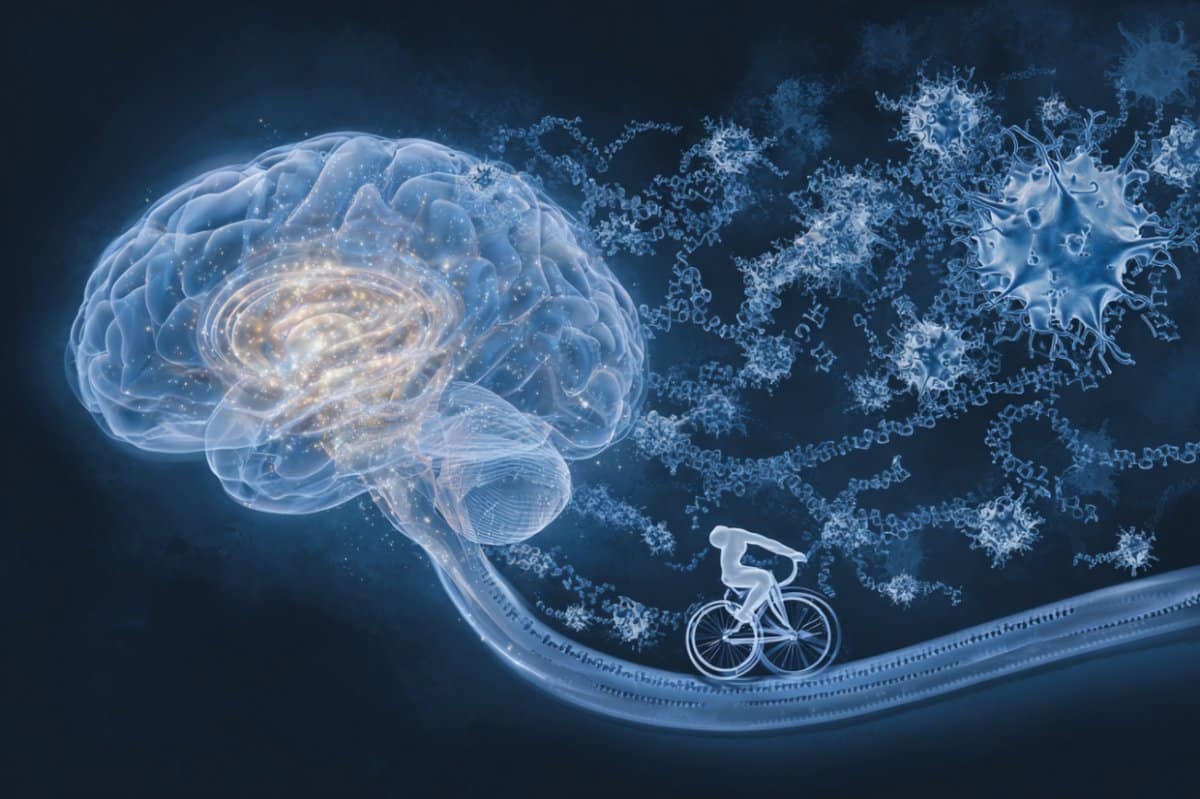
A study identifies the gene ATPPIF1, reactivated by exercise, that supports neuroplasticity and may slow Alzheimer's progression. Researchers aim to mimic exercise benefits pharmacologically, offering hope for patients unable to exercise, by targeting molecular pathways involved in brain health.
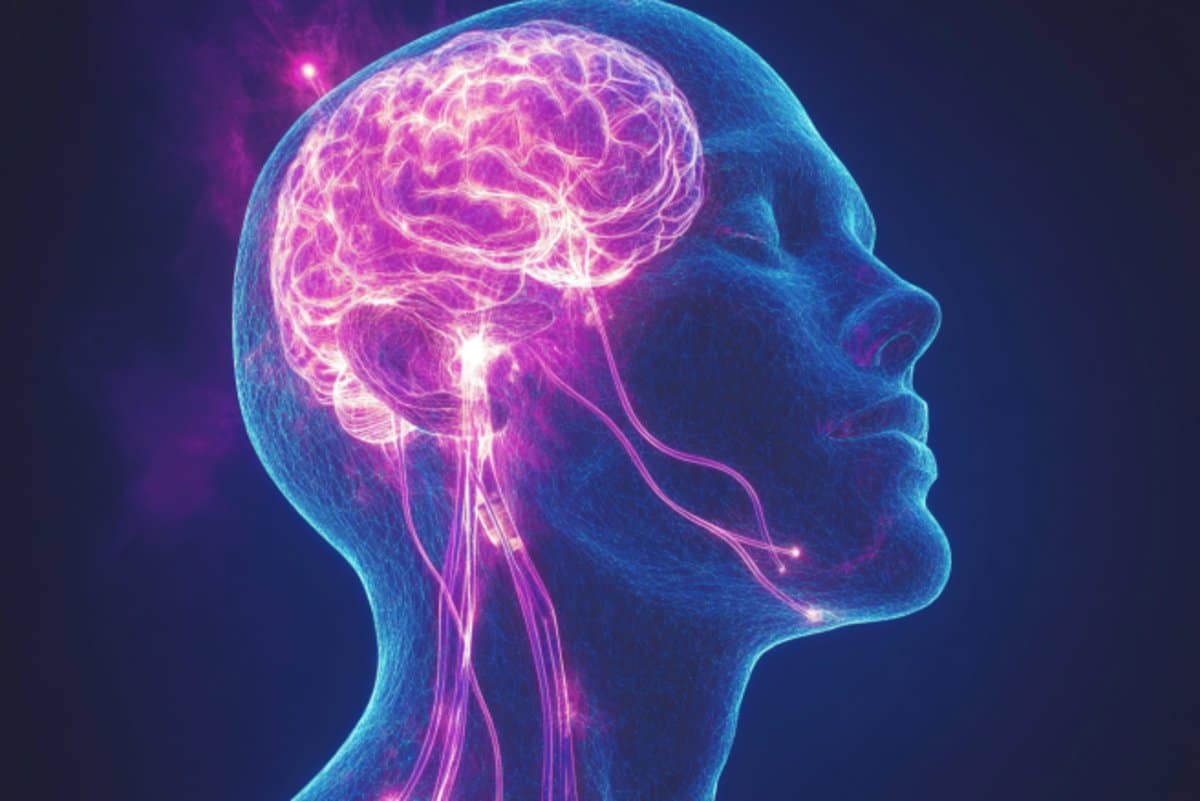
Researchers have developed a safe, non-invasive facial stimulation technique that enhances cerebrospinal fluid (CSF) drainage via lymphatic vessels, potentially preventing or slowing age-related cognitive decline and neurodegenerative diseases like Alzheimer's.
New research suggests that blocking kappa opioid receptors (KOR) can restore normal dopamine signaling in mouse models with a rare mutation, offering a potential safer treatment for disorders like ADHD, autism, and bipolar disorder by targeting dopamine imbalances without the side effects of current therapies.

A study on rats suggests that a junk food diet during adolescence may lead to long-lasting memory impairments due to disruptions in acetylcholine, a crucial neurotransmitter for memory and learning. Even after switching to a healthier diet, the memory deficits persisted into adulthood, highlighting the potential irreversible effects of poor dietary habits on cognitive functions. The research emphasizes the critical impact of diet on brain development and suggests avenues for future research on mitigating the impact of dietary choices.