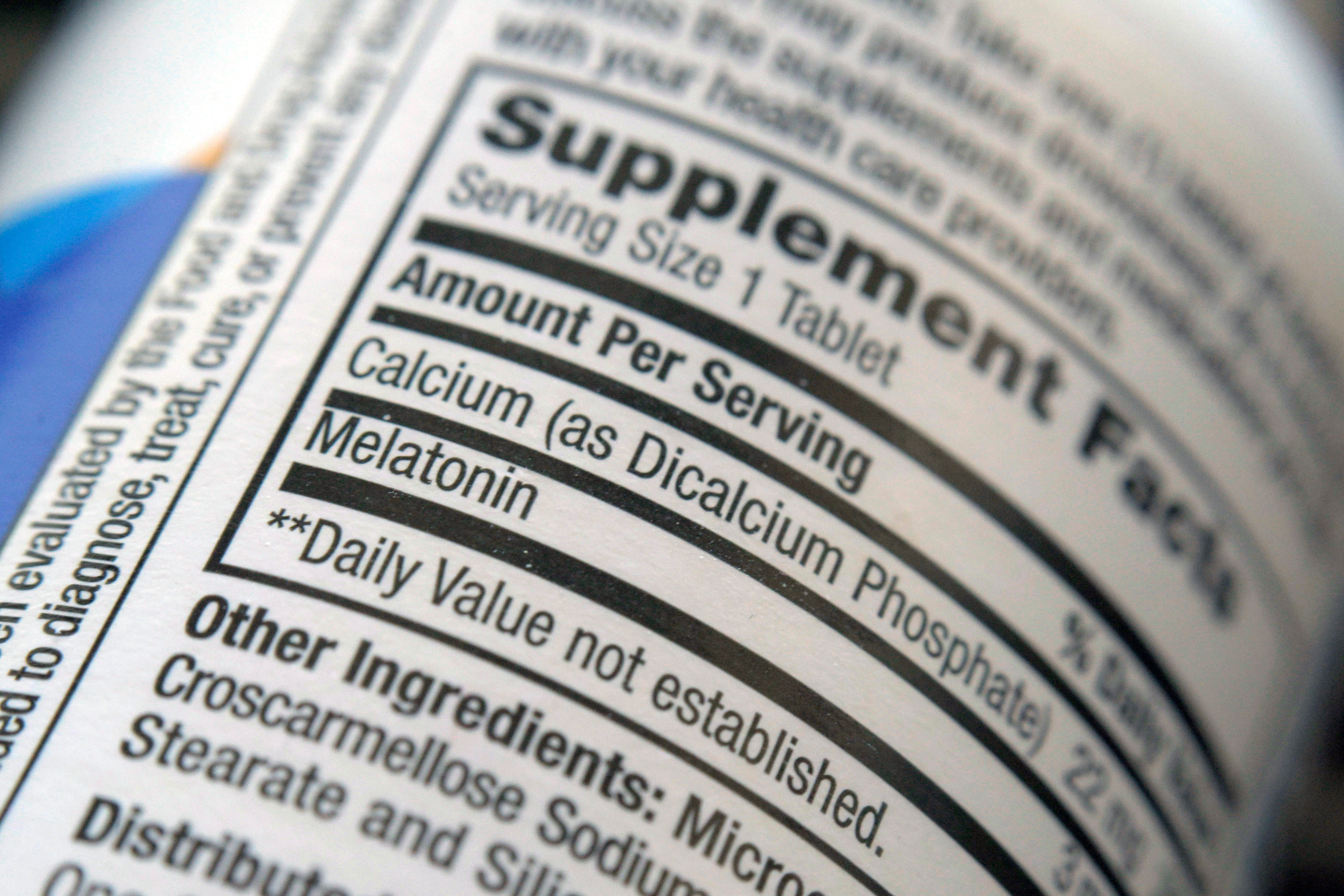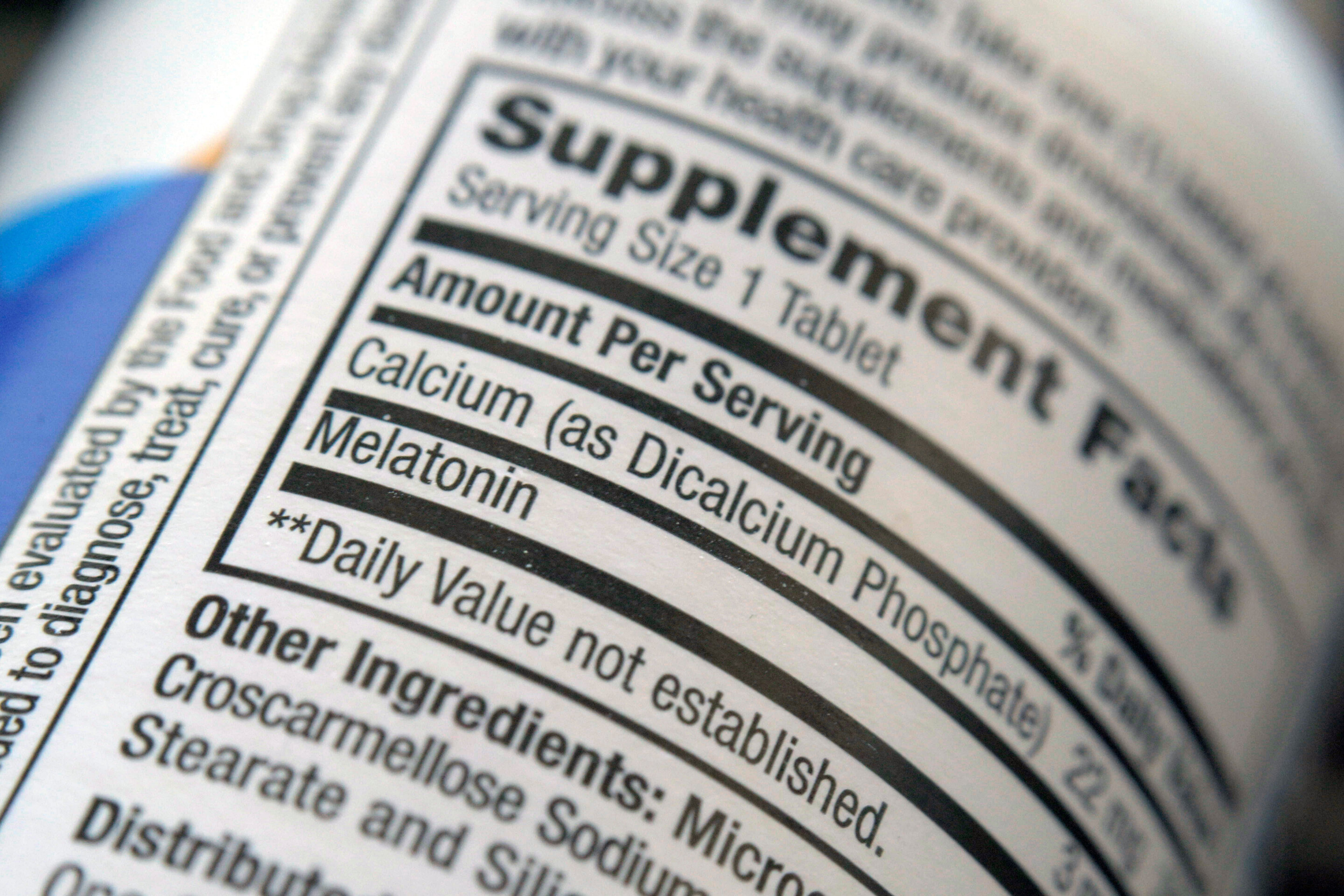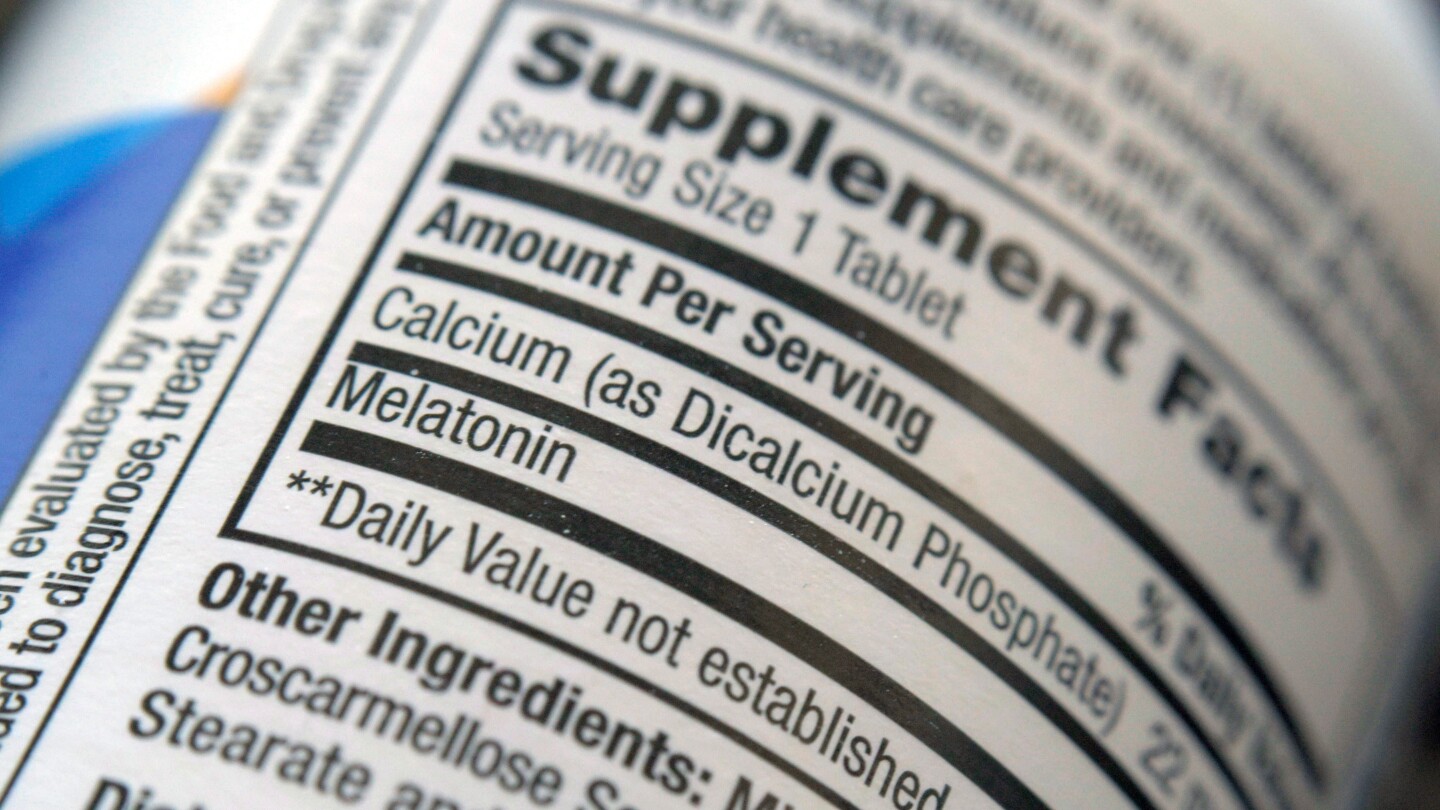
The article explores the science behind popular wellness trends like melatonin and electrolytes, helping readers distinguish between fact and fiction to determine if these health hacks are worth trying.
California cardiologist Dr. Sanjay Bhojraj warns against the casual and long-term use of melatonin, citing potential risks like suppression of puberty in children, and recommends magnesium as a safer, more versatile alternative for sleep and overall health.
Winter worsens autoimmune symptoms due to factors like reduced vitamin D synthesis, disrupted melatonin levels, increased susceptibility to infections, poor diet, and decreased physical activity. Preventive strategies include vitamin D supplementation, optimizing sleep and light exposure, maintaining a healthy diet, and staying active indoors to reduce flare-ups and improve immune stability.
Implementing small daily habits such as maintaining consistent sleep schedules, reducing blue light exposure before bed, keeping the room cool, limiting bed use to sleep, eating dinner earlier, avoiding caffeine in the evening, and practicing quiet time can significantly improve sleep quality and morning energy. These habits support natural biological processes like circadian rhythm and melatonin production, leading to better rest and overall health.
A large study warns that long-term use of melatonin supplements may be associated with increased risks of heart failure, hospitalization, and mortality, raising safety concerns about this common sleep aid, especially since causality has not been established and further research is needed.
A preliminary study suggests a possible link between long-term melatonin use and increased risk of heart failure, but experts caution that the findings are not conclusive and do not warrant stopping melatonin. The study, based on electronic health records, highlights the need for further research and emphasizes consulting healthcare providers for sleep issues. Good sleep hygiene remains important for heart health.
A preliminary study suggests a possible link between long-term melatonin use and increased risk of heart failure, but experts caution that the findings are not conclusive and do not warrant stopping melatonin supplements, emphasizing the need for further research and good sleep hygiene.
A preliminary study suggests a possible link between long-term melatonin use and increased risk of heart failure, but experts caution that the findings are not conclusive and emphasize the importance of consulting healthcare providers and practicing good sleep hygiene. The study, based on electronic health records, does not establish causation and highlights the need for further research.
A recent study suggests that long-term use of melatonin supplements may significantly increase the risk of heart failure, with users experiencing up to a 90% higher risk over five years. The findings raise safety concerns about the widespread use of melatonin for sleep, emphasizing the need for further research to establish causality and explore underlying mechanisms. Medical experts recommend consulting healthcare providers for sleep issues and considering other treatments like sleep apnea testing before using supplements.
A recent observational study suggests that long-term use of OTC melatonin for insomnia may be associated with an increased risk of heart failure, hospitalization, and mortality, raising concerns about its safety for chronic use, especially in individuals with existing heart risk factors.
New preliminary research suggests that long-term use of melatonin supplements may be associated with an increased risk of heart failure and higher mortality, raising concerns about its safety beyond short-term use. The study analyzed health records from over 130,000 adults and found significant associations, though limitations in methodology mean further research is needed. Despite its popularity and general safety for short-term use, these findings highlight the importance of cautious long-term consumption and further investigation into melatonin's effects.
A five-year study of over 130,000 adults suggests that long-term melatonin use for insomnia may be associated with increased risks of heart failure and death, challenging its reputation as a safe sleep aid. The research found that regular melatonin users had a significantly higher likelihood of heart failure, hospitalization, and mortality, prompting calls for further investigation into its cardiovascular safety.
A recent study suggests that long-term use of melatonin supplements may be associated with an increased risk of heart failure hospitalization, raising safety concerns despite melatonin's common use for sleep. However, the findings are preliminary and more research is needed to establish causality.
A recent study suggests a potential link between long-term melatonin use and increased risk of heart failure, hospitalization, and mortality, but experts advise caution in interpreting these findings.
A preliminary study suggests that long-term use of melatonin supplements may be associated with a higher risk of heart failure, hospitalization, and death, raising concerns about its safety for chronic use, especially in insomnia patients.