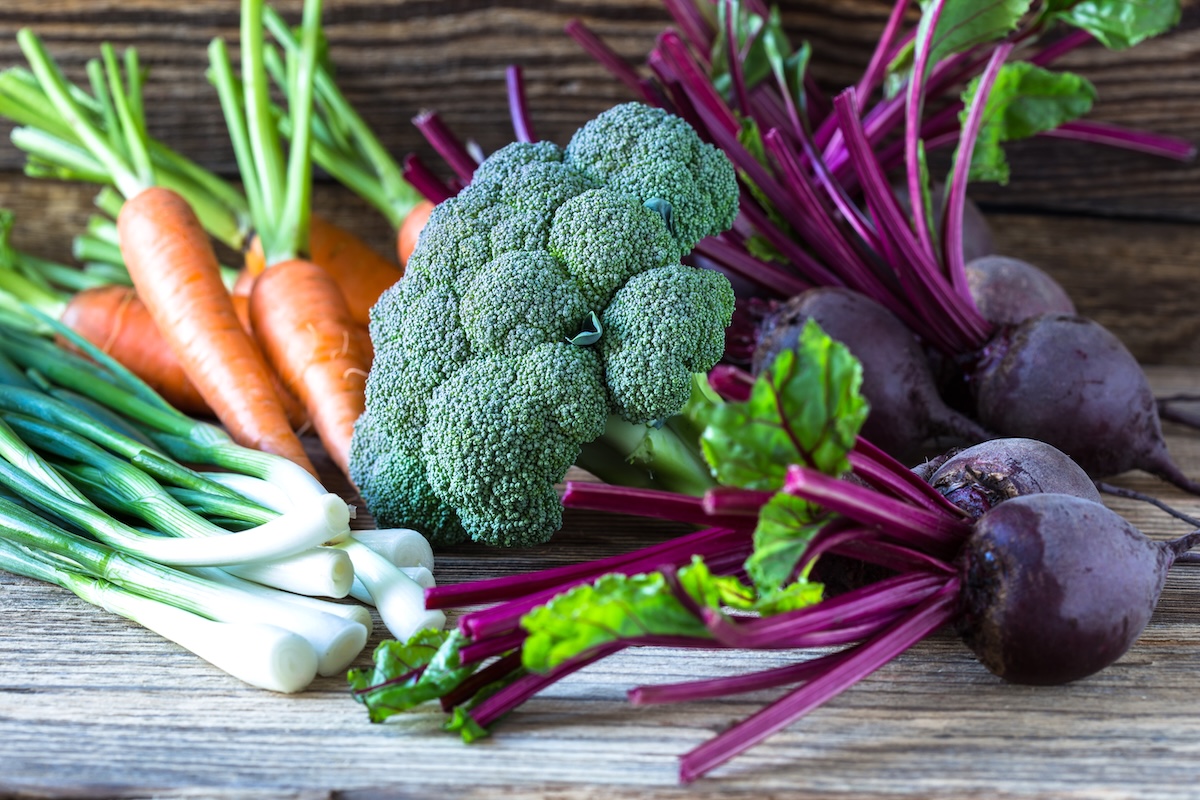
Stanford-trained gastroenterologist Dr. Saurabh Sethi highlights three top anti-cancer foods—broccoli, garlic, and carrots—and emphasizes the importance of lifestyle modifications like regular exercise, healthy diet, and avoiding processed foods to reduce cancer risk.

Consuming specific foods like broccoli, blueberries, and tomatoes daily can help reduce the risk of cancer due to their protective compounds, such as sulforaphane, antioxidants, and lycopene, respectively, when incorporated into a balanced diet and healthy lifestyle.
A meta-analysis found that consuming 40-60 grams of cruciferous vegetables daily, such as broccoli and cauliflower, can reduce colon cancer risk by nearly 20%, highlighting the importance of a plant-rich diet for cancer prevention.
A new study suggests that consuming 40-60 grams of cruciferous vegetables like broccoli and cauliflower daily can reduce colon cancer risk by nearly 20%, thanks to compounds that detoxify carcinogens and inhibit cancer growth. Experts recommend incorporating these vegetables into a balanced diet for their cancer-fighting and nutritional benefits.
A study analyzing 17 research papers found that consuming about 20 grams of cruciferous vegetables like broccoli daily can reduce colon cancer risk by 17%, with benefits plateauing at around 40 grams per day. These vegetables contain compounds called glucosinolates that help detoxify the body and inhibit cancer growth. The findings support dietary recommendations to include more vegetables, especially within a healthy diet like the Mediterranean diet, to lower colon cancer risk.
A systematic review found that consuming 20-40 grams of cruciferous vegetables like broccoli and Brussels sprouts daily can reduce colon cancer risk by about 20%, with the protective effect plateauing beyond 40 grams. The benefits are linked to bioactive compounds such as sulforaphane, which can inhibit cancer cell growth. The study emphasizes the importance of diet in cancer prevention, though results vary by geography and should be interpreted cautiously.
A US gastroenterologist recommends three everyday foods—broccoli, beets, and artichokes—that naturally support liver health by aiding detoxification, improving blood flow, and regenerating liver cells, emphasizing simple dietary changes over detoxes or supplements.
Gastroenterologist Dr. Joseph Salhab recommends incorporating broccoli, beetroot, and artichokes into your diet to support liver health, as these vegetables contain compounds that aid detoxification, reduce oxidative stress, and promote liver cell regeneration.
A gastroenterologist recommends eating broccoli, beets, and artichokes to support liver health, highlighting their detoxifying, antioxidant, and protective properties based on recent studies and expert insights.
Broccoli is a highly underrated vegetable that significantly benefits hormonal health due to its high fiber content and sulforaphane, making it a valuable addition to daily diets for hormonal regulation.
A study from the University of Gothenburg found that sulforaphane, a compound in broccoli, can significantly lower blood sugar levels in people with prediabetes, especially those with early signs of age-related diabetes, suggesting potential for targeted dietary interventions.
Broccoli is considered the top vegetable for managing arthritis due to its high content of vitamins C and K, sulforaphane, and fiber, which help reduce inflammation, support joint and bone health, and improve gut health. Incorporating broccoli into your diet through various cooking methods can aid in alleviating arthritis symptoms alongside other lifestyle strategies.
Broccoli is a highly underrated vegetable that provides more vitamin C than an orange, along with other essential nutrients like fiber, potassium, folate, and vitamin K. It supports immune health, collagen production, eye health, and gut health, making it a versatile and nutrient-dense addition to any diet.
Broccoli is highlighted as the top vegetable for blood sugar management due to its low carbohydrate content, high fiber, and compounds like sulforaphane that may help regulate blood sugar and insulin resistance. It is versatile, affordable, and beneficial for hydration, making it a recommended addition to a balanced diet for those managing blood sugar levels.
Regular consumption of broccoli offers numerous health benefits, including reduced risks of cancer and heart disease, improved immune and bone health, better gut health, enhanced skin protection, and decreased inflammation. This nutrient-rich vegetable is versatile in culinary uses and provides essential vitamins, minerals, and plant compounds that support overall well-being.