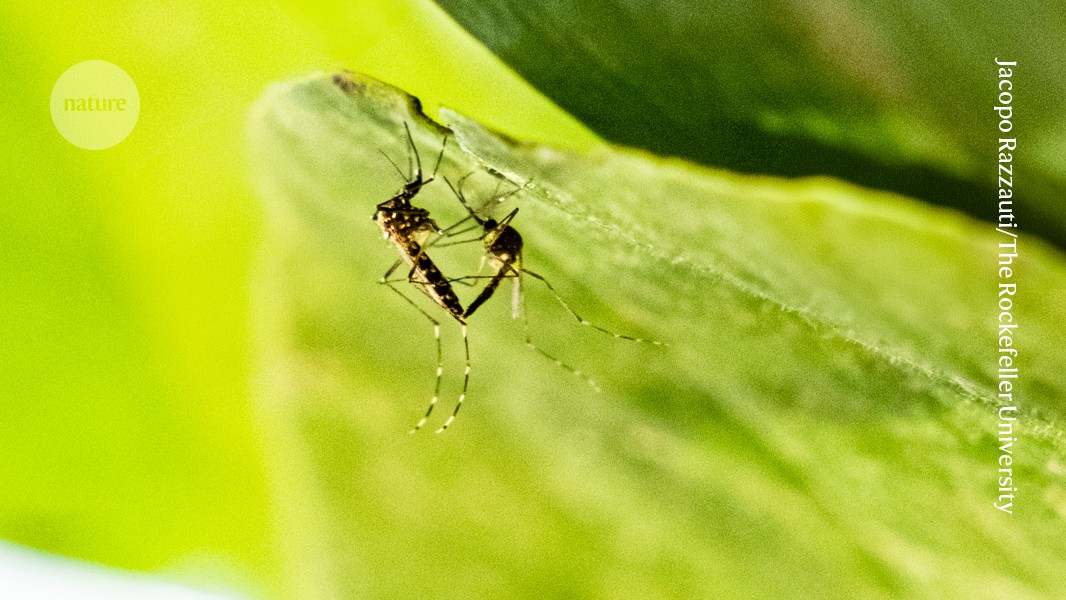
A study using fluorescent sperm and high-resolution filming revealed that female Aedes aegypti mosquitoes actively participate in mating by signaling readiness, challenging the previous view that males are solely in charge, which could impact strategies for controlling disease-carrying mosquitoes.
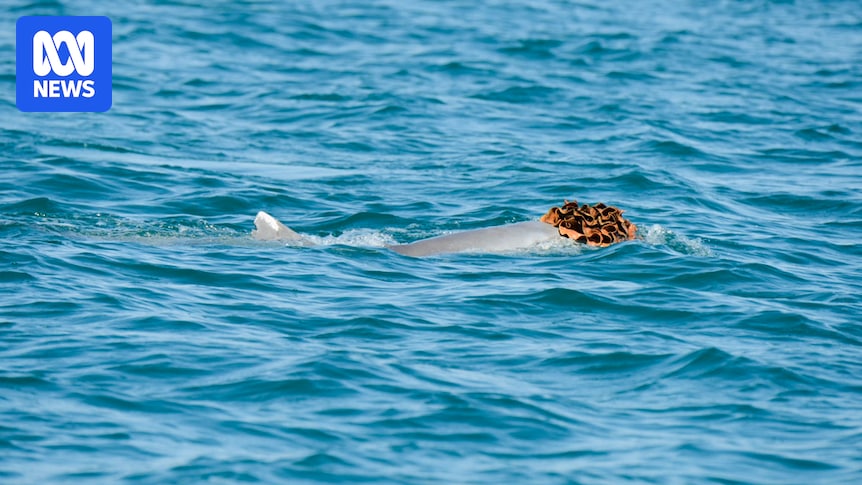
Male humpback dolphins off Western Australia's coast use sea sponges on their heads as a unique mating display, a behavior observed only in this region and not in other dolphin species, highlighting a potentially important and rare reproductive strategy. Additionally, other dolphins use sponges as tools for foraging, showcasing diverse dolphin behaviors involving sea sponges.
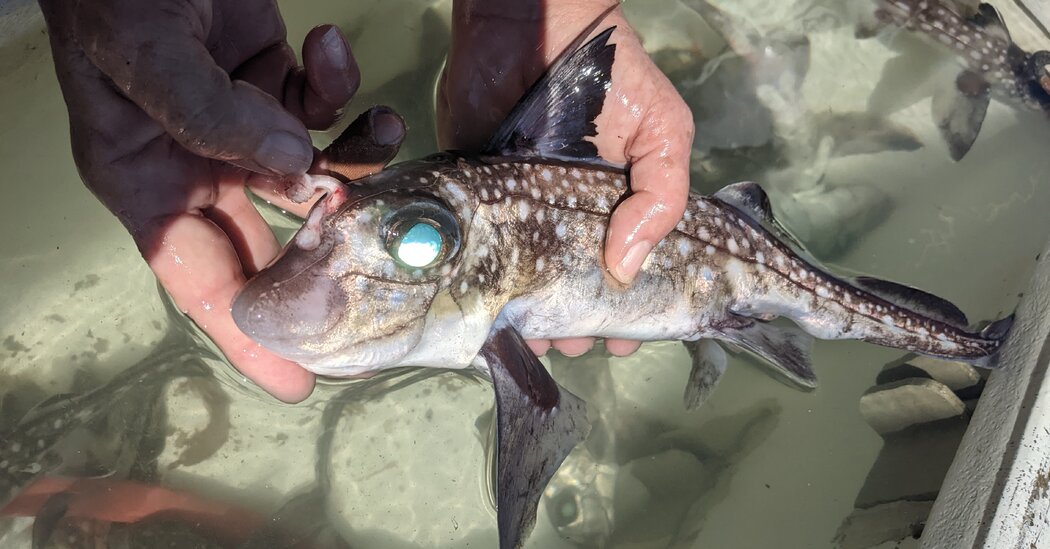
Scientists studied the unique mating adaptation of ratfish (chimaeras), which use a fleshy, tooth-studded appendage on their forehead called a tenaculum to grip females during reproduction, a feature that is highly unusual in the animal kingdom.
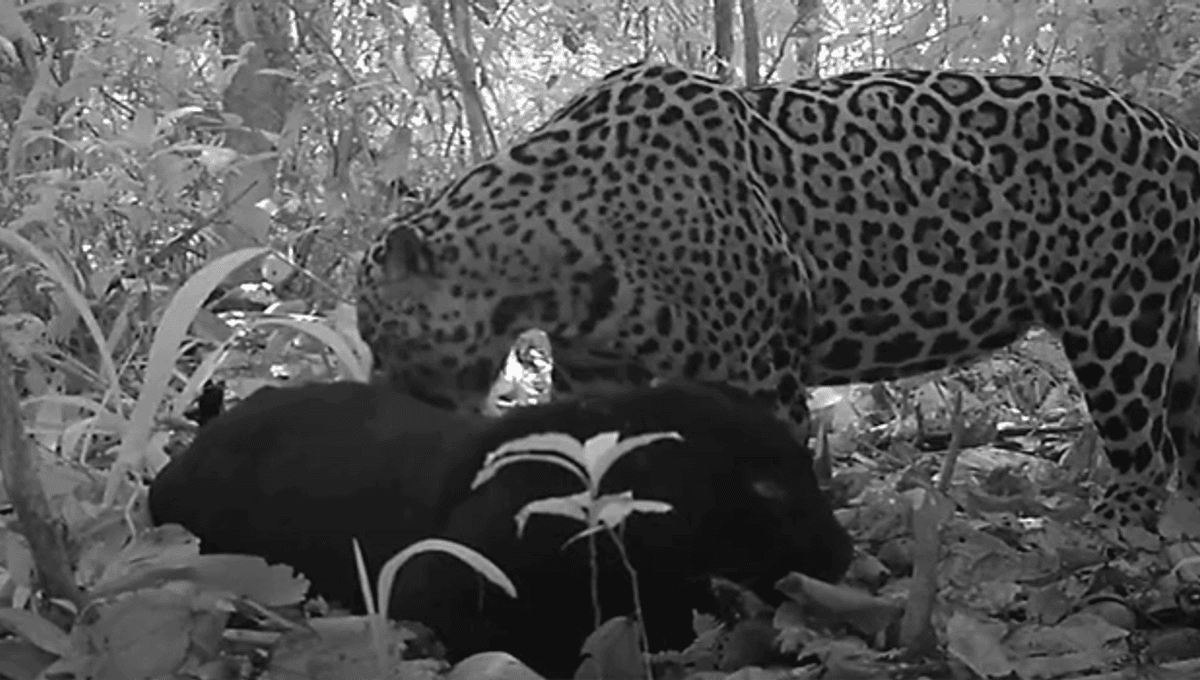
Researchers captured the first-ever footage of a black-coated jaguar mating with a spotted jaguar in the wild in the Brazilian Amazon, providing valuable insights into their courtship behaviors and highlighting the importance of understanding wild animal behaviors for conservation efforts.
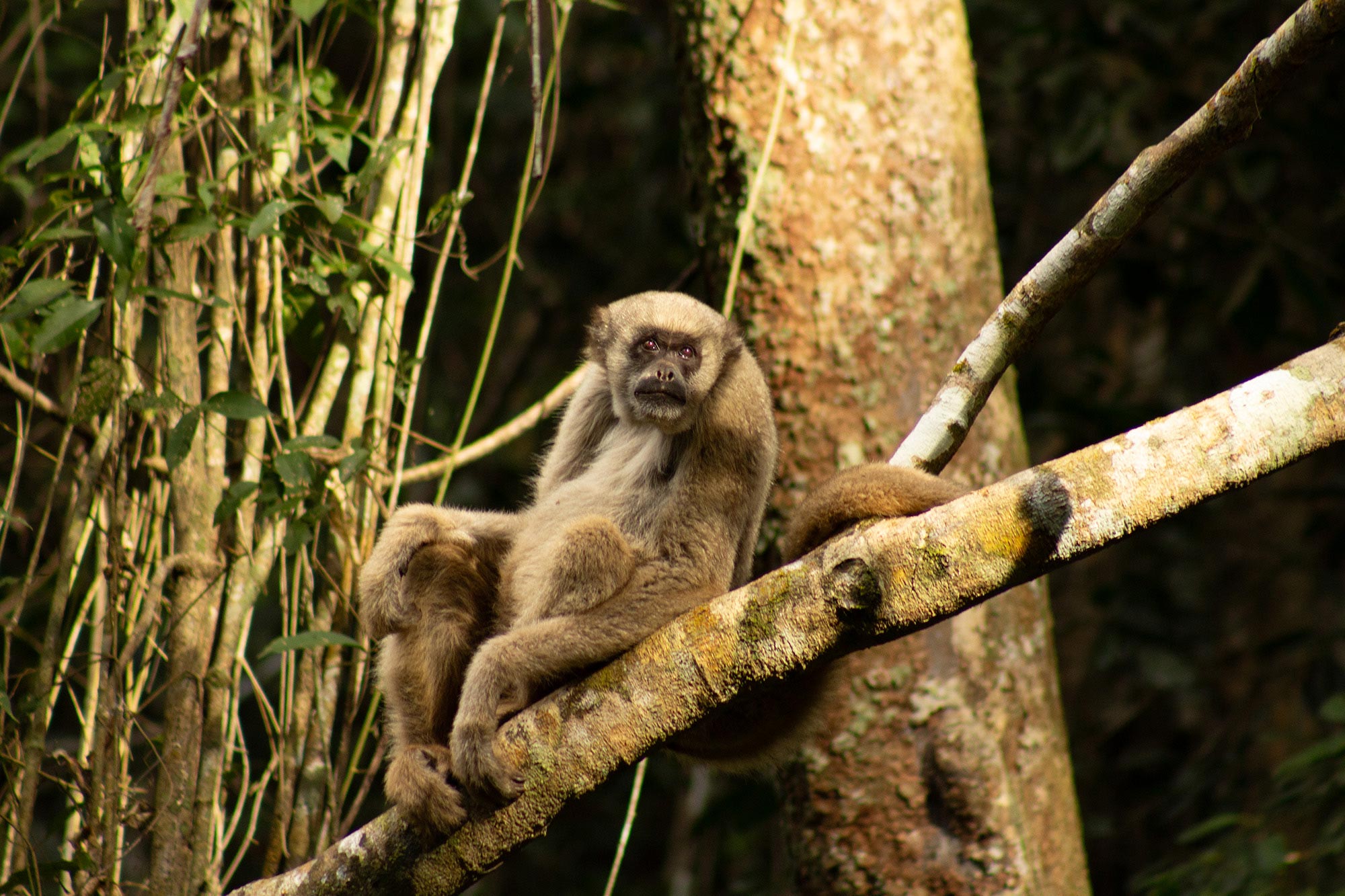
Researchers have used fecal DNA analysis to study the mating behaviors of Brazil's endangered northern muriquis, revealing a preference for mates with diverse immune system genes. This study highlights the importance of genetic diversity in mate selection for the survival of these peaceful primates. The research, combining genetic analysis with behavioral observations, found that females tend to choose males with a diverse set of MHC genes, which are crucial for immune response. The findings contribute to understanding muriqui reproductive strategies and raise questions for future research.
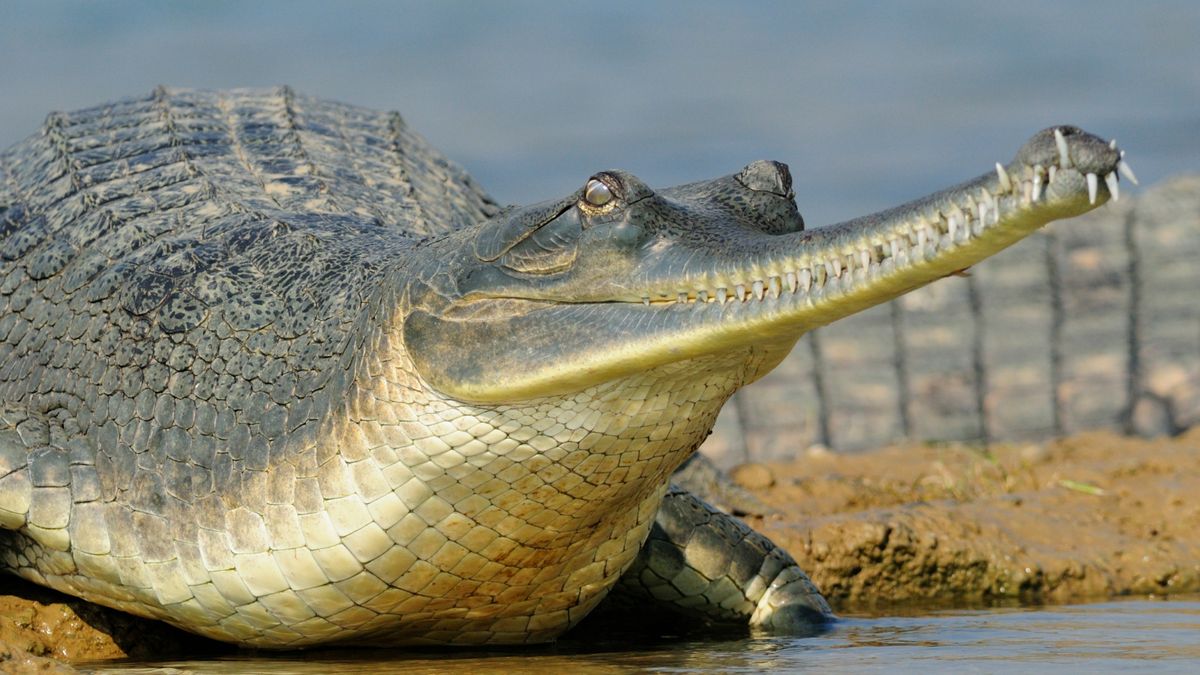
The gharial, a critically endangered crocodilian species native to India and Nepal, is known for its distinctive long snout and the male's "ghara," a bulbous structure used to attract mates by producing buzzing sounds and blowing bubbles. Unlike other crocodilians, gharials primarily feed on fish using their snouts to detect water vibrations. Once abundant, their population has drastically declined due to hunting and habitat loss, with conservation efforts now underway to protect the remaining 650 mature individuals.
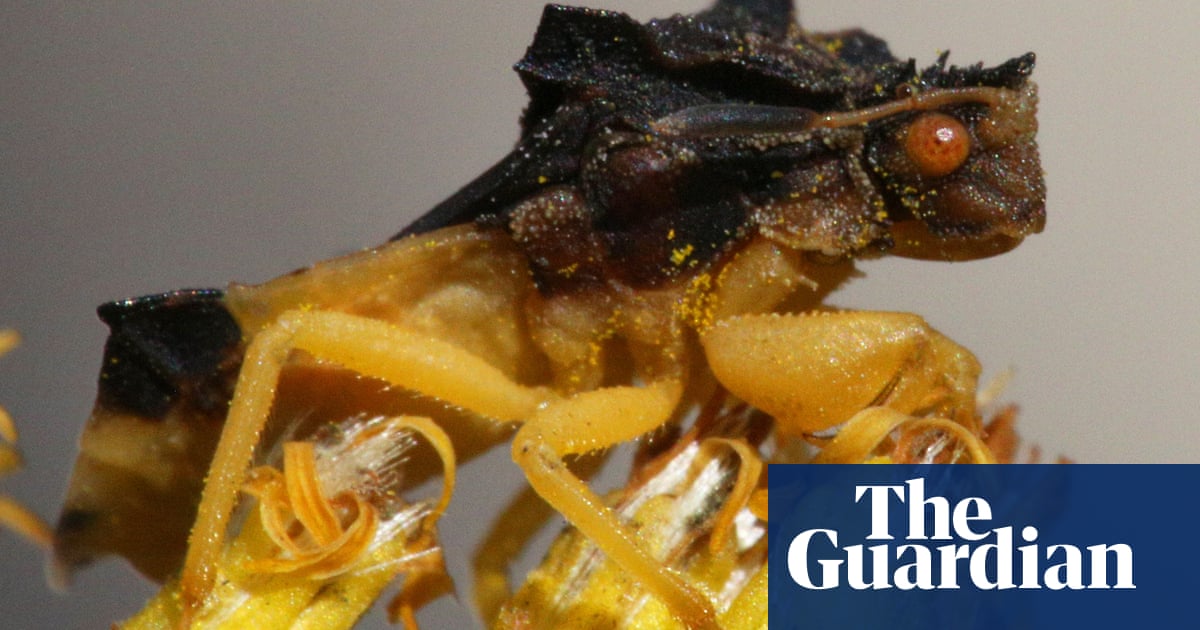
A study published in Ecology and Evolution reveals that climate change is affecting the coloration and mating behaviors of insects. Darker-colored insects warm up faster in cooler temperatures, giving them a mating advantage. However, rising temperatures are causing many insects to become lighter, potentially disrupting their ability to find mates. The impact of these changes on insect populations remains uncertain, with scientists calling for more research to understand the complex relationship between temperature, coloration, and reproductive success.
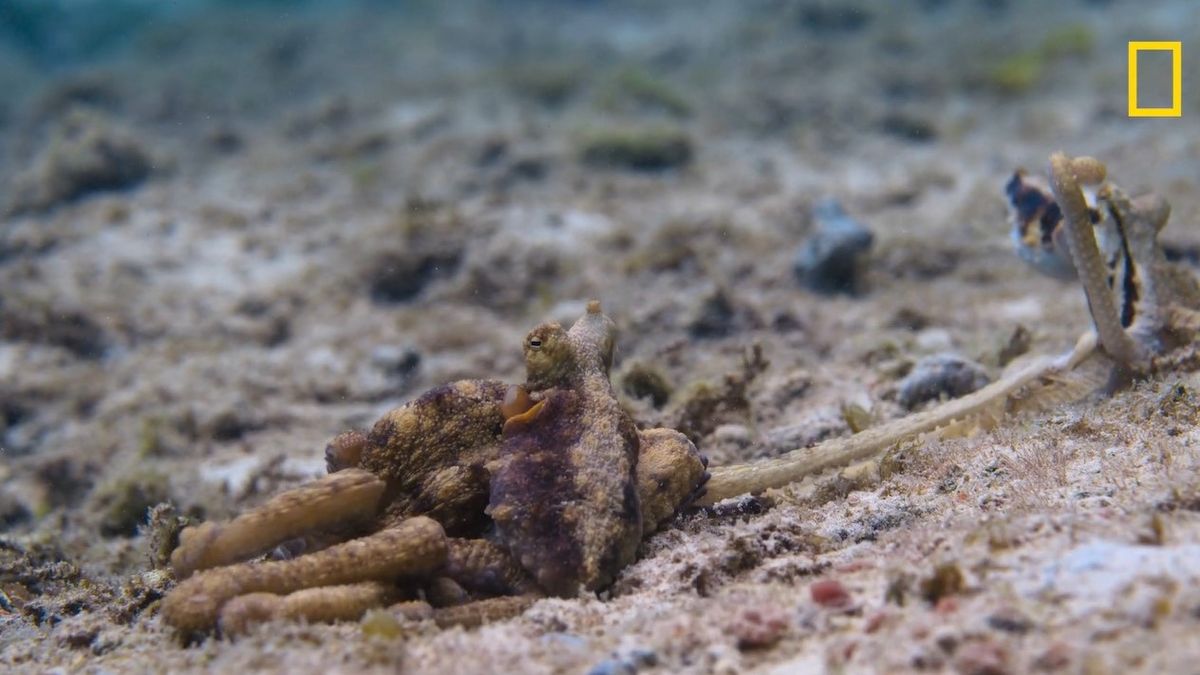
Rare footage captured for the new National Geographic miniseries "Secrets of the Octopus" shows an algae octopus in Indonesia engaging in an unusual mating behavior. The male octopus attempts to mate with a female, but she becomes impatient and drags him around the ocean floor mid-sex. This behavior, including the male's courtship display and the female's response, is a rarely observed phenomenon. The series, premiering on April 21, provides insights into the social and mating behaviors of these small, quick-moving octopuses.
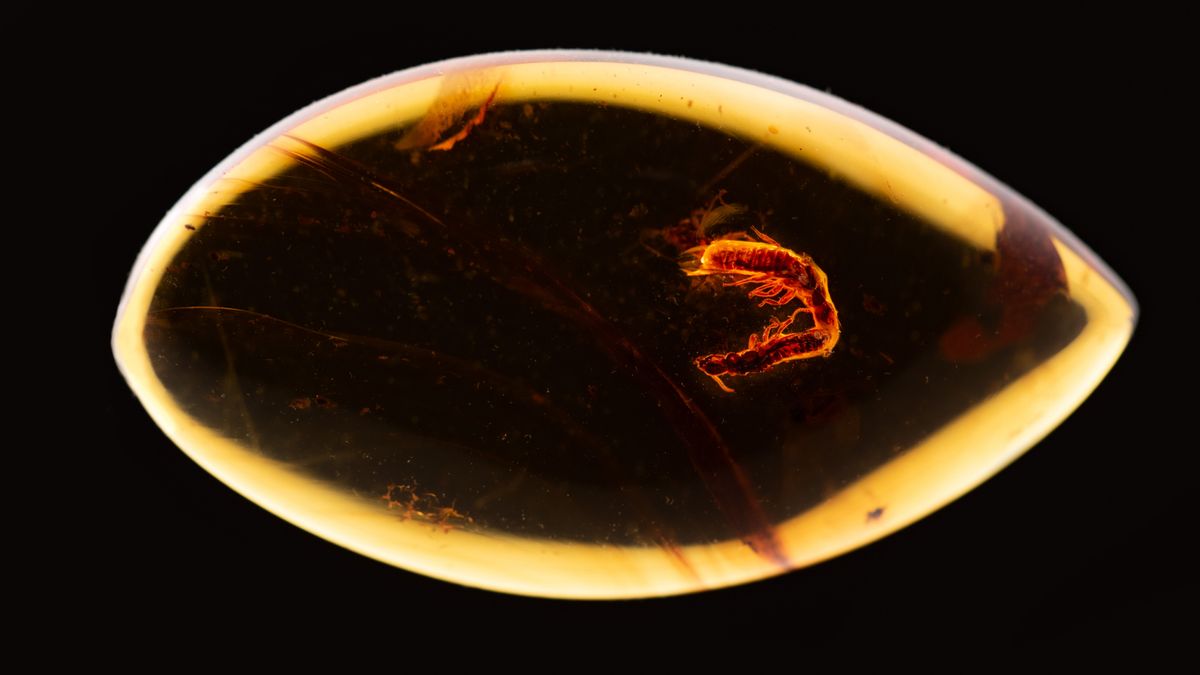
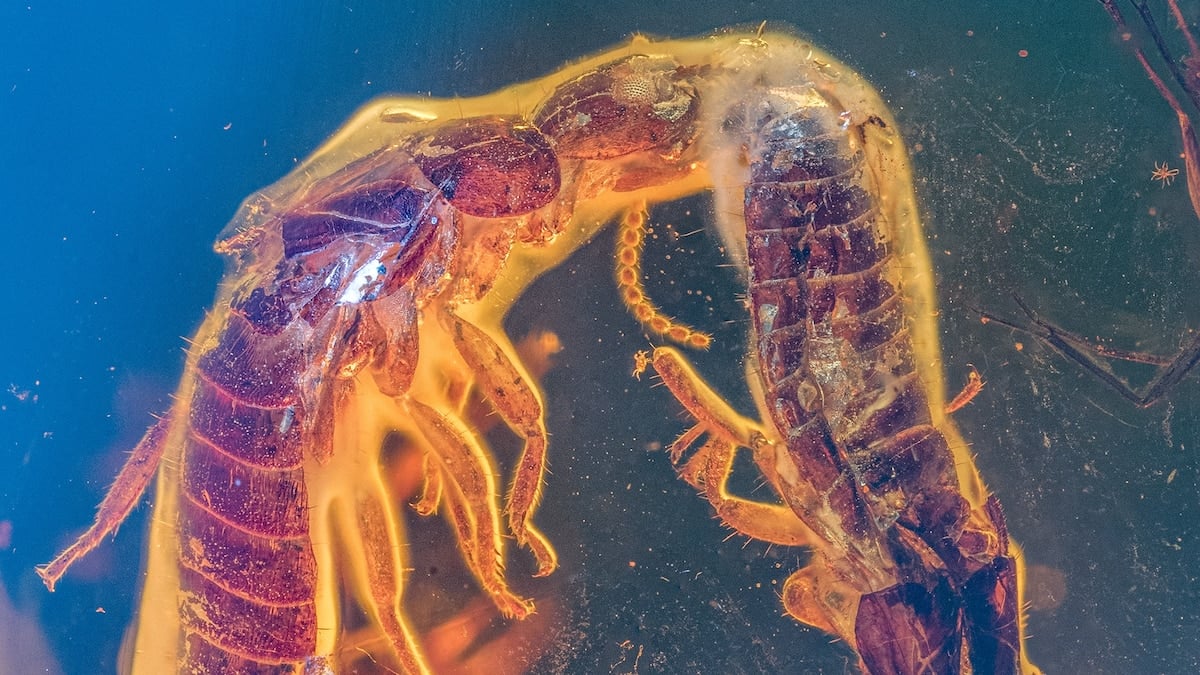
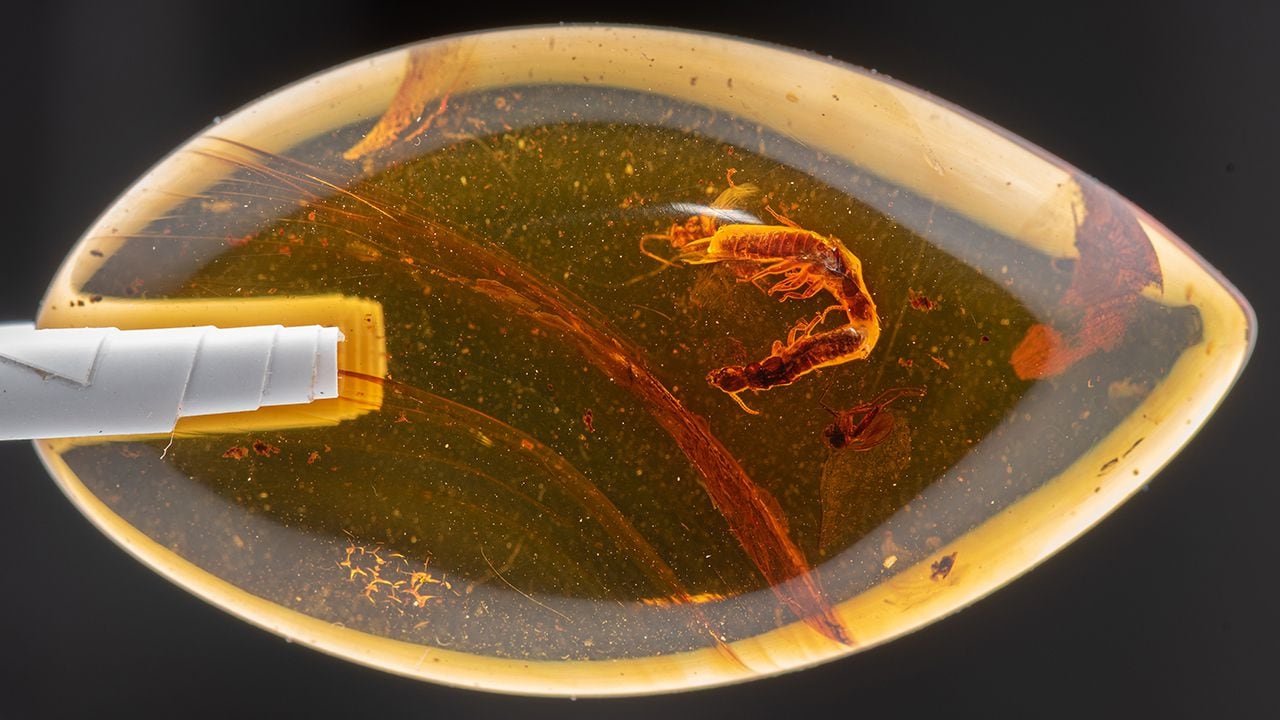
A 38 million-year-old piece of amber containing a pair of Electrotermes affinis termites has provided insight into the mating behavior of these long-extinct insects. The fossilized termites were found in a side-by-side position, suggesting they were likely engaged in tandem running, a common mating behavior in living termites. Researchers used 3D imaging to identify the male and female termites and recreated their final moments in a lab with living termites to understand how they got trapped in the resin. This discovery sheds light on the ancient behavior of termites and provides a rare glimpse into their mating rituals.
Fossilized termite pair caught in amber 38 million years ago reveals that ancient termites mated in the same way as modern termites, despite being preserved side by side instead of front to back. The study, published in Proceedings of the National Academy of Science, sheds light on prehistoric courtship behavior and demonstrates the potential for communication between researchers in different scientific fields.
A pair of fossilized termites, believed to be 38 million years old, has been found in amber in a mating position, providing insight into the behavior of ancient insects. Researchers, including Auburn University Assistant Professor Nobuaki Mizumoto, studied the rare find and believe the termites were engaged in a tandem run when they became trapped in tree sap, which eventually hardened into amber. The team's findings, published in Proceedings of the National Academy of Science, offer a unique glimpse into the mating behavior of an extinct termite species and shed light on the fossilization process.
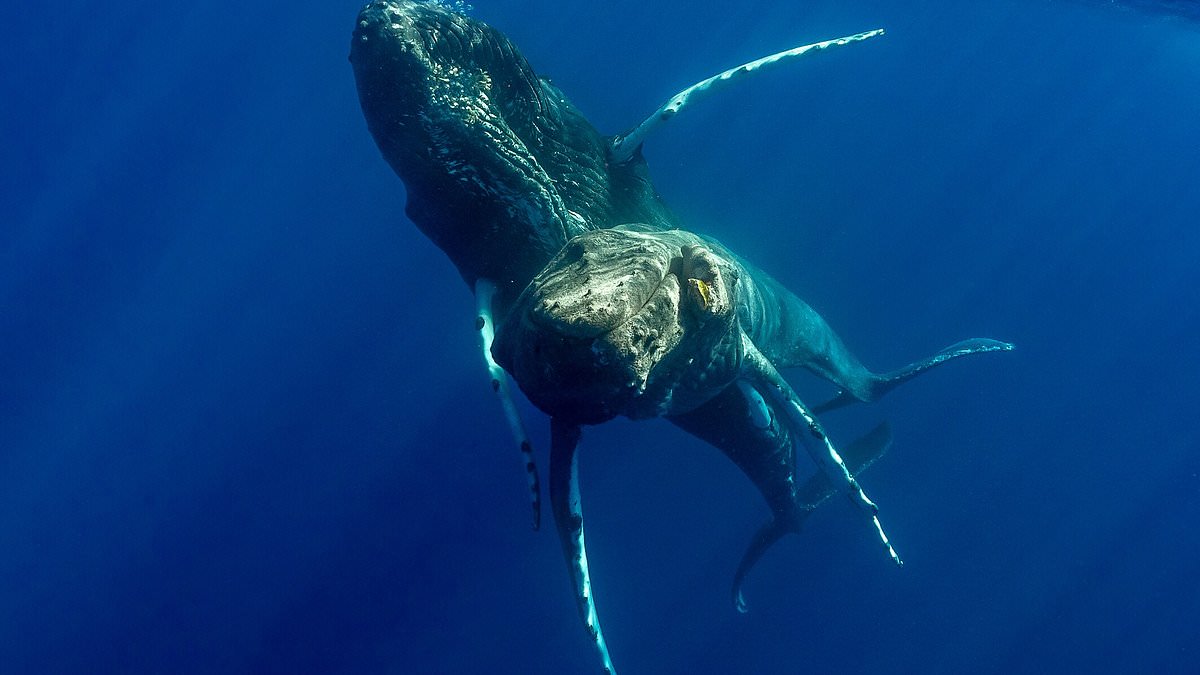
Wildlife photographers captured the first-ever photos of male humpback whales engaging in sexual activity off the coast of Maui, Hawaii. The encounter revealed that one of the whales was in poor health, with injuries and signs of emaciation. The behavior, previously undocumented in humpback whales, sheds light on their mating habits and raises questions about the well-being and consent of the animals involved. The images provide valuable insights for marine biologists and conservationists studying these majestic creatures.
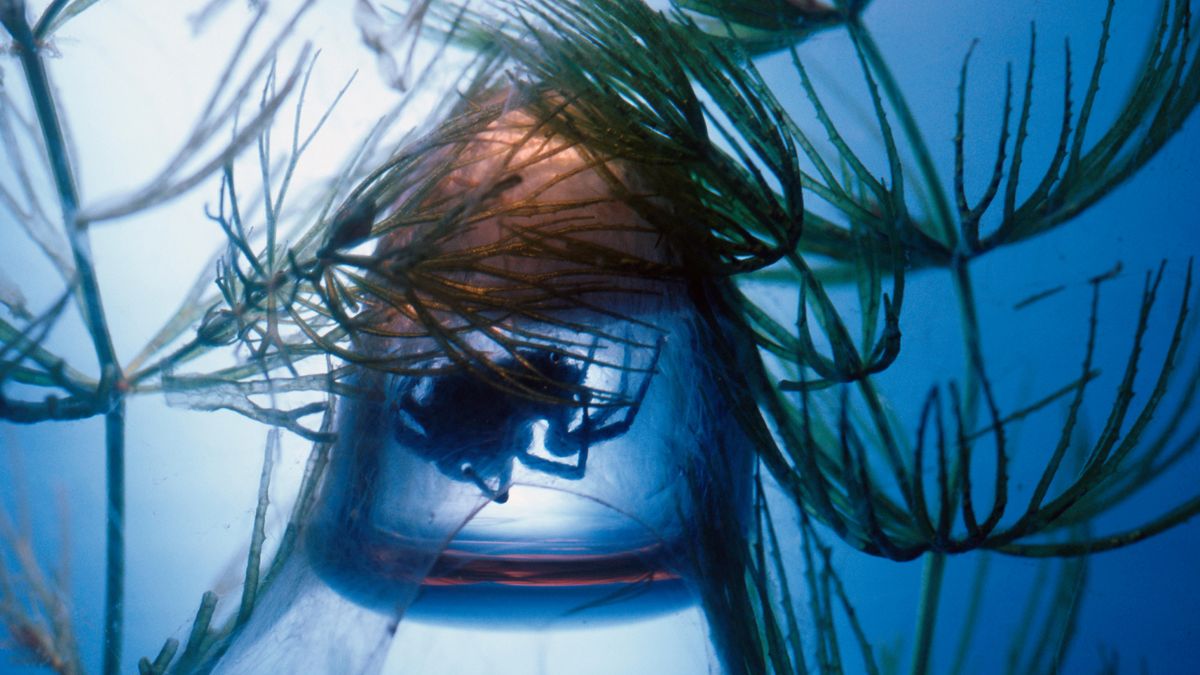
The diving bell spider, also known as the water spider, is the only spider that lives almost entirely underwater. It creates a diving bell by spinning a web between underwater plants and transfers air from the surface to it via its water-repellent body hairs. The spider's unique adaptation allows it to survive underwater, and it has been observed that larger males occasionally eat females, despite females preferring to mate with them.
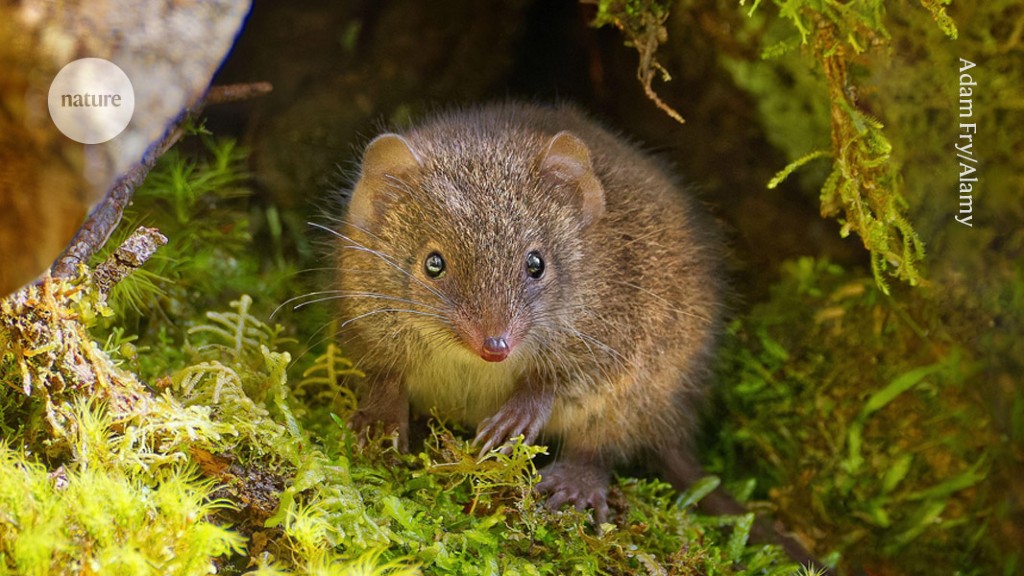
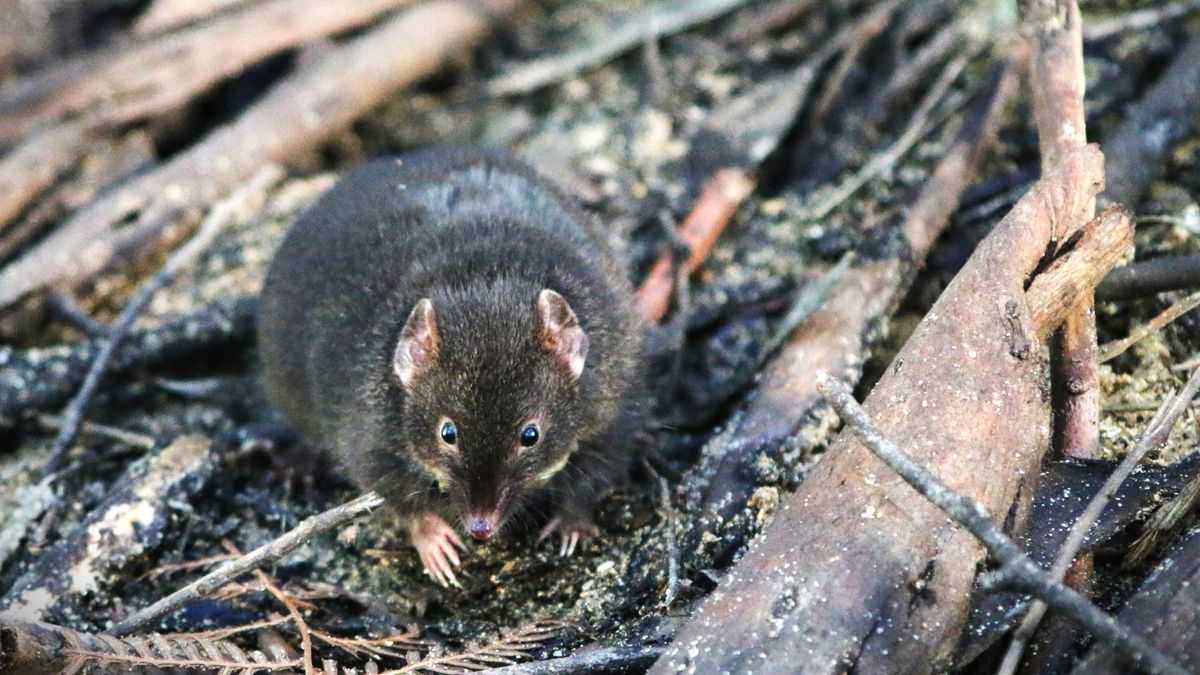
Male antechinus, a type of marsupial, sacrifice sleep during their short and intense breeding season to maximize mating opportunities, with some dying shortly after. Research found that captive males slept significantly less during breeding season, and wild males and females showed decreased oxalic acid levels, indicating sleep deprivation. While sleep loss was initially suspected as the cause of death, further investigation is needed to determine the exact cause, with malnutrition and environmental triggers being potential factors.
Male antechinuses sacrifice sleep to mate with as many females as possible during an intense breeding period, then die in a single "programmed" event. Research suggests they may die from a surge in hormone levels, making them more susceptible to infections and parasites. Female antechinuses survive longer and may benefit from the males' deaths as a food source. Cannibalism has been observed in these marsupials, but much remains to be learned about their behavior and resilience to extreme sleep deprivation.