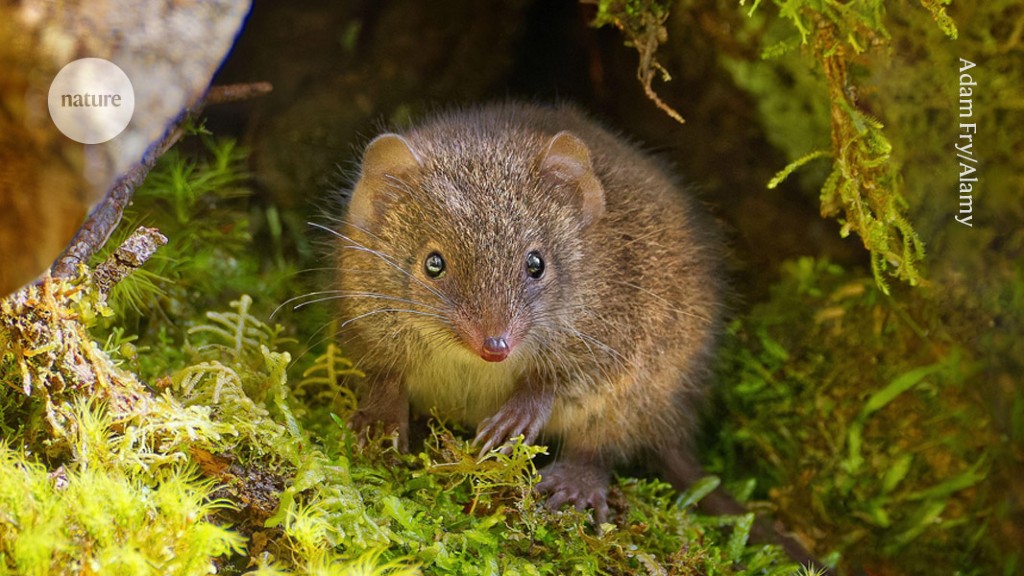
"Sleepless and Sex-Obsessed: The Short Lives of Tiny Male Marsupials"
Male antechinus, a type of marsupial, sacrifice sleep during their short and intense breeding season to maximize mating opportunities, with some dying shortly after. Research found that captive males slept significantly less during breeding season, and wild males and females showed decreased oxalic acid levels, indicating sleep deprivation. While sleep loss was initially suspected as the cause of death, further investigation is needed to determine the exact cause, with malnutrition and environmental triggers being potential factors.