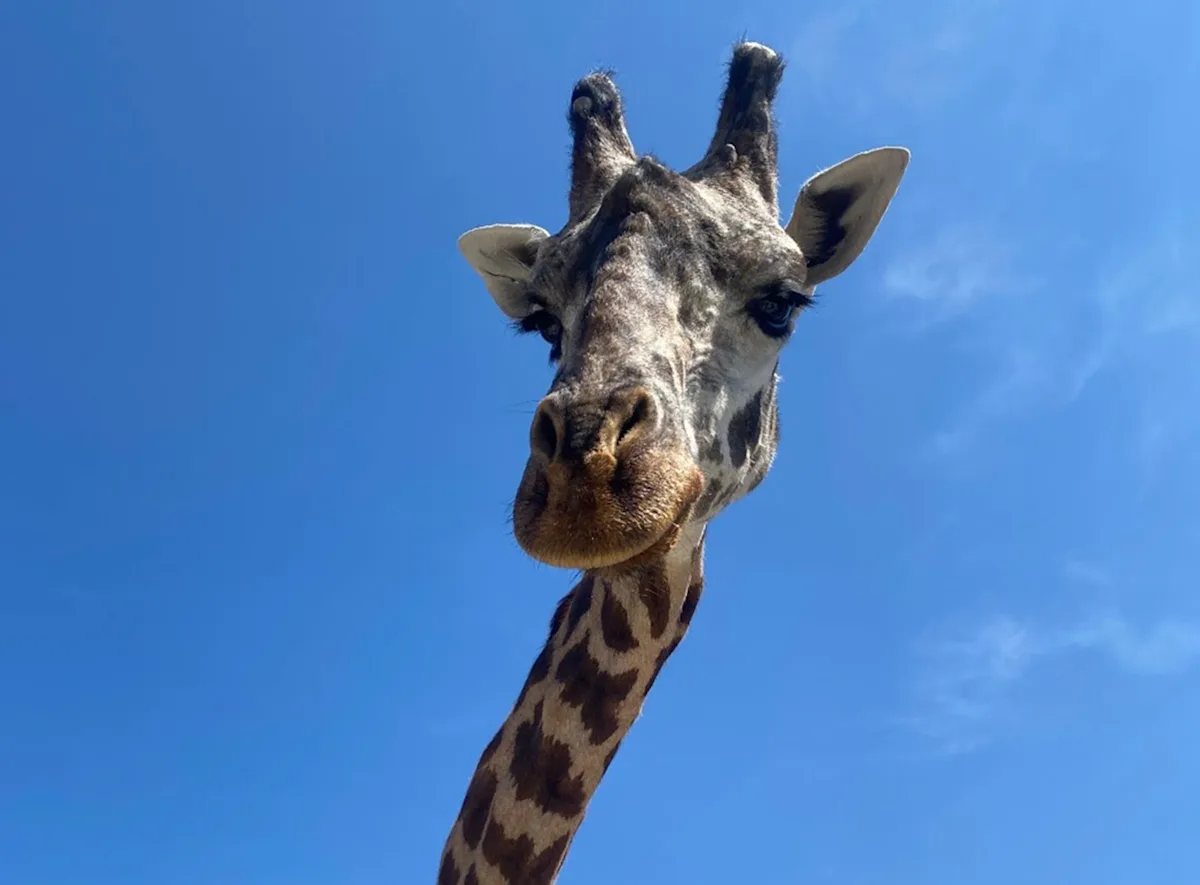
The Toronto Zoo mourns the sudden death of 13-year-old giraffe Kiko after a tragic accident involving a door, highlighting concerns over the endangered status of Masai giraffes due to poaching and habitat loss.
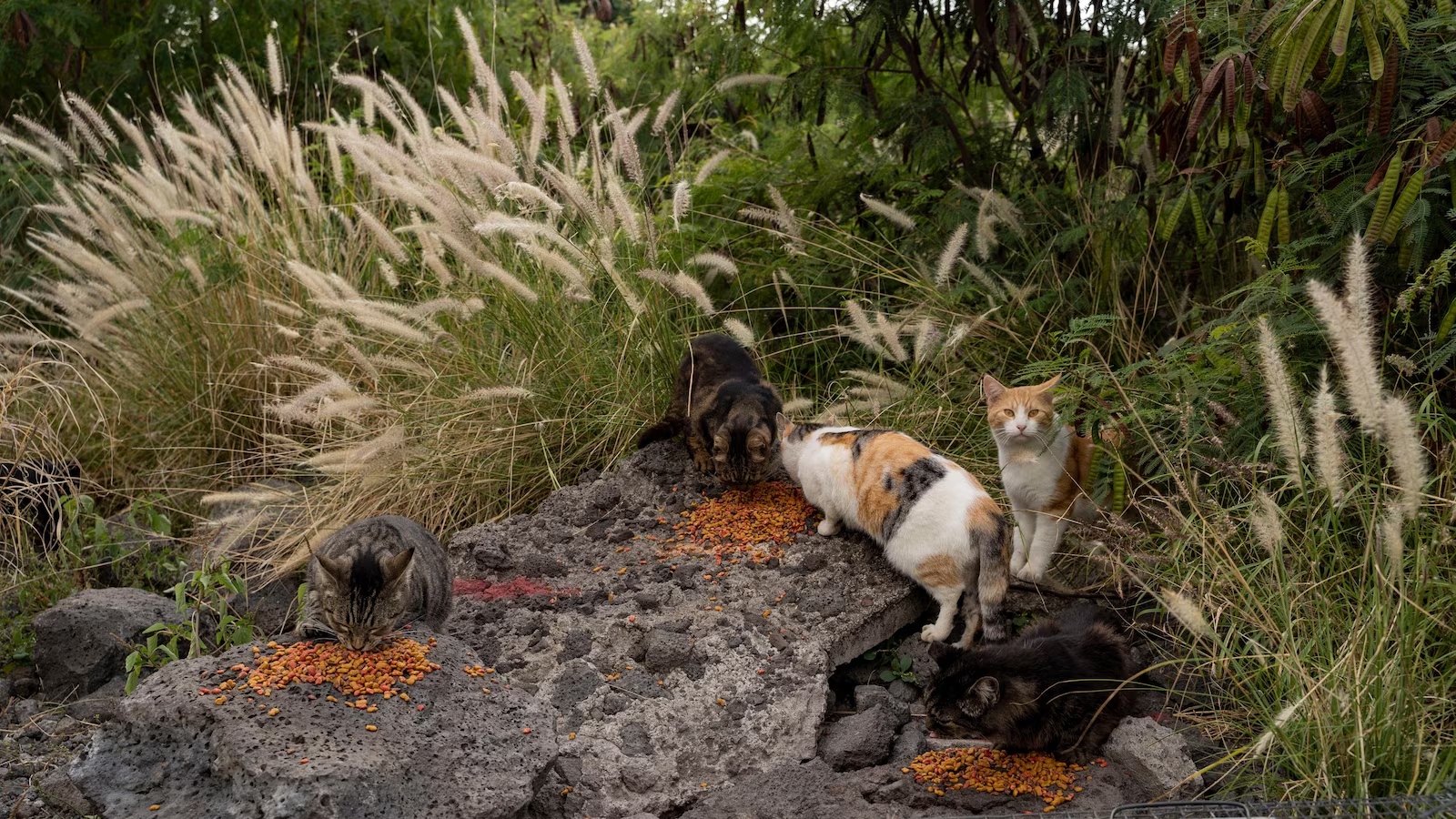
Hawaii's Big Island has implemented a ban on feeding feral cats on county property to protect endangered native species like the nene goose, sparking controversy among animal lovers who argue it may hinder population control efforts and lead to more hunting by hungry cats. The measure aims to reduce threats to native wildlife from predation and disease, but opponents fear it will push feeding underground and harm the cats.
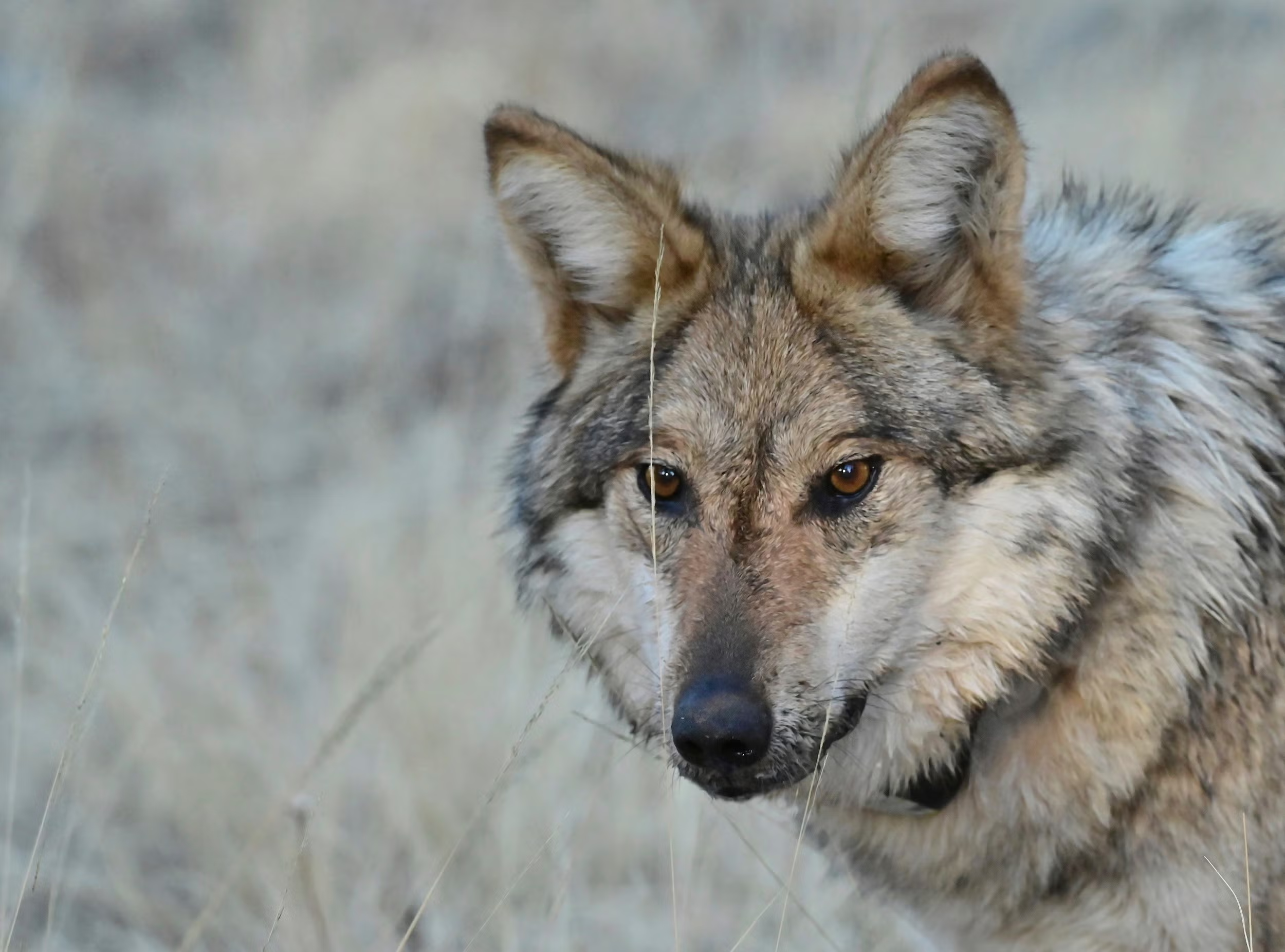
The US House of Representatives passed a bill to remove federal protections for gray wolves nationwide, aiming to give states more control over wolf management, despite concerns from environmental groups about potential threats to wolf populations and legal protections.
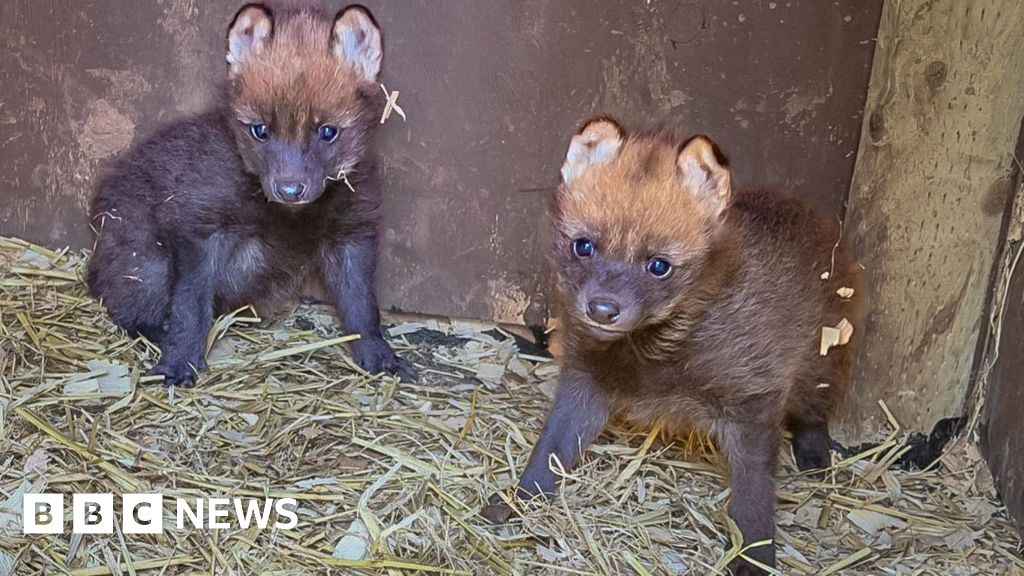
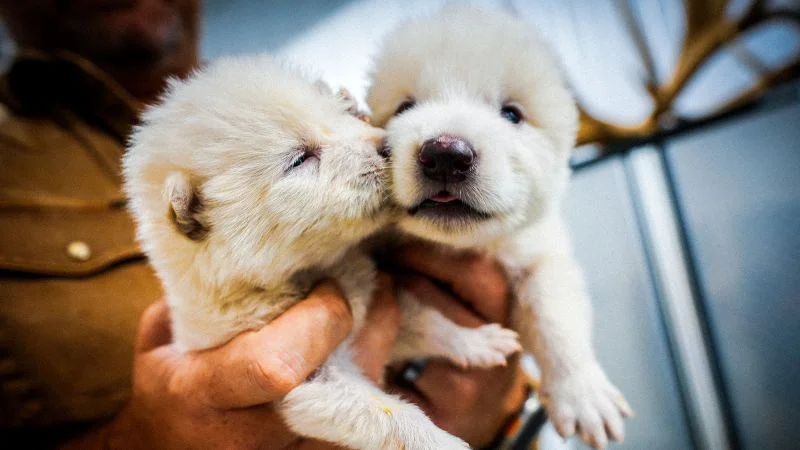
Paignton Zoo in the South West celebrates the birth of two rare maned wolf pups, a significant event for conservation efforts as fewer than 17,000 remain in the wild, highlighting the species' near-threatened status and the zoo's role in preservation.
Endangered galaxy frogs in Kerala, India, have disappeared after habitat destruction caused by photographers who handled and removed logs containing the frogs, leading to the death of some and the loss of their habitat, raising concerns about ethical wildlife photography and conservation efforts.
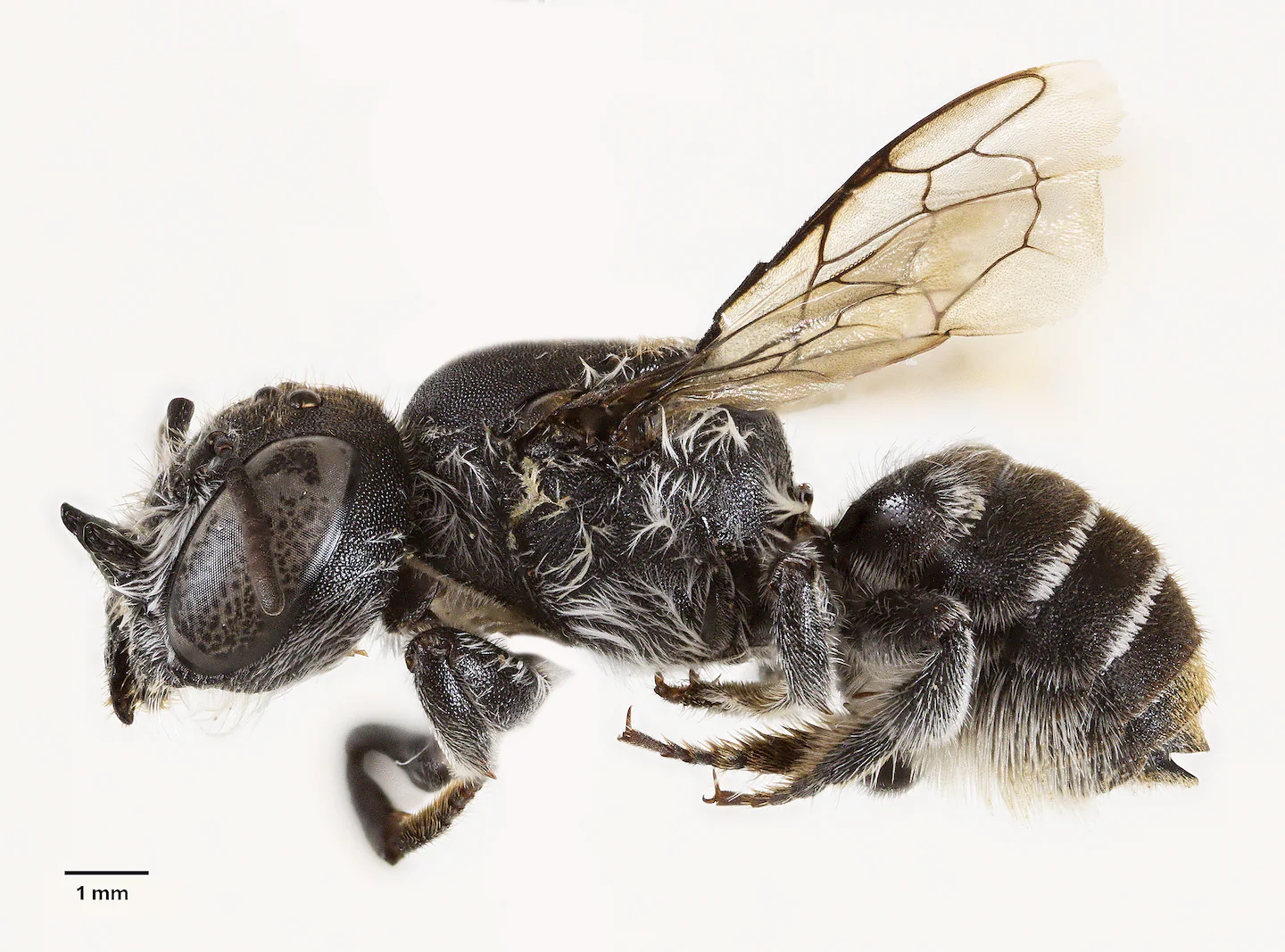
Scientists in Australia discovered a new bee species, Megachile Lucifer, with distinctive devil-like horns, while studying a critically endangered wildflower.
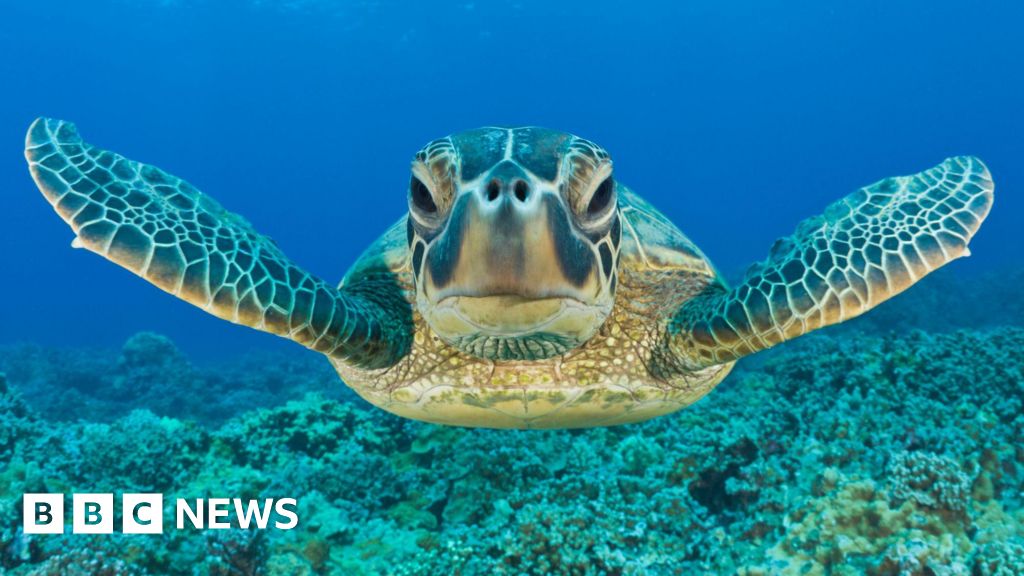
Green turtles, once critically endangered due to hunting and habitat loss, have been downgraded to Least Concern thanks to decades of global conservation efforts, marking a significant recovery, though ongoing threats like climate change and fishing still pose risks.,
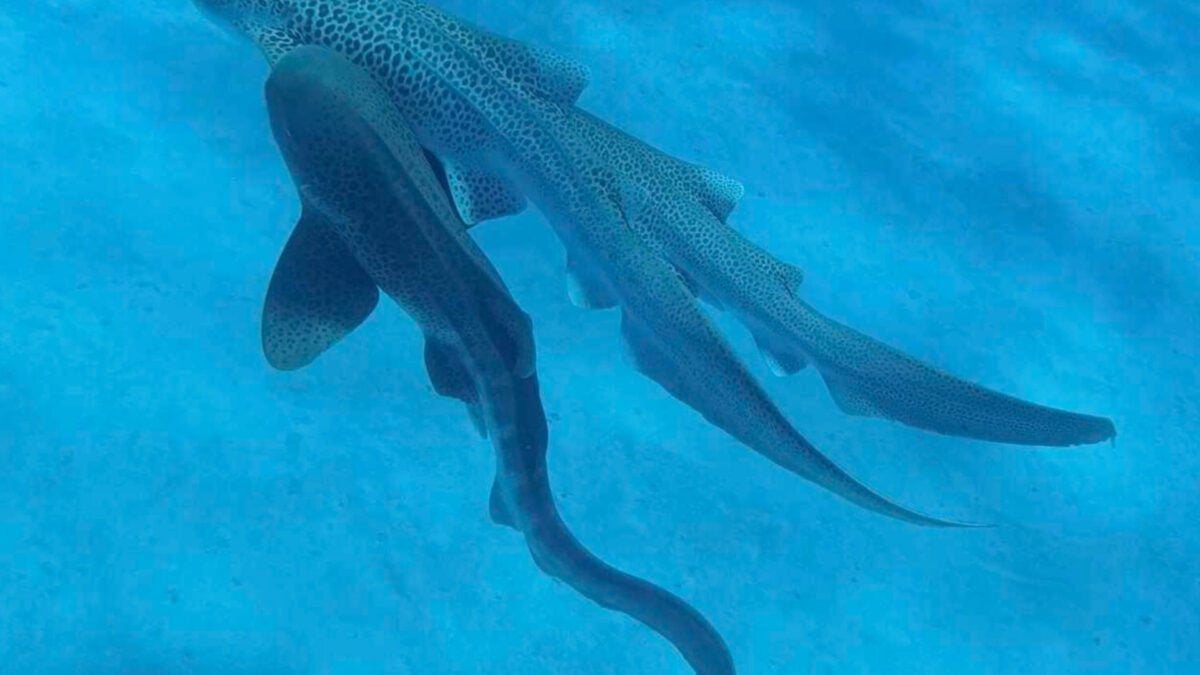
Marine biologists filmed the first known footage of a group mating among endangered leopard sharks in the wild, providing valuable insights into their reproductive strategies and emphasizing the importance of protecting their natural habitats for conservation efforts.
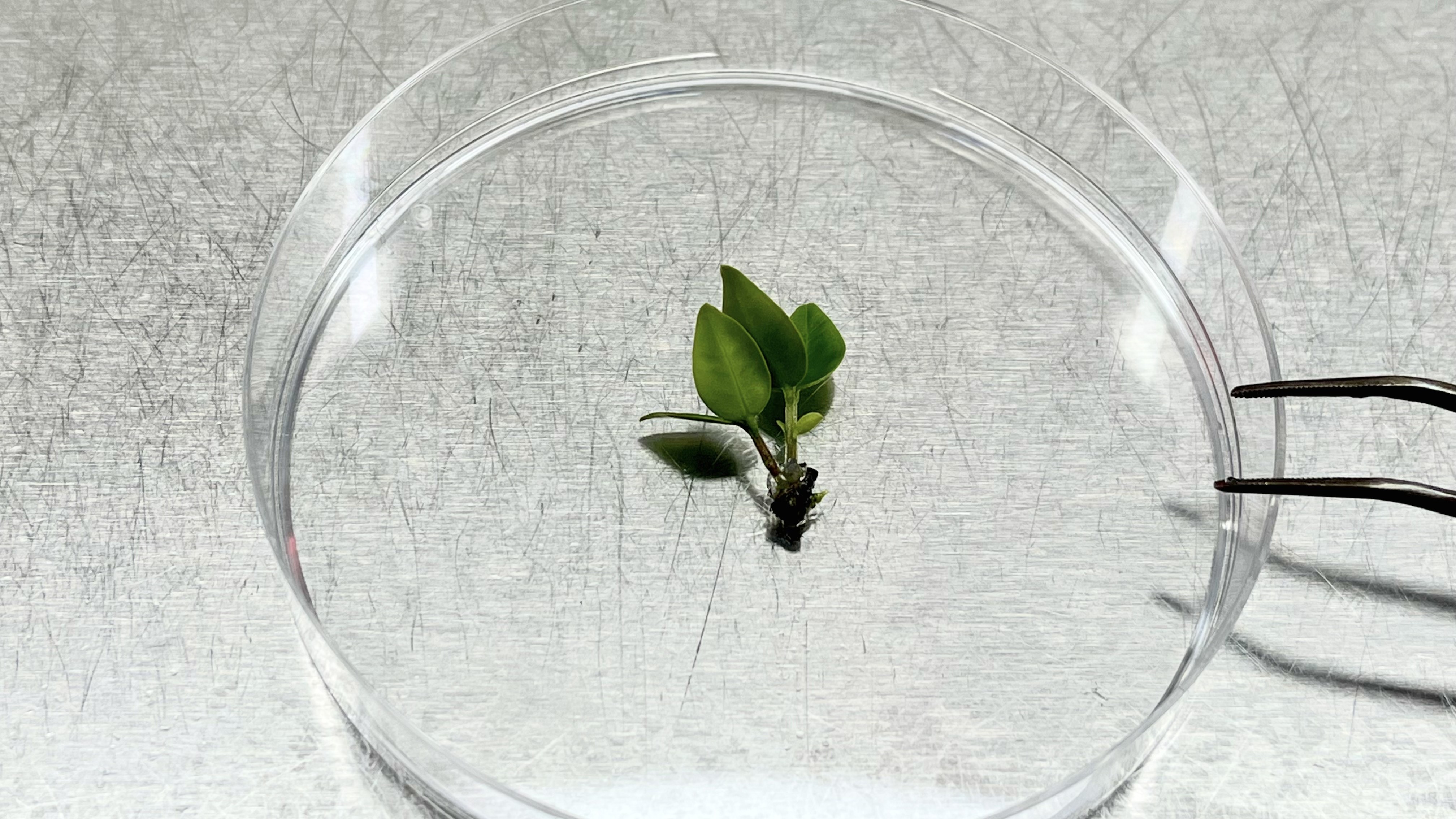
Scientists in Australia are working to cryopreserve the shoot tips of the critically endangered angle-stemmed myrtle to preserve its DNA and potentially revive the species in the future, amid threats like habitat loss, climate change, and myrtle rust disease.
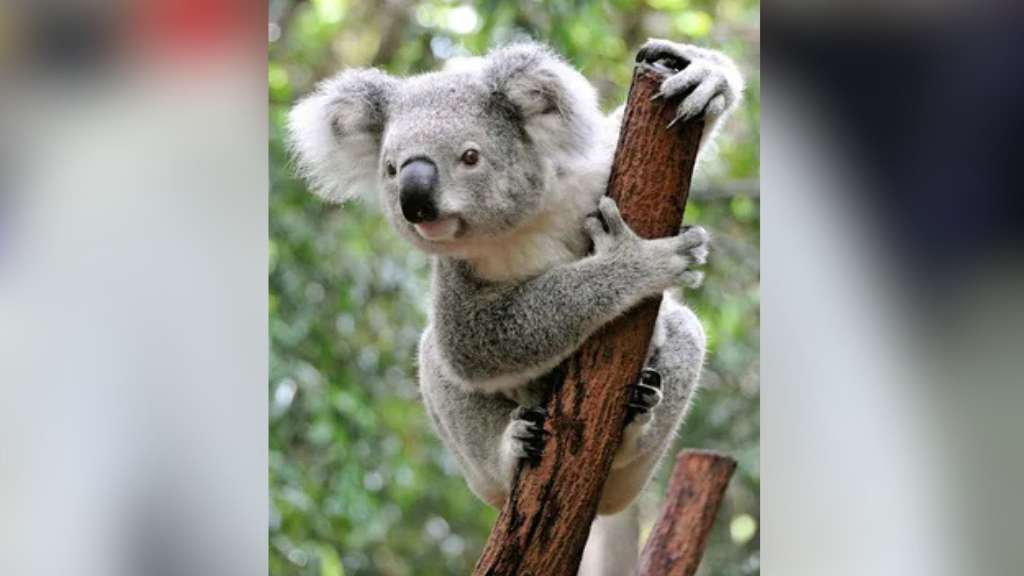
Australia has approved a chlamydia vaccine for koalas, aiming to combat a disease responsible for significant mortality and threatening the species' survival, with the vaccine shown to reduce infections and deaths in wild populations by at least 65%.
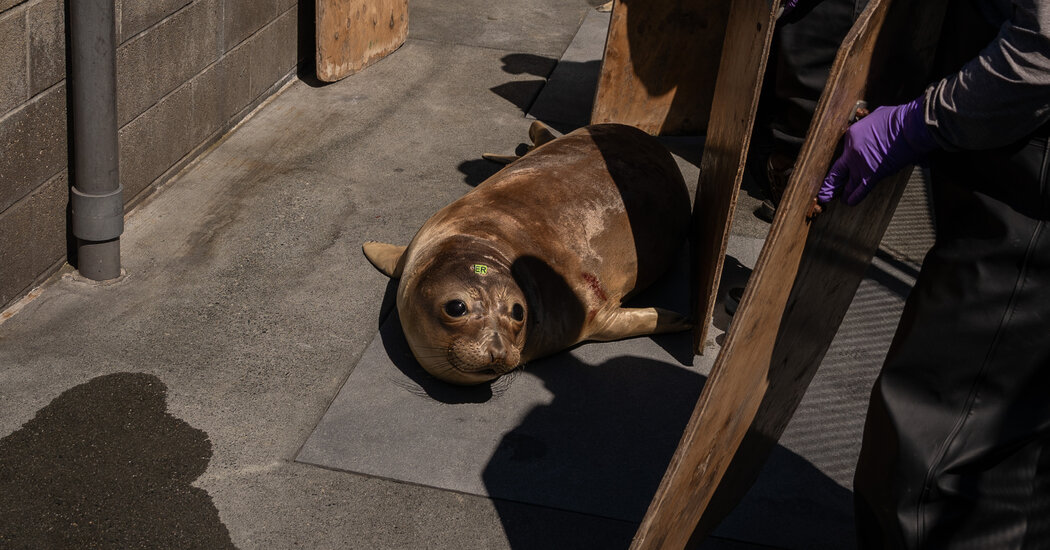
Scientists have started testing a bird flu vaccine on marine mammals, beginning with six northern elephant seals in California, with hopes to soon vaccinate endangered Hawaiian monk seals to prevent the virus from wiping out the small population.
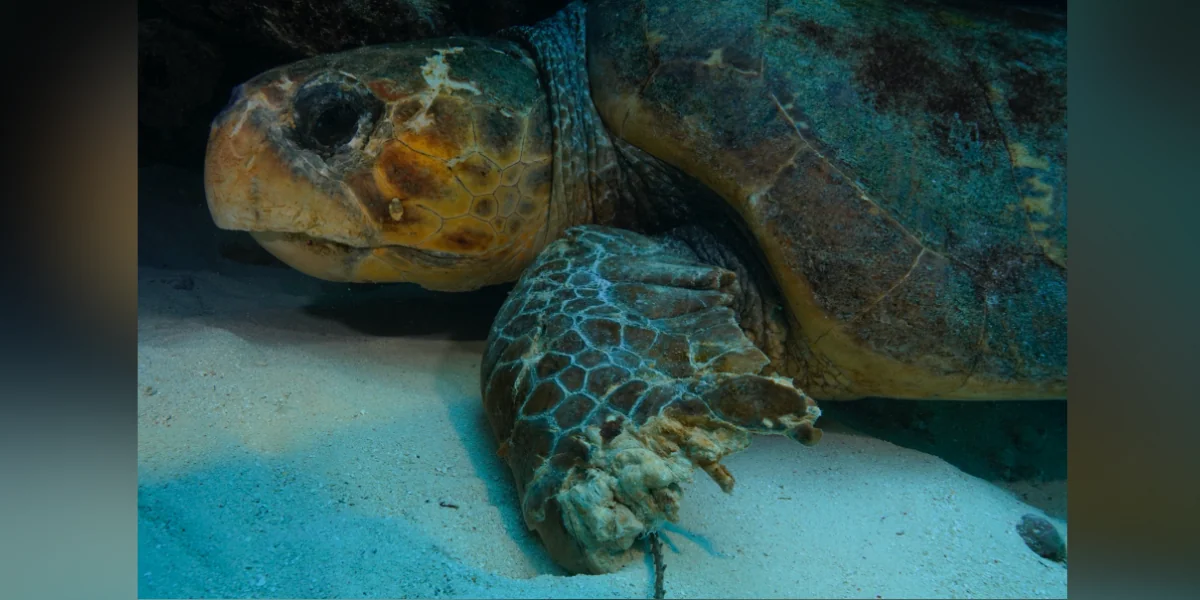
A diver named Mike Papish rescued Lenny, a large injured loggerhead sea turtle, and took him to The Turtle Hospital in Florida, where he received care and was released after two weeks, highlighting the importance of sea turtle conservation and ecosystem health.
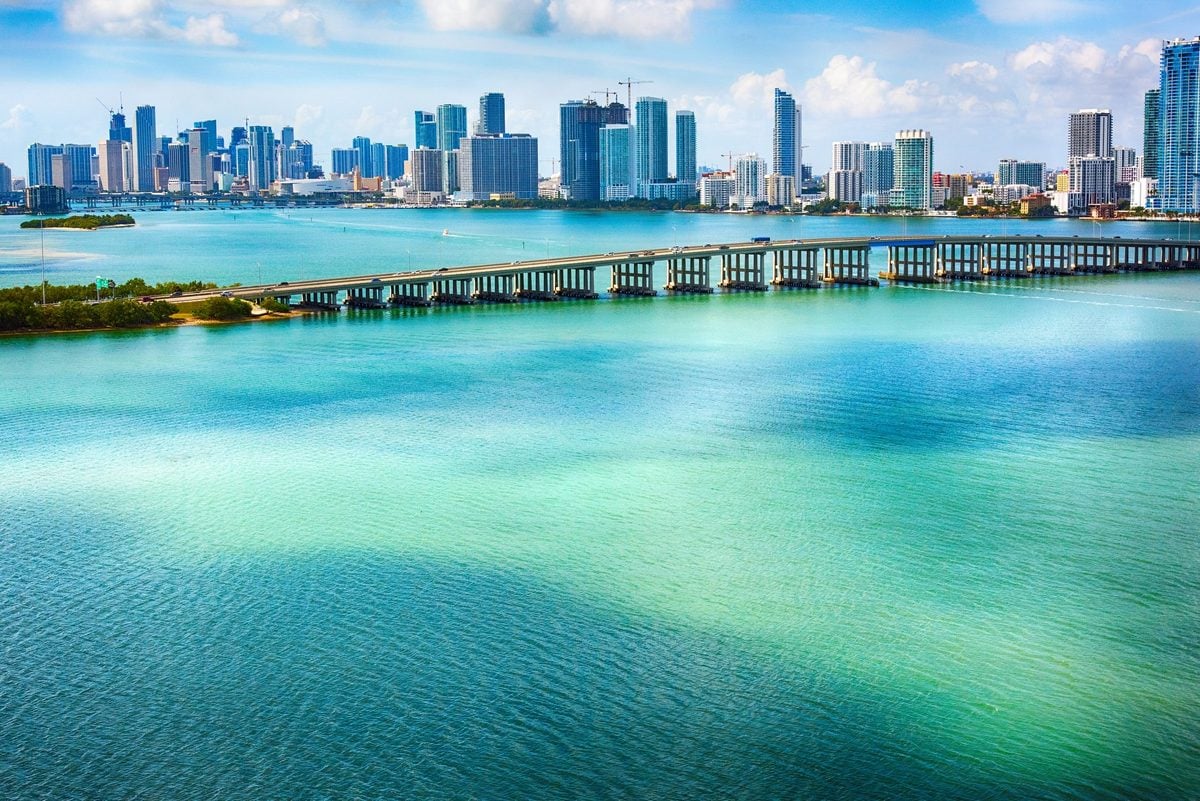
A comprehensive eight-year study highlights Biscayne Bay as a vital habitat for critically endangered great hammerhead sharks, revealing their reliance on the bay from birth through adulthood and raising concerns about fishing pressures and habitat threats in the area.
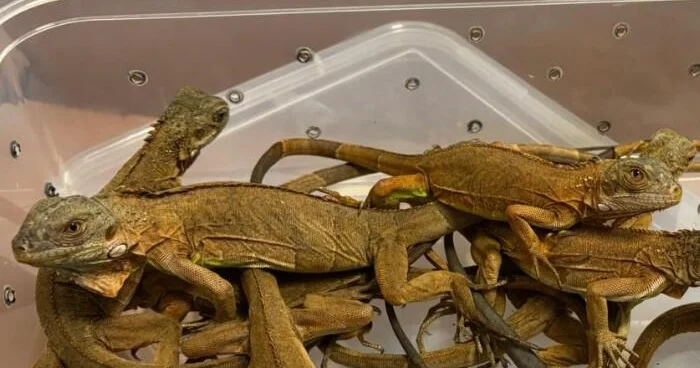
Indian customs intercepted a passenger from Thailand attempting to smuggle nearly 100 wildlife creatures, including lizards, tarantulas, possums, and other exotic animals, highlighting a troubling rise in wildlife trafficking driven by the exotic pet trade, with most seizures occurring in India.
Conservationists in Cambodia are celebrating the discovery and release of six critically endangered Mekong giant catfish, boosting hopes for the species' revival. The fish, weighing up to 130 kilograms each, were tagged and released by fishermen and officials from Cambodia's Fisheries Administration. This rare event, facilitated by the USAID-funded Wonders of the Mekong project, provides valuable data on the catfish's ecology and migration, offering a chance to implement conservation measures. The species has suffered an 80% population decline due to illegal fishing, habitat loss, and environmental changes in the Mekong River.