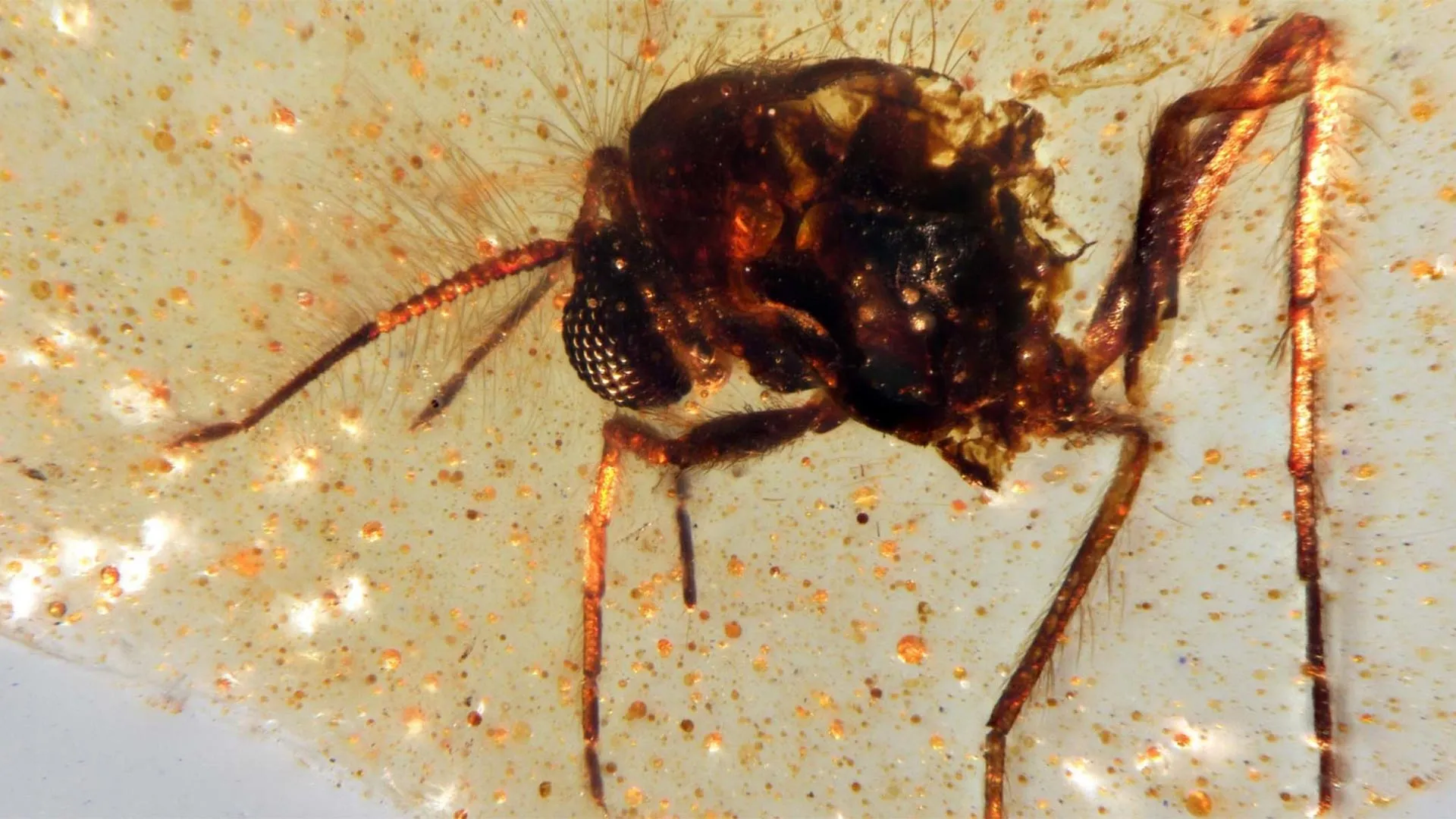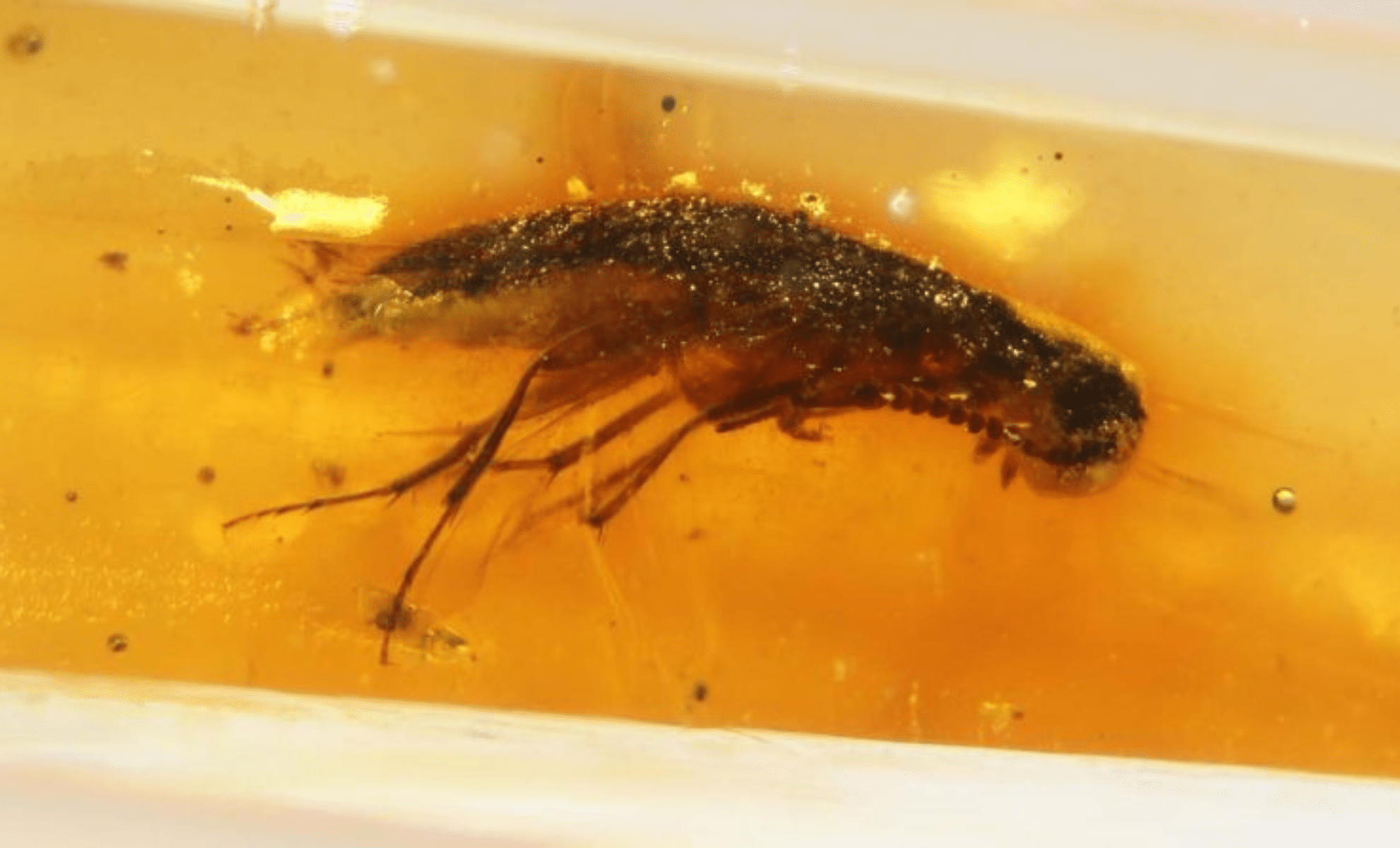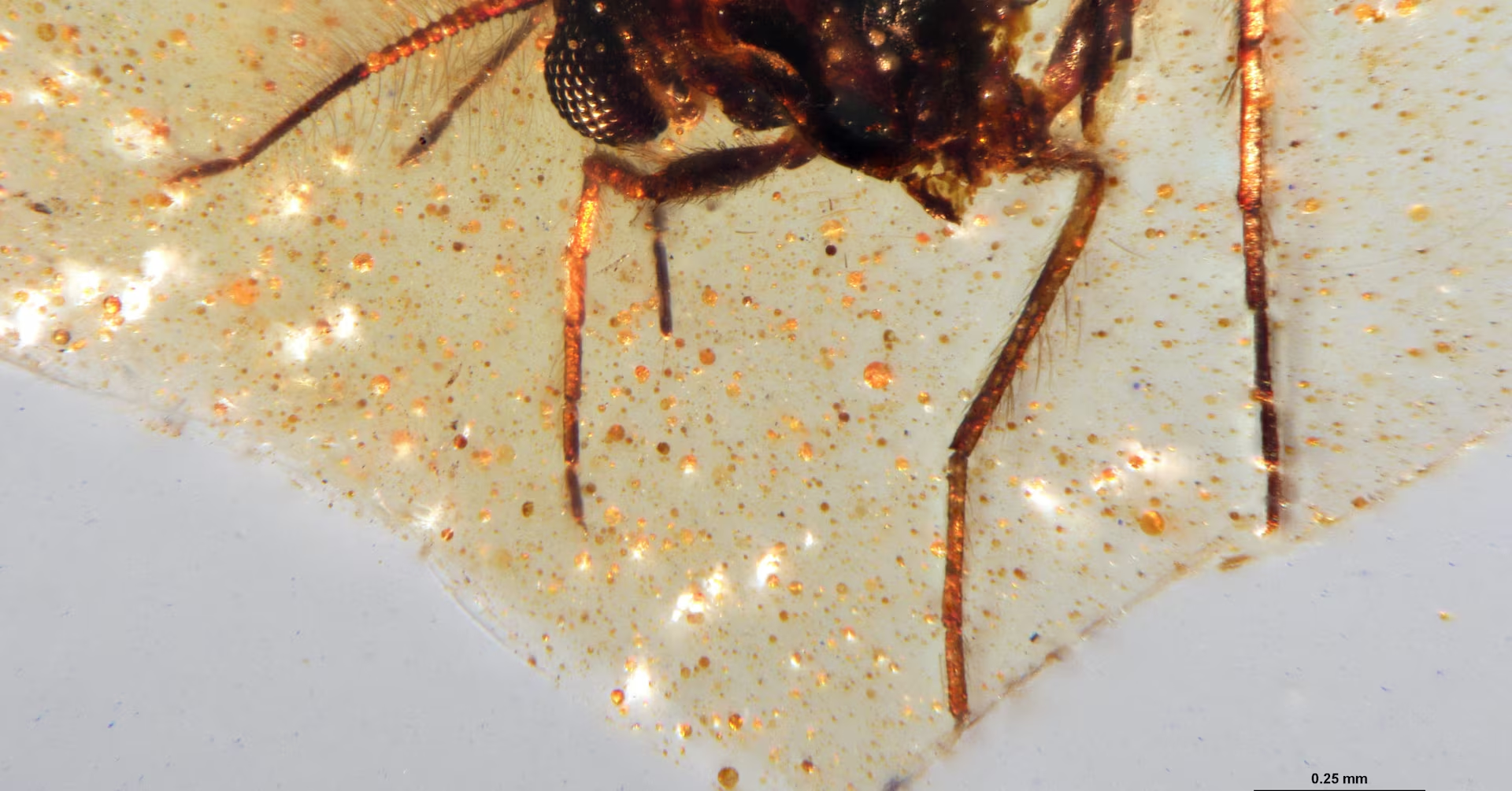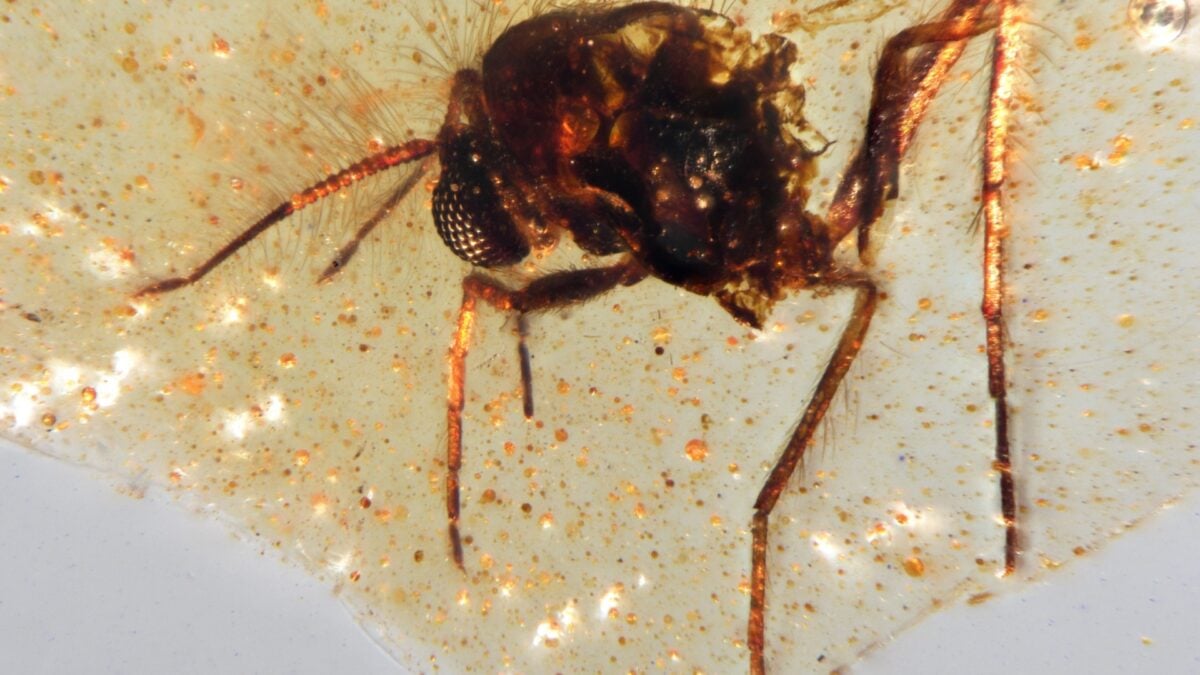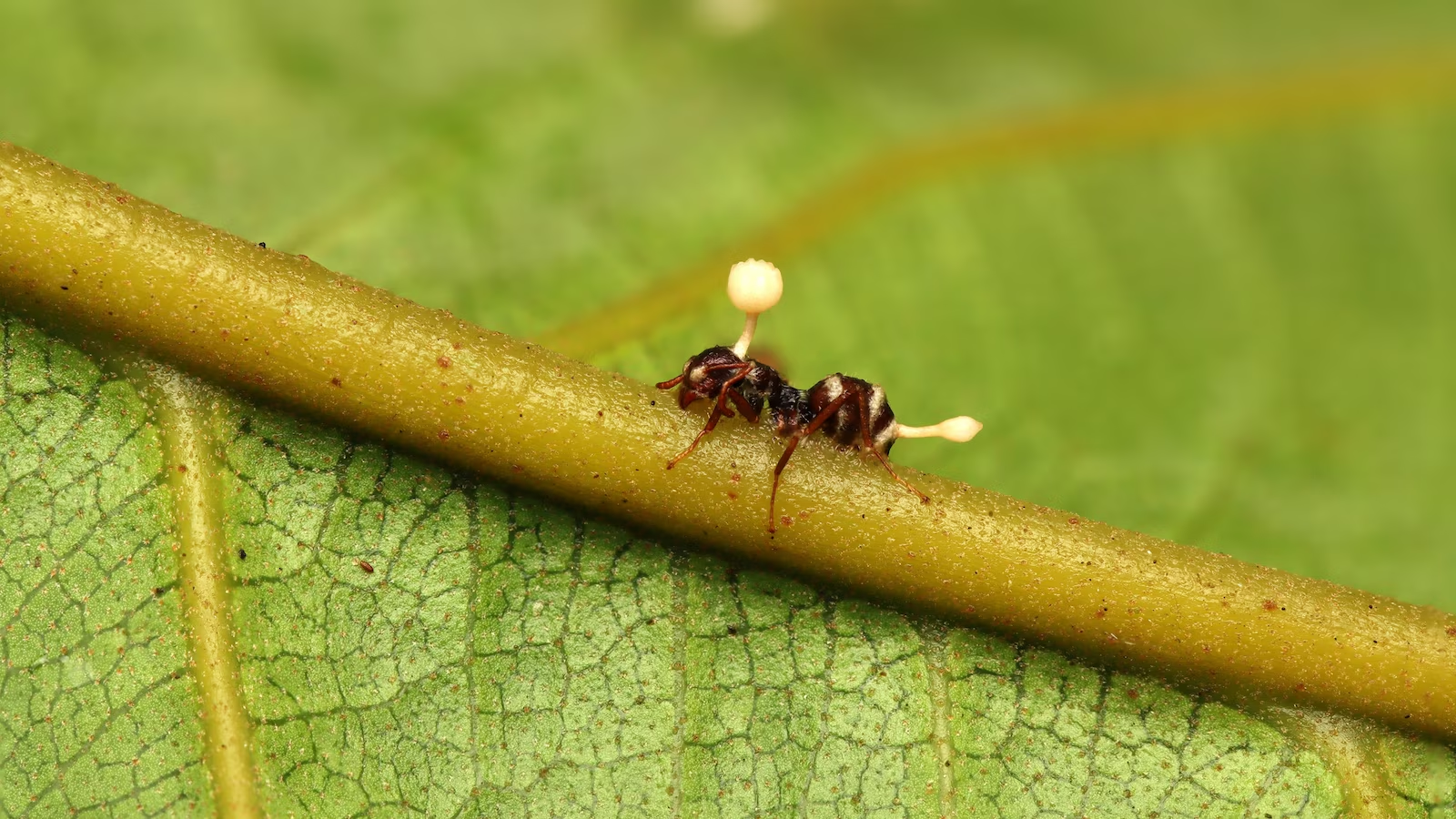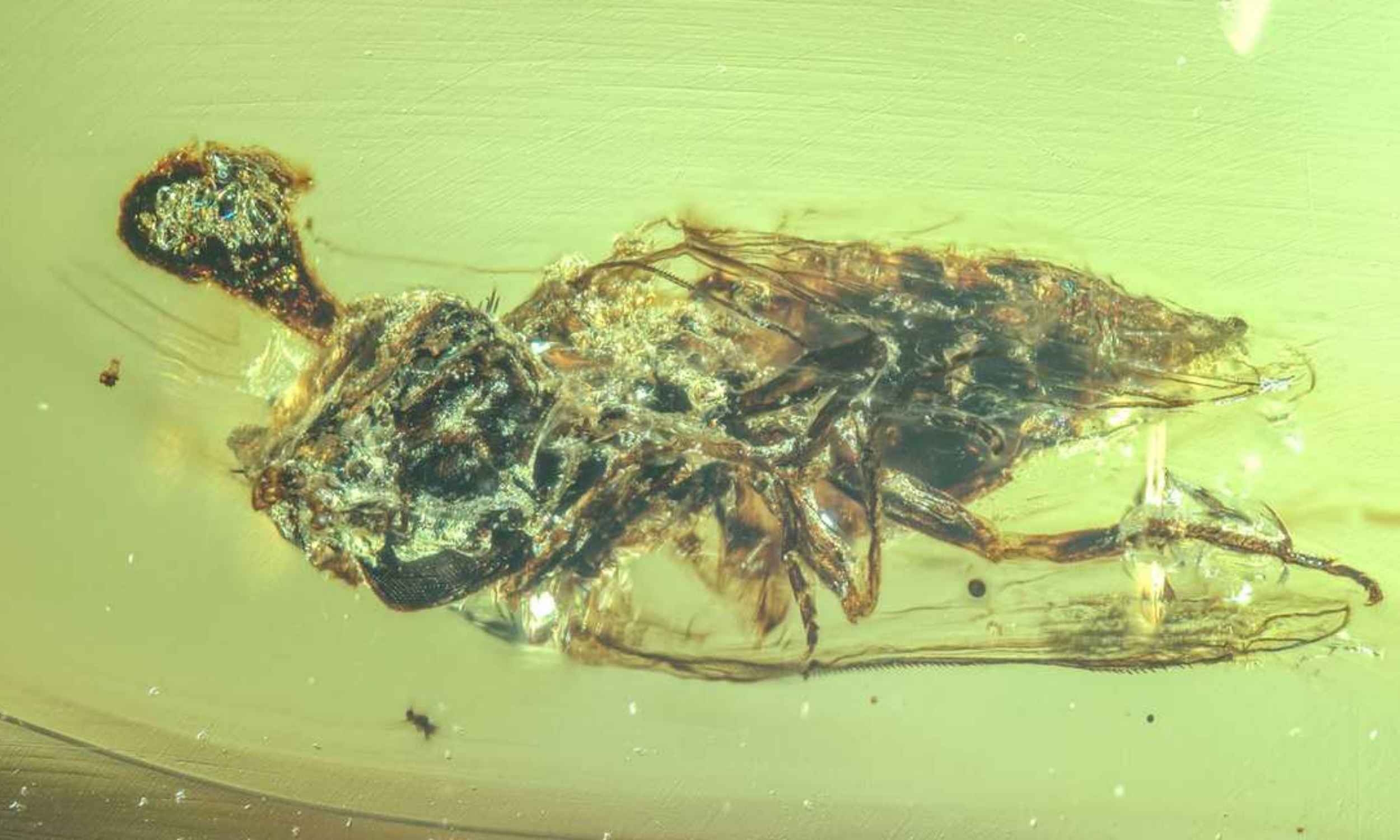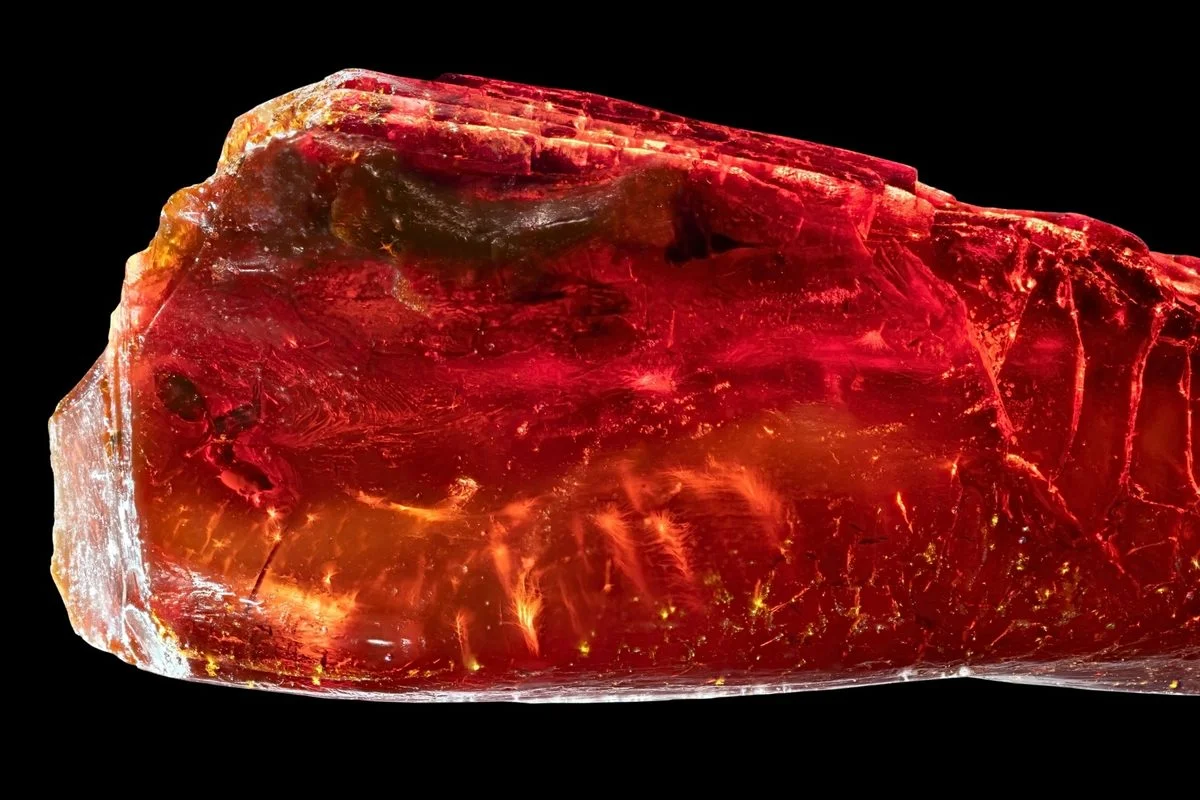
Scientists discovered 99-million-year-old amber fossils of an ant and fly infected by parasitic fungi, providing evidence that such fungi, similar to modern zombie-ant fungi, existed during the Cretaceous period and played a significant role in prehistoric ecosystems.
Scientists discovered a 100-million-year-old fossil of a spider in Myanmar amber that had a tail, revealing that ancient spider ancestors possessed tails, a trait previously only hypothesized. The fossil, named Chimerarachne yingi, shows a blend of ancient and modern features, including spinnerets and a tail similar to early arachnids, suggesting web-building evolved later. The discovery provides new insights into spider evolution and raises the possibility that similar species might still exist in unexplored rainforests.
Scientists discovered 112-million-year-old amber in Ecuador containing well-preserved insects and plant fossils, offering new insights into the prehistoric ecosystems of Gondwana and filling a significant gap in Southern Hemisphere paleontology.
Scientists discovered 112-million-year-old insects and plant material preserved in amber from Ecuador, providing valuable insights into Gondwana's Cretaceous ecosystem and the biodiversity of the southern Hemisphere during that period.
Scientists have discovered 112-million-year-old amber samples from Ecuador that contain well-preserved 3D snapshots of ancient insects, including beetles, flies, and spiders, providing valuable insights into prehistoric life and the early relationship between flowers and pollinating insects. These bio-inclusions are rare and help scientists understand the biodiversity of the Gondwana supercontinent era.
Researchers discovered 112-million-year-old amber in Ecuador containing well-preserved fossils of insects and plant remains, providing valuable insights into a Cretaceous ecosystem in South America during the age of dinosaurs, including details about insect diversity and plant transition from gymnosperms to angiosperms.
Scientists discovered South America's first large amber deposit in Ecuador, containing well-preserved insects and plant remains from over 100 million years ago, providing new insights into ancient ecosystems and rainforest environments during the Cretaceous period.
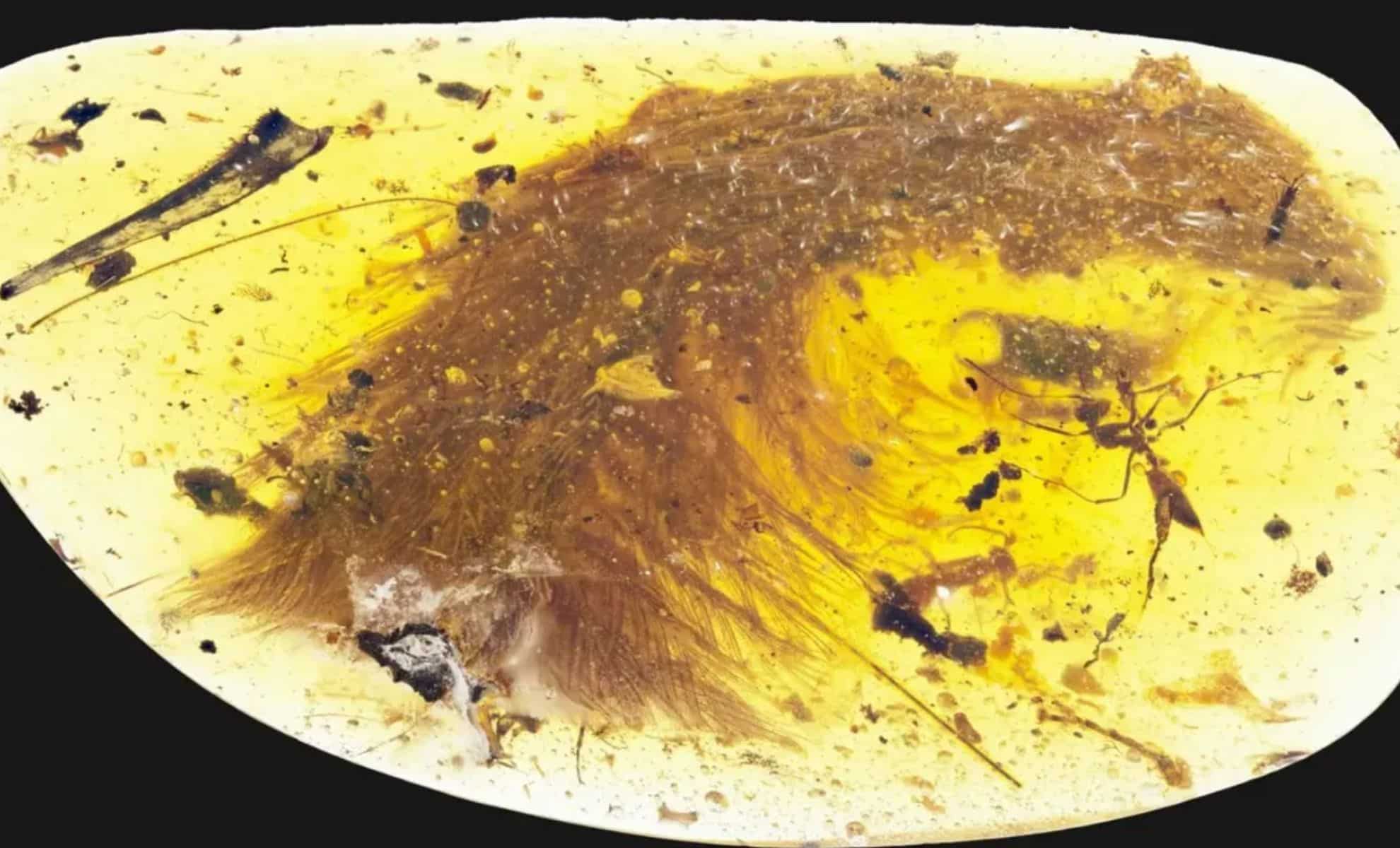
Scientists discovered a 99-million-year-old dinosaur tail preserved in Myanmar amber, marking the first non-avian dinosaur material found in amber, providing detailed insights into soft tissues, feathers, and coloration, and offering new understanding of dinosaur evolution.
Scientists discovered 99-million-year-old parasitic fungi in amber, representing the oldest known examples that infected insects like ants and flies during the mid-Cretaceous period, shedding light on ancient host-parasite relationships and their ecological roles.
Researchers discovered 100-million-year-old fossilized 'zombie' fungi in amber that infected insects like ants and flies, showing that parasitic fungi with similar behaviors to modern species have existed since the Cretaceous period, providing insights into ancient disease ecology and insect evolution.
A recent study in Japan revealed that a massive tsunami during the age of dinosaurs transported tree resin and amber from inland forests into deep-sea environments, providing new insights into ancient tsunami events and their impact on coastal and deep-sea ecosystems. The findings suggest that such tsunamis could have been triggered by landslides and tectonic activity, and that amber can serve as a valuable marker for identifying past coastal disasters, with implications for understanding long-term climate and hazard risks.
Scientists have discovered 99-million-year-old 'zombie' fungi in amber, providing evidence of ancient parasitic fungi infecting insects like ants and flies, and shedding light on their evolution and adaptation over millions of years.
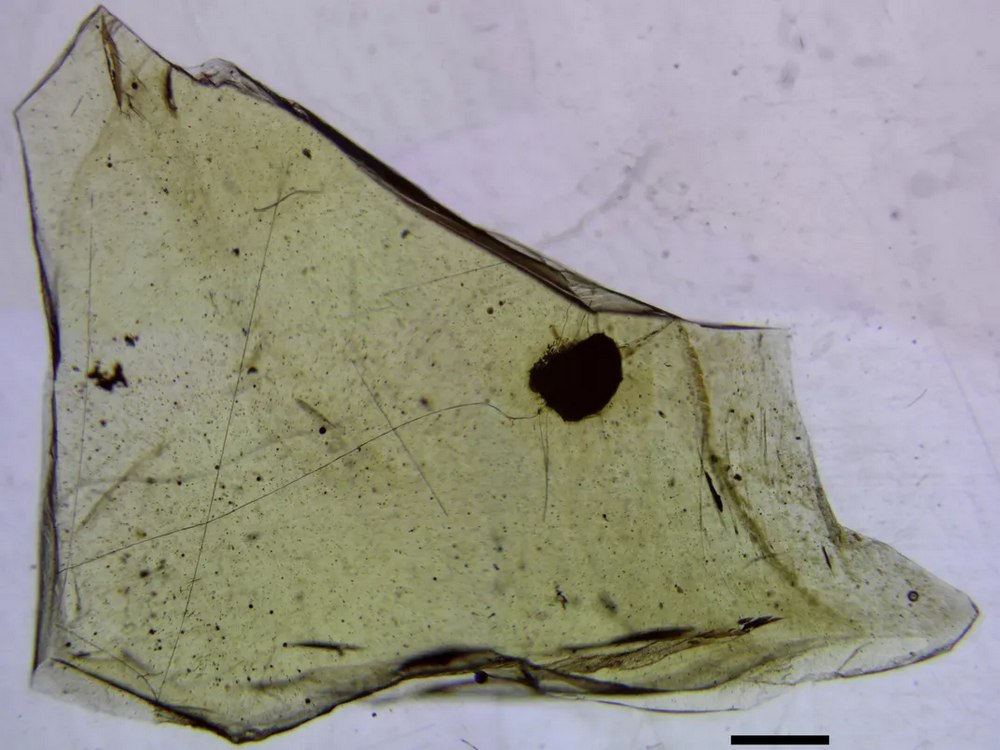
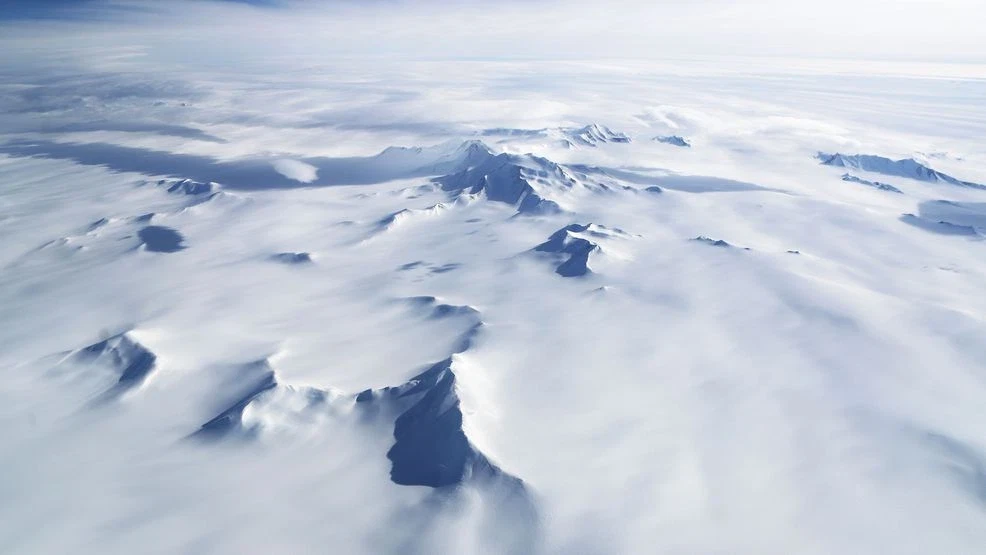
Scientists have discovered amber fragments in Antarctica, suggesting the continent was once a lush jungle. This finding, supported by fossilized evidence of trees, indicates a vastly different climate in the past, characterized by high levels of greenhouse gases. The study highlights the potential for understanding how life can adapt to extreme environments, offering insights into future climate challenges as carbon emissions continue to rise.
Scientists have discovered amber fragments in Antarctica, suggesting the continent was once a lush jungle. This finding, supported by fossilized evidence of trees, indicates a vastly different climate in the past, characterized by high greenhouse gas levels. The research could provide insights into how life might adapt to future greenhouse-gas-filled environments.
Scientists have discovered amber fragments in Antarctica, suggesting the continent was once a lush jungle. This finding, supported by fossilized evidence of trees, indicates a vastly different climate in the past, characterized by high levels of greenhouse gases. The study highlights the potential for understanding how life can adapt to extreme environments, offering insights into future climate challenges.