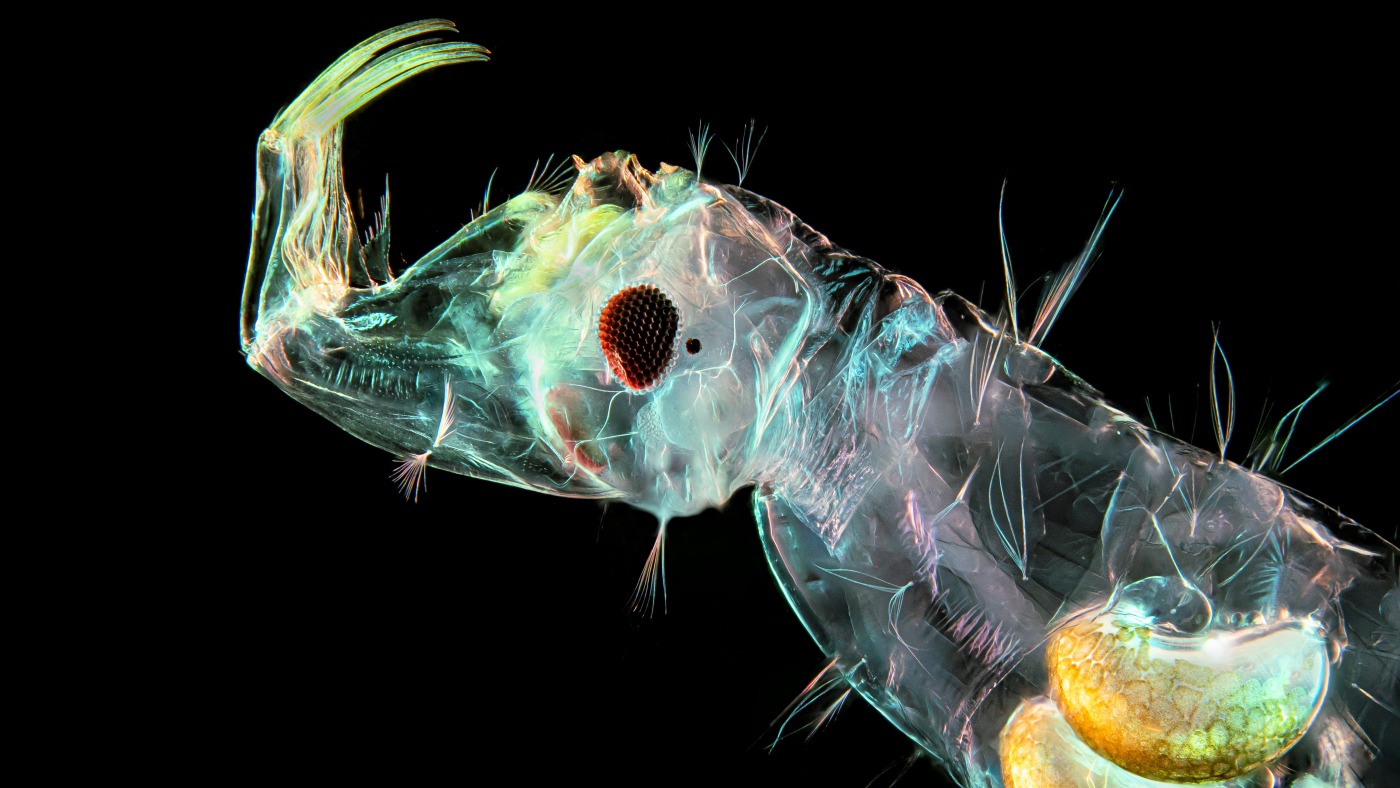
Scientists discovered the first evidence of a Bronze Age strain of plague infecting livestock, specifically a sheep from 4,000 years ago, shedding light on how the ancient disease spread across Eurasia and highlighting the complex interactions between humans, animals, and natural reservoirs.
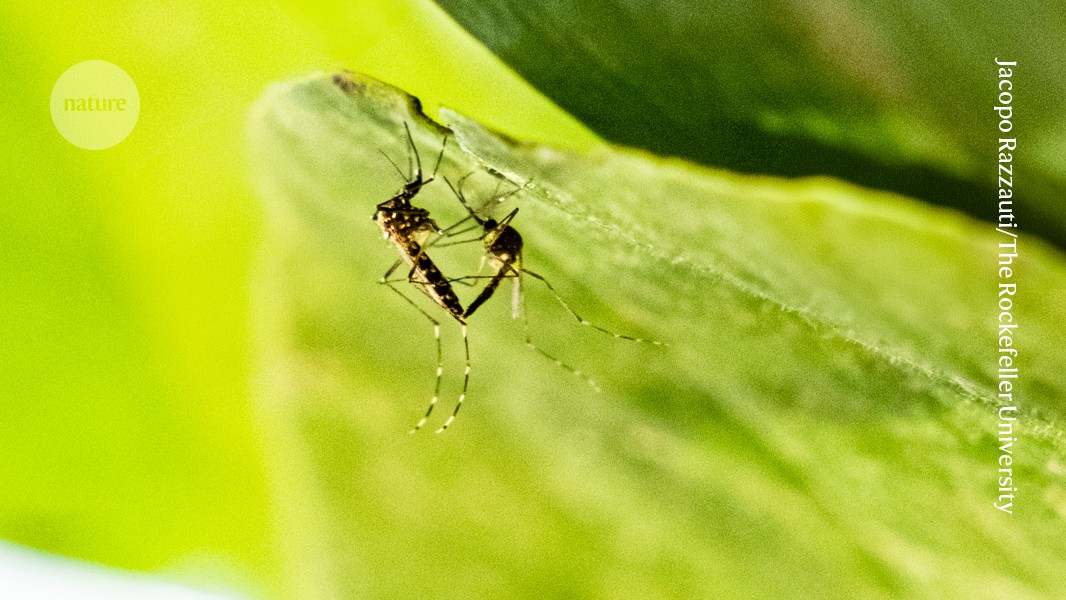
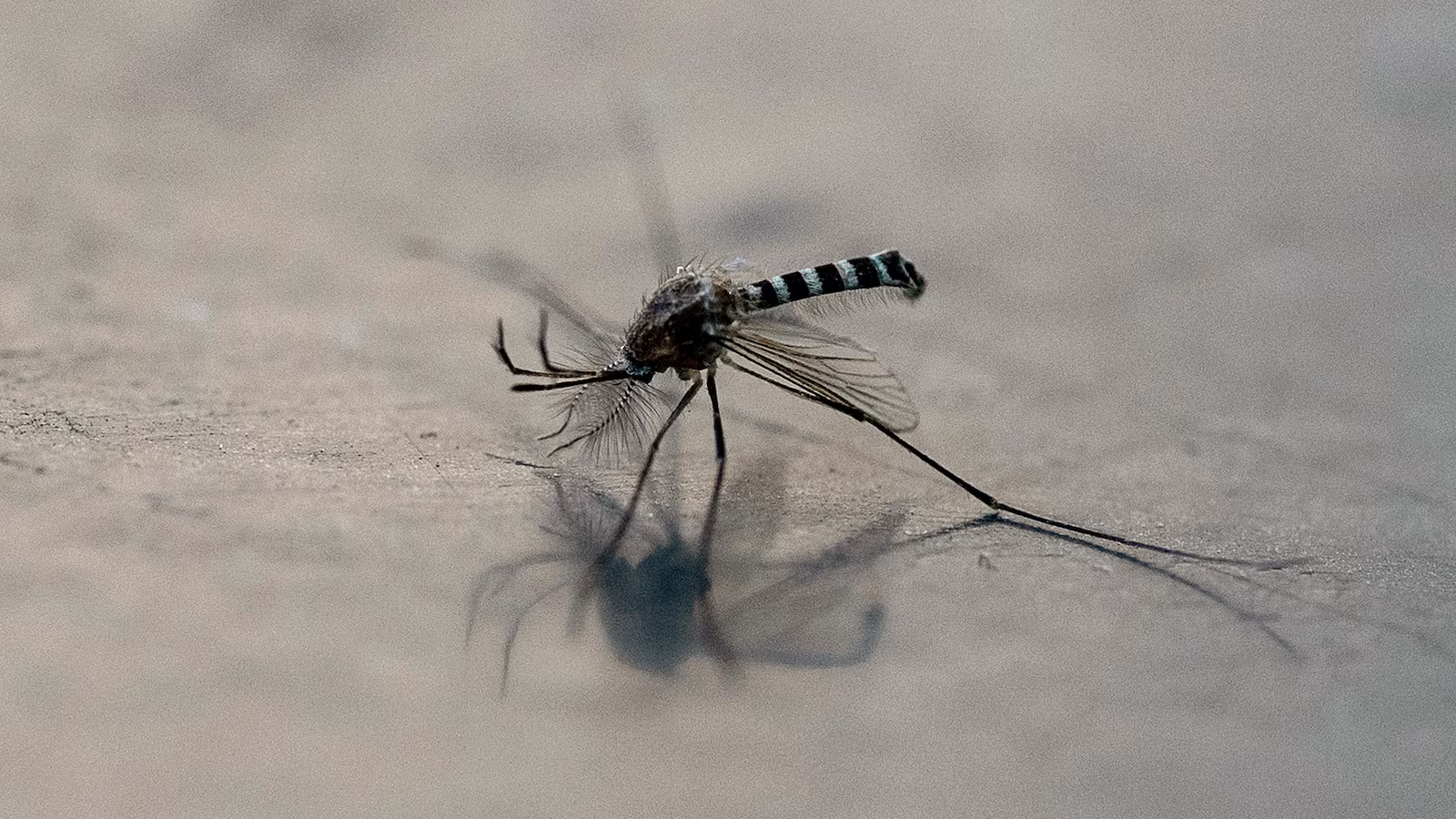
A study using fluorescent sperm and high-resolution filming revealed that female Aedes aegypti mosquitoes actively participate in mating by signaling readiness, challenging the previous view that males are solely in charge, which could impact strategies for controlling disease-carrying mosquitoes.
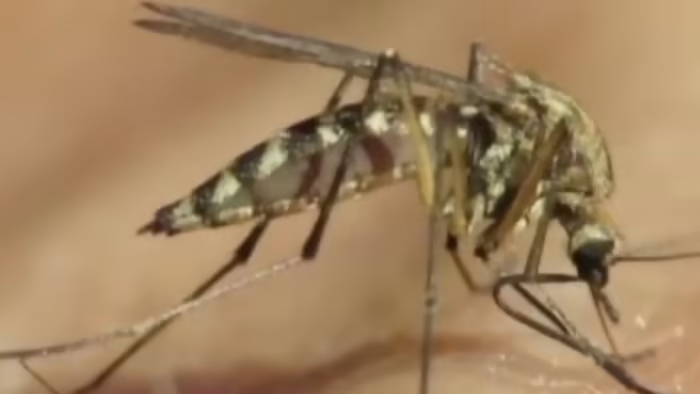
Invasive Aedes aegypti mosquitoes, known for transmitting diseases like dengue and Zika, are spreading in Northern California, including the San Francisco Bay Area, raising public health concerns and urging residents to eliminate standing water to control their spread.
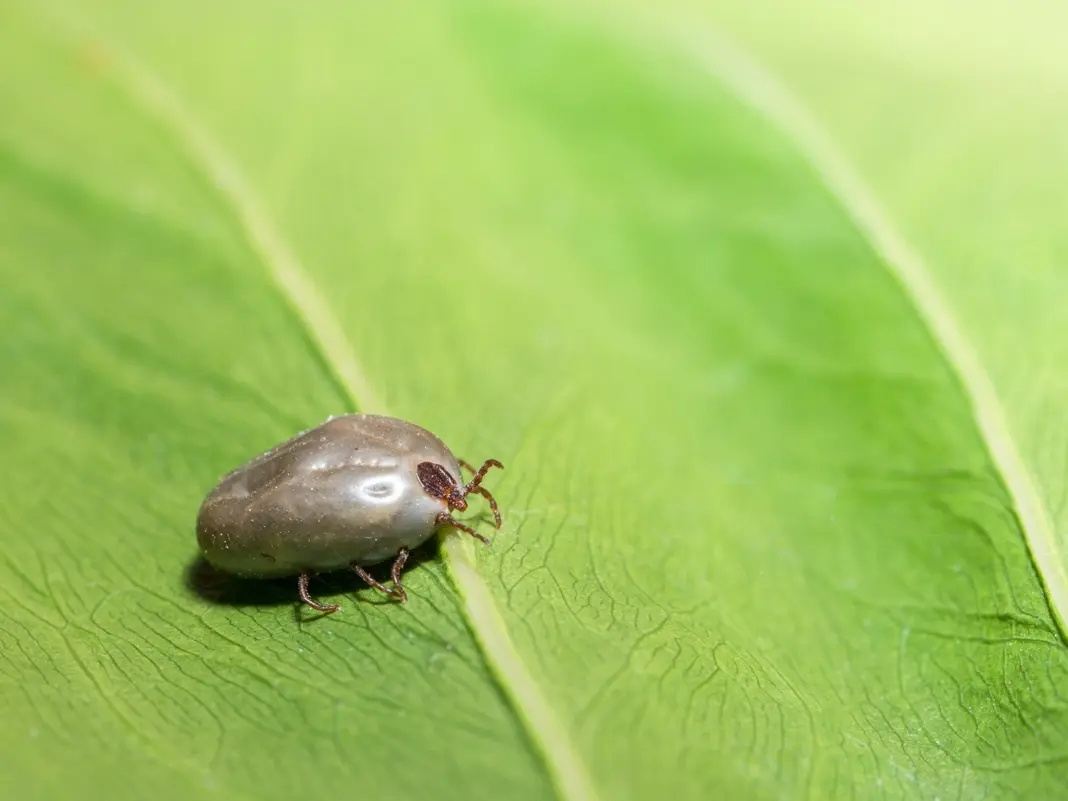
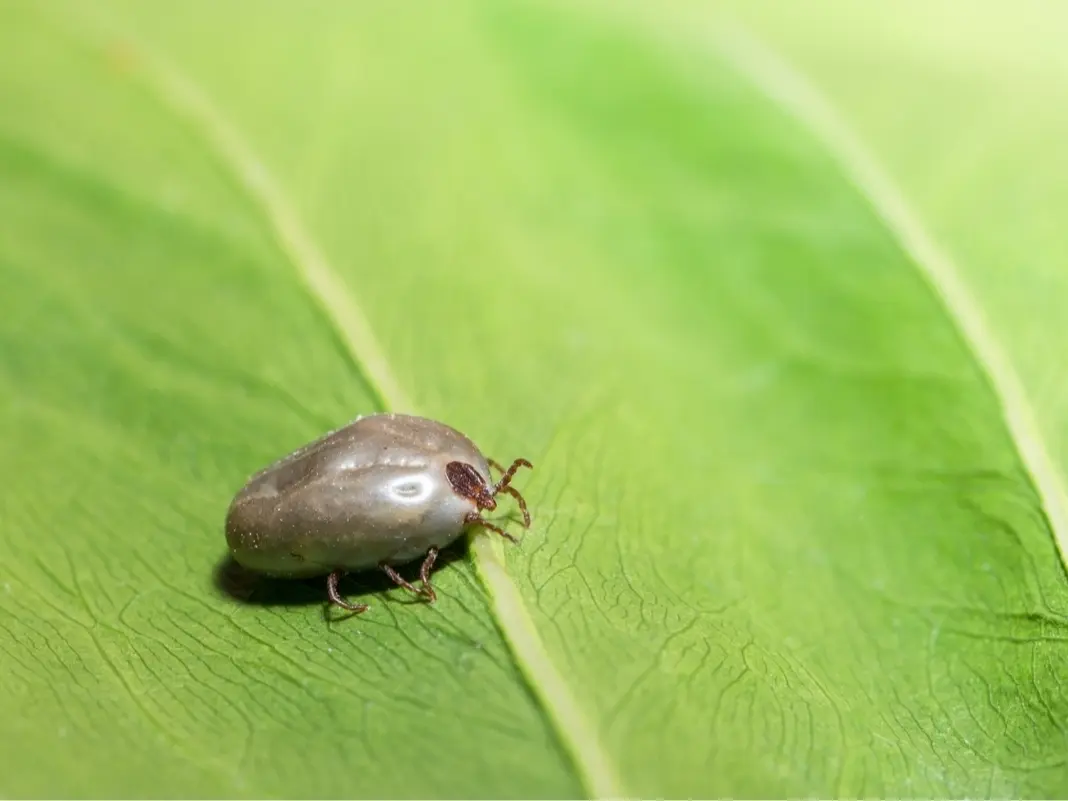
A potentially dangerous Asian long-horned tick has been found on a dog in Butler County, Ohio, marking its first detection in the area. This tick can carry diseases affecting humans and animals, reproduces rapidly through asexual reproduction, and poses a significant health risk. Experts warn to be vigilant and use tick prevention measures year-round to protect pets and humans.
Scientists have discovered the first ancient Yersinia pestis genome in a Bronze Age sheep from Russia, revealing that livestock may have played a key role in spreading the plague across Eurasia, predating the flea-borne transmission seen in later outbreaks like the Black Death.
Scientists have identified the bacterium Vibrio pectenicida as the cause of sea star wasting disease, a devastating condition that has wiped out millions of sea stars along the West Coast, by conducting controlled infection experiments. This discovery paves the way for better detection and management strategies to help restore affected sea star populations and their ecosystems.
The Florida Department of Health in Brevard County has confirmed four cases of locally acquired dengue fever, transmitted by mosquitoes. Authorities are implementing surveillance, monitoring, and spraying to prevent further spread, and residents are advised to use repellent, eliminate standing water, and repair screens to reduce mosquito bites.
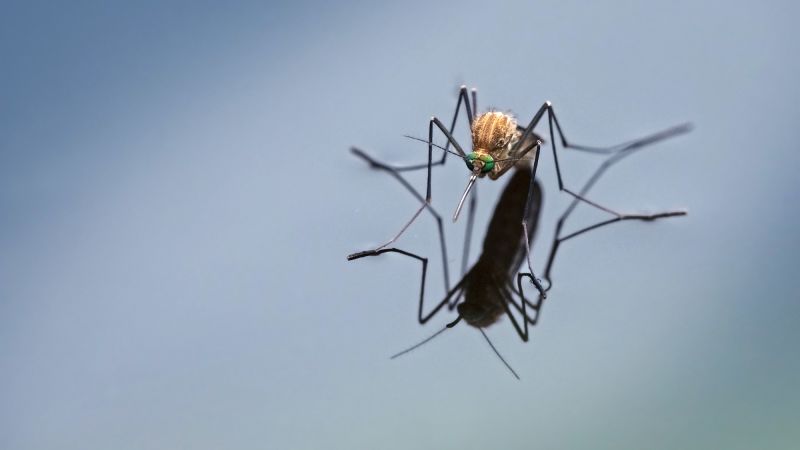
The article discusses the impact of mosquitoes on human history and provides five practical tips to reduce mosquito bites during summer, including wearing light-colored clothing, avoiding alcohol, using thorough insect repellent, eliminating standing water, and avoiding scented products to make oneself less attractive to these insects.
Many common beliefs about mosquitoes are misconceptions; for example, not all mosquitoes bite humans, they can bite through clothing, and natural repellents are less effective than EPA-registered products. Mosquitoes breed in any standing water, not just dirty or stagnant water, and they can transmit diseases even without feeling the bite. Effective control involves integrated pest management, and bats and birds do not significantly reduce mosquito populations. Cold winters do not eliminate all mosquitoes, as some can survive through hibernation or egg diapause.
An invasive Asian longhorned tick is rapidly spreading across New Jersey, capable of reproducing without males and posing threats to livestock and potentially transmitting diseases, though not yet Lyme disease. The tick's rapid growth and ability to infest various hosts, including cattle and wildlife, highlight the need for early detection and integrated control measures to manage its spread.
An invasive Asian longhorned tick is rapidly spreading in Pennsylvania, increasing by 150% over five years, primarily in southeastern regions. These ticks can reproduce parthenogenetically, laying thousands of eggs without males, and pose a threat to livestock and wildlife, notably transmitting Theileria orientalis, which affects cattle. While they do not currently transmit Lyme disease widely, their potential to spread other diseases and their rapid population growth make them a significant concern. Precautionary measures include early detection, reporting, and integrated pest management.
Researchers are investigating whether domestic cats could become vectors for bird flu, potentially spreading the virus to humans. This concern arises from the ability of cats to contract avian influenza from infected birds, raising public health implications. The study emphasizes the need for monitoring and further research to understand the risks and prevent possible outbreaks.
The Oropouche virus, primarily spread by midges and mosquitoes, is causing concern due to a significant rise in cases, particularly in Brazil. The virus, which can cause severe symptoms like encephalitis and birth defects, may also be sexually transmitted, according to recent studies. Factors such as deforestation and viral reassortment are believed to contribute to its spread. Health organizations are urging increased awareness and preventive measures, though a global outbreak is not yet anticipated.
Recent research published in PLOS Biology suggests that body lice, not just rat-transmitted fleas, played a significant role in spreading the bubonic plague during the 14th century. The study found that body lice can effectively transmit the plague-causing bacterium Yersinia pestis, with infected lice remaining contagious for up to a week and capable of infecting humans through their bites. This new evidence highlights the potential for body lice to be more effective vectors of the plague than previously understood.
Scientists are investigating why Central Florida has become a hotspot for leprosy, with armadillos suspected of playing a role in spreading the disease. Despite leprosy being rare and not highly contagious, Florida has seen an increase in cases, particularly in Brevard County. Researchers are examining armadillos and environmental factors to understand the transmission and reduce infection risks.