Tag

Marsupials

All articles tagged with #marsupials

biology1 year ago

"Sleepless and Sex-Obsessed: The Short Lives of Tiny Male Marsupials"

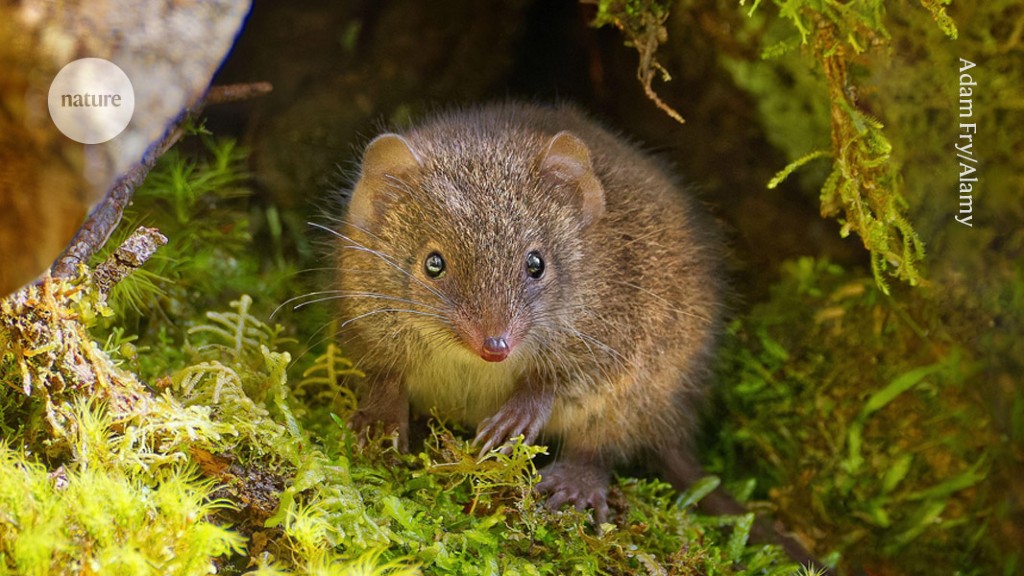
Male antechinus, a type of marsupial, sacrifice sleep during their short and intense breeding season to maximize mating opportunities, with some dying shortly after. Research found that captive males slept significantly less during breeding season, and wild males and females showed decreased oxalic acid levels, indicating sleep deprivation. While sleep loss was initially suspected as the cause of death, further investigation is needed to determine the exact cause, with malnutrition and environmental triggers being potential factors.
science1 year ago

"Sleepless and Sex-Obsessed: The Short Lives of Male Marsupials"

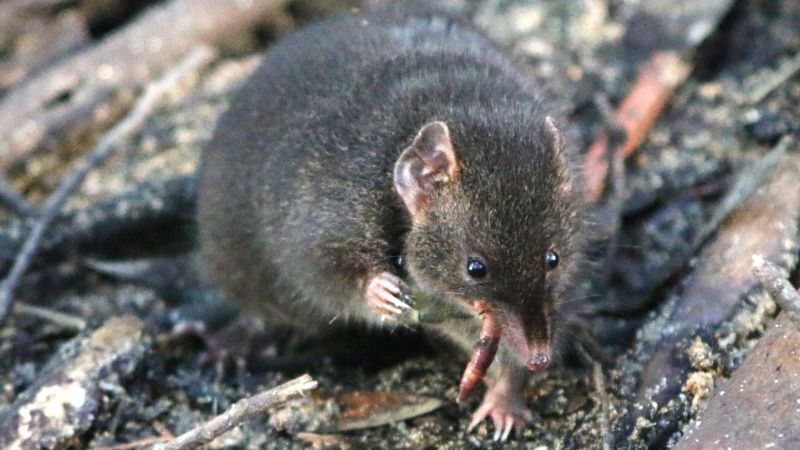
Male antechinus, small marsupials in Australia, sacrifice sleep for increased reproductive activities during mating season, with some sleeping three hours less per night for three weeks. This extreme sleep restriction is driven by strong sexual selection, as males can only breed once in their lifetime before dying shortly after their first mating season. The study, published in Current Biology, is the first to show direct evidence of such behavior in a land-dwelling mammal. Researchers found that increased sexual activity during mating season is positively related to increases in testosterone, and males may have unknown mechanisms to thrive on less sleep during this time.

biology1 year ago

"Sleepless and Sex-Obsessed: The Short Lives of Tiny Male Marsupials"

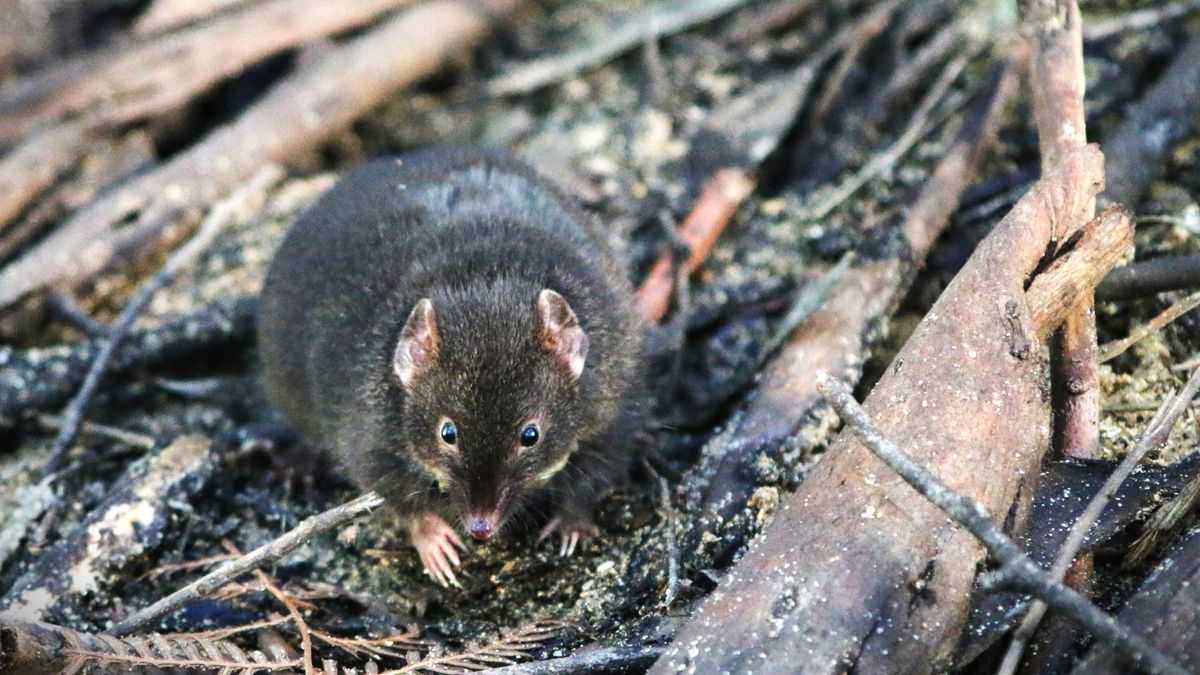
Male antechinuses sacrifice sleep to mate with as many females as possible during an intense breeding period, then die in a single "programmed" event. Research suggests they may die from a surge in hormone levels, making them more susceptible to infections and parasites. Female antechinuses survive longer and may benefit from the males' deaths as a food source. Cannibalism has been observed in these marsupials, but much remains to be learned about their behavior and resilience to extreme sleep deprivation.

science2 years ago

Marsupials Outpace Humans in Evolution, Study Shows

New research shows that marsupial evolution might actually be further along than even humans. By looking at how marsupials compare to the common therian ancestor from 160 million years ago, researchers say skull development slowed and shifted in marsupials. Additionally, they found that the way marsupials develop is actually far more changed from our common therian ancestor than the way that humans and other placental developing mammals have changed.

science2 years ago

Marsupials: The Most Evolved Mammals?

A new study challenges the idea that marsupials are more 'primitive' than mammals by showing their development has changed more than mammals since they last shared an ancestor. The findings suggest that the extremely young age of marsupial births represents the more specialized type of development that required greater changes in traits compared to our shared ancestor than our strategy of allowing young to develop within us for longer. The changes most likely reflect environmental demands or lack thereof.

neuroscience2 years ago

Insights into Human Neurodevelopment from Marsupial Brains

Researchers have found that the neural activity patterns in the Australian fat-tailed dunnart, a marsupial species, resemble those in the human brain during gestation. This could help improve our understanding of neurodevelopmental disorders such as autism spectrum disorder (ASD). The study also provides an unprecedented opportunity to delve into the earliest stages of brain evolution.

science2 years ago

Are Marsupials the Most Evolved Mammals?

New research suggests that marsupials are the more evolved mammals, overturning the longstanding belief that they are more primitive than placental mammals. The study analyzed skulls during different stages of development in 22 living mammal species and found that the ancestor of both groups was more similar to placentals than to marsupials, meaning that marsupials have modified their method of reproduction more than placentals have. Marsupials give birth to highly underdeveloped young, which is thought to be a better strategy for living with environmental instability.

science2 years ago

Are Pouched Mammals More Evolved Than Humans?

A new study suggests that mammals with pouches, such as kangaroos and koalas, have a more radical evolutionary history than previously thought, indicating that they are "more evolved" than placental mammals like humans. The researchers scanned the skulls of placental mammals and marsupials in various stages of development and concluded that the developmental strategy of placental mammals is closer to that of their common ancestor, suggesting that marsupials have evolved more than placental mammals since the split. The study challenges the historical misconception that marsupials are less successful intermediates.

science2 years ago

The Unique Vision of the Sabertooth Thylacosmilus

The saber-toothed marsupial Thylacosmilus atrox compensated for its massive canines by having surprisingly wide-set eyes, more typical of cows and horses than carnivorous animals. The predator's ocular layout corrected for its eye sockets' position by having them stick out from the skull and orienting them vertically, improving its orbital overlap. Thylacosmilus was an ambush predator, and the exact utility of its dagger-like canines is elusive. The marsupial likely died out around 3 million years ago.