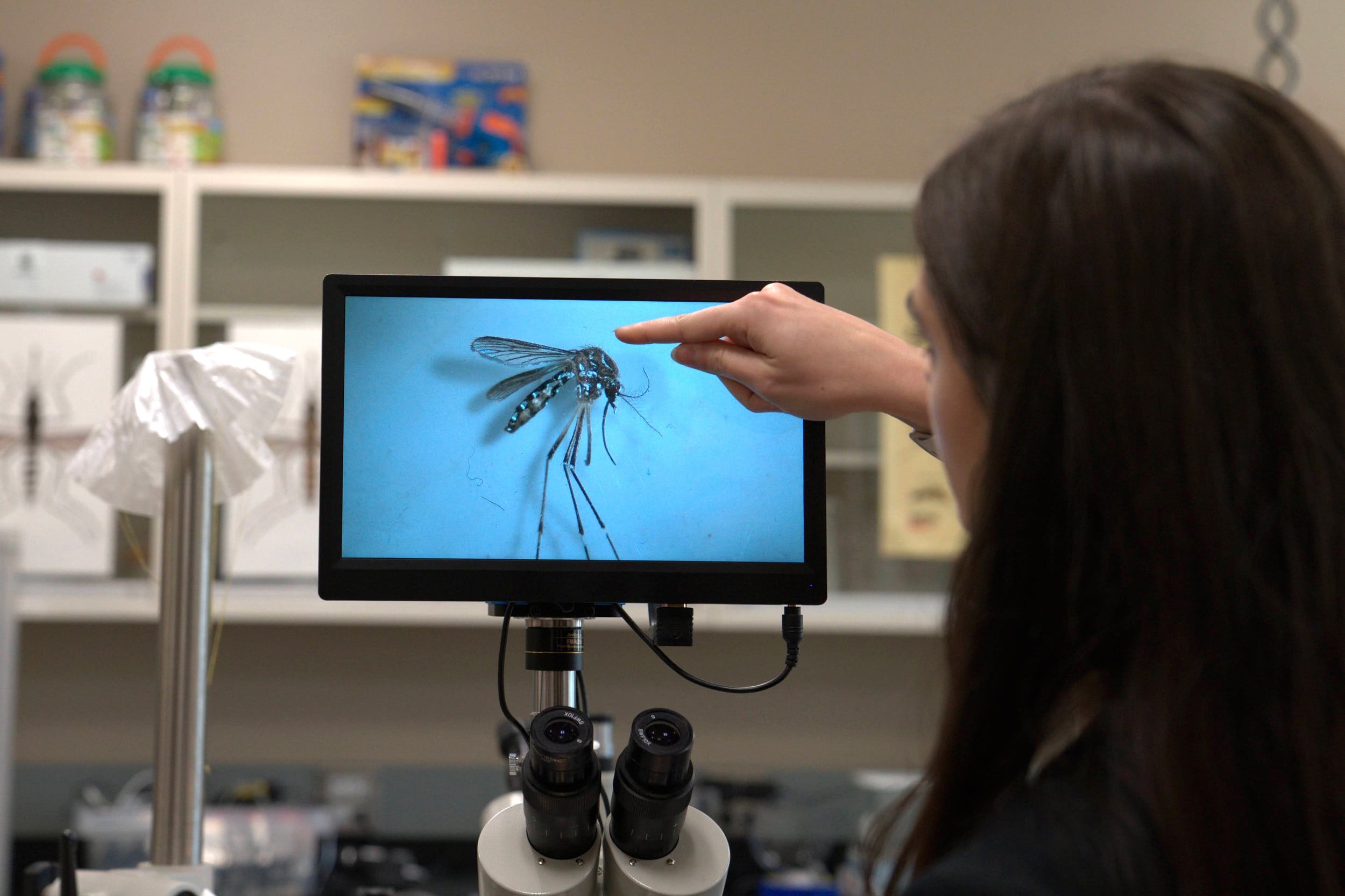
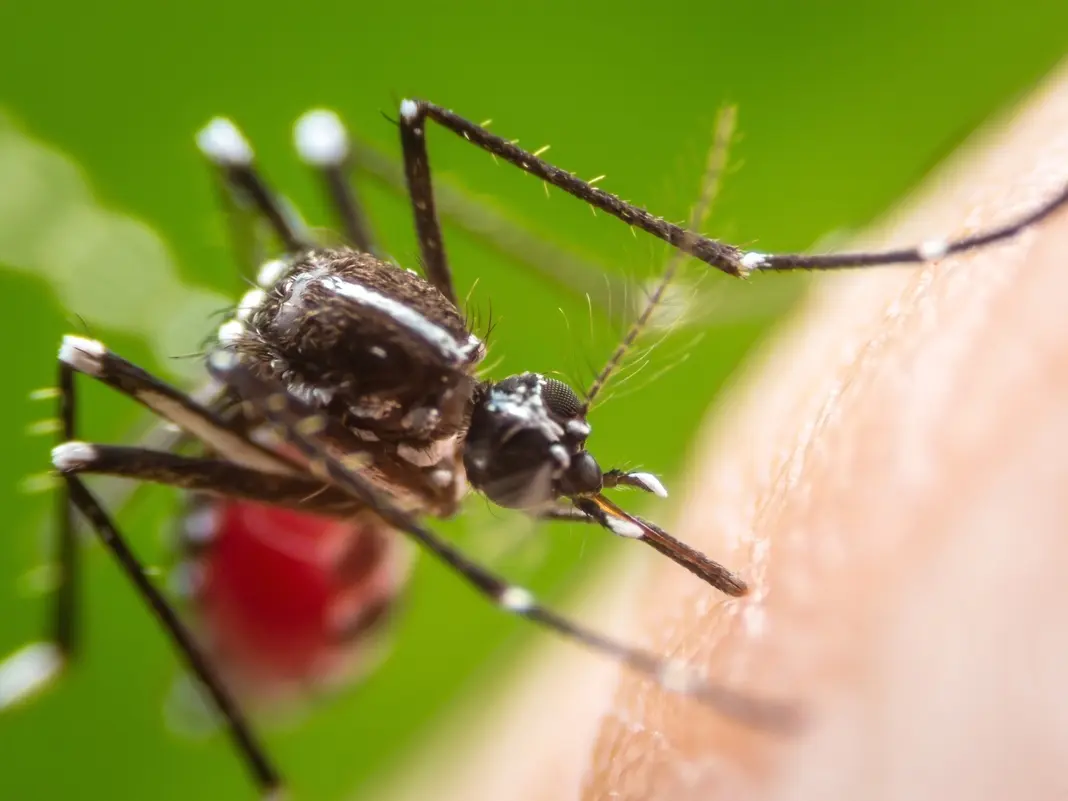
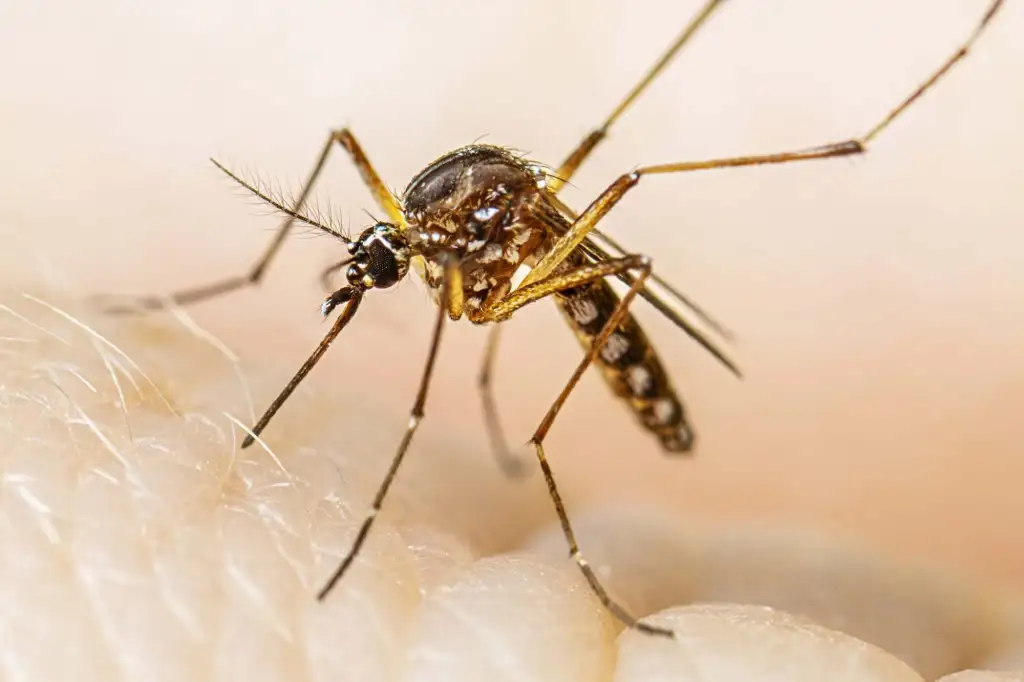
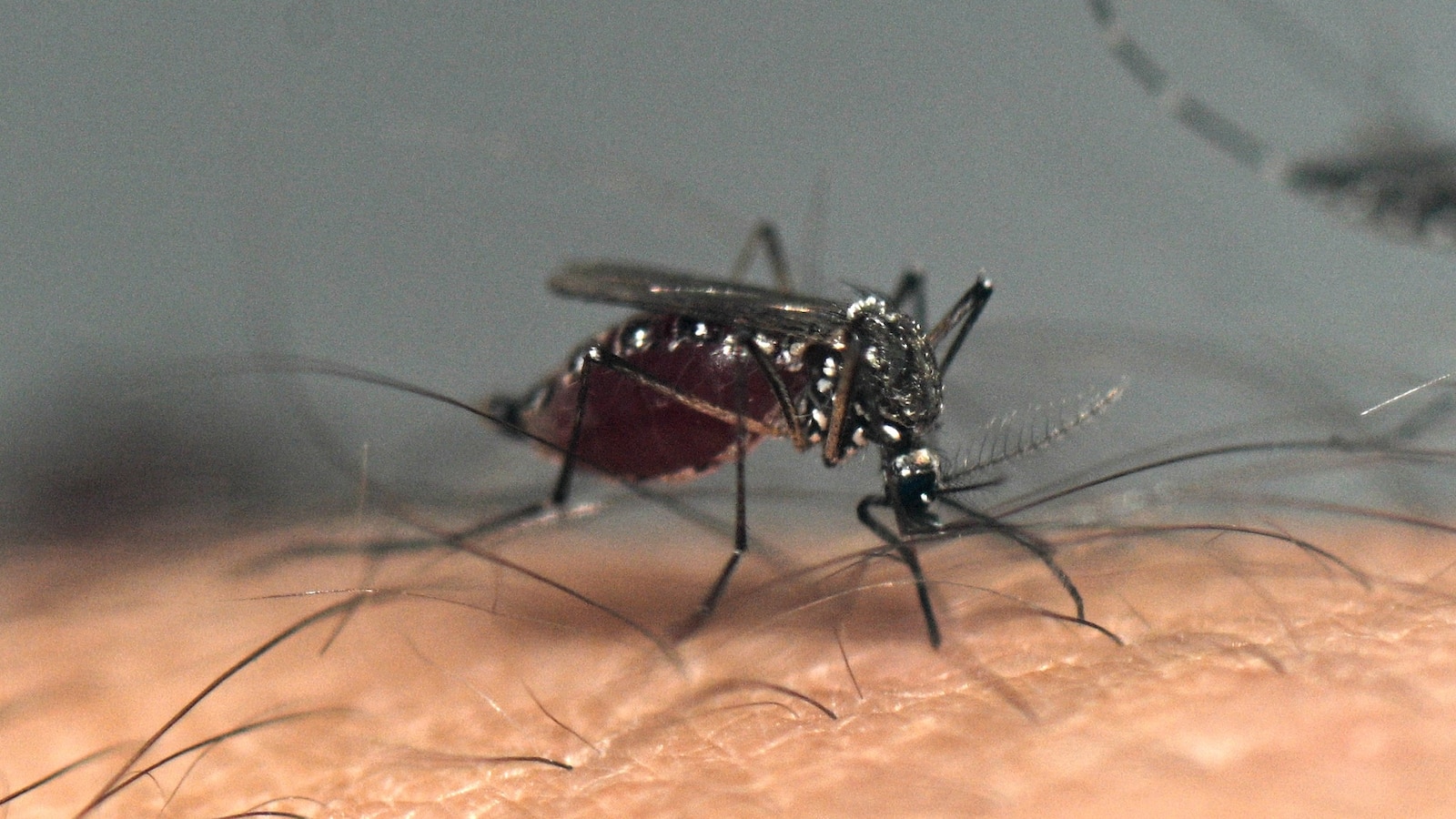
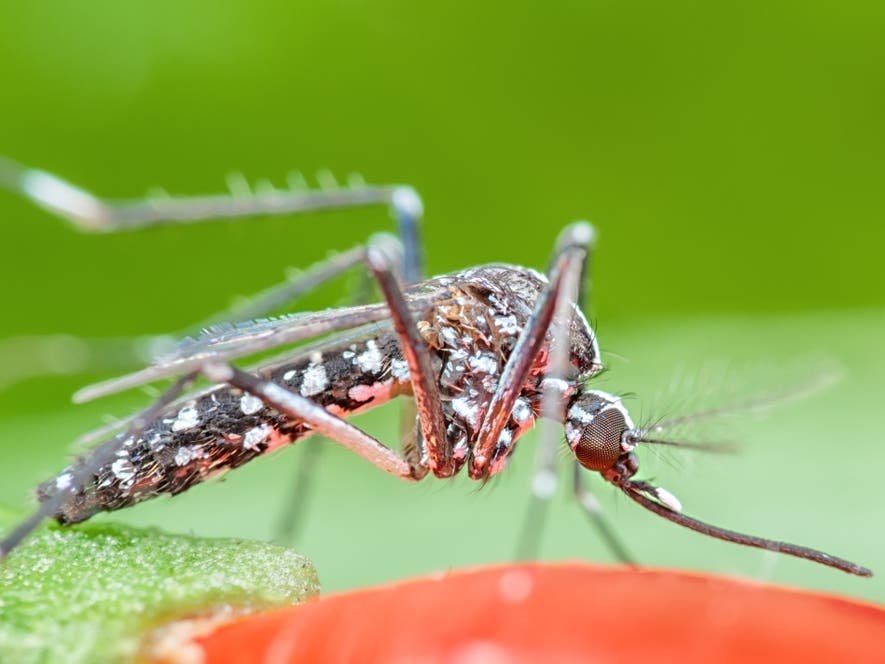
Researchers warn that the mosquito species Aedes aegypti has become 50 to 100 times more common in transmitting diseases like dengue, Zika, and chikungunya due to its evolution and global spread, driven by climate change and urbanization, posing increased health risks worldwide.
Aedes aegypti mosquitoes, native to tropical regions and carriers of diseases like dengue and Zika, have been found thriving in Grand Junction, Colorado, due to warmer winters and climate change, raising concerns about potential disease outbreaks in the region.
Authorities in California are concerned about the spread of the invasive Aedes aegypti mosquito, which can transmit diseases like dengue and Zika, as it expands across multiple counties, driven by climate change and urbanization. Efforts include increased surveillance and community participation to control its spread, highlighting the need for environmental action to address broader ecological impacts.
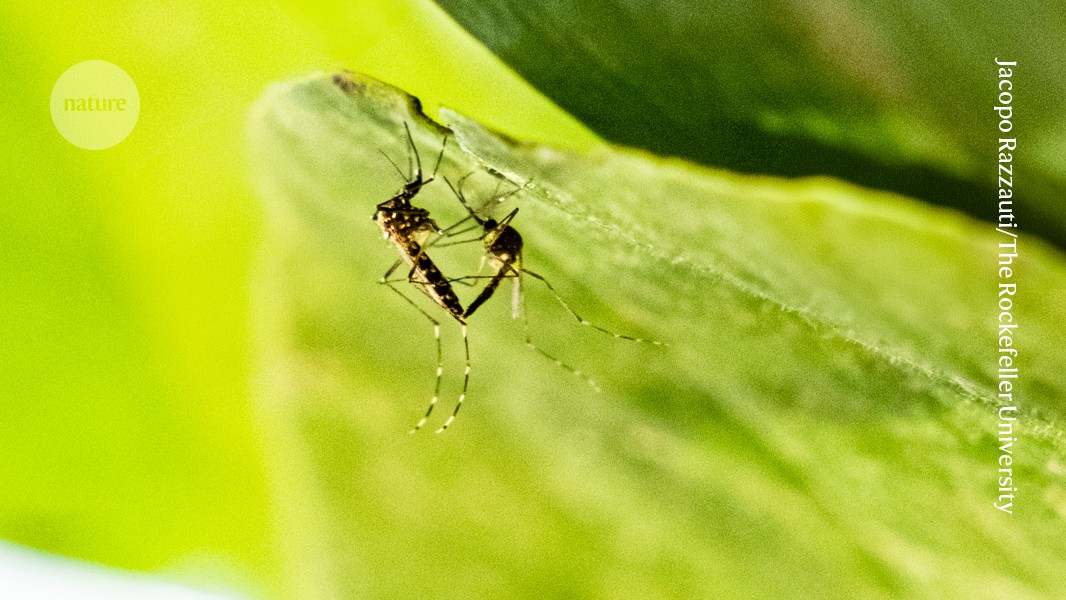
A study using fluorescent sperm and high-resolution filming revealed that female Aedes aegypti mosquitoes actively participate in mating by signaling readiness, challenging the previous view that males are solely in charge, which could impact strategies for controlling disease-carrying mosquitoes.
Officials in Canyon County, Idaho, detected the first known Aedes aegypti mosquito, a species that can spread diseases like dengue and Zika, prompting increased monitoring and public awareness efforts to prevent its spread and protect local ecosystems and health.
Invasive aedes aegypti mosquitoes, capable of spreading diseases like Zika and dengue, have been found in south Ashland, prompting local vector control efforts and public awareness campaigns to eliminate standing water and prevent further spread.
Two aggressive, disease-causing Aedes aegypti mosquitoes were found in Livermore, California, marking the first detection in the area. Residents are urged to eliminate standing water and take protective measures to prevent the spread of diseases like dengue and Zika.
Santa Clara County officials have identified the invasive Aedes aegypti mosquito in six locations, including four in San Jose. Known for aggressive daytime biting, this mosquito can transmit diseases like dengue and Zika. The county urges residents to eliminate standing water and cooperate with inspections to prevent the mosquito from establishing a permanent presence. Efforts include larvicide spraying and public education on protective measures. The mosquito's spread is linked to climate change, and its presence is noted in 19 California counties.
The Southern Nevada Health District has detected the first West Nile virus-positive mosquitoes in Clark County, specifically in the 89031 and 89032 ZIP codes. The district urges residents to participate in the "Fight the Bite" campaign to reduce mosquito impact by eliminating standing water, taking precautions against bites, and reporting mosquito activity.
Santa Clara County officials will spray an East San Jose neighborhood with a bacterial pesticide next week to eradicate invasive Aedes aegypti mosquitoes, which can carry diseases like Zika and dengue. The treatment targets mosquito larvae and is safe for humans and wildlife. The county plans multiple sprayings over the next few months to control the mosquito population, which poses a low but significant health risk. Residents are advised to eliminate standing water and use insect repellents to protect against bites.
Invasive Aedes aegypti mosquitoes, capable of transmitting diseases like Zika and dengue, have been found in several California counties, including San Diego. The California Department of Health has been monitoring these mosquitoes as part of a statewide surveillance system. Additionally, limited local transmission of dengue virus has been reported in various California counties. Residents are advised to take precautions such as eliminating standing water, using insect repellent, and wearing protective clothing to prevent mosquito bites.
Puerto Rico's health department has declared a public health emergency due to a significant increase in dengue fever cases, with 549 reported so far this year. The emergency order will last for 90 days and includes measures such as early detection, surveillance, and educational outreach. Dengue, spread by Aedes mosquitoes, can cause mild symptoms in most cases, but severe cases can lead to organ damage and even death. The territory has a dengue vaccine available for children with a previous infection, and health officials are urging collaboration with municipalities to combat the spread of the virus.
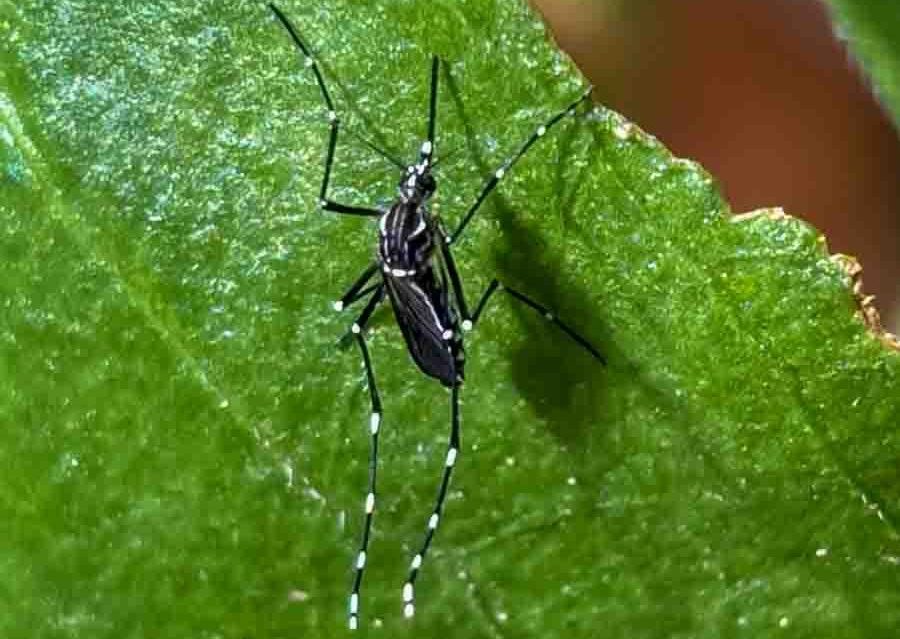
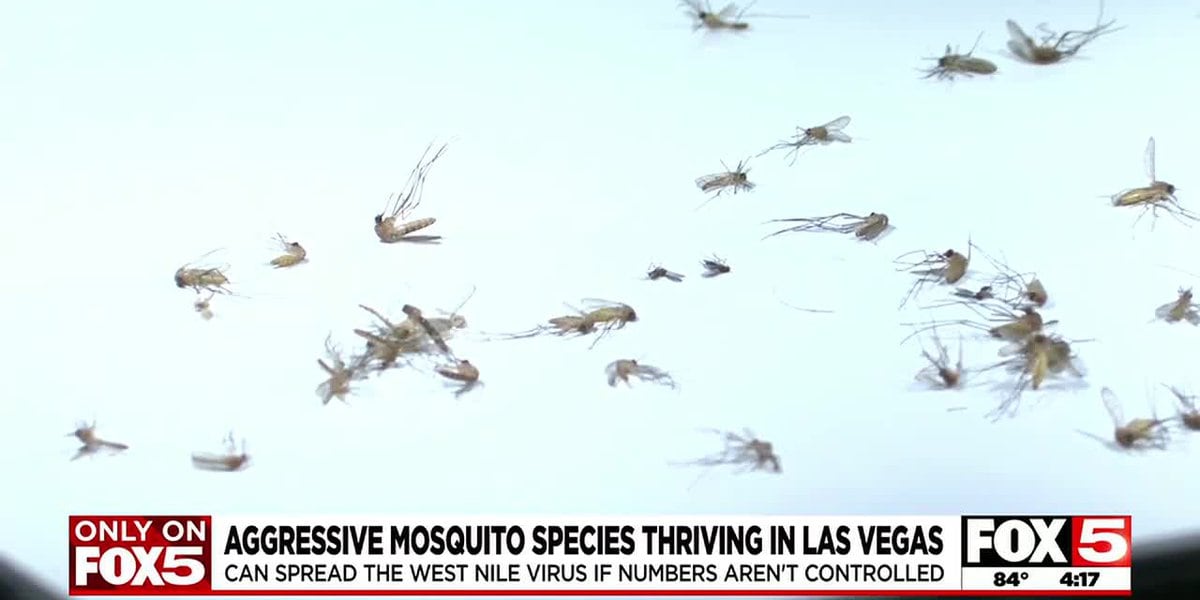
The aggressive Aedes Aegypti mosquito species, also known as the Yellow Fever Mosquito, has been thriving in the Las Vegas Valley since 2017, spreading to 32 zip codes. This species prefers to feed on humans and is difficult to control unless people actively manage standing water around their homes, as even dried-out sources can rehydrate the mosquito eggs.
California is experiencing its worst mosquito season in years, with the invasive Aedes aegypti mosquito, also known as the ankle-biter mosquito, causing havoc. The mosquito population has surged after a rare summer storm, and residents are being bitten in their own homes. The Aedes mosquito is more aggressive than native species, bites multiple times for one blood meal, and is more likely to bite at all hours of the day. Human cases of the mosquito-borne West Nile Virus are also spiking across the state. Efforts to control the spread of mosquito-borne diseases, including sterilizing male mosquitoes, are being explored. In the meantime, residents are advised to eliminate stagnant water to reduce mosquito breeding grounds.
San Diego County is experiencing an increase in Aedes Aegypti mosquitoes due to the recent tropical storm, which has left standing water in ponds and lakes. These mosquitoes are known for low-level flying and attacking ankles without warning. Experts advise checking properties for standing water and clearing out drainage pipes to prevent breeding. While larger bodies of water on public lands are treated by Vector control, the numerous smaller water sources in backyards pose a challenge. Mosquitoes are most active at dusk and dawn.