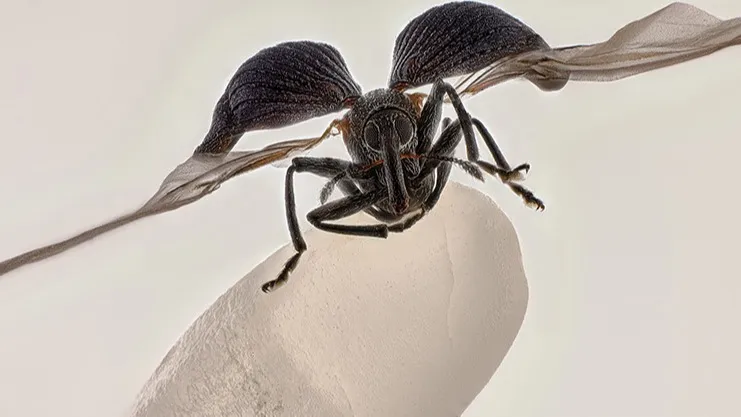
The 2025 Nikon Small World photomicrography competition, celebrating its 51st year, awarded first place to Zhang You for a detailed image of a rice weevil on rice, highlighting the blend of artistry and scientific rigor in microscopy.
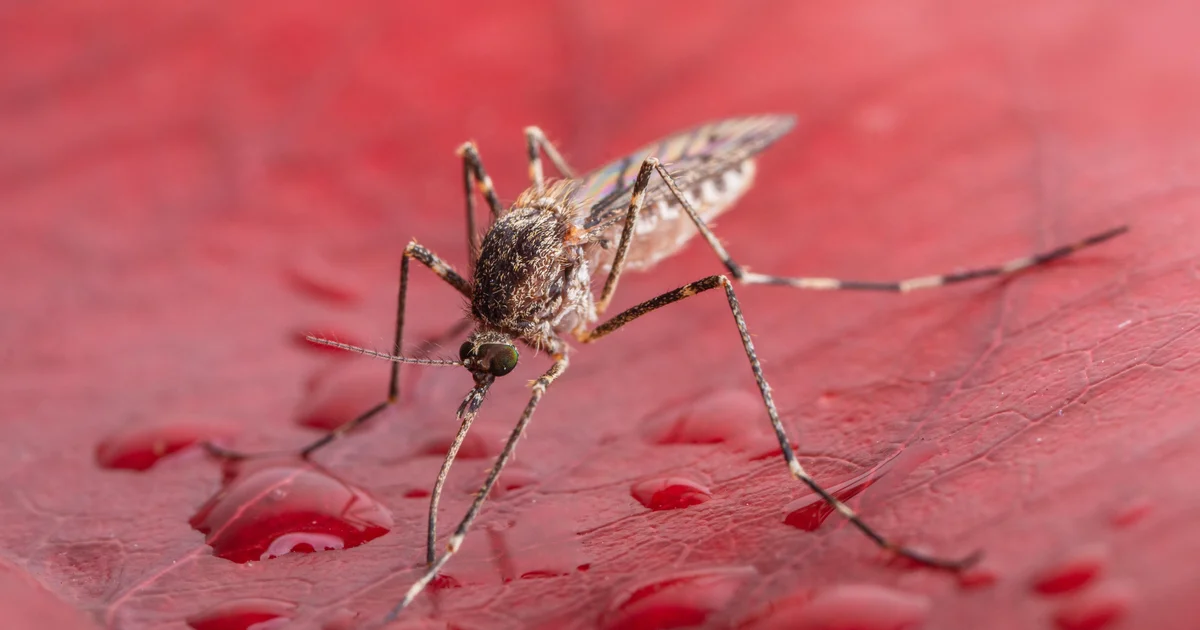
Mosquitoes have been spotted in Iceland for the first time, likely indicating a recent introduction possibly via ships or containers, despite the country's long-standing mosquito-free status. The discovery raises concerns about climate change and environmental adaptation, although the species found appears well-suited to colder climates. More monitoring is needed to assess their spread.
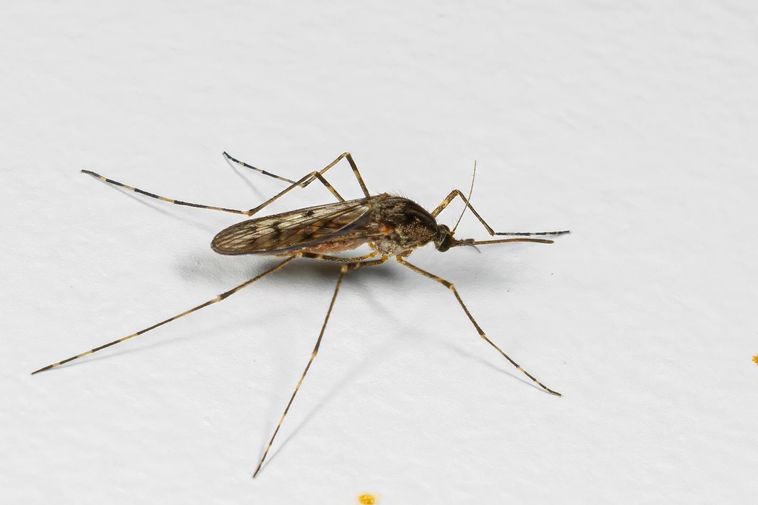
Three mosquitoes of the species Culiseta annulata were discovered in Iceland by Björn Hjaltason, marking the first confirmed sighting of this species in the country, raising questions about their potential establishment and origin, possibly from nearby shipping areas.
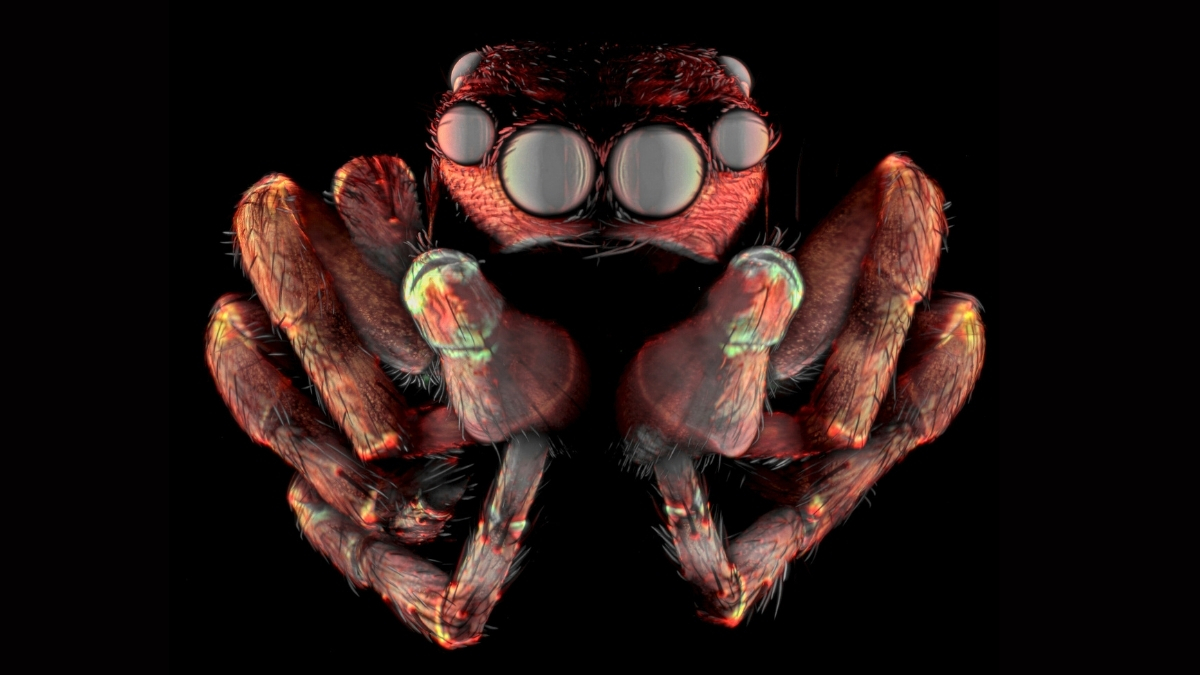
The article highlights award-winning microscopic images from the 2025 Nikon Small World competition, showcasing intricate details of tiny life forms like insects, cells, and microorganisms, emphasizing the importance of understanding and appreciating the complexity of microscopic worlds.
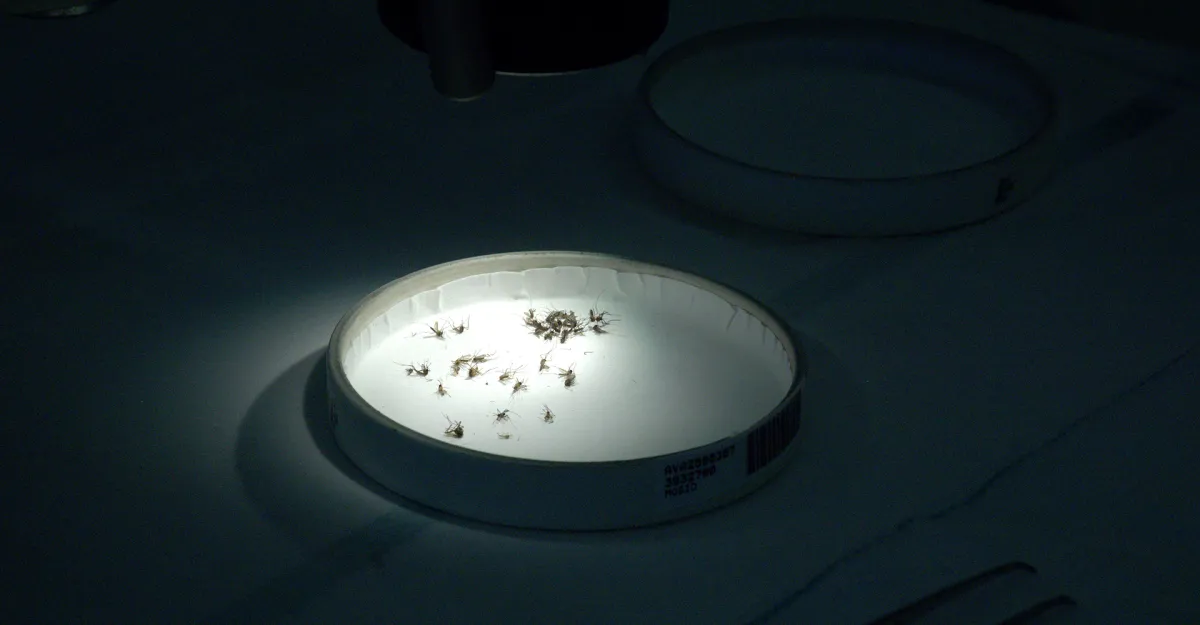
The Texas State Department of Public Health Services is actively studying dangerous mosquitoes to prevent the resurgence of vector-borne diseases like malaria and yellow fever, which are re-emerging in the US as efforts to control these insects have waned.
The article discusses surprising, science-backed methods to prevent mosquito bites beyond common solutions like bug spray and staying indoors, featuring insights from entomologists and environmental health experts, and includes a quiz to test your knowledge of effective tactics.
To keep mosquitoes out of your yard, eliminate all standing water, maintain gutters and pools, plant mosquito-repellent foliage, and encourage natural predators like birds and bats. When mosquitoes are already present, use fans, DEET or lemon eucalyptus oil, and set up traps, while avoiding ineffective methods like citronella candles. Community efforts and environmental management are also crucial for effective control.
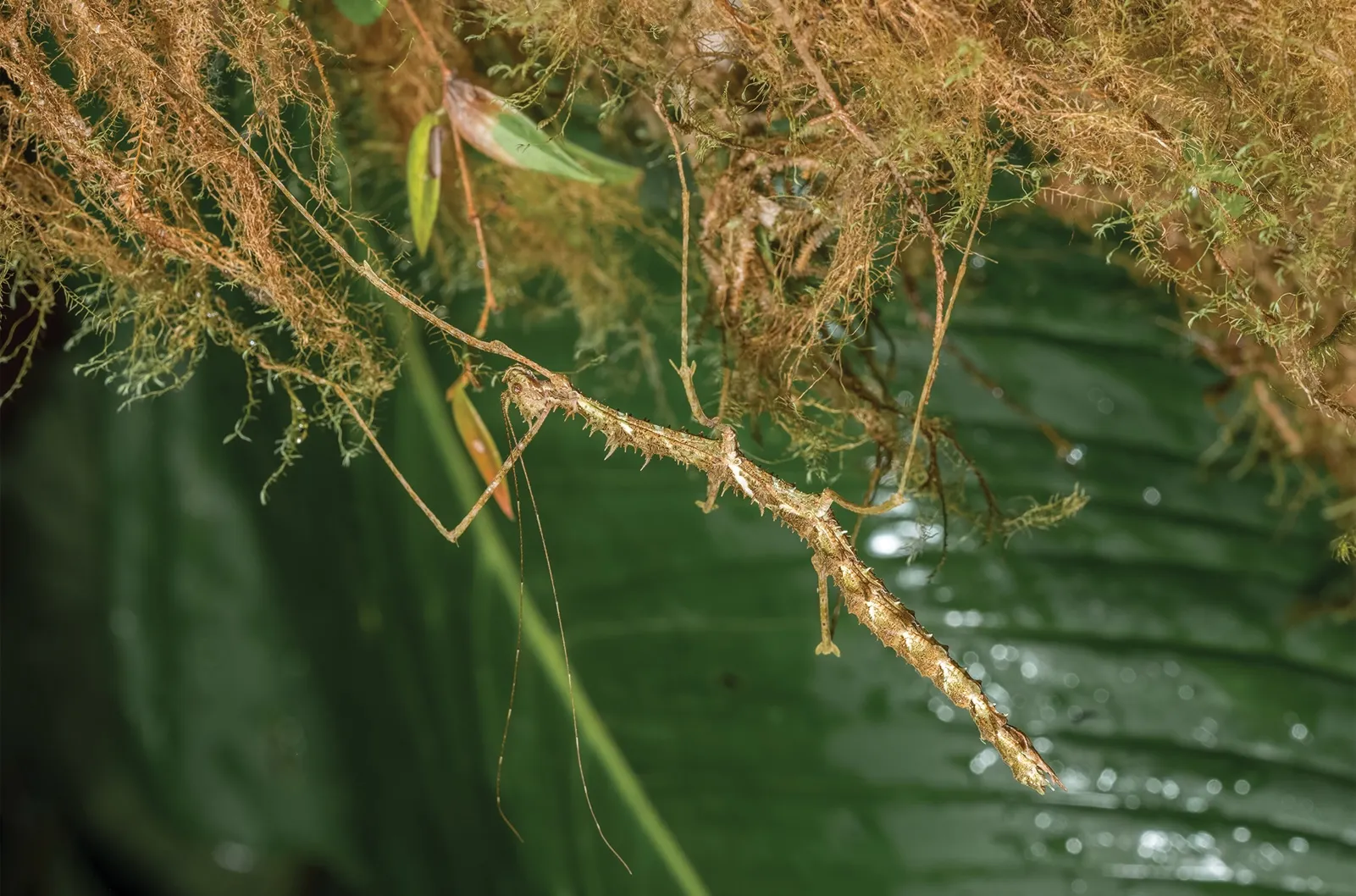
A new species of mossy stick insect, Trychopeplus mashpiensis, has been discovered in the Chocó forests of Ecuador. The female insect, noted for its spiny thorax and lime-green eyes, was photographed in its natural habitat, while a male was also observed nearby. The discovery adds to the biodiversity of the region, though the dietary habits of these insects remain unknown. The species is part of the Trychopeplus genus, known for its reclusive nature.
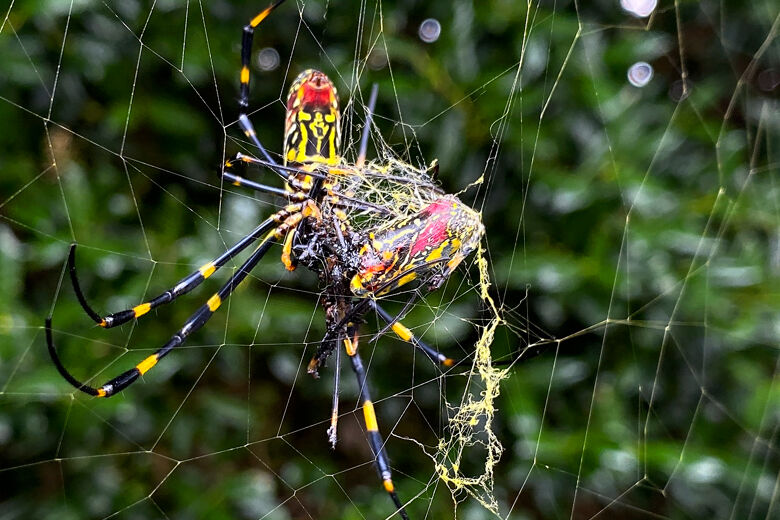
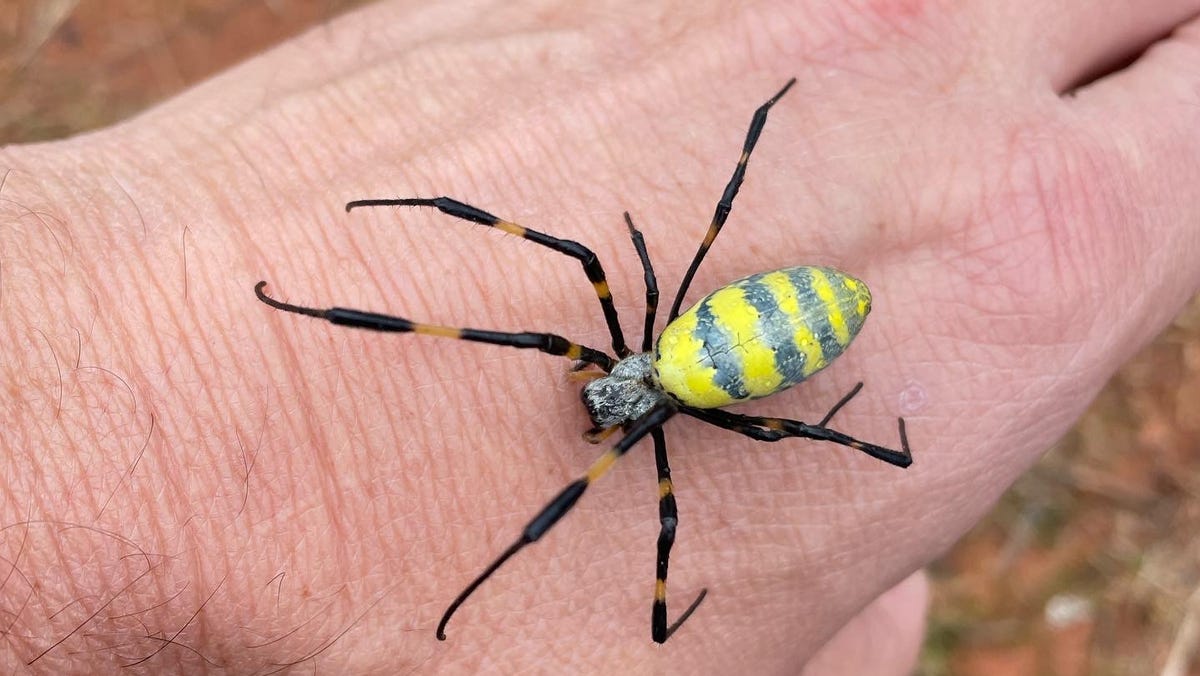
The Joro spider, a large, venomous but docile spider native to East Asia, is spreading to the D.C. area. Despite its intimidating size, experts assure that its fangs are too small to harm humans or pets. The spider helps control invasive pests and travels by "ballooning" on wind currents. As climate change warms northern regions, these spiders are moving further north. Experts advise not to fear but to admire these colorful spiders.
The large, invasive Joro spider from East Asia is expected to reach New Jersey soon. These spiders, which travel by ballooning on silk strands or hitchhiking on human belongings, are not dangerous to humans or pets but could impact local biodiversity. They have been spreading across the eastern U.S. since their first sighting in Georgia in 2014.
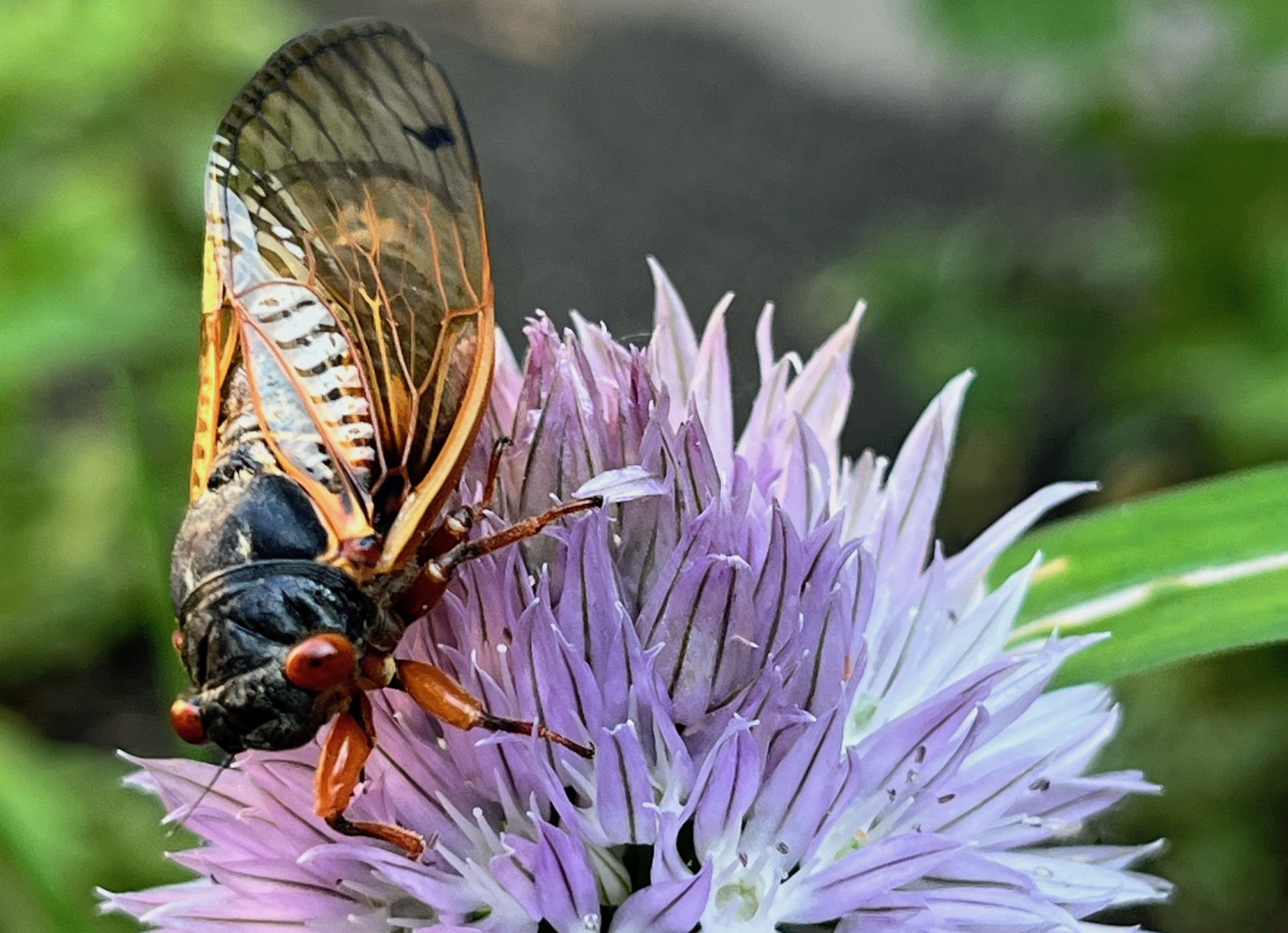
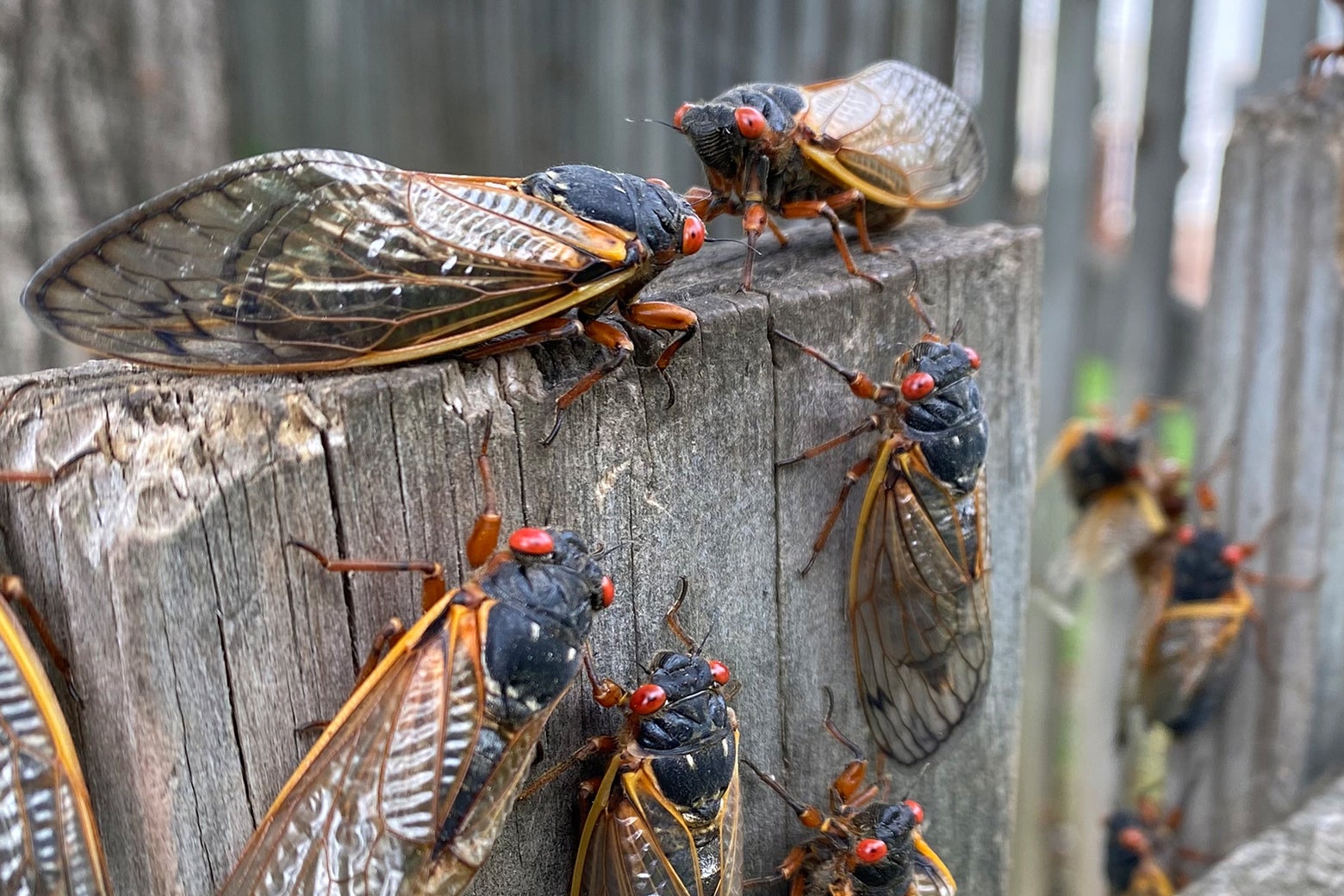
Cicadas from Brood XIII have emerged in some Chicago neighborhoods after 17 years, but sightings are inconsistent across the city. Areas with more greenery like Beverly and Edgebrook report high numbers, while more urbanized neighborhoods like Ravenswood and Logan Square see fewer or none. Entomologist Allen Lawrance explains that cicadas have a patchy distribution and are affected by local environmental conditions, including tree density and predator presence. The current emergence window is closing, and future cicada populations may be influenced by climate change.
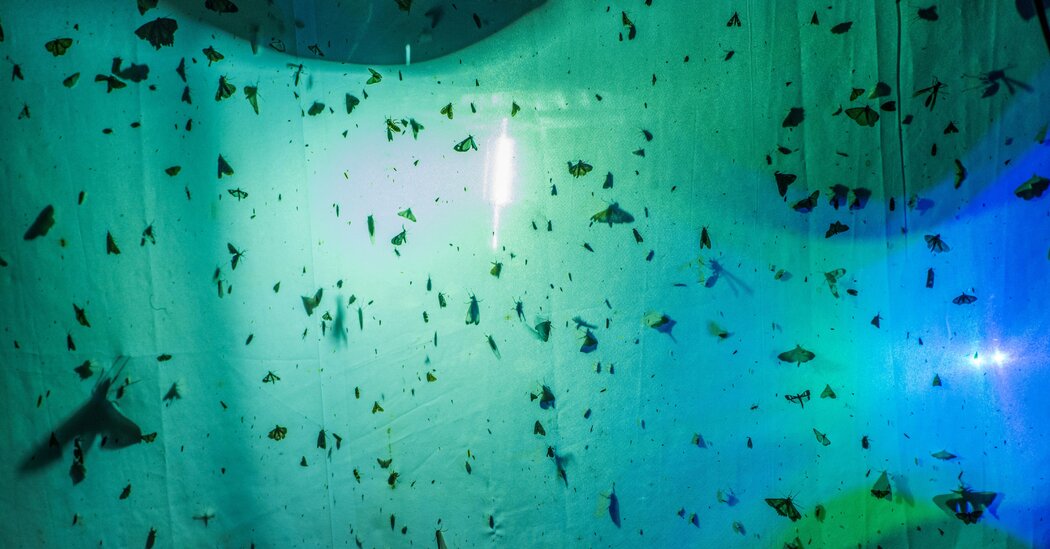
Researchers have observed a decline in the number of insects caught in light traps, indicating a potential change in moths' attraction to light. A study published in the Journal of Insect Conservation found that while some light traps showed declining numbers of corn earworm moths, their catches in pheromone traps remained consistent. This suggests a shift in moths' behavior towards light sources. The study raises questions about the long-held belief that moths are irresistibly drawn to light and highlights the need for more comprehensive tracking programs to understand insect behavior.
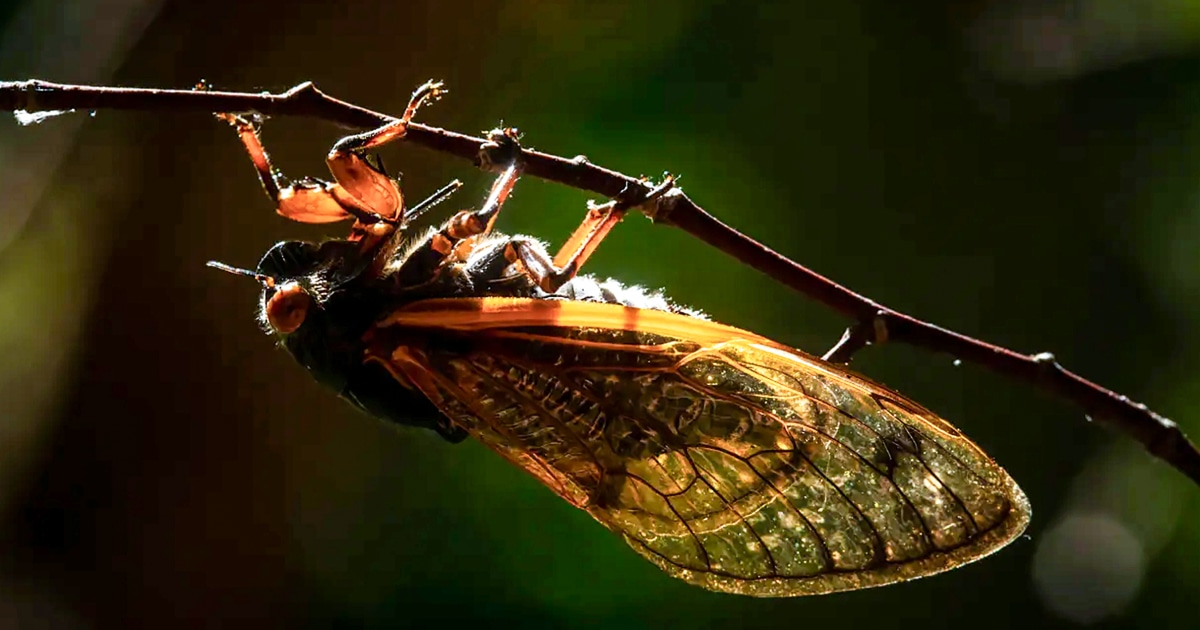
Billions of cicadas are set to emerge across the eastern U.S. this spring, with two periodical broods, Brood XIX and Brood XIII, emerging simultaneously for the first time since 1803. This year's emergence is significant as it marks the first time since 1998 that geographically adjacent 13- and 17-year broods have coemerged, covering almost all of Illinois. The event is anticipated to be a spectacle, drawing interest from scientists and the public alike, and providing a unique opportunity to witness the natural wonder of periodical cicadas.
Billions of cicadas are set to emerge in a rare synchronized event across the Midwest and Southeast, with two different broods of periodical cicadas expected to appear starting early May. This year's emergence is expected to be unusually large, with some experts estimating that more than a trillion cicadas could blanket parts of the country where the two broods overlap. Cicadas are harmless to humans but are known for their loud mating songs, and bug enthusiasts are excited about this once-in-a-lifetime opportunity to witness the two cicada broods emerging together, a phenomenon that last occurred 221 years ago. People are encouraged to report cicada sightings on apps and websites to help track their range.
Billions of cicadas are set to emerge this spring in a rare "double brood emergence" as two different broods, one appearing every 13 years and the other every 17 years, emerge simultaneously in the United States. The insects, known as periodical cicadas, are harmless but will be loud and numerous. The emergence is expected to occur in parts of the Midwest and Southeast, and while the two broods' geographic ranges may potentially overlap in some areas, a major overlap is unlikely. Scientists encourage people to embrace this rare natural phenomenon and participate in community science apps to help study and track the cicadas.