Scientists have discovered that rhythms in the brain and gut share similar physics, with coupled oscillation patterns helping to regulate blood flow and digestion, potentially offering insights into mental health and neurodegenerative diseases.
A 2025 study by Robert G. Endres uses mathematical approaches to show that the spontaneous emergence of life on early Earth was extremely improbable under natural conditions, suggesting that our understanding of abiogenesis is incomplete and that alternative explanations like panspermia remain plausible.
Scientists have developed a new mathematical model that explains how lightning forms in thunderclouds, revealing that powerful electric fields accelerate electrons which produce X-rays and trigger lightning, potentially leading to new X-ray sources and better understanding of atmospheric phenomena.
Researchers have developed a mathematical model using random trees to understand how humans store and recall meaningful narratives, revealing that memories of stories can be represented as tree structures where nodes summarize larger episodes, with implications for understanding cognition and memory processes.
Scientists have uncovered the mathematical principles behind a 500-million-year-old immune system network, revealing a critical percolation threshold that determines when the immune system activates, which could inform the design of safer nanomedicines and therapies.
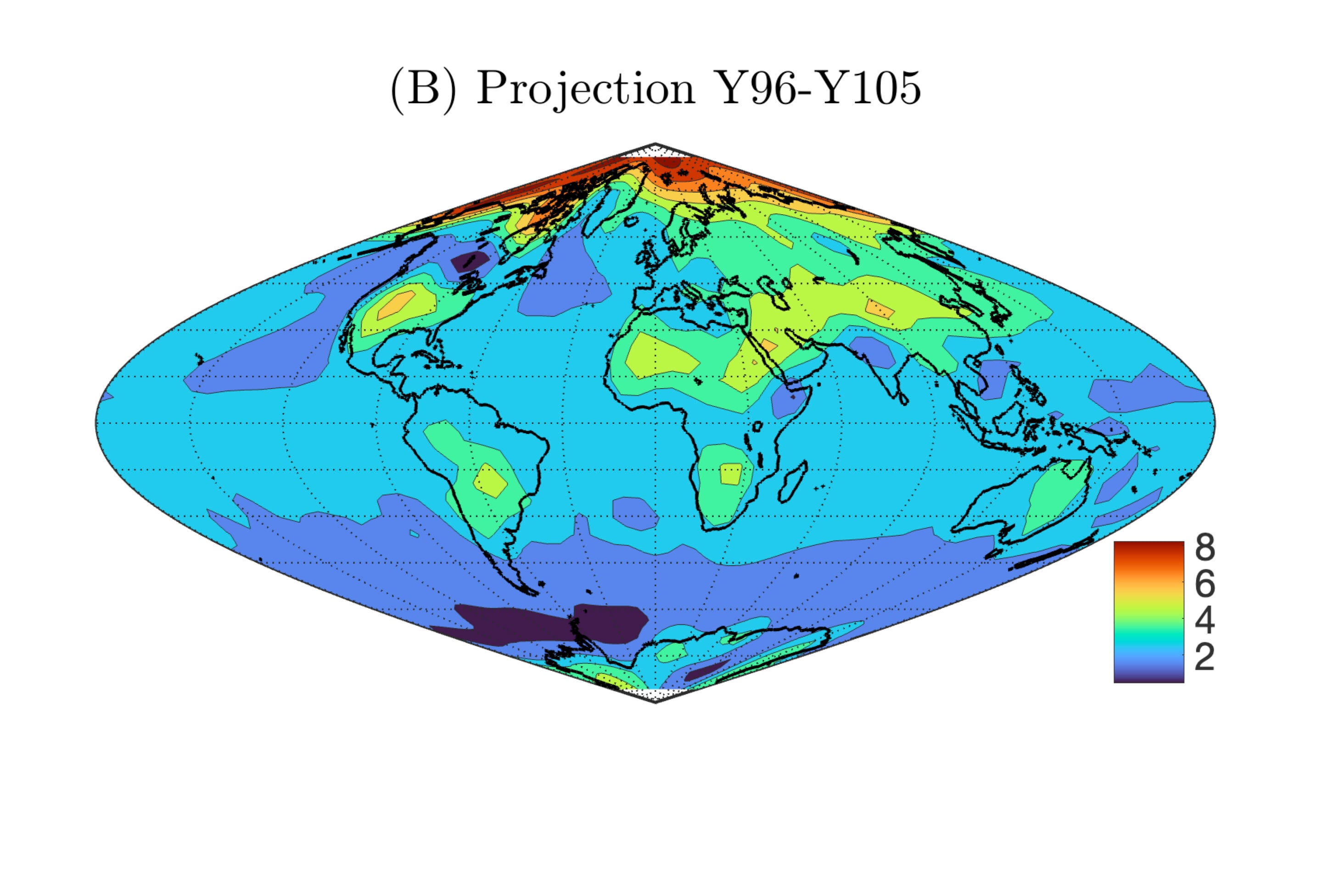
Mathematicians Valerio Lucarini and Mickaël Chekroun have developed a new approach using statistical mechanics to better distinguish human-caused climate change from natural variability and identify early warning signals for climate tipping points. This advancement, published in Physical Review Letters, enhances the ability to attribute climate changes to specific causes and provides policymakers with more reliable methods for assessing climate risks. The research offers a dynamic model to "fingerprint" human impact on climate, improving detection of potential environmental tipping points.
Penn State researchers have used mathematical modeling to explain why electrons in lab experiments can exceed the energy expected from the applied voltage, a phenomenon observed since the 1960s. Their study reveals that an energy feedback process involving X-ray emissions and photon interactions is responsible. The research also shows that electrode shape and material affect this process, with flat electrodes maximizing the effect. These findings could lead to advancements in X-ray production, making machines faster and more compact.
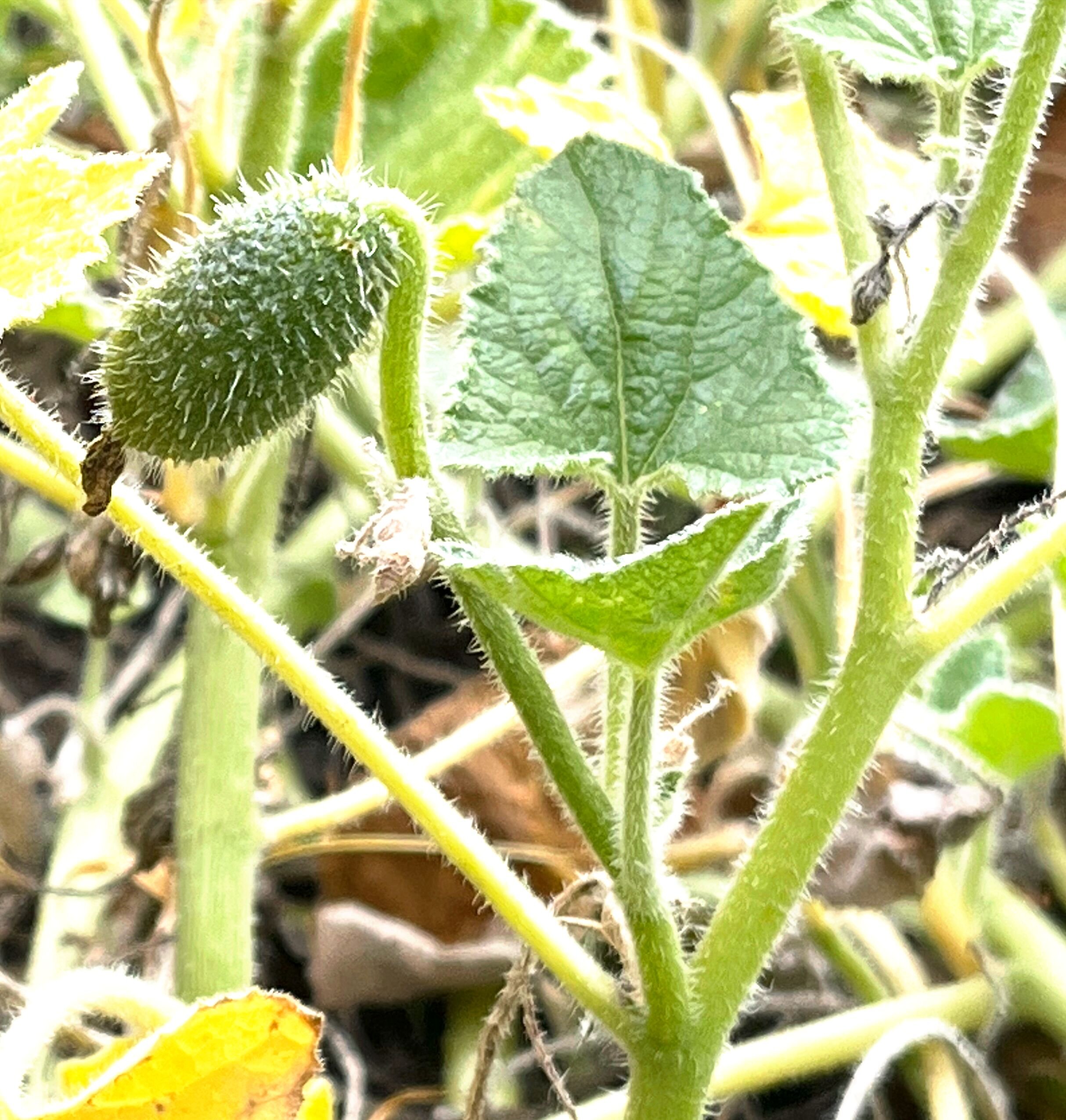
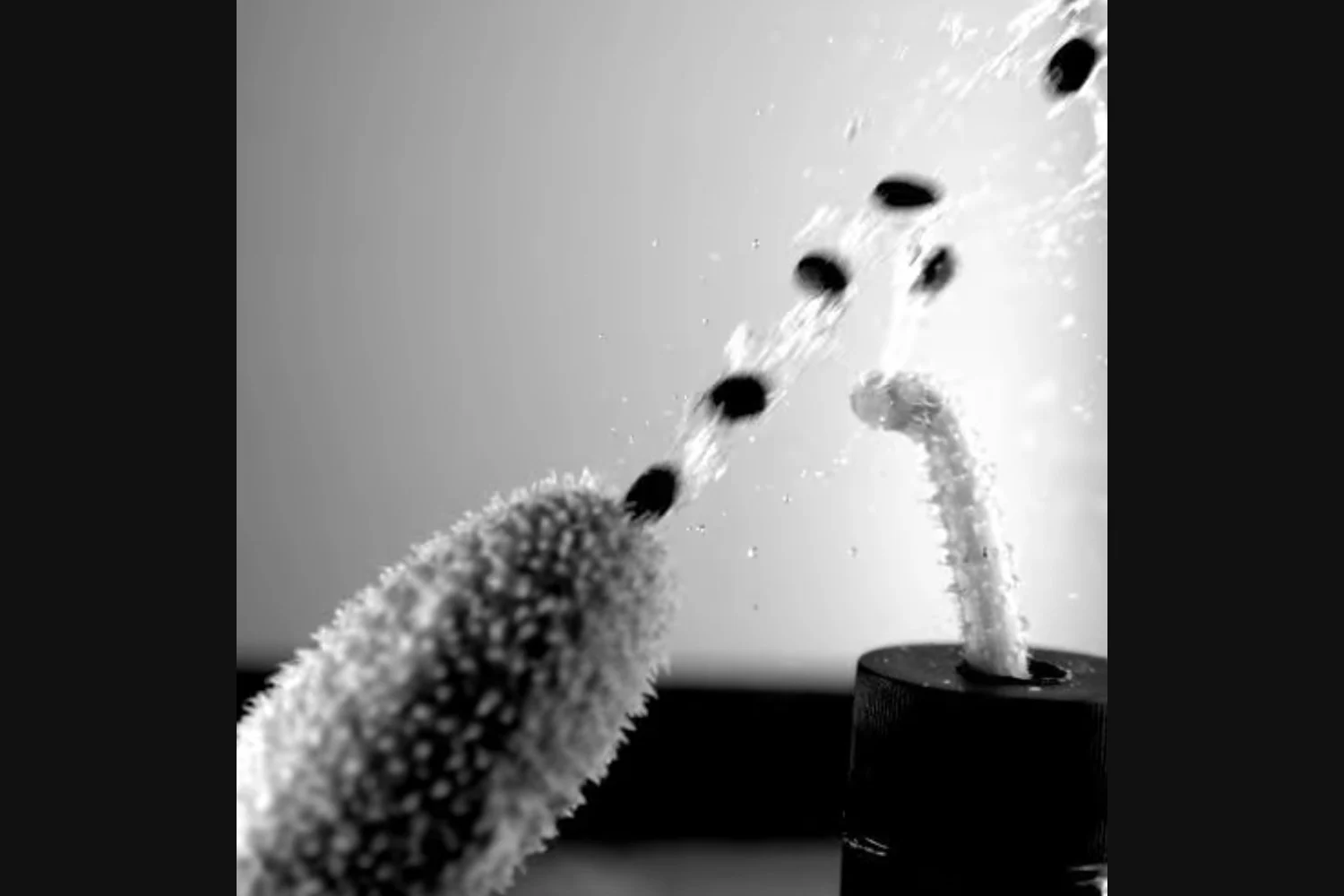
Researchers from the University of Oxford and the University of Manchester have uncovered the mechanism behind the squirting cucumber's explosive seed dispersal using experiments, high-speed videography, and mathematical modeling. The study reveals that the plant's fruits become highly pressurized, redistributing fluid to the stem, which aids in the seeds' ballistic ejection. This unique dispersal strategy ensures optimal seed distribution and has potential applications in bio-inspired engineering, such as drug delivery systems.
A study by the University of Oxford reveals the unique seed dispersal mechanism of the squirting cucumber, which ejects seeds in a high-speed jet of mucus. This Mediterranean plant's method, involving fluid transfer and pressurization, could inspire bio-engineering innovations. Researchers used experiments and mathematical models to understand how the plant achieves seed ejection speeds of up to 20 meters per second, distributing seeds in a wide range. The findings highlight the plant's near-optimal dispersal system and potential applications in precise medication release.
Researchers have developed a new model to predict the behavior of non-Newtonian fluids, such as blood and cornstarch mixtures, which exhibit unique properties like elastic turbulence. This advancement could have significant industrial applications, including optimizing the flow of slurries and biological solutions. The study, led by Marco Rosti at the Okinawa Institute of Science and Technology, reveals that elastic turbulence in non-Newtonian fluids shares similarities with classical turbulence in Newtonian fluids, offering new insights into fluid dynamics.
A team of scientists has discovered that the Atlantic meridional overturning circulation, a major ocean current system, exhibits a more complex stability pattern than previously thought, with potential minor transitions leading to major climate changes. The study warns against relying on straightforward early warning indicators for climate disasters, as the system's behavior may be more unpredictable. The findings, published in Science Advances, suggest that predicting the behavior of the climate system, particularly the Atlantic meridional overturning circulation, is challenging due to its complexity, requiring a comprehensive approach that combines complex numerical simulations, observational evidence, and theory.
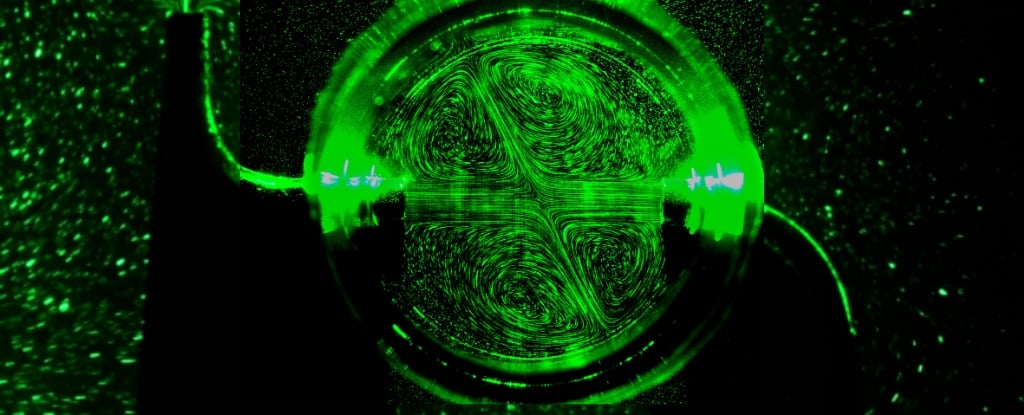
After decades of debate, a group of mathematicians claim to have finally solved Feynman's sprinkler problem, which asks how a sprinkler head would rotate if it sucked in water instead of expelling it. Using lab experiments and mathematical modeling, they found that a reverse sprinkler spins in the opposite direction when taking in water, due to the collision of incoming water jets generating torque to rotate the hub. The findings could have practical applications in engineering technologies to harvest energy from flowing air or water.
Human behavioral responses to COVID-19, such as lockdowns and isolation, have influenced the evolution of the virus, making it more transmissible early in infection, according to a study by researchers at Nagoya University. Using AI and mathematical modeling, the study found that SARS-CoV-2 variants showed a 5-fold increase in maximum viral load and a faster peak as the virus evolved from the Wuhan to Delta strains. The research highlights the complex interplay between viral load, transmission dynamics, and human behavior, emphasizing the need to consider human behavior in public health strategies and virus evolution studies.
Researchers at the University of Oxford have discovered that the shape, size, and geometry of carnivorous pitcher plants determine the type of prey they trap. By applying mathematical models to pitcher plants grown at the Botanic Garden, the team found that variations in the shape of the rim, called the peristome, have a profound effect on the plant's ability to capture prey. The study suggests that different peristome geometries are suited to capturing different types of insects, allowing pitcher plants to adapt to the various forms of prey available in their environments. Mathematical modeling provides valuable insights into the evolution and behavior of these fascinating plants, especially in remote and challenging natural habitats.