NASA research suggests Titan's lakes may form vesicles with primitive cell walls, supporting theories that such structures could be precursors to life, though this remains theoretical and requires experimental verification.
A 2025 study by Robert G. Endres uses mathematical approaches to show that the spontaneous emergence of life on early Earth was extremely improbable under natural conditions, suggesting that our understanding of abiogenesis is incomplete and that alternative explanations like panspermia remain plausible.
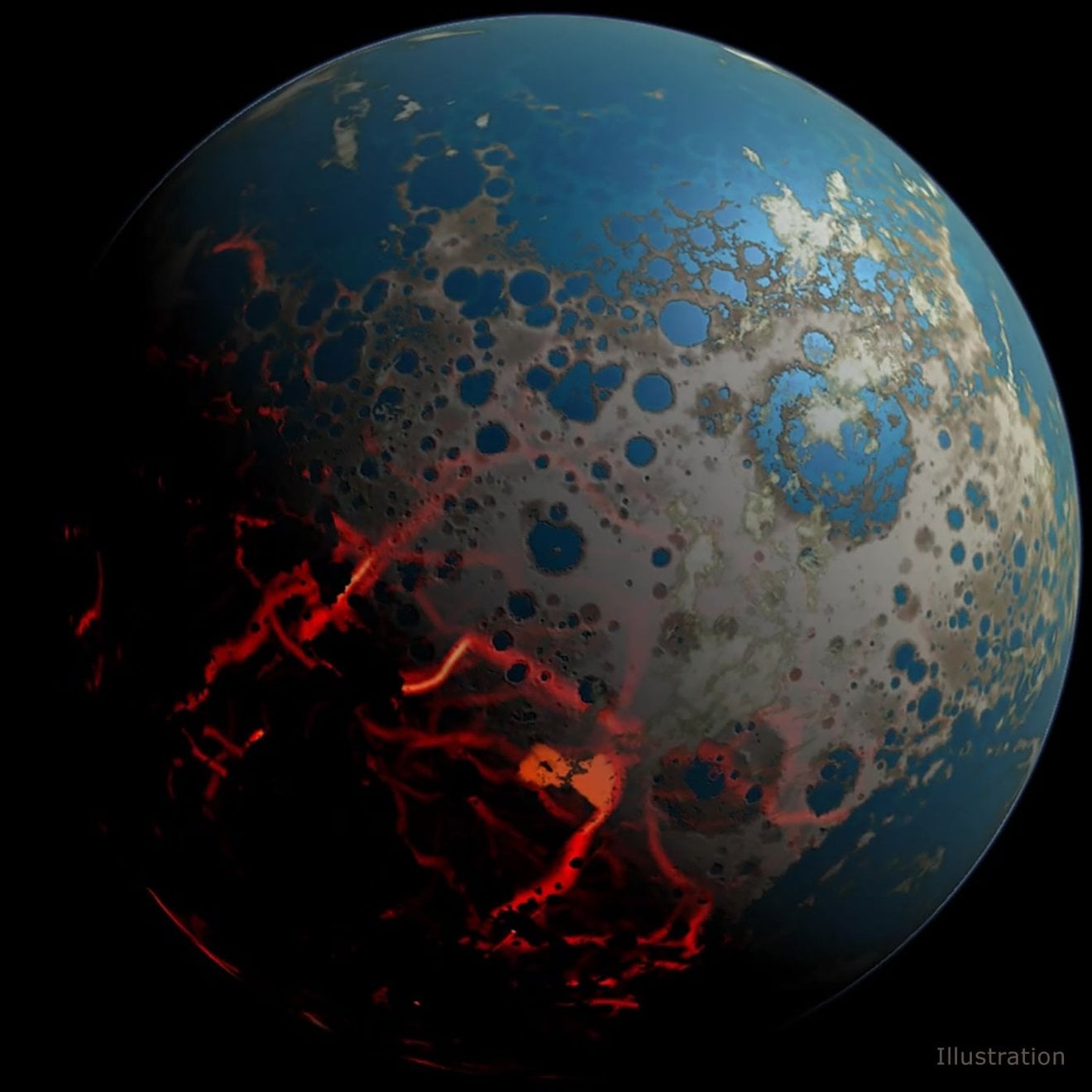
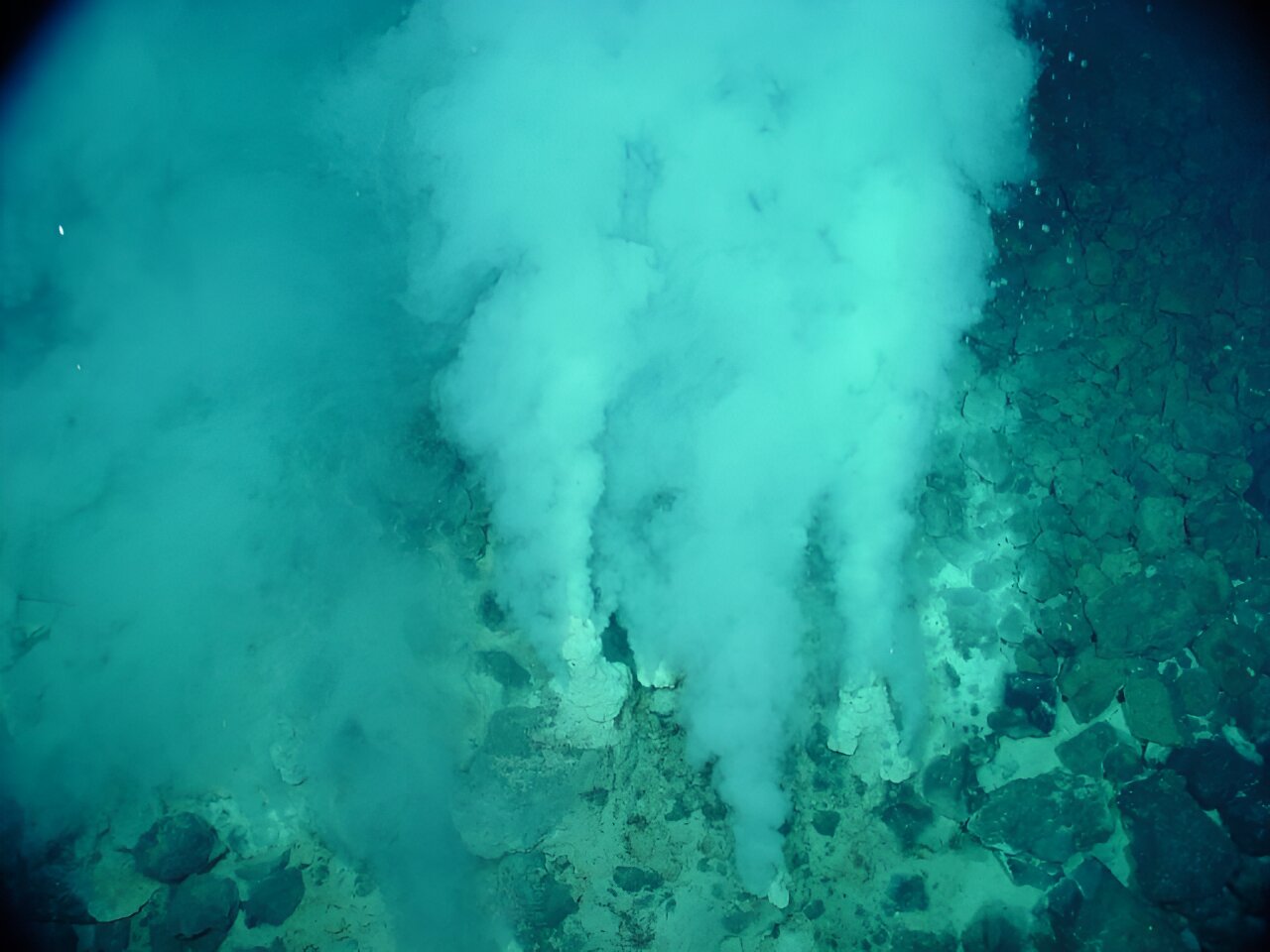
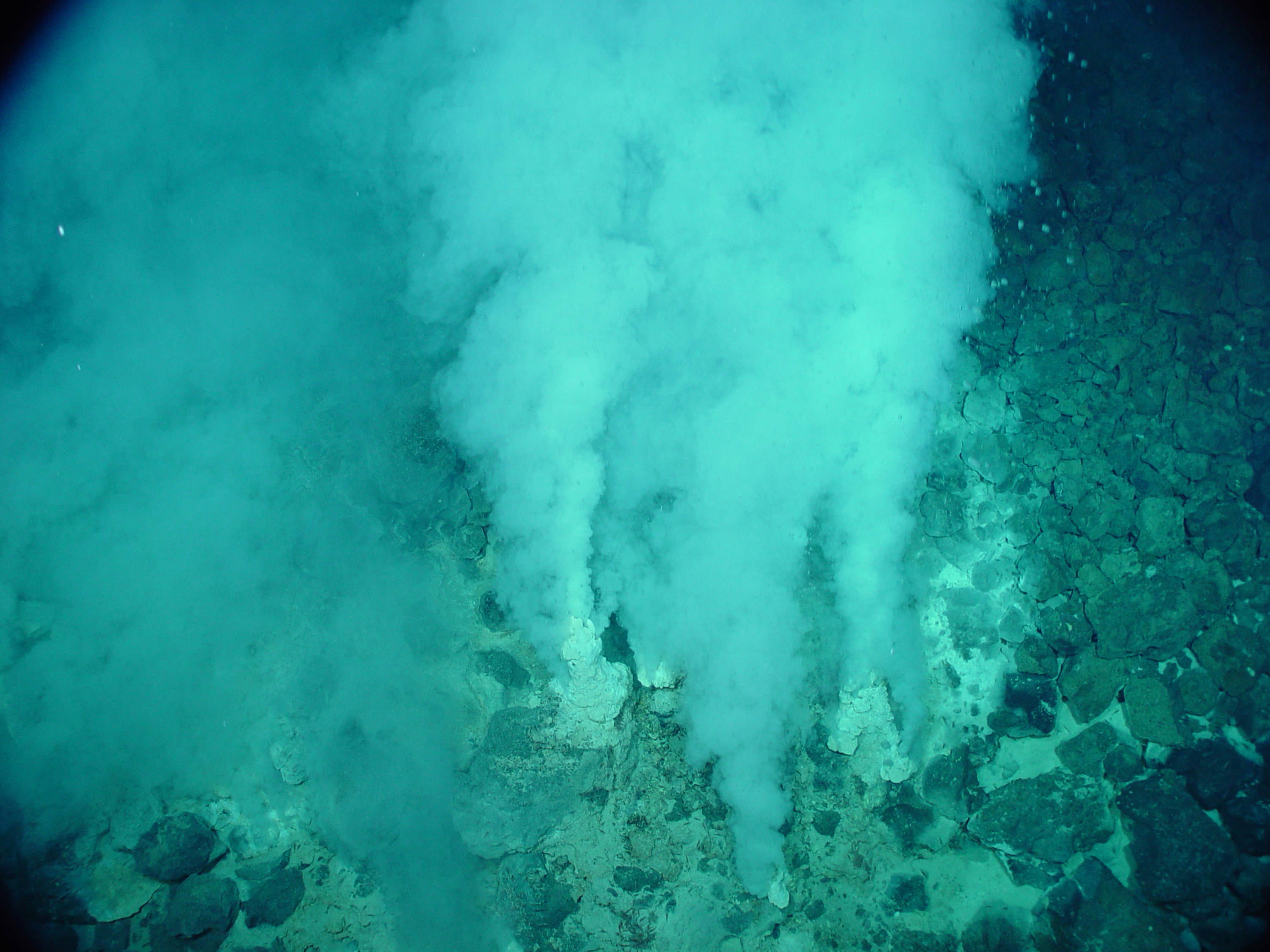
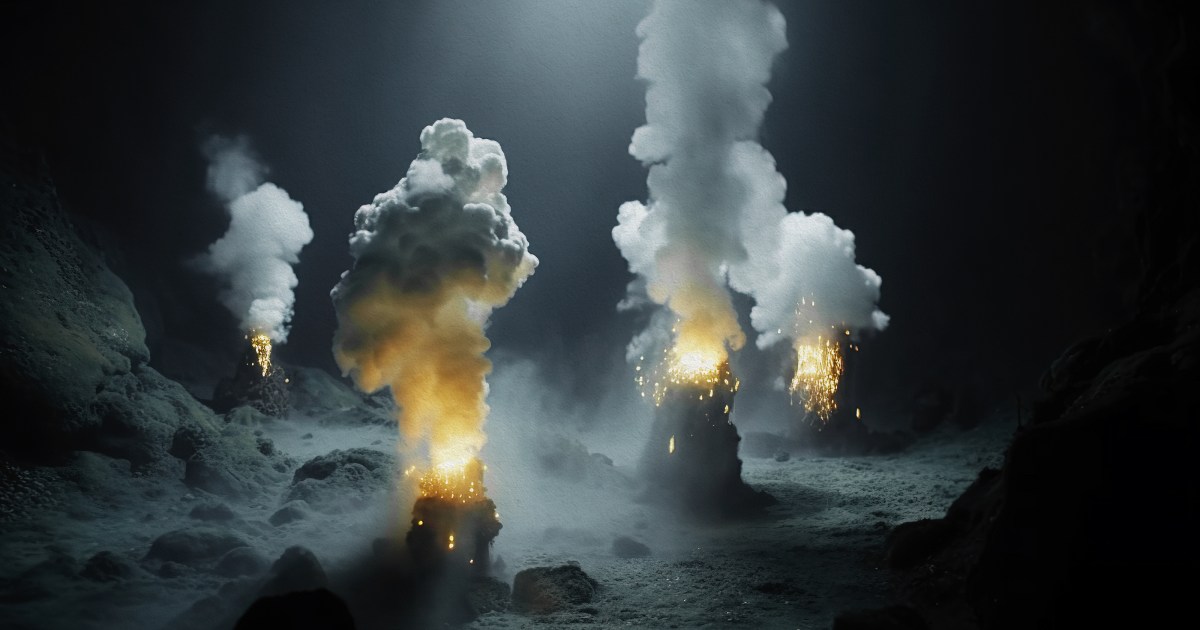
The central question of abiogenesis, the generation of life from not-life, remains unanswered, but astronomers have detected organic molecules and amino acids scattered throughout space, suggesting that Earth's organic compounds were delivered after the planet cooled and solidified. The earliest undisputed fossil evidence for life dates back 3.5 billion years, with more speculative evidence suggesting life started as early as 4.5 billion years ago. It is believed that life may have arisen in deep-sea hydrothermal vents, tidal pools, hot springs, or underground, and it appears that as soon as life could arise, it did arise.
The mystery of abiogenesis, the emergence of life from non-life, continues to puzzle scientists. Astronomers believe that organic compounds crucial for life were delivered to Earth after it cooled and solidified, possibly through cometary impacts. Despite the harsh conditions of the early Earth, evidence suggests that life may have emerged as early as 4.5 billion years ago, with some scientists proposing deep-sea hydrothermal vents or tidal pools as potential cradles for the first life forms. The exact process and location of life's origins remain uncertain, but the evidence indicates that life arose as soon as it could.
A recent paper proposes a new way to understand the origin of life by focusing on the existence of physical and chemical systems that show lifelike behaviors, called ante-life. These systems exhibit viability-based behavior, meaning they change their state in ways that ensure their own continuation. The authors suggest that the origin of life might have involved abiological entities that perform viability-based behaviors, which became more evolvable over time. This view may also provide clues to the origin of agency and autonomy in life.
Scientists are trying to determine if life on Earth evolved only once or if different living beings emerged from different origins. The origin of life is a central question in modern biology, and probably the hardest to study. The current scientific consensus is that life emerged from non-living molecules in a natural process called abiogenesis, most likely in the darkness of deep-sea hydrothermal vents. Abiogenesis could have happened more than once, but all extant life beings descend from a single shared last universal common ancestor of life (LUCA).