This week in science, a key Atlantic current may collapse due to climate change, the world's largest iceberg is breaking apart, new mouse brain maps challenge previous understanding of decision-making, concerns rise over AI chatbots' responses to high-risk questions, and the James Webb Space Telescope advances the search for extraterrestrial life.

New research on the Atlantic Meridional Overturning Circulation challenges the idea of straightforward early warning signals for climate disasters, revealing the climate system's complexity and unpredictability. The study emphasizes the need for an integrated approach to climate science and warns against relying on nature to provide clear indicators of climate disasters. The research shows that the stability of the system is more complex than previously assumed, with potential major impacts on regional and global climates. Predicting the behavior of the climate, particularly the Atlantic meridional overturning circulation, is challenging due to its incredible complexity, and the study paves the way for a new outlook on climate through statistical mechanics and complexity theory.
A team of scientists has discovered that the Atlantic meridional overturning circulation, a major ocean current system, exhibits a more complex stability pattern than previously thought, with potential minor transitions leading to major climate changes. The study warns against relying on straightforward early warning indicators for climate disasters, as the system's behavior may be more unpredictable. The findings, published in Science Advances, suggest that predicting the behavior of the climate system, particularly the Atlantic meridional overturning circulation, is challenging due to its complexity, requiring a comprehensive approach that combines complex numerical simulations, observational evidence, and theory.
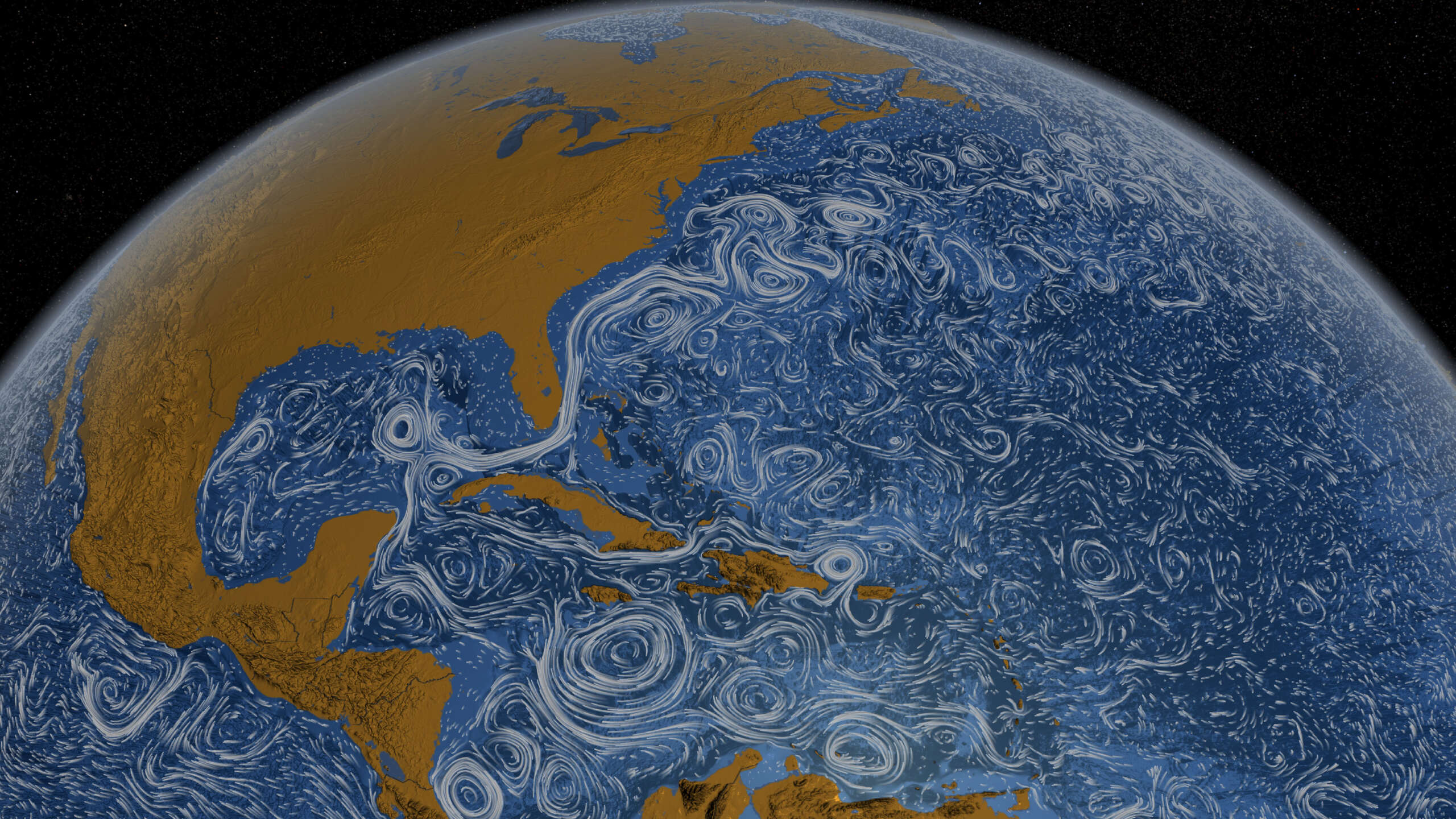
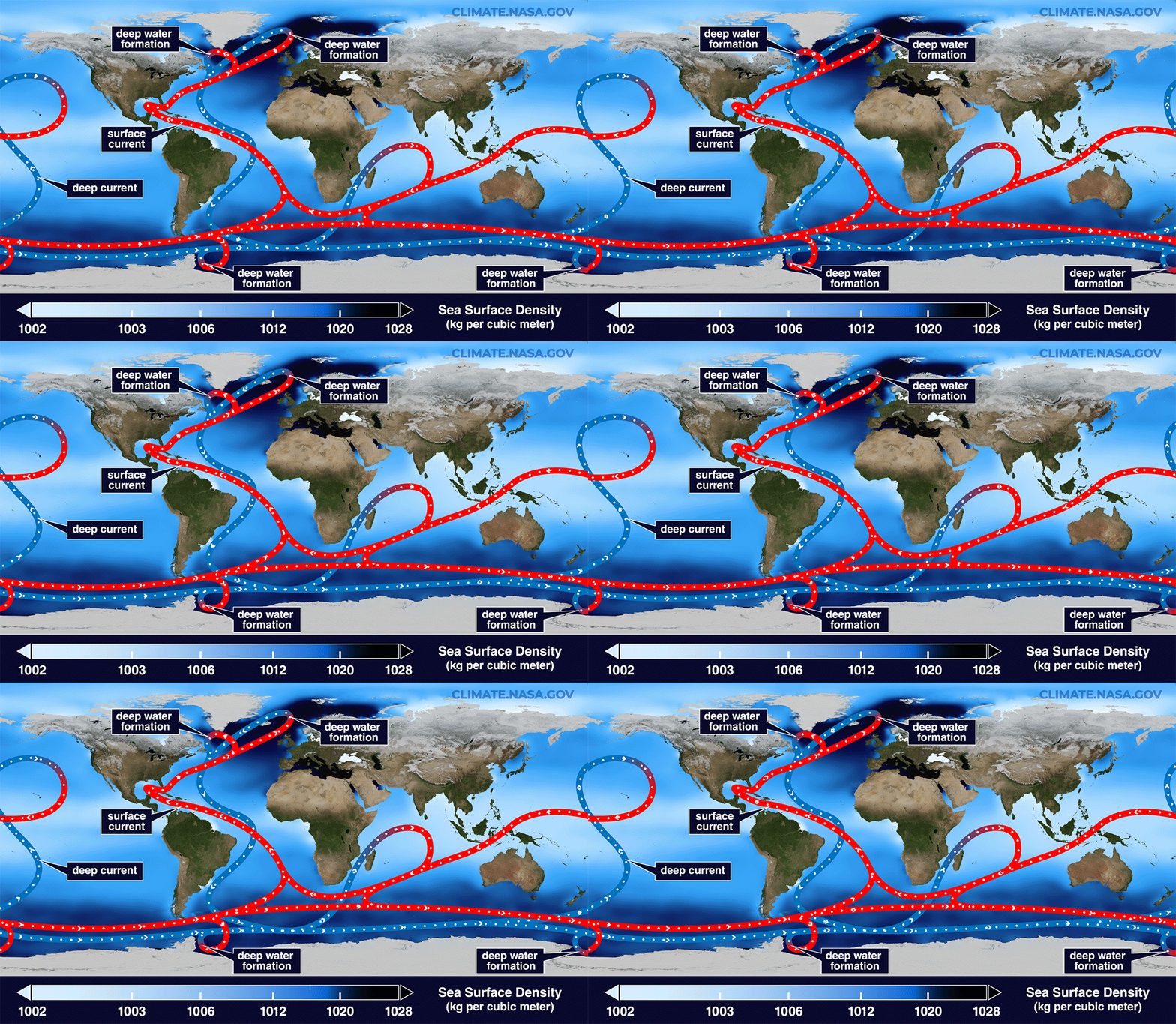
Scientists warn that the Atlantic Meridional Overturning Circulation (AMOC) in the Atlantic Ocean, crucial for transporting heat to the northern hemisphere, is at risk of collapse within a century due to climate change-induced warming temperatures and melting ice sheets. This could lead to severe and cascading global consequences, with Europe being the worst affected, experiencing extreme cooling. The weakening of this vital ocean conveyor belt could result in abrupt climate shifts, but the timeline for this tipping point remains uncertain, despite observations showing a slowdown in AMOC circulation since 2004.
A study published in Science Advances warns that the Atlantic Meridional Overturning Circulation (AMOC) could be on the brink of a sudden collapse, potentially leading to a significant drop in European temperatures. As human-caused global heating melts the Greenland ice sheet, the influx of fresh water into the North Atlantic could cool the AMOC toward a tipping point, causing the Gulf Stream to stop and triggering a cascade of climate impacts. Experts emphasize the need for improved data collection and preparation for managing and adapting to the potential impacts of an AMOC collapse.
Scientists have discovered a potential warning sign for the collapse of the crucial Atlantic Meridional Overturning Circulation (AMOC), a key ocean current that helps regulate the climate in the Northern Hemisphere. The flow of freshwater into the Atlantic Ocean at a specific latitude may indicate an impending collapse, with potential consequences including significant cooling in Europe and changes in precipitation patterns globally. The study underscores the urgency of addressing climate change to prevent further destabilization of the AMOC.
A new study warns that the collapse of the Atlantic Meridional Overturning Circulation (AMOC) due to increasing freshwater inflows from melting ice sheets and global warming could have severe global climate impacts, including shifting Asian monsoon rainfall patterns, reversing Amazon seasons, and causing dynamic sea level rise. The collapse could also lead to extreme heat waves, intense storms, and reduced precipitation in Western Europe, with significant impacts on agriculture. The study suggests that the AMOC tipping point could occur as early as 2050, and highlights the need to urgently address emissions to mitigate the risk of collapse.
A study has revealed that the Greenland ice cap is losing an average of 30m tonnes of ice an hour due to the climate crisis, 20% more than previously thought. This additional source of freshwater pouring into the north Atlantic might trigger a collapse of the ocean currents, with severe consequences for humanity. The study used satellite photos to show widespread shortening of glaciers, resulting in a trillion tonnes of lost ice. Concerns are raised about the impact on global weather patterns, ecosystems, and food security, as well as the potential disruption of the Atlantic meridional overturning circulation.