Tag

Cognitive Psychology

All articles tagged with #cognitive psychology

Mathematical Model Shows How Humans Store Memories as 'Random Trees'

Originally Published 6 months ago — by Medical Xpress

Featured image for Mathematical Model Shows How Humans Store Memories as 'Random Trees'
Source: Medical Xpress

Researchers have developed a mathematical model using random trees to understand how humans store and recall meaningful narratives, revealing that memories of stories can be represented as tree structures where nodes summarize larger episodes, with implications for understanding cognition and memory processes.

"Unlocking the Full Potential of Visual Memory"

Originally Published 1 year ago — by Neuroscience News

Featured image for "Unlocking the Full Potential of Visual Memory"
Source: Neuroscience News

A study by Ben-Gurion University reveals that people underutilize their visual working memory (VWM), often recalling fewer items than their capacity allows. Participants typically remembered just one item at a time, despite being able to remember 3-4 items. This finding provides new insights into the real-life usage of VWM and suggests that further research is needed to understand the reasons behind this behavior.

"Optimizing Memory: Embracing the Science of Forgetting"

Originally Published 1 year ago — by Big Think

Featured image for "Optimizing Memory: Embracing the Science of Forgetting"
Source: Big Think

In his book "Why We Remember," Charan Ranganath discusses the limitations of human memory and the concept of chunking, which allows people to compress large amounts of data into manageable information. He explores how expertise changes the way we learn and remember, demonstrating that experts can bypass memory limitations by focusing on the most important information. Research on chess grand masters and a study involving alien shapes show that expertise enables individuals to extract useful information and overcome memory constraints by leveraging their knowledge.

Endel Tulving: Pioneering Psychologist Unraveling the Mysteries of Memory

Originally Published 2 years ago — by The Washington Post

Featured image for Endel Tulving: Pioneering Psychologist Unraveling the Mysteries of Memory
Source: The Washington Post

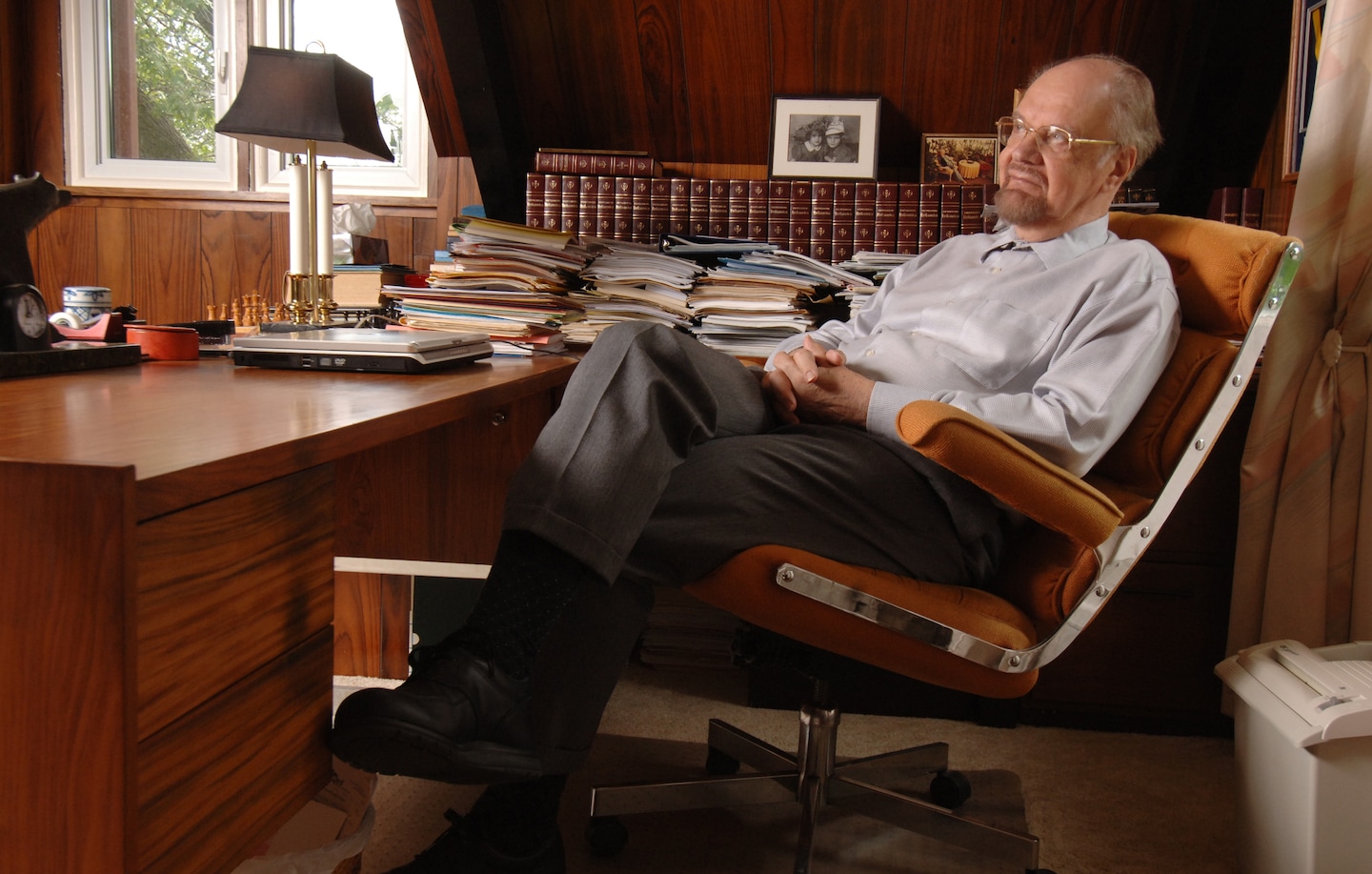
Endel Tulving, a renowned cognitive psychologist known for his groundbreaking work on human memory, has passed away at the age of 96. Tulving revolutionized the field by proposing the existence of two distinct forms of memory: semantic and episodic. He demonstrated that the brain stores and retrieves information on separate tracks, challenging the notion of memory as a single entity. Tulving's ideas were initially controversial but were later supported by studies using PET scans and interviews with amnesic patients. His contributions have had a lasting impact on psychology and neuroscience, earning him recognition as one of the most important cognitive scientists of the 20th century.

Reexamining the 'Invisible Gorilla': Surprising Objects Demand Attention.

Originally Published 2 years ago — by Medical Xpress

Featured image for Reexamining the 'Invisible Gorilla': Surprising Objects Demand Attention.
Source: Medical Xpress

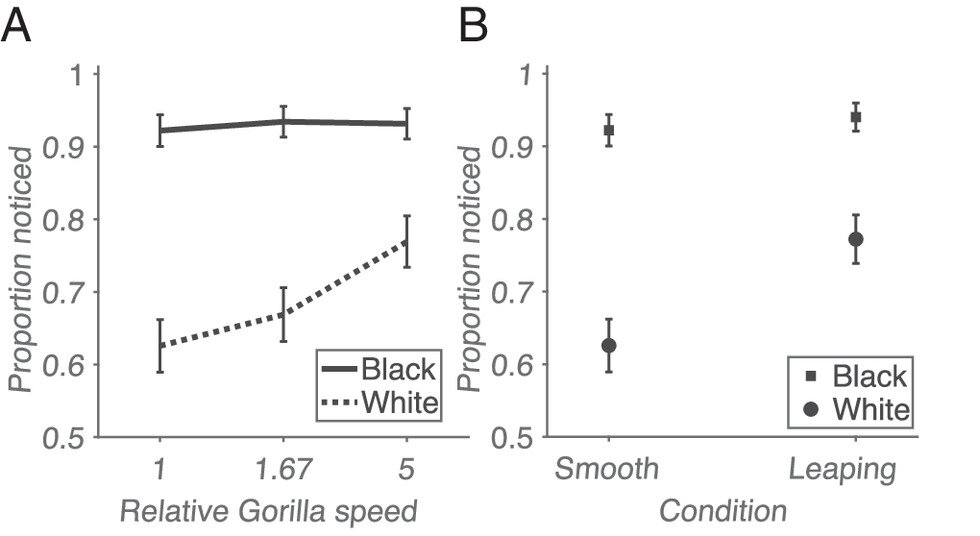
A new study by New York University researchers challenges the long-standing view that our ability to see unexpected objects is impaired when our attention is focused elsewhere. The study found that people are quite capable of noticing unexpected objects that are moving quickly while focusing on a task, but are less adept at noticing the same objects when they are moving slowly. The findings suggest that organisms possess a "sentinel" system that constantly monitors the environment, alerting them to potential threats, specifically fast-moving attacking predators.

The Power of Talking to Babies and Toddlers for Brain Development

Originally Published 2 years ago — by ScienceAlert

Featured image for The Power of Talking to Babies and Toddlers for Brain Development
Source: ScienceAlert

A study led by researchers at the University of East Anglia has found that toddlers who hear more speech on the regular have more efficient-looking neurons. Brain scans showed that their language-processing regions hosted a greater concentration of myelin – the insulating sheath that surrounds neurons and allows them to send messages faster and more efficiently. Although it is unknown whether that extra myelin actually impacts a two-and-a-half-year-old's language abilities, researchers suspect it could have important benefits.