Tag

Botany

All articles tagged with #botany

science2 months ago

Ancient Fossilized Plant Challenges Fibonacci Pattern

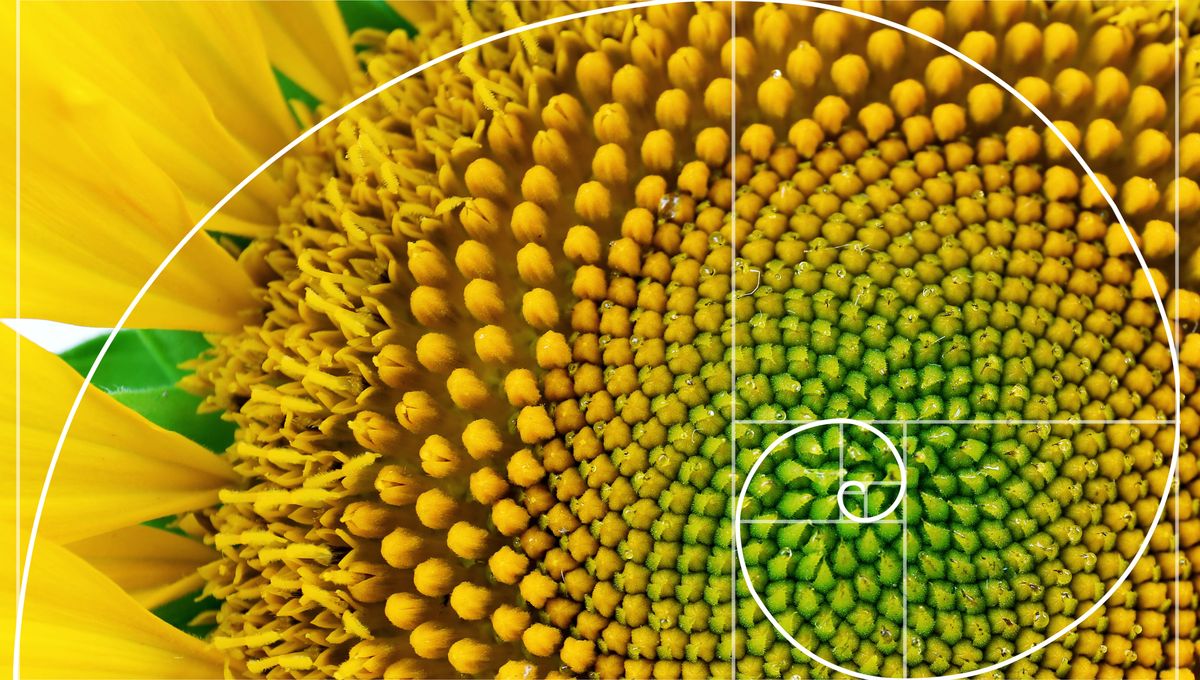
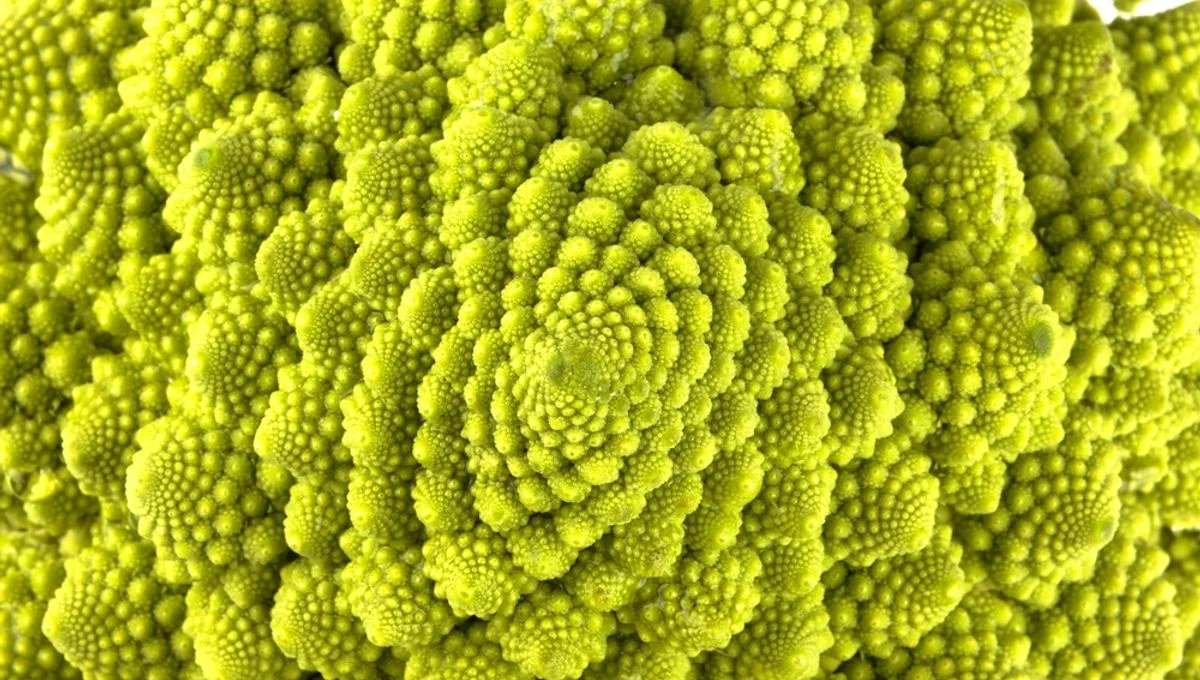
Scientists studying a 407-million-year-old fossilized plant, Asteroxylon mackiei, found that its leaf arrangement does not follow the Fibonacci sequence, challenging previous assumptions that Fibonacci spirals are universal in plant evolution. Using 3D reconstructions, they observed non-Fibonacci leaf patterns, suggesting early plants may have evolved different leaf arrangements before Fibonacci spirals became common in modern plants.
science1 year ago

Unveiling the Explosive Seed Launch of the Squirting Cucumber

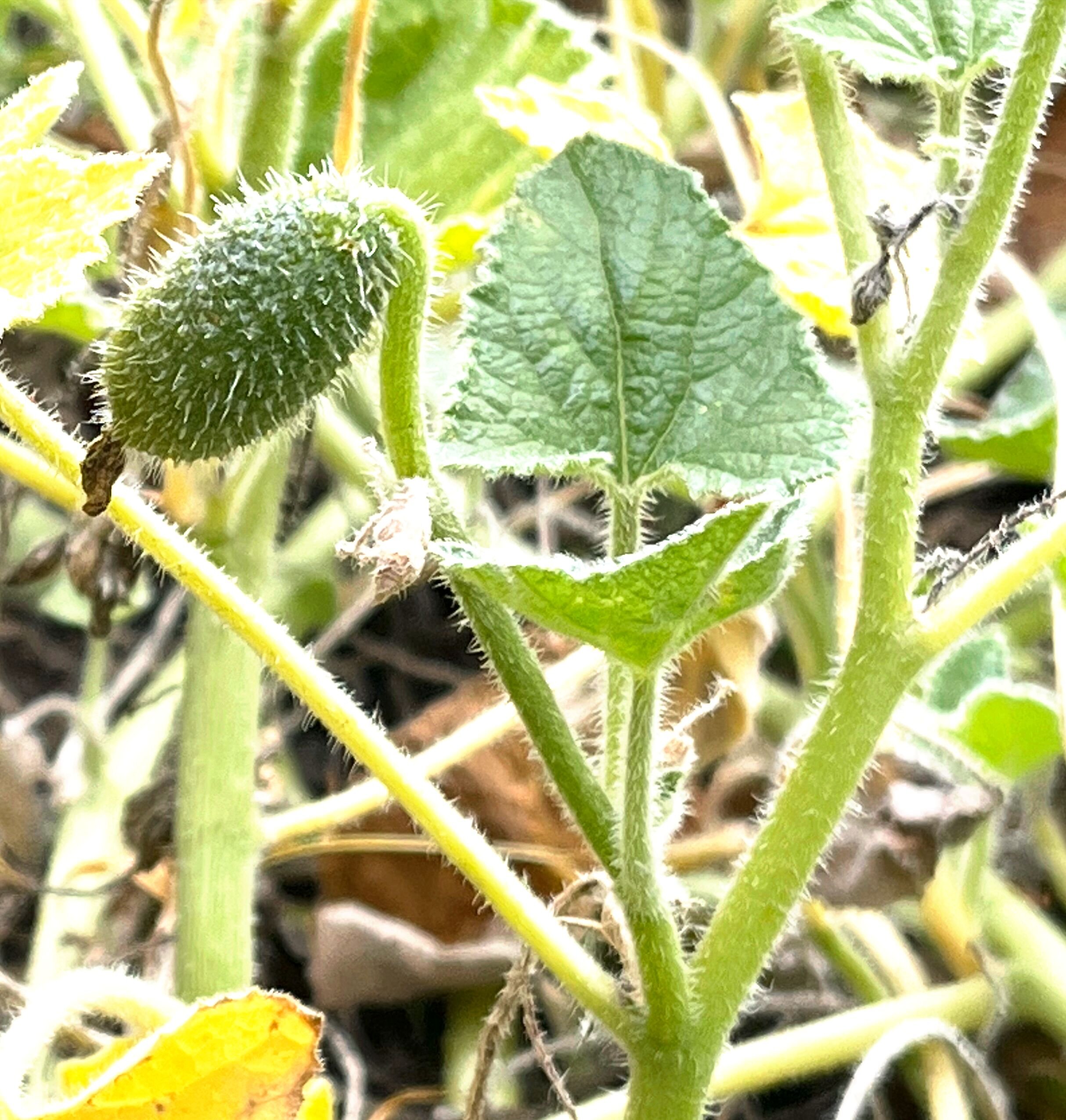
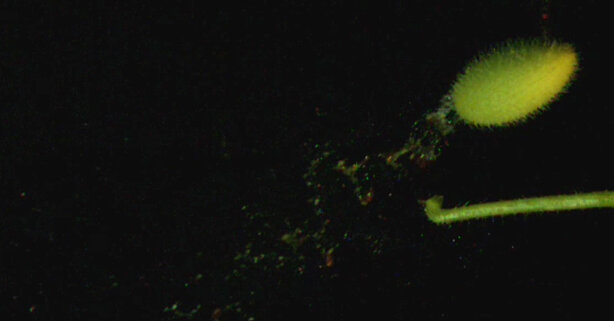
Researchers from the University of Oxford and the University of Manchester have uncovered the mechanism behind the squirting cucumber's explosive seed dispersal using experiments, high-speed videography, and mathematical modeling. The study reveals that the plant's fruits become highly pressurized, redistributing fluid to the stem, which aids in the seeds' ballistic ejection. This unique dispersal strategy ensures optimal seed distribution and has potential applications in bio-inspired engineering, such as drug delivery systems.

science1 year ago

Unveiling the Explosive Seed Launch of Squirting Cucumbers

A study by the University of Oxford reveals the unique seed dispersal mechanism of the squirting cucumber, which ejects seeds in a high-speed jet of mucus. This Mediterranean plant's method, involving fluid transfer and pressurization, could inspire bio-engineering innovations. Researchers used experiments and mathematical models to understand how the plant achieves seed ejection speeds of up to 20 meters per second, distributing seeds in a wide range. The findings highlight the plant's near-optimal dispersal system and potential applications in precise medication release.

science1 year ago

"New Plant Species Discovered That Feeds on Underground Fungi"

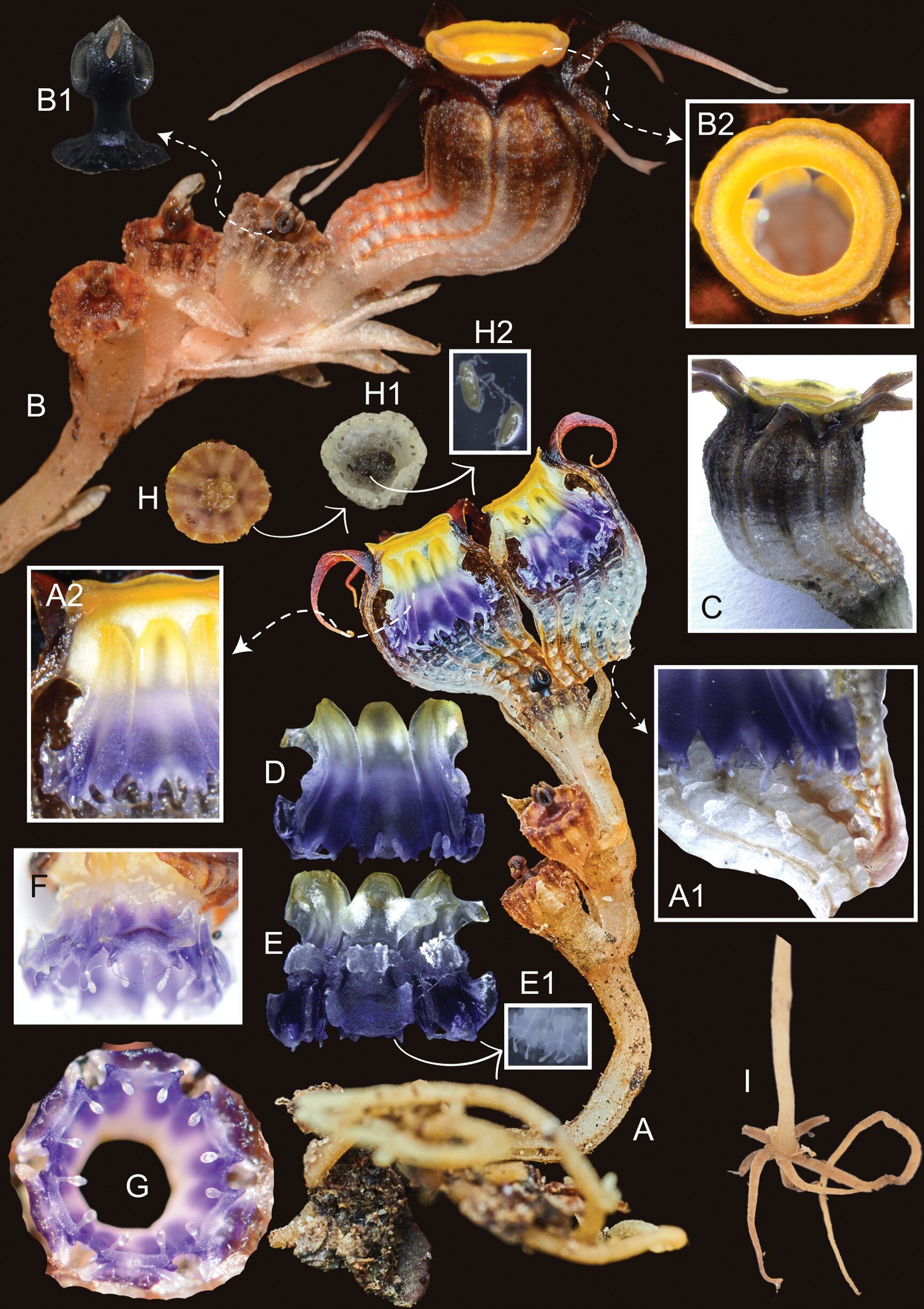
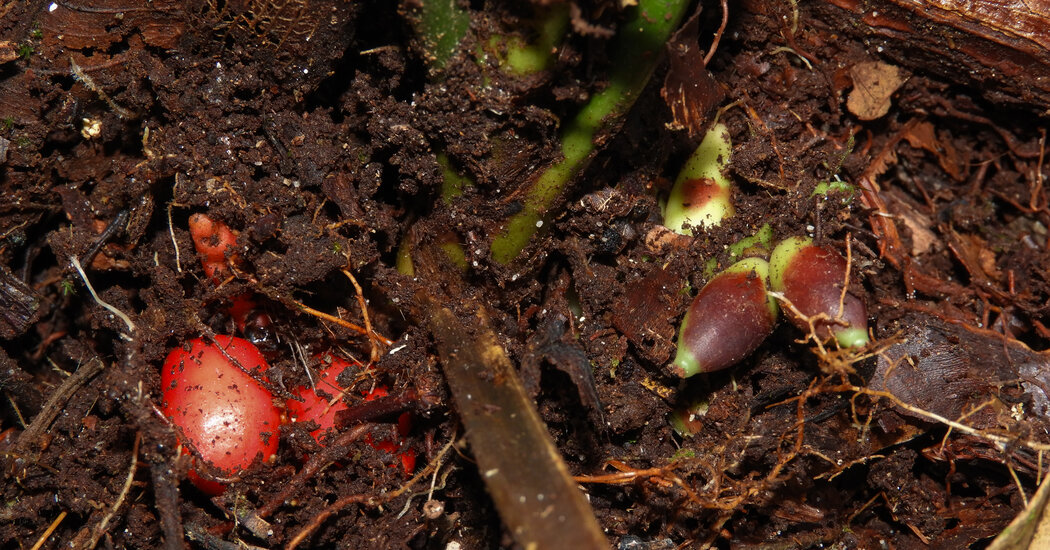
Botanists have discovered a new plant species, Thismia malayana, in the tropical rainforests of Peninsular Malaysia. This mycoheterotrophic plant steals nutrients from underground fungi instead of performing photosynthesis, allowing it to thrive in low-light forest understories. Found in two locations, the plant is classified as Vulnerable due to its sensitivity to environmental changes and limited distribution, highlighting the need for conservation efforts.

science2 years ago

"Video Captures Plants Communicating Warnings of Danger for the First Time"

Japanese researchers have captured real-time footage of plants transmitting defense responses to their neighbors, marking a groundbreaking discovery in plant communication. The study observed undamaged plants responding to volatile organic compounds (VOCs) emitted by neighboring plants experiencing mechanical damage or insect attacks, shedding light on the intricate ways plants communicate to protect themselves from environmental threats. This research broadens our understanding of ecological relationships and plant defense mechanisms, highlighting the complex and subtle interactions within the plant kingdom.

nature2 years ago

"The Truth About the White Dots on Strawberries"

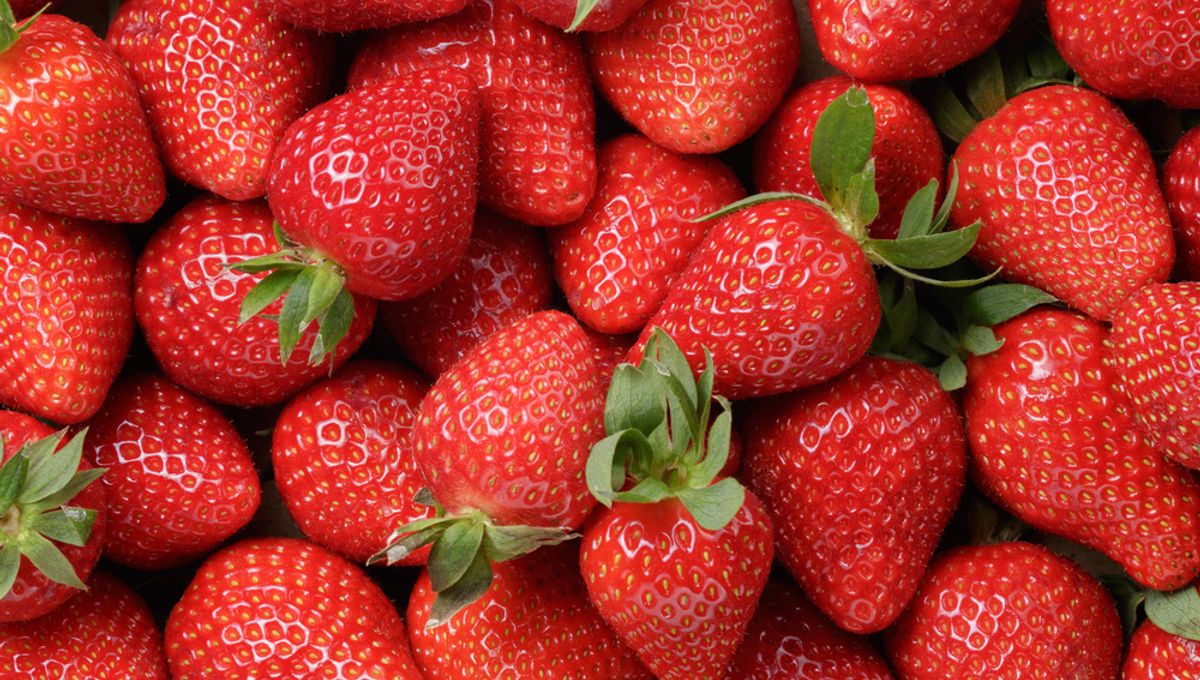
The white dots on strawberries are not seeds but rather achenes, which are the plant's fruit containing a single seed each. Despite their misleading appearance, strawberries are not berries but rather aggregate fruits, similar to raspberries and blackberries, and belong to the same family as roses. Their unusual life cycle and propagation through runners further distinguish them from true berries, placing them in the aggregate fruit category.

science2 years ago

"Long-Lost 'Zombie Seeds' Unearthed After 144 Years, Unveiling Astonishing Plant"

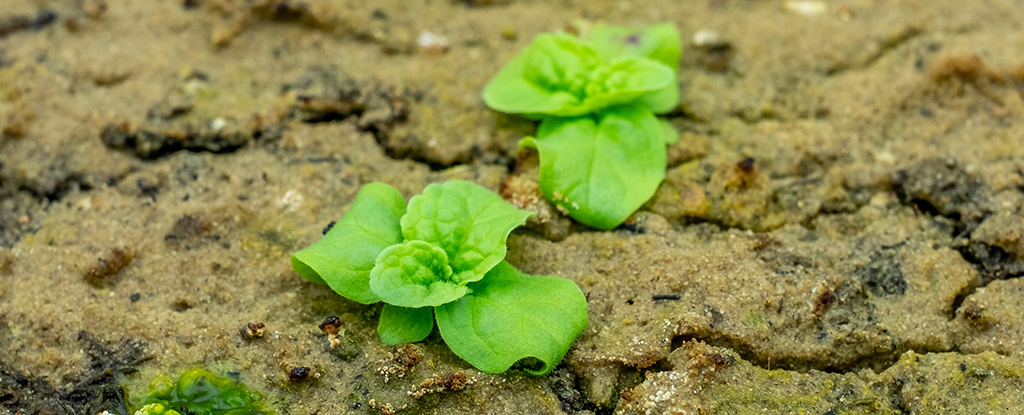
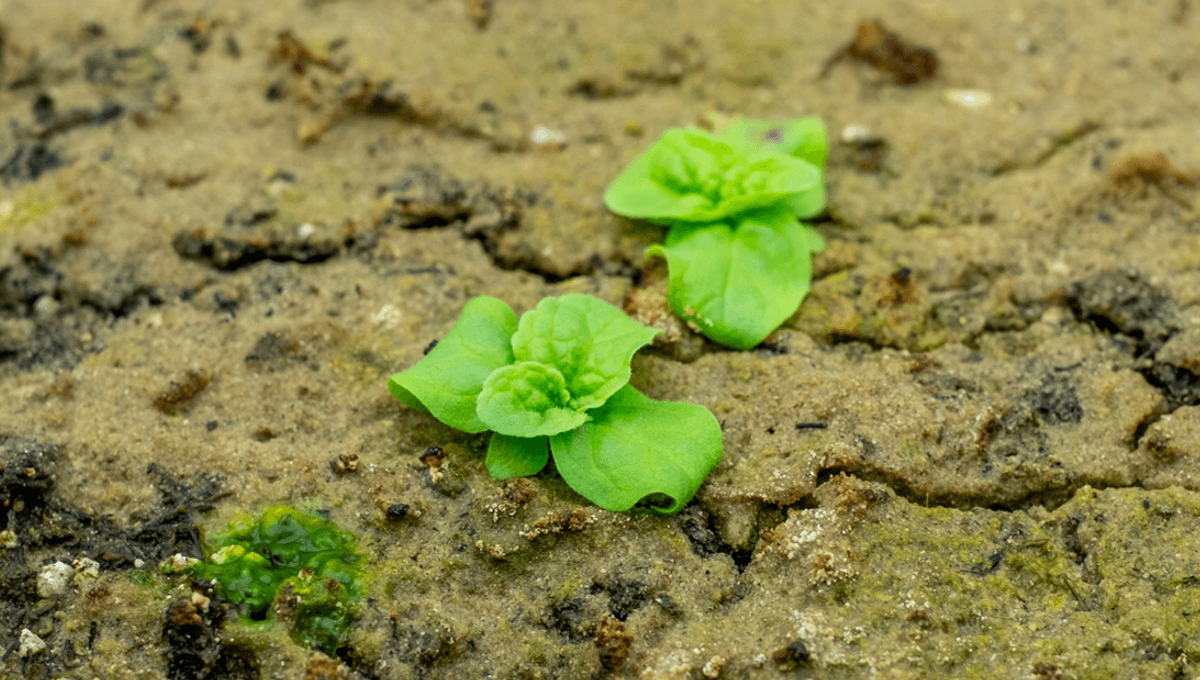
Seeds buried by botanist William Beal in 1879 have been germinating after being dug up 144 years later, surprising researchers at Michigan State University (MSU). The experiment aimed to study seed longevity and help farmers deal with persistent weeds. Genetic testing revealed that the germinated seeds were of the moth mullein and common mullein species, contrary to Beal's original description. The experiment, now the longest-running of its kind, will continue until 2100. The findings contribute to our understanding of seed viability and have implications for rare species conservation and ecosystem restoration.

science2 years ago

"Unveiling the Secrets of a 144-Year-Old Seed Experiment"

Scientists have resurrected hybrid seeds from a secretive 144-year-old experiment conducted by botanist William J. Beal. The experiment involved burying 20 glass bottles filled with 50 seeds in sand to study seed viability. While most species lost viability within 60 years, a high percentage of plants from the Verbascum genus were still able to grow. DNA sequencing confirmed the presence of a hybrid plant, suggesting a mix-up during the experiment's preparation. The study's findings have implications for rare species conservation and ecosystem restoration.

science2 years ago

Unraveling the Enigma: The Secrets of 144-Year-Old Zombie Seeds Revealed

Researchers conducting a 144-year-long experiment on "zombie seeds" buried by botanist William Beal have discovered a surprising hybrid plant among the buried buds. The 16th bottle contained a genetic mix of two different species of Verbascum, one of which was deliberately not included in the experiment. The discovery was made through DNA analysis, which would have amazed Beal since DNA was unknown at the time. The researchers are unsure how the hybrid was created but speculate that Beal mistook the seed for a regular one. The experiment, which aims to determine the viability of dormant seeds, may need to extend the time between bottle extractions to every 30 years as only four bottles remain.

environment2 years ago

"Lost Tropical Plants Rediscovered, Restoring Biodiversity After a Century"

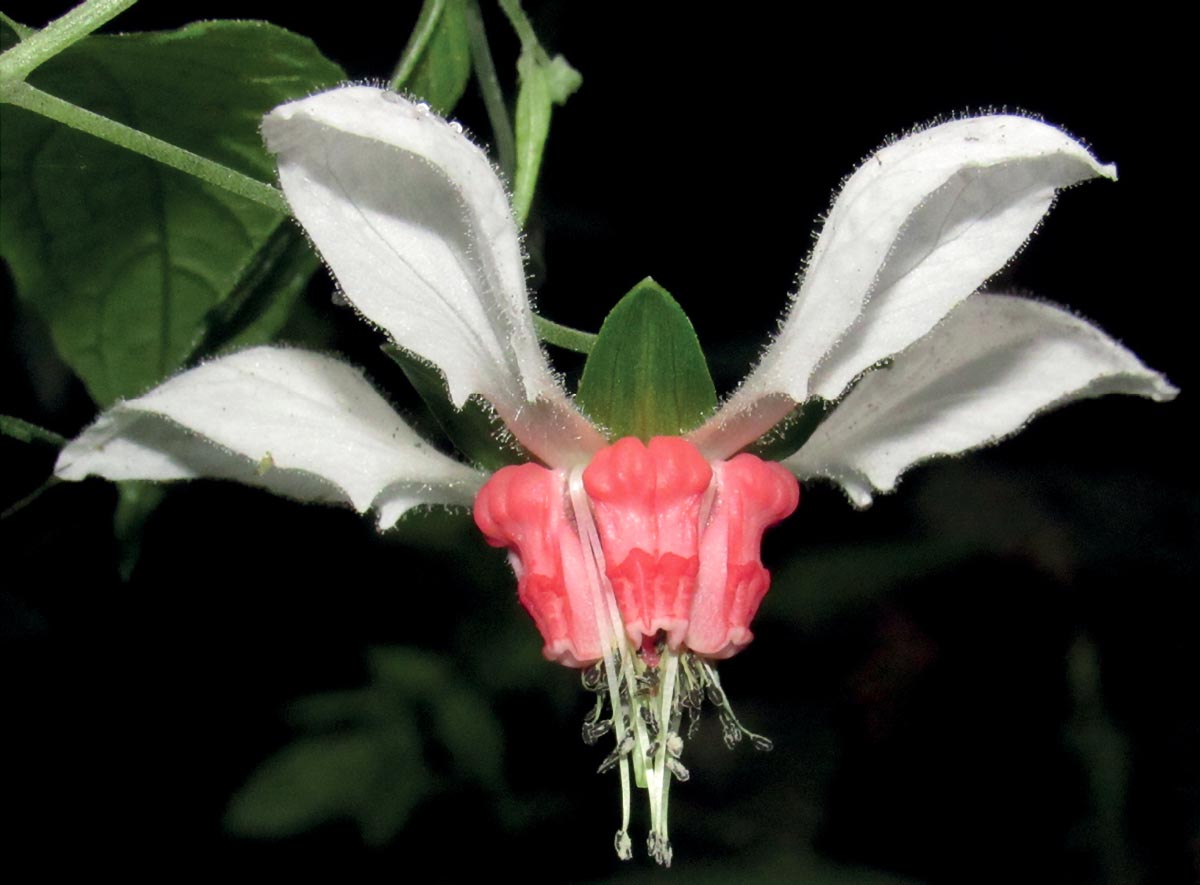
Botanists and plant enthusiasts have rediscovered long-lost plant species in the tropical Andes, using the citizen science platform iNaturalist to uncover hidden biodiversity and emphasize the crucial role of botany in conservation efforts. These rediscovered plants belong to the Nasa genus, which had been lost to science for up to 100 years. The findings highlight the importance of modern technology and community science networks in documenting and preserving biodiversity.

science2 years ago

Ancient Plant Defies Fibonacci Sequence, Baffling Scientists

An ancient fossilized plant, Asteroxylon mackiei, dating back 407 million years, has challenged the assumption that the Fibonacci sequence is present in the structure of early plant species. Most living plants exhibit organs arranged in Fibonacci spirals, but this extinct lycopod species from the Early Devonian period has leaves arranged in non-Fibonacci patterns. 3D-printed reconstructions of the plant's cross-sections revealed that some reconstructions followed Fibonacci spirals, while others had no spirals at all and instead grew leaves in rings along the stem. These findings suggest that the evolution of Fibonacci spirals in plants may not be as ancient as previously thought and that leaf evolution in these clubmosses may be separate from other plant groups.