Scientists have uncovered the mathematical principles behind a 500-million-year-old immune system network, revealing a critical percolation threshold that determines when the immune system activates, which could inform the design of safer nanomedicines and therapies.
A study published in Science analyzed blood samples from long-COVID patients and found significant serum protein changes, indicating a dysregulation of the complement system, which could be behind the varied symptoms experienced by these patients. The findings suggest potential for developing biomarker-based tests to identify the condition and may lead to targeted therapies for long-COVID patients. However, experts caution that larger studies are needed to replicate the findings and that it's premature to apply new treatments based on these results.
A study published in Science has identified a potential biomarker in the complement system of blood serum proteins to detect long Covid, shedding light on the disease and highlighting the key role the immune system plays in its development. The dysregulation of the complement system was found in people with long Covid, potentially explaining symptoms such as fatigue, brain fog, and muscle pain. While the research does not resolve all questions surrounding long Covid, it supports evidence that the immune system plays a key role in the disease and suggests the potential for using complement inhibitors as a treatment.
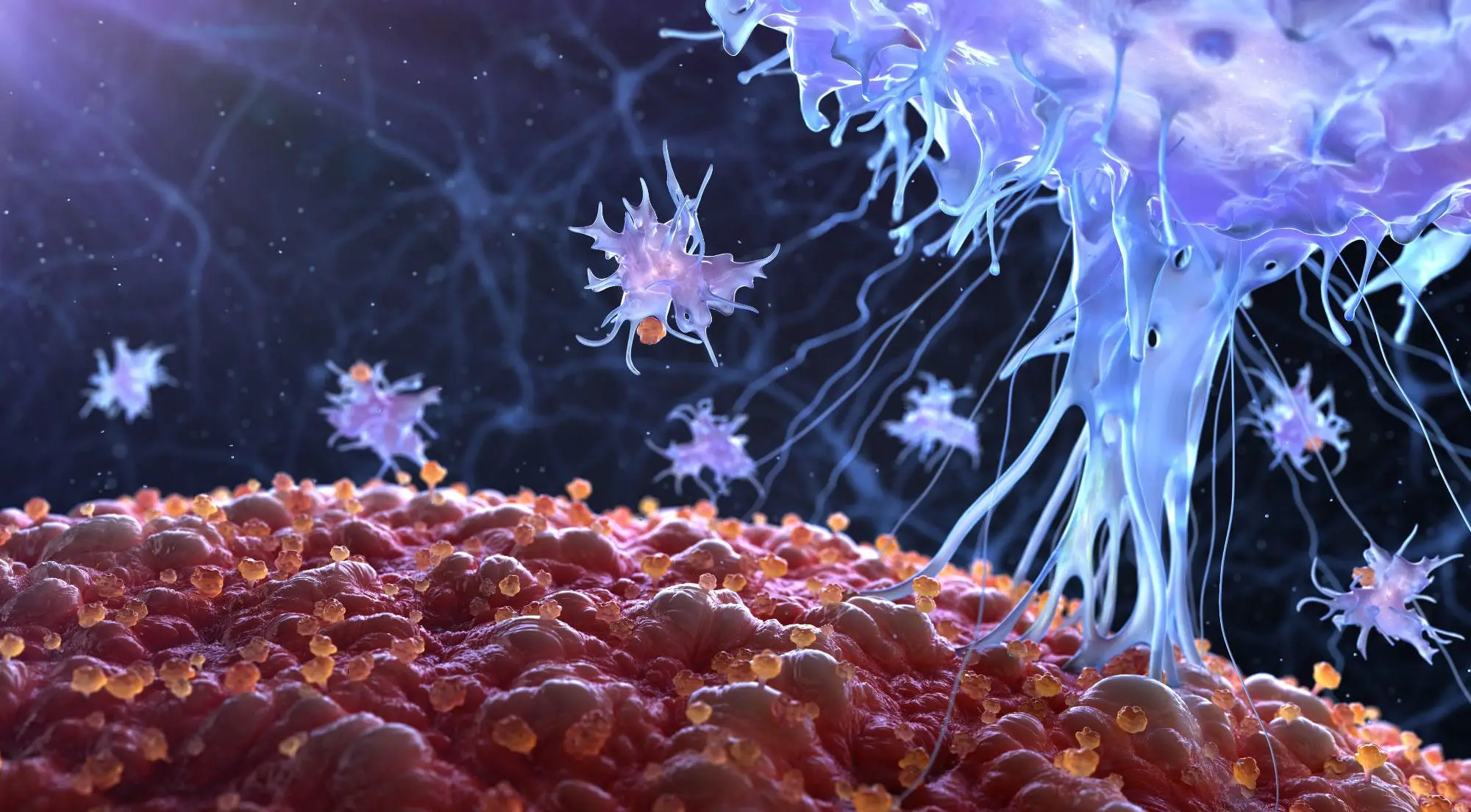
Scientists have developed a new method using bispecific single-domain antibodies, called BiCEs, to activate the complement system and target cancer cells more effectively. By linking a complement protein and a specific protein on the cancer cell surface, the BiCE molecules can activate the complement system, leading to the specific killing of cancer cells. This innovative approach has the potential to revolutionize cancer immunotherapy by engaging more of the body's immune response and could be translated into clinical applications.