Approximately 41,000 years ago, a significant geomagnetic event called the Laschamps Excursion caused Earth's magnetic field to weaken and become unstable, leading to increased auroras and radiation exposure. This event likely influenced human behavior and adaptation, with evidence suggesting changes in activity such as increased sheltering and protective measures among Neanderthals and early Homo sapiens. The interdisciplinary research highlights how space weather has historically impacted life on Earth and underscores the importance of understanding these effects for future preparedness.

Scientists suggest that a 41,000-year-old geomagnetic event, the Laschamps Excursion, caused increased auroras and radiation, potentially influencing human behavior and adaptation, as evidenced by archaeological findings and interdisciplinary research.
Despite over a century of research, scientists still don't fully understand why certain body parts are more ticklish, why we can't tickle ourselves, or the purpose of tickling, highlighting gaps in knowledge about sensory processing, self-awareness, and human behavior. The review emphasizes the need for standardized methods and advanced technology to explore this universal yet mysterious sensation.
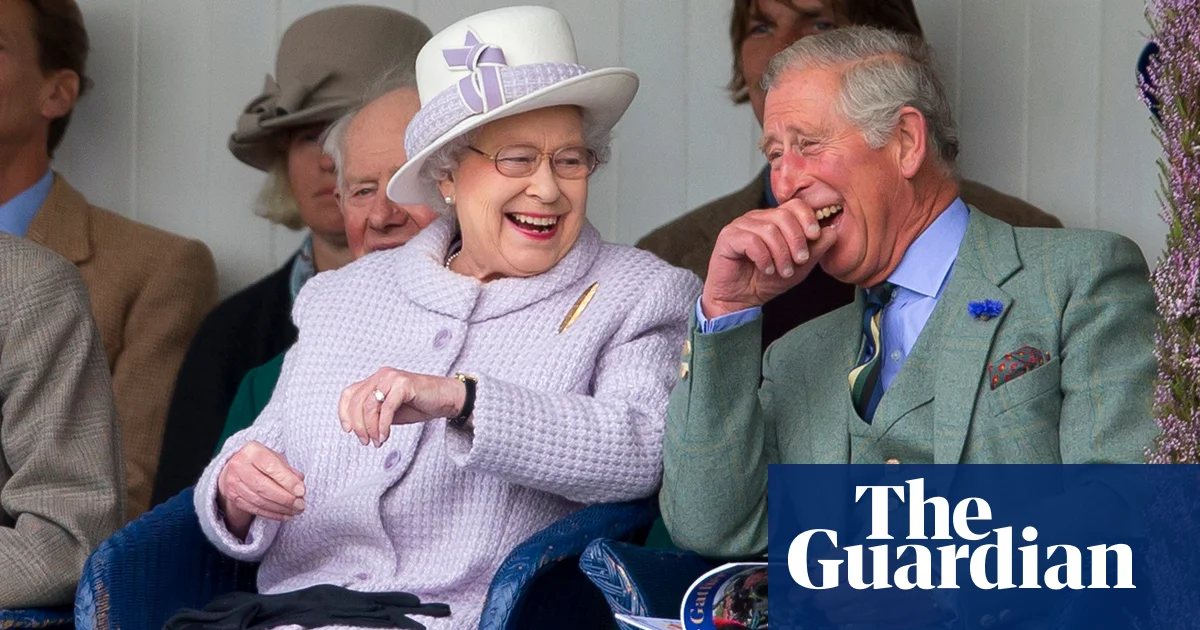
Madeleine Finlay interviews Sophie Scott, a cognitive neuroscience professor, about the science of laughter, exploring its definition, purposes for humans and animals, and the potential mental health benefits of prioritizing laughter.
Dr. Abbie Maroño highlights two fascinating aspects of human behavior: the significant role of unconscious processes in decision-making and the profound impact of thoughts on biology. Unconscious influences guide many of our daily actions, while positive and negative self-talk can affect stress hormone levels. The placebo effect further demonstrates how belief can lead to real biological changes, underscoring the connection between mind and body.
AI models exhibit human-like biases when asked to pick random numbers, often avoiding extremes and favoring certain numbers, due to their training data reflecting human tendencies rather than true randomness.
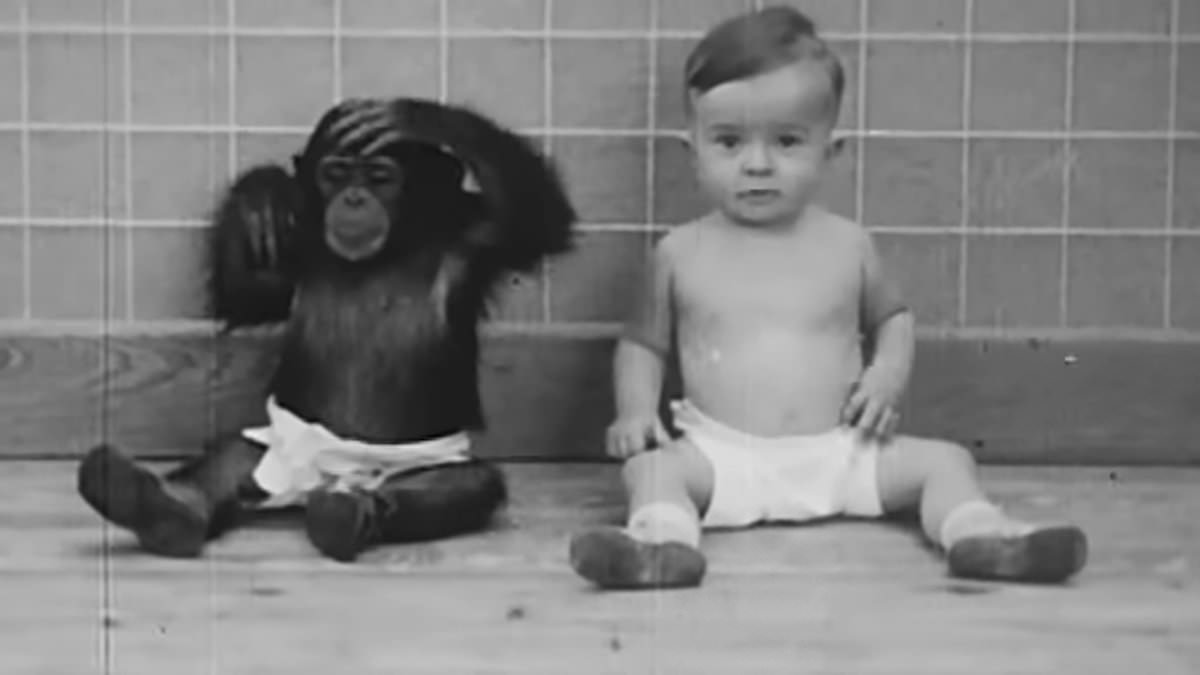
In 1931, psychologist parents Winthrop and Luella Kellogg attempted to raise their son alongside a chimpanzee named Gua in a nature versus nurture experiment, but abandoned it after nine months due to chilling changes in their son's behavior. The experiment involved cruel tests and attempts to teach Gua human behaviors, but ultimately failed to humanize her. The study concluded that there are limits to the humanization of non-human species. Tragically, their son Donald later took his own life at the age of 43, and Gua died in captivity after contracting pneumonia.
A TikToker told his wife to pay for her own drinks, only to find her charming another man at the bar to get free drinks, leaving viewers amused and impressed. The article discusses the dynamics of men buying women drinks, with some suggesting it originated as a form of exploitation and manipulation. It also mentions a TikTok user's technique to get men to buy her drinks. The TikToker's wife's ability to charm a stranger into buying her a drink has sparked a conversation about bar life and human behavioral patterns.
A study conducted at the Weizmann Institute of Science in Israel has found that women's tears contain chemicals that reduce aggression in men. The research, which builds on previous findings in rodents, involved exposing men to either women's tears or saline while playing a game designed to elicit aggressive behavior. The results showed a significant decrease in aggressive behavior and a corresponding decrease in brain activity in aggression-related regions after exposure to the tears. This study provides evidence of social chemosignaling affecting human aggression and challenges the notion that emotional tears are unique to humans.
A study conducted by the Weizmann Institute of Science in Israel found that men become less aggressive after smelling women's tears. The tears contain a chemical signal that reduces activity in aggression-related brain regions. Previous studies with rodents also showed that tears reduce aggression. The researchers discovered that tears activate specific olfactory receptors and decrease activity in the prefrontal cortex and anterior insula, areas of the brain linked to aggression. The composition of tears may have evolved to protect babies from harm. However, the social context of crying is complex, and the reduction of aggression is just one potential function of tears.
Human tears contain a substance that reduces aggression, according to a study by researchers at the Weizmann Institute of Science in Israel. Sniffing emotional tears from women reduced male aggression by over 40% in computerized tests and led to changes in the brain. The researchers believe that tears may have evolved to protect vulnerable infants from harm. The study also found that tears activated smell-sensing neurons in humans, suggesting a response to the aggression-dampening substance. While the chemicals in tears may not have a significant impact on adult social interactions, they may play a role in protecting babies from aggression. The researchers aim to identify the active ingredient in tears for potential use in reducing aggressive tendencies.
New research reveals that sniffing women's tears reduces aggressive behavior in men. The study shows that tears contain chemicals that block aggression in males, leading to reduced brain activity related to aggression and less revenge-seeking behavior. This finding suggests that social chemosignaling, a process common in animals, also plays a role in human aggression.
"The Holdovers," directed by Alexander Payne, is a crowd-pleasing movie that defies traditional holiday film tropes. Set during Christmas, the film explores the struggles of three characters dealing with depression and grief. Payne and screenwriter David Hemingson skillfully navigate the emotional complexities of the characters, creating a realistic portrayal of human behavior. The film is both elegant and cinematic, reminiscent of the 70s era, and features compelling performances from Paul Giamatti, Dominic Sessa, and Da'Vine Joy Randolph. While not a traditional feel-good movie, "The Holdovers" leaves viewers with a sense of warmth and the importance of being there for someone in their time of need.
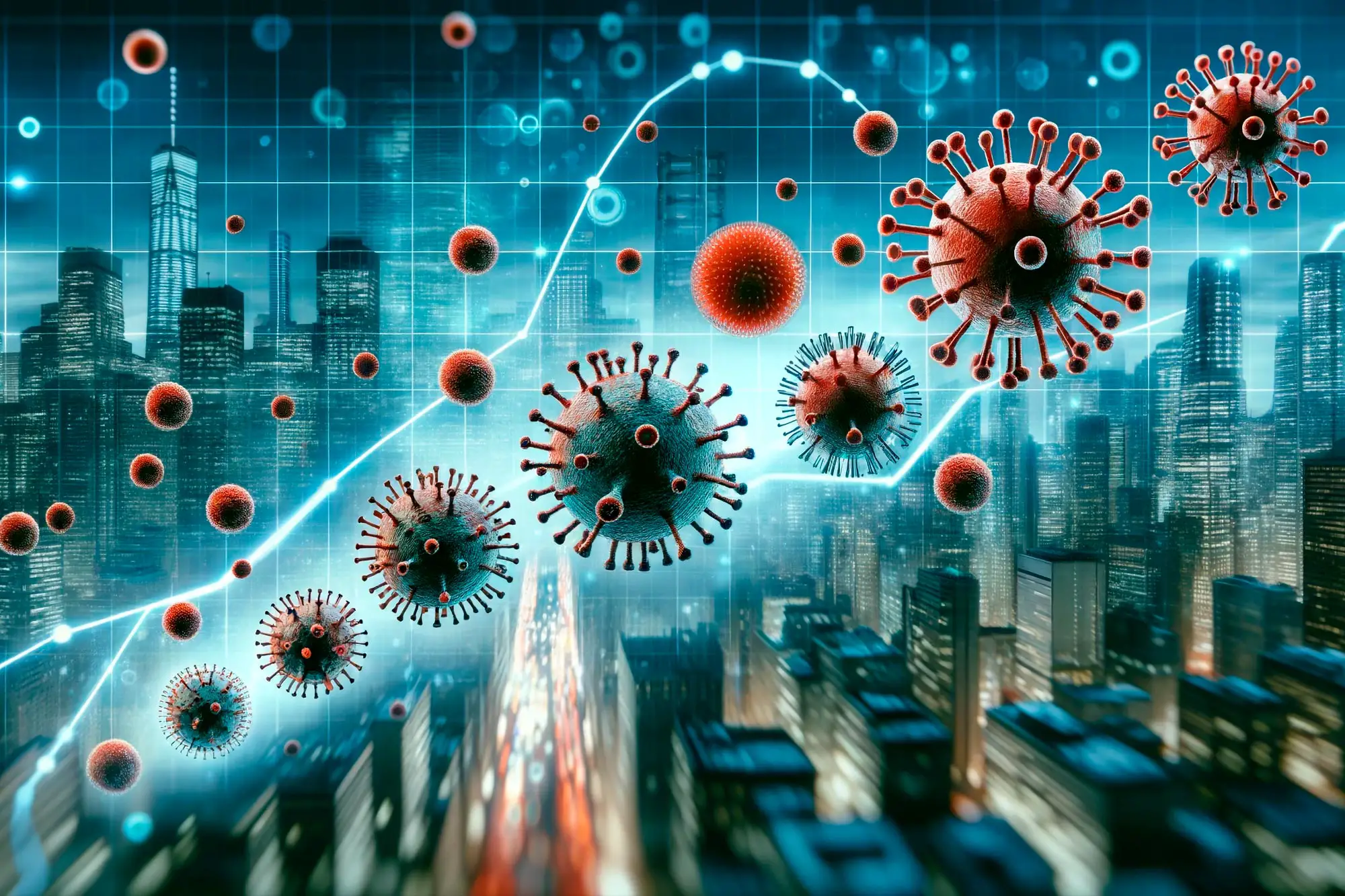
Human behavioral responses to COVID-19, such as lockdowns and isolation, have influenced the evolution of the virus, making it more transmissible early in infection, according to a study by researchers at Nagoya University. Using AI and mathematical modeling, the study found that SARS-CoV-2 variants showed a 5-fold increase in maximum viral load and a faster peak as the virus evolved from the Wuhan to Delta strains. The research highlights the complex interplay between viral load, transmission dynamics, and human behavior, emphasizing the need to consider human behavior in public health strategies and virus evolution studies.
Researchers from Nagoya University have used AI and mathematical modeling to uncover the impact of human behavior, such as lockdowns and isolation measures, on the evolution of COVID-19. Their study reveals that these human responses affect the virus's evolution, making it more transmissible earlier in its lifecycle. The research highlights the intricate relationship between human behavior and disease-causing agents, providing new insights into virus evolution and the need to consider the impact of human behavior on public health strategies.