Tag

Carnivorous Plants

All articles tagged with #carnivorous plants

nature1 year ago

"Sheep-Eater" Plant: Unveiling Its Formidable Reputation

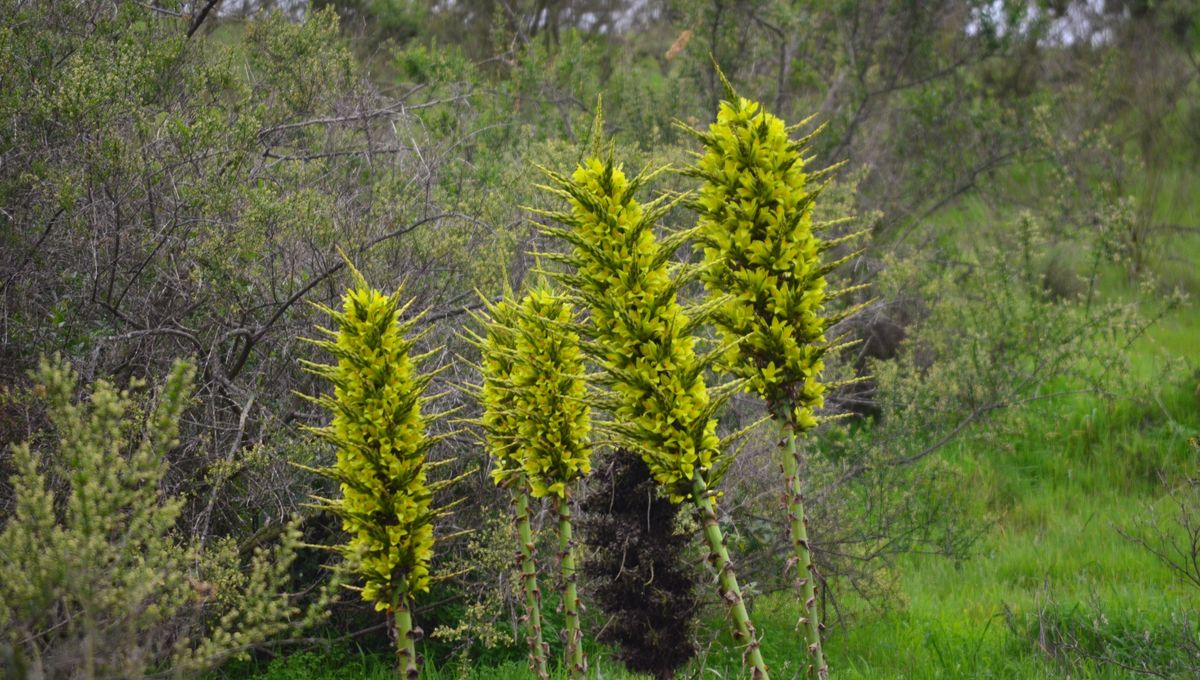
Puya chilensis, also known as the "sheep-eating" plant, is a formidable member of the bromeliad plant family native to central Chile, armed with sharp spines that can trap and ultimately decompose passing animals, releasing nutrients that its roots absorb. Similar accounts exist for another plant in the same genus, suggesting a unique nutrient acquisition strategy among bromeliads that may have contributed to the evolution of true carnivorous plants.

science2 years ago

"Scientist's Bizarre Experiment: Self-Cannibalism for Venus Flytrap"

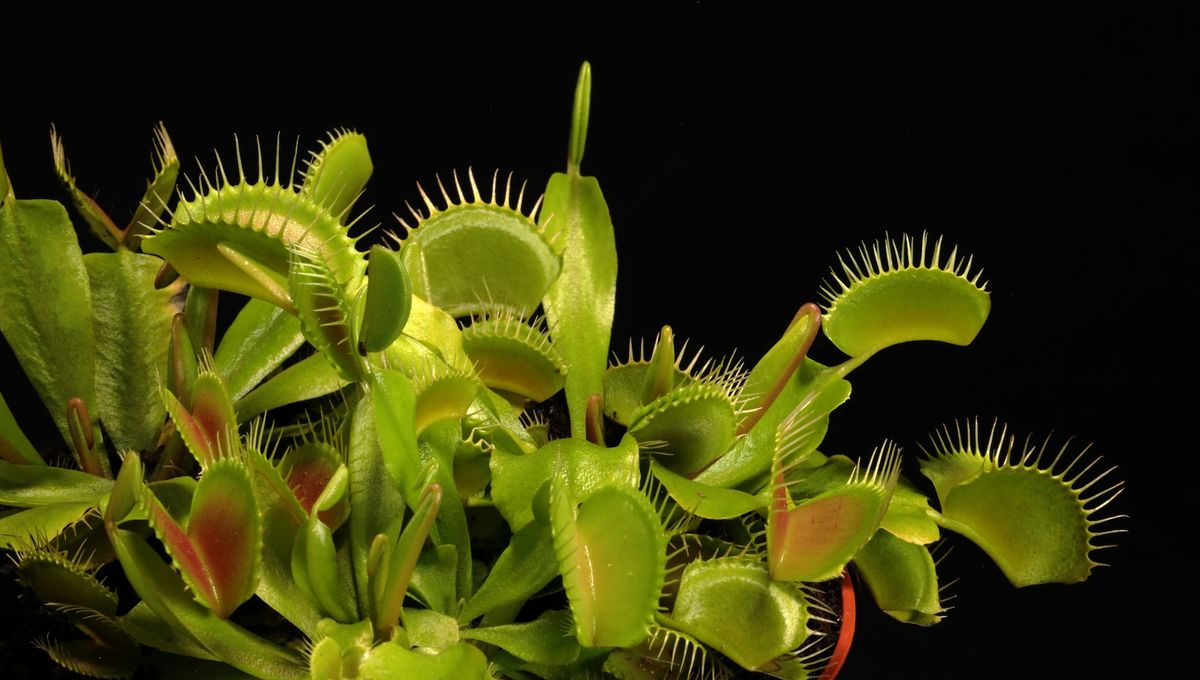
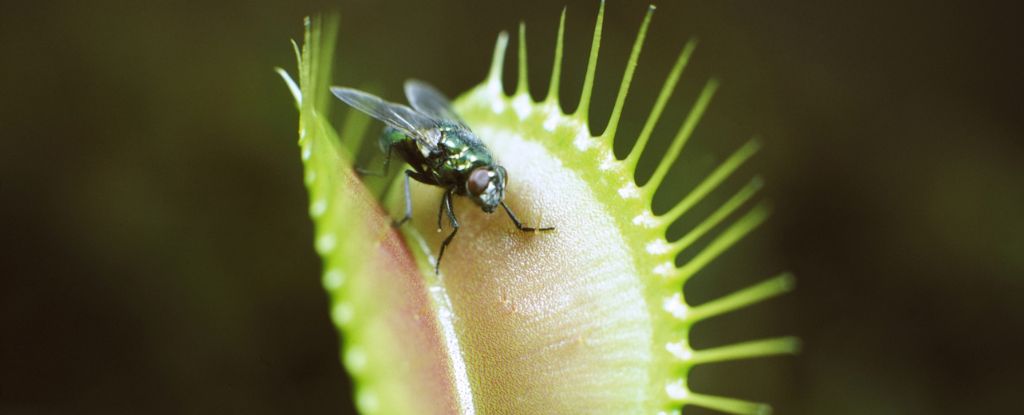
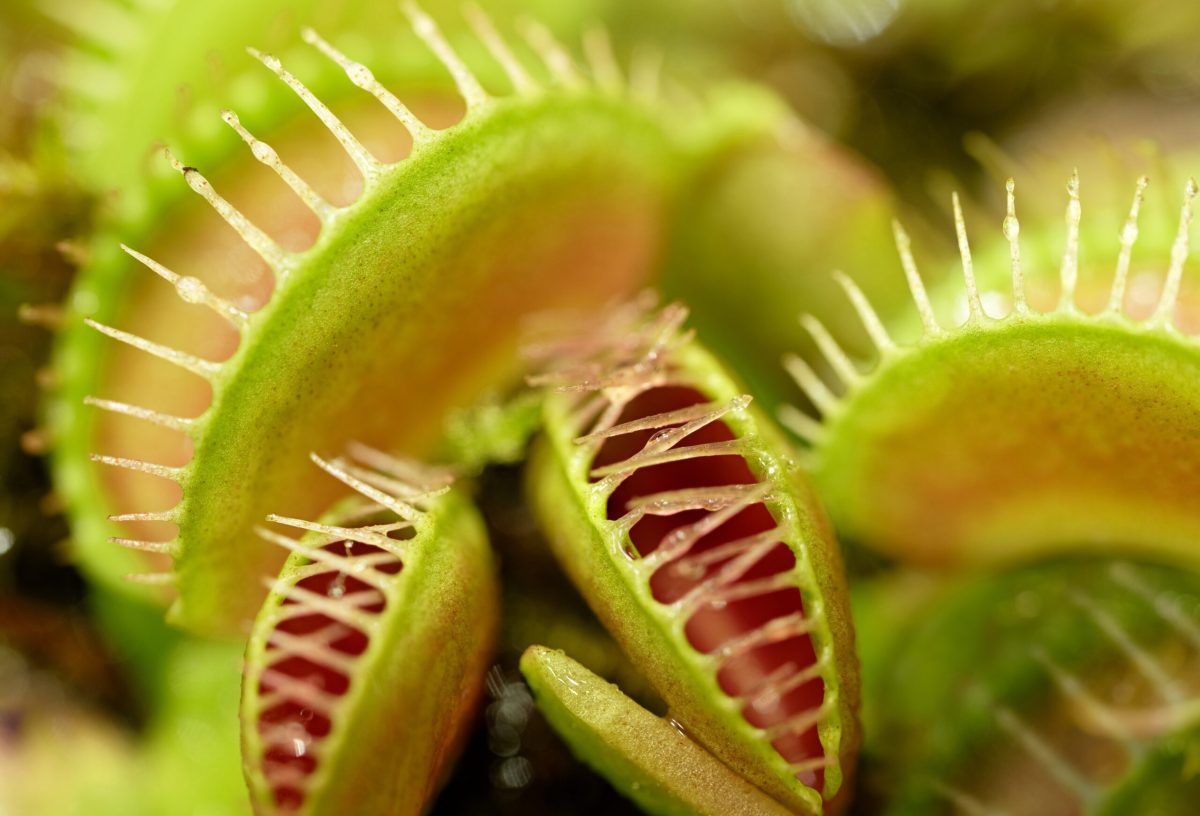
Barry Rice, an astronomy professor and botanist, conducted an experiment to determine if Venus flytraps can digest human flesh. Using chunks of his own skin affected by athlete's foot, Rice fed them to four different Venus flytraps. After a week, the traps opened, and to his surprise, the skin chunks were almost completely digested. The remaining residue was gooey and slimy, with a strange hue shift to bacon color.

science2 years ago

Carnivorous Plant Devours Human Tissue

A biologist conducted an experiment by feeding pieces of his own skin to Venus flytrap plants, which surprisingly digested most of the skin. However, the small size of Venus flytraps and their inability to consume anything larger than a fly make them unlikely to pose a threat to humans. While the experiment is intriguing, it does not prove that these plants could consume harder tissues like bones and cartilage. So, for now, the idea of flesh-eating plants remains in the realm of science fiction.

science2 years ago

Carnivorous Plant's Potential to Consume Humans Raises Concerns

A carnivorous plant enthusiast conducted an experiment to determine if Venus flytraps could digest human flesh. He fed his plants pieces of skin from his toes and found that the chunks were almost completely digested. However, the experiment only tested skin and did not provide insight into breaking down tougher tissues like bone. While some carnivorous plants can consume vertebrates like frogs and rats, no species could contain a whole human corpse. Carnivorous plants evolved to survive in nutrient-lacking environments and rely on animals for vital nutrients, but consuming a human would be too time-consuming and costly.

science2 years ago

Geometry's Deadly Influence: How Carnivorous Pitcher Plants Capture Prey

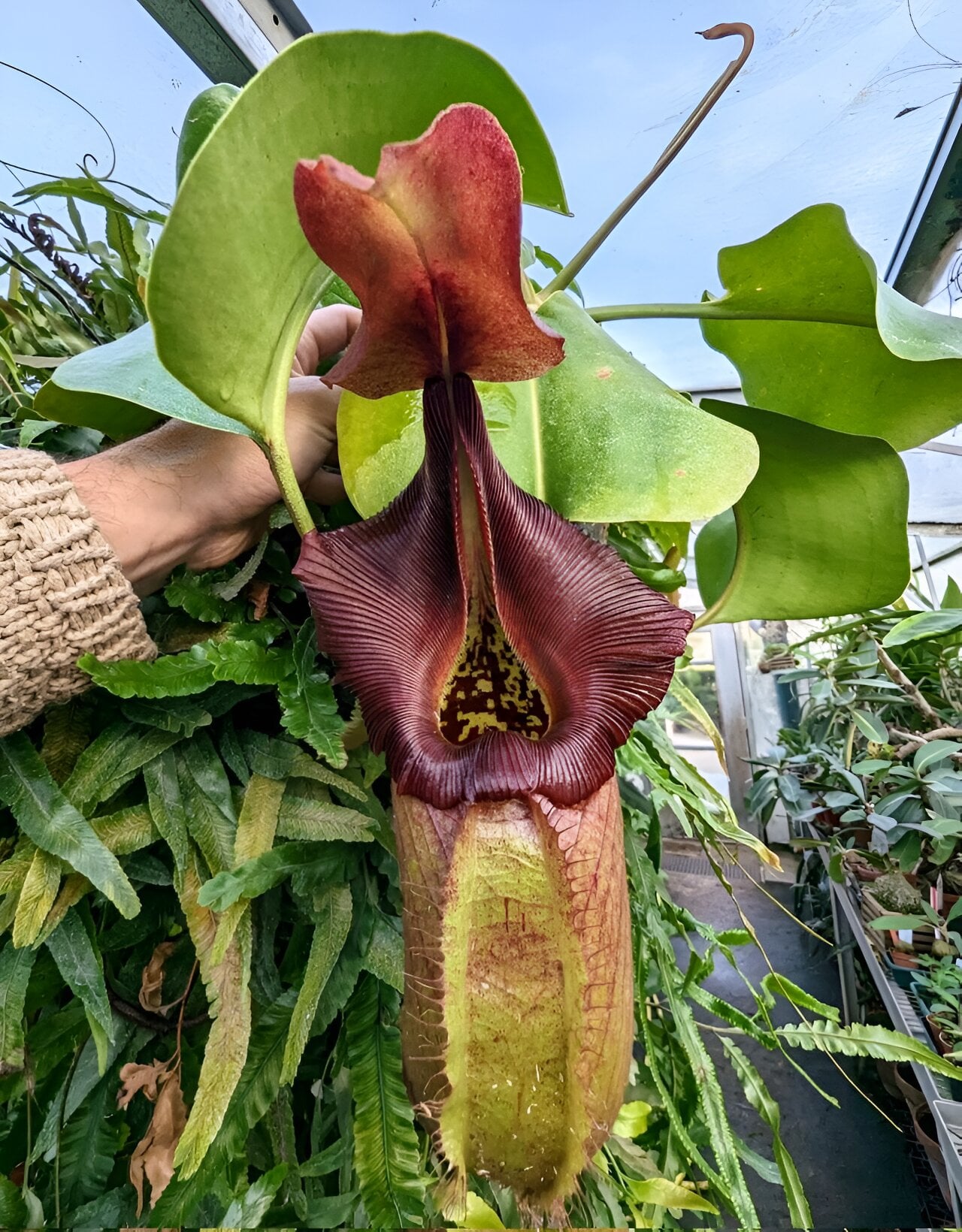
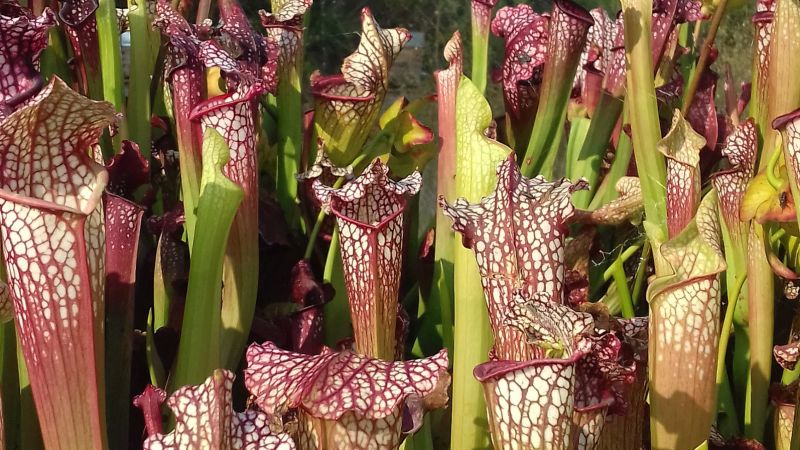
Researchers at the University of Oxford have discovered that the shape, size, and geometry of carnivorous pitcher plants determine the type of prey they trap. By applying mathematical models to pitcher plants grown at the Botanic Garden, the team found that variations in the shape of the rim, called the peristome, have a profound effect on the plant's ability to capture prey. The study suggests that different peristome geometries are suited to capturing different types of insects, allowing pitcher plants to adapt to the various forms of prey available in their environments. Mathematical modeling provides valuable insights into the evolution and behavior of these fascinating plants, especially in remote and challenging natural habitats.

science2 years ago

Unraveling the Evolutionary Mystery of Carnivorous Plants' Flesh-Eating Appetite

Carnivorous plants have evolved various mechanisms to attract, catch, retain, and digest animal prey, but the exact process of how they acquired their carnivorous traits remains a mystery. Recent genetic research suggests that unrelated plants repurpose similar herbivore genes to adapt to a predatory lifestyle. Carnivorous plants tend to grow in nutrient-poor areas and rely on insects for essential nutrients. They have co-opted part of a universal plant defense system to recruit enzymes for breaking down prey. However, the reasons for the evolution of so many carnivorous plants worldwide and the trade-offs involved in botanical carnivory are still not fully understood. Additionally, a quarter of known carnivorous plant species are at risk of extinction, highlighting the urgency for further research.

science2 years ago

The Scented Strategy of Carnivorous Plants for Catching Prey

A recent study published in the journal PLOS One suggests that pitcher plants tailor the smells they produce to attract specific kinds of insects. Researchers identified odor molecules emanating from four types of pitcher plants and found that the scents seemed to be correlated with the kinds of insects that wound up in the pitchers. The findings suggest that when insects meet their deaths at the bottom of a pitcher, it may be an aroma they’re following.

science2 years ago

Carnivorous plants use scents to attract insects.

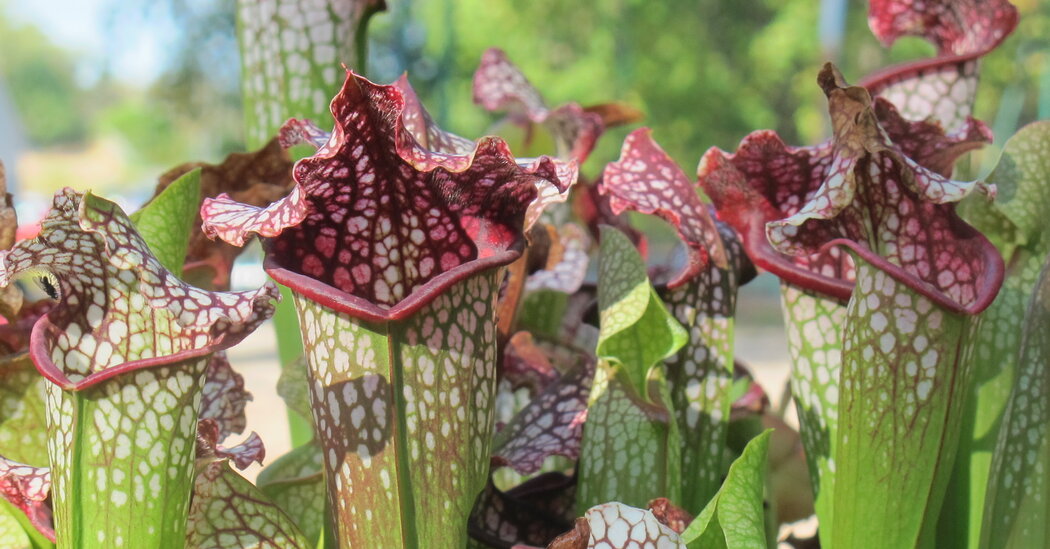
A new study published in the journal PLOS ONE suggests that different species of Sarracenia pitcher plants, which eat different kinds of insects, may attract their prey with different scents. The study found that the different pitcher plant species each produced their own unique bouquet of volatile organic compounds (VOCs), which are responsible for the plants' odors. The species that produced more floral scents trapped more bees, moths, and other flying insects, while pitchers that produced more fatty acids caught more ants. The study provides compelling evidence that pitcher plants' scents, along with their physical structures, influence the insects they're able to catch.