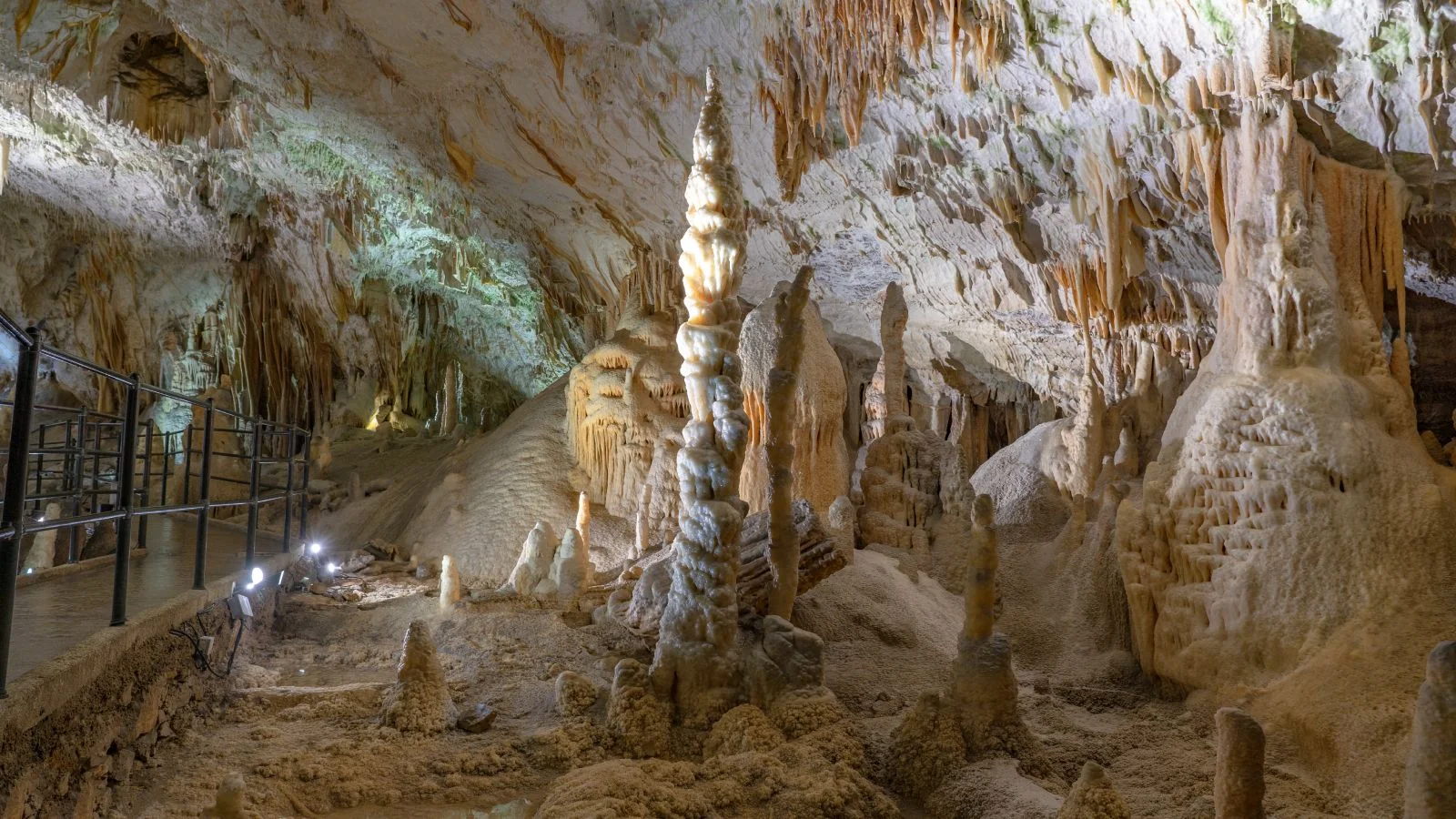
Scientists have discovered that stalagmites follow a single mathematical rule based on water drip rate and calcite deposition, which can help improve understanding of past climate conditions by analyzing their layered structures.
A study suggests that seven senses, rather than five, may optimize memory capacity based on a mathematical model of memory engrams, with potential implications for AI, robotics, and understanding human cognition.
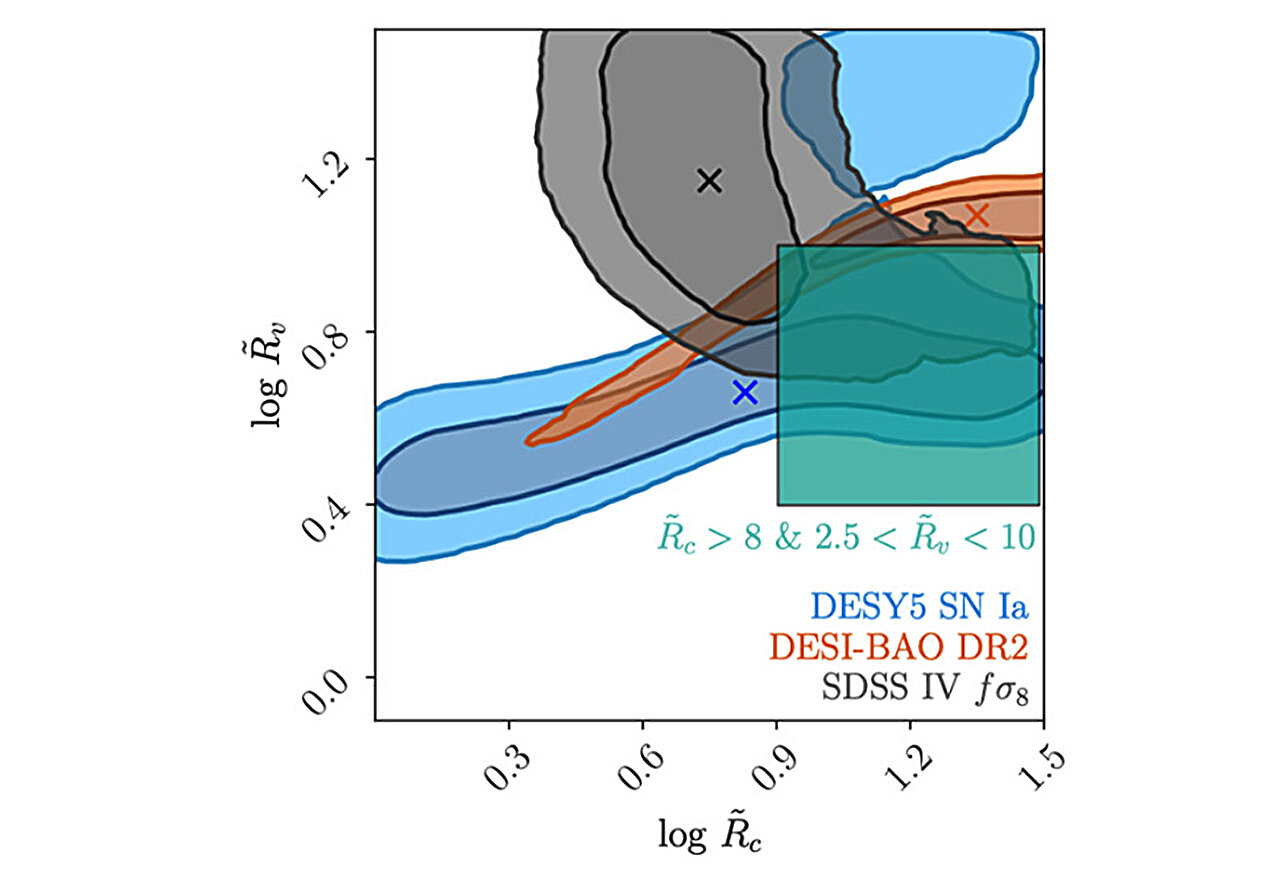
A University of Queensland researcher developed a new mathematical model that incorporates collapsing matter regions and expanding voids, offering insights into the universe's evolution and addressing key issues like Hubble tension and dark energy variability, using data from DESI.
A statistical model based on historical data, precursor awards, critic predictions, and betting markets forecasts the winners of the 78th Tony Awards, highlighting favorites like 'Maybe Happy Ending' and 'Oh, Mary!', with predictions spanning categories from best play to technical awards, and noting the potential for a South Korean show to win best musical.
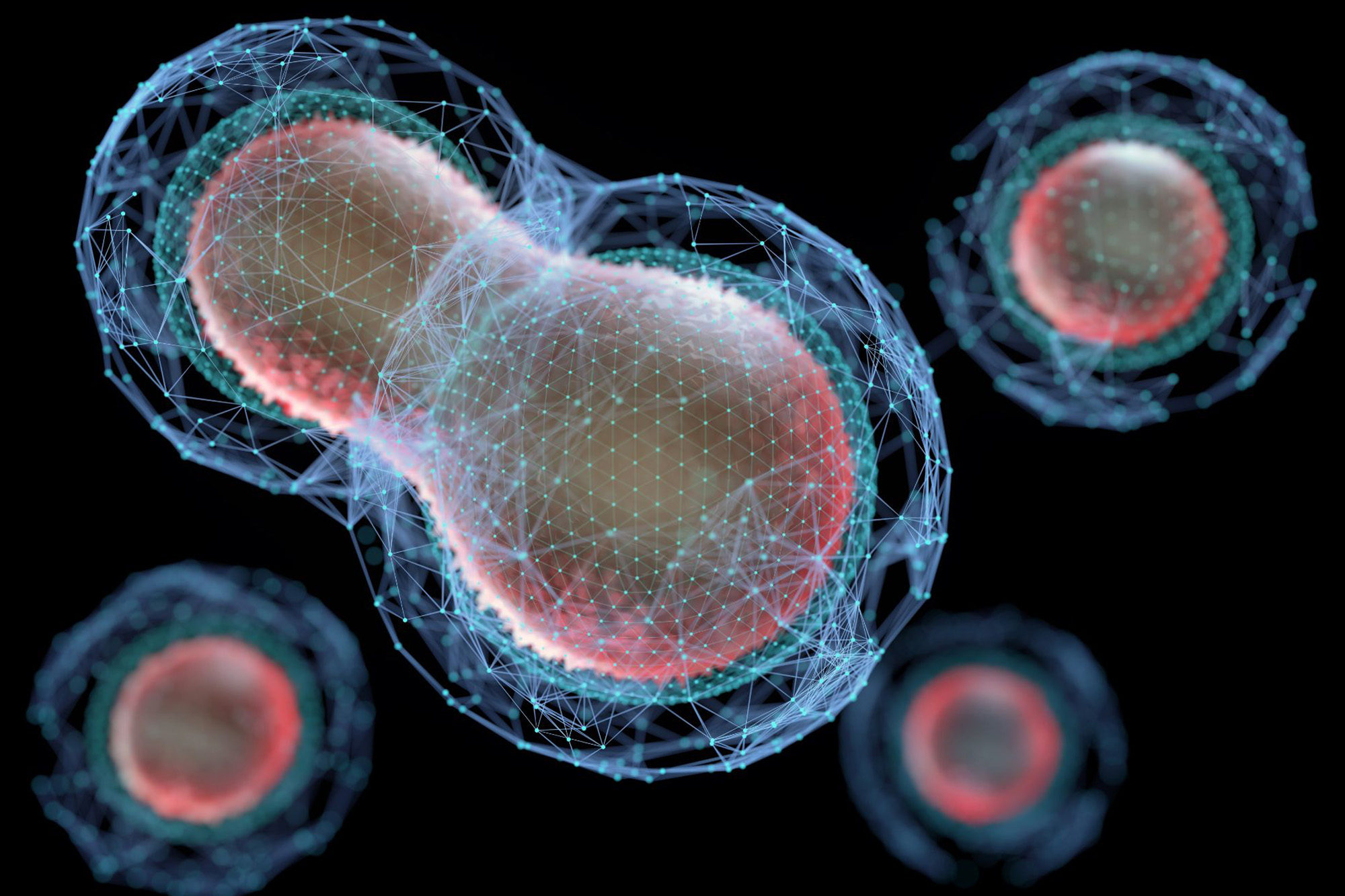
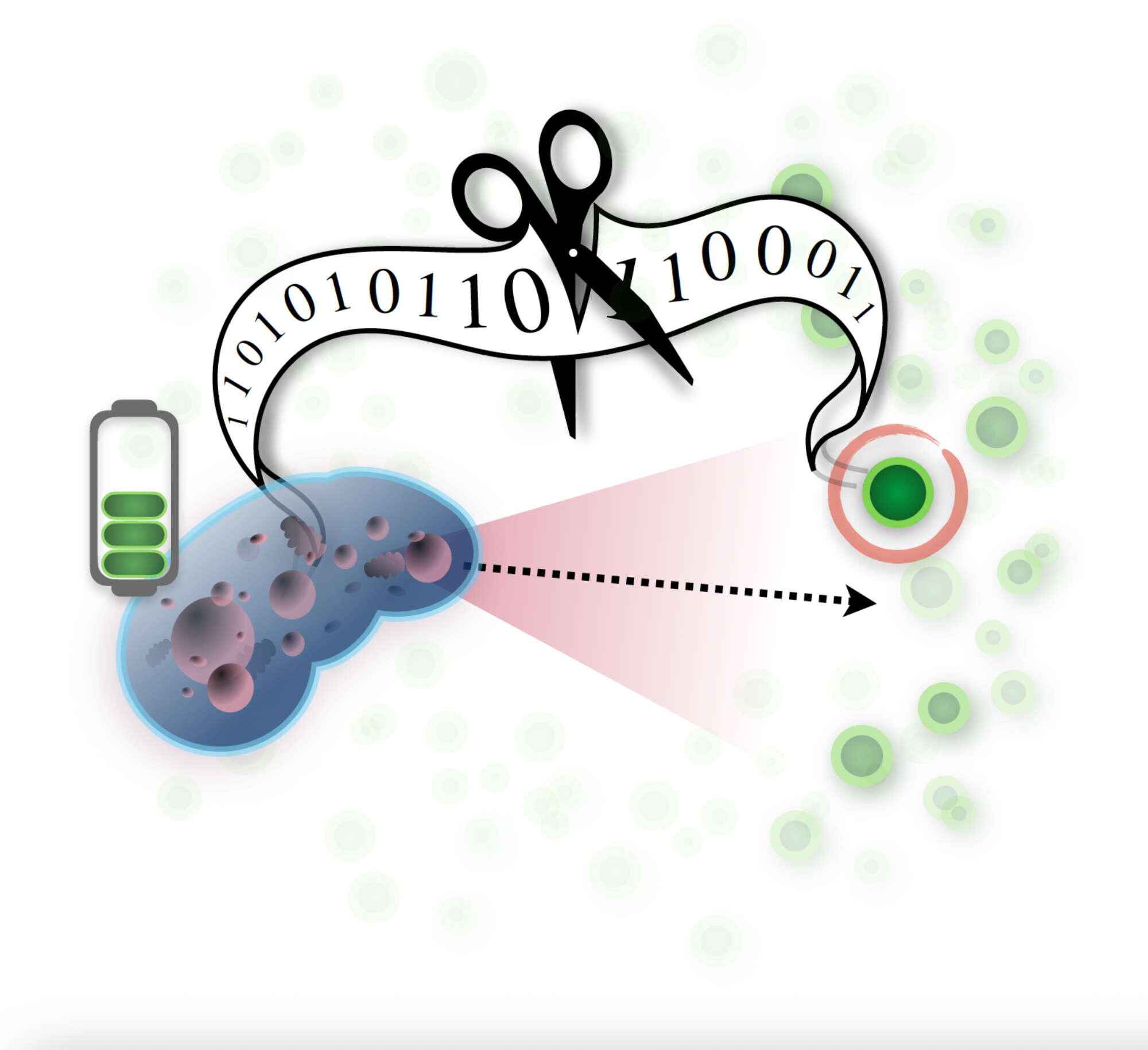
Researchers at the University of Tokyo have developed a mathematical framework to redefine cellular death, focusing on whether cells can return to a 'living' state. This new model, based on enzymatic reactions and the second law of thermodynamics, aims to quantify the life-death boundary, potentially allowing scientists to better understand and control cellular death. The research could have significant implications for biological and medical studies, challenging the notion that death is irreversible.
A mathematical model predicts "Oppenheimer" has a 78 percent chance to win Best Picture at the Oscars, with Christopher Nolan likely to win Best Director. Cillian Murphy and Lily Gladstone are favored for Best Actor and Best Actress, while Robert Downey Jr. and Da’Vine Joy Randolph are predicted to win the supporting categories. The model also suggests potential winners for various other Oscar categories, including Best Original Score and Best Original Song.
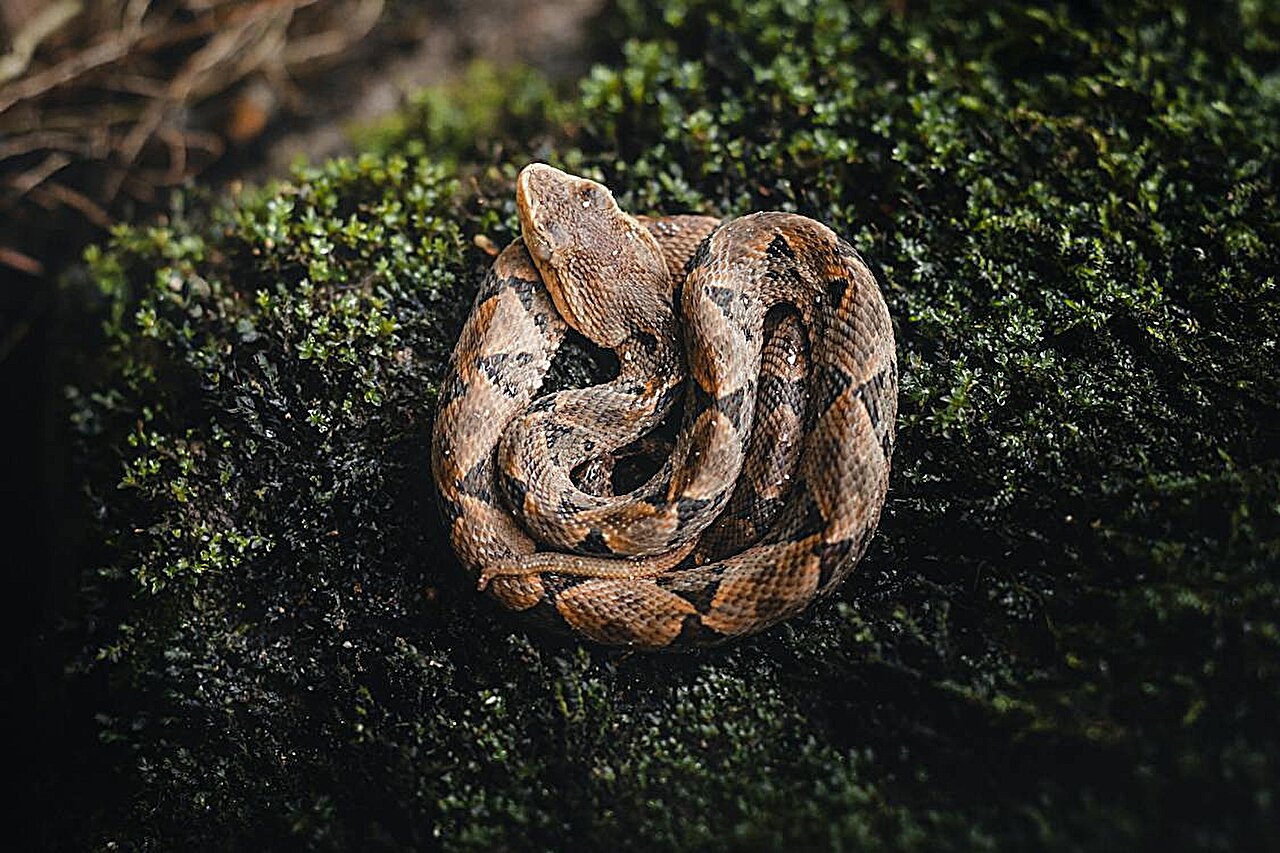
Yale physicists have developed a mathematical model to explain how pit vipers are able to hunt for prey in the dark by detecting tiny temperature changes with their infrared sensors. The model suggests that the snakes' ability to amplify small signals and transmit them to their brain with high fidelity, along with a feedback mechanism to maintain thermal sensitivity, allows them to locate prey in varying environments. The study may have broader applications for understanding sensory systems in other species.
A mathematical model developed by a University of Utah professor suggests that it may be possible to indefinitely delay the onset of menopause by implanting a woman’s previously harvested ovarian tissue back into her body. The model predicts that under certain circumstances, menopause could be delayed by 40 years or more, potentially extending a woman's fertile lifespan and offering health benefits such as preventing cardiovascular disease, reducing bone density depletion, and curbing obesity. The study, published in the American Journal of Obstetrics & Gynecology, indicates that harvesting ovarian tissue at earlier adult ages and using better transplant techniques could result in significant menopause postponement.
Researchers have applied the theory of semantic information to a model of foraging agents in biology and ecology, revealing a semantic threshold where information becomes crucial for survival. By quantifying the correlations between an agent and its environment, the study highlights the role of information in maintaining the agent's existence. The findings have implications for understanding how living systems interact with their surroundings and may offer insights across disciplines. The research represents a promising step towards unraveling the mystery of how lifeless matter evolves into purposeful entities that interact meaningfully with their environment.
A mathematical model developed by engineer Georg Vrba and RecessionAlert.com CEO Dwaine van Vuuren suggests that if the US unemployment rate rises to 4.0% or higher in September, there is a 73% probability of a recession occurring in October. The model, which accurately predicted the 2020 recession, takes into account economic data and recessions dating back to 1948. Meanwhile, experts are divided on the likelihood of an upcoming recession, with some pointing to recent economic growth and a resilient labor market as indicators that a recession may be avoided. The Federal Reserve's ongoing interest rate hikes and inflation concerns could also impact the likelihood of a recession.
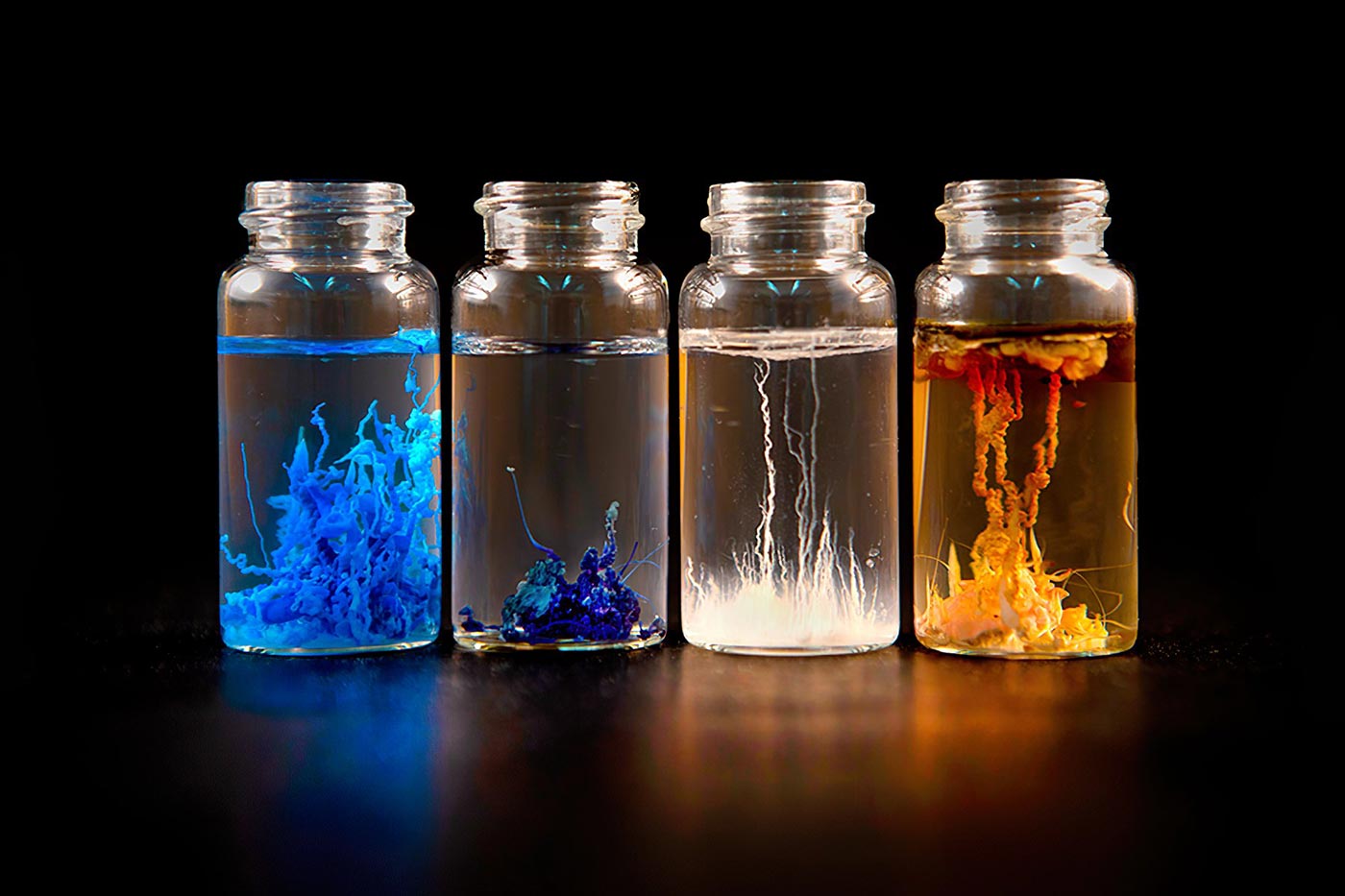
Scientists at Florida State University have developed a mathematical model that explains the growth, pattern formation, and self-healing properties of chemical gardens. These structures, formed by mixing metal salts in a silicate solution, have fascinated chemists since the 1600s. The model helps understand how chemical gardens grow, form different shapes, and transition from flexible to brittle materials. It could pave the way for the development of self-repairing materials with the ability to reconfigure and heal themselves. The research sheds light on the universal principles governing the formation of chemical gardens and validates their self-healing capabilities.
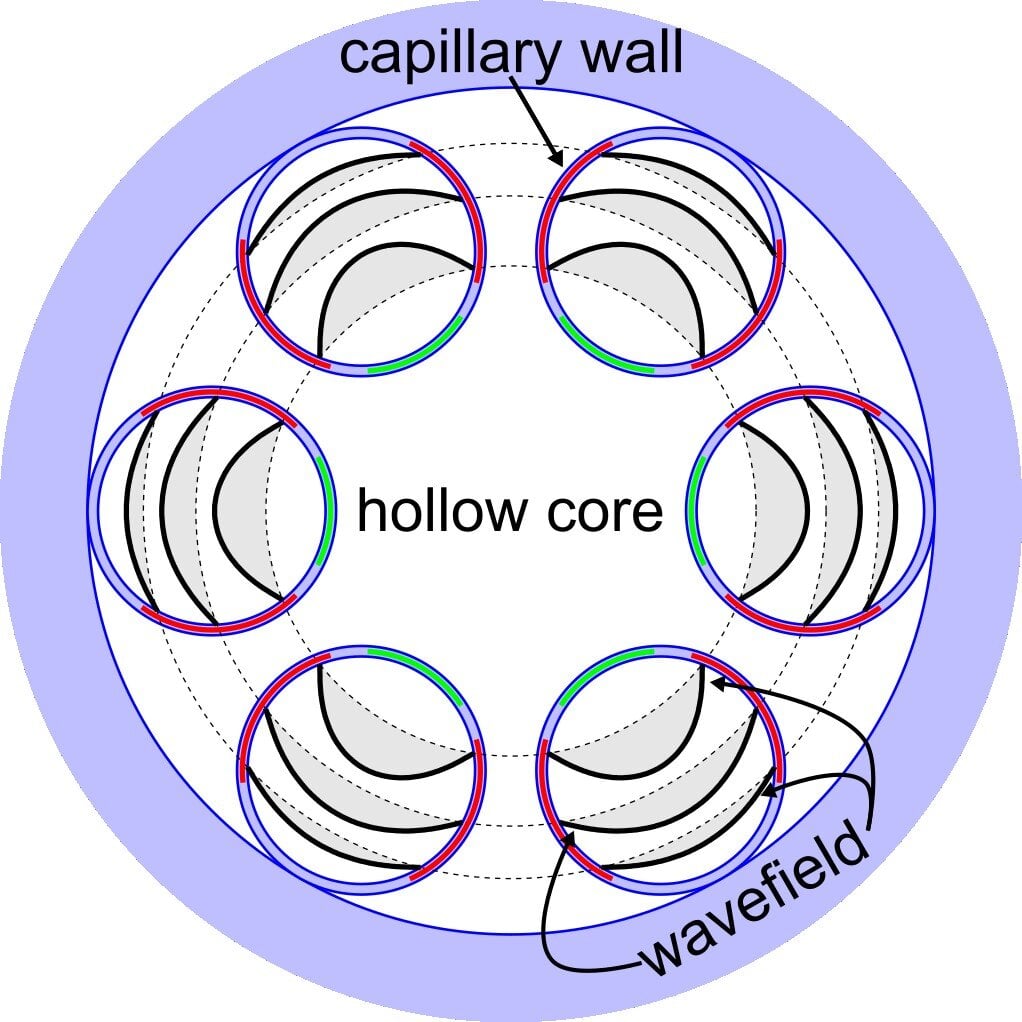
Scientists at the University of Bath have developed a mathematical model to explain how antiresonant hollow-core fibers guide light with ultra-low data loss. The researchers' analysis provides a clear explanation for the phenomenon observed in practice, where a hollow-centered optical fiber incorporating glass filaments causes minimal light loss. This breakthrough could lead to the development of new designs for hollow-core fibers that maintain ultra-low data loss, improving the efficiency of optical communication and other applications such as imaging and sensing.
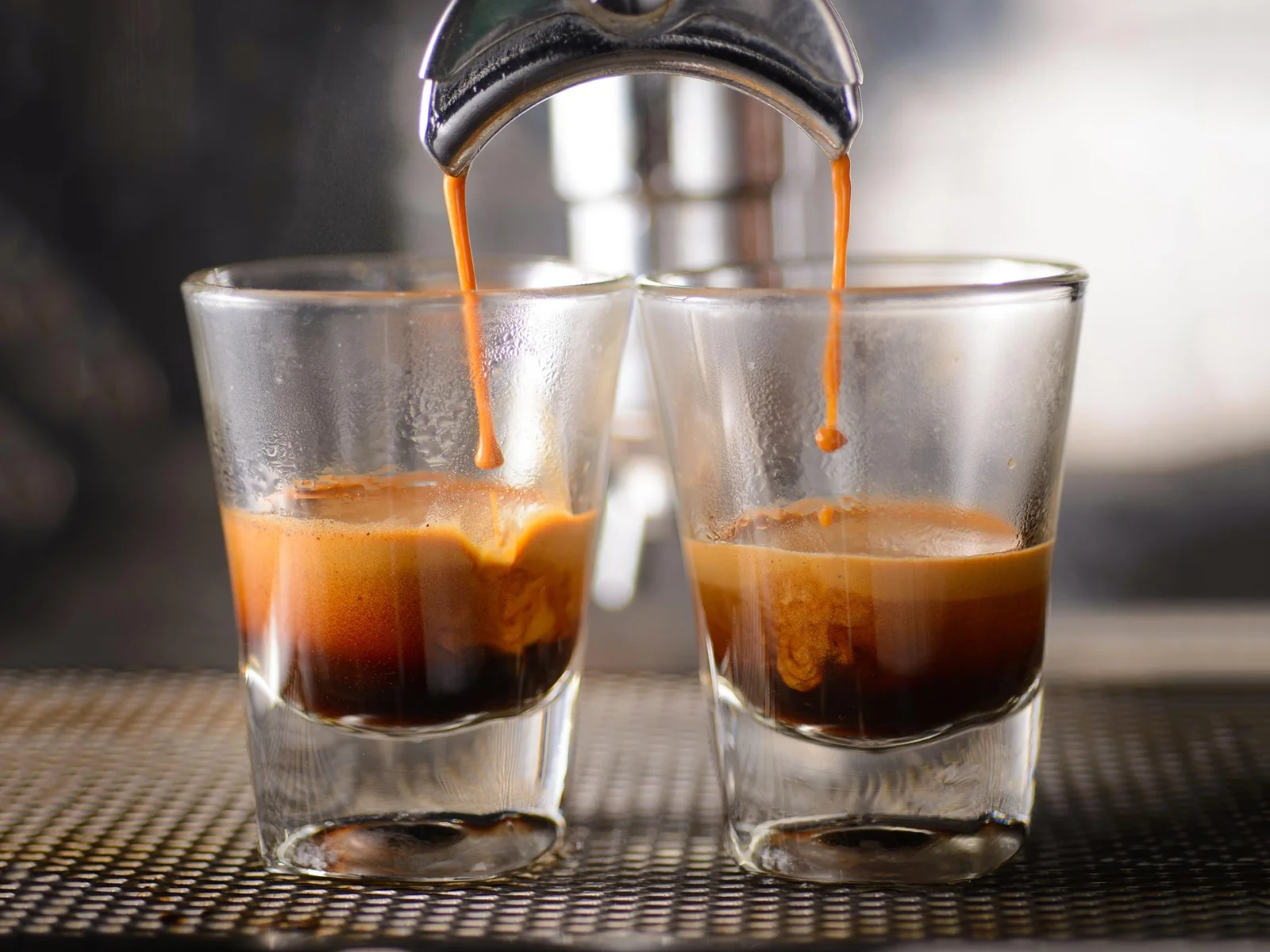
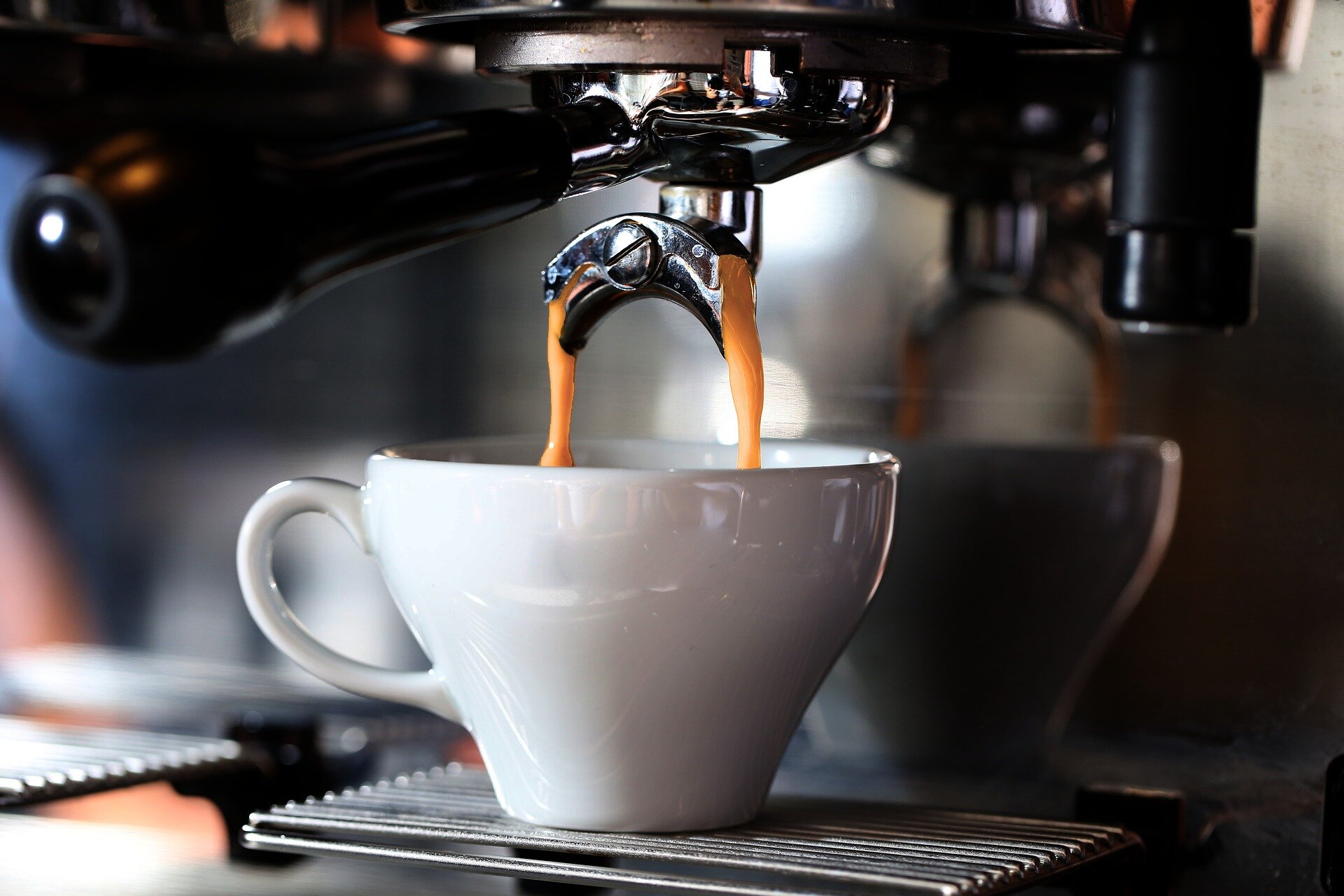
Scientists from the University of Huddersfield have used a mathematical model to understand the origin of uneven extraction in espresso brewing, which leads to weaker coffee when using finely ground beans. The researchers found that uneven extraction persists across different parts of the coffee bed, impacting the taste of the coffee. By understanding and preventing uneven extraction, it may be possible to improve coffee brewing and achieve financial savings through more efficient coffee usage.
Researchers from the University of Huddersfield have used a mathematical model to explore the role of uneven coffee extraction in producing weaker espresso. They found that more finely ground coffee beans brew a weaker espresso due to uneven extraction, which becomes more pronounced when coffee is ground more finely. The researchers split the coffee into two regions to examine whether uneven flow makes weaker espresso. They found that the taste of the coffee depends on the level of extraction, and understanding the origin of uneven extraction could enable better brews and substantial financial savings by using coffee more efficiently.
Physicists from Japan and Australia have developed a mathematical model for the perfect swinging technique on a playground swing. The model identifies how riders adapt how they 'pump' the swing as the swinging distance increases. The researchers combined and expanded upon the key aspects of two models that have been proposed to capture how the upper body moves to pump a swing. The new model also accounted for subtle changes in positioning and movement depending on the goal of the rider. Motion capture data revealed that study participants were indeed pumping the swing as predicted by the new and improved mathematical model.