Despite a recent rally in the U.S. stock and bond markets, market skeptics are warning that the "soft landing" scenario for the economy is still at risk due to slowing consumer spending, job growth, and corporate earnings. While Wall Street remains optimistic about future gains, concerns persist about the overall health of the U.S. economy.
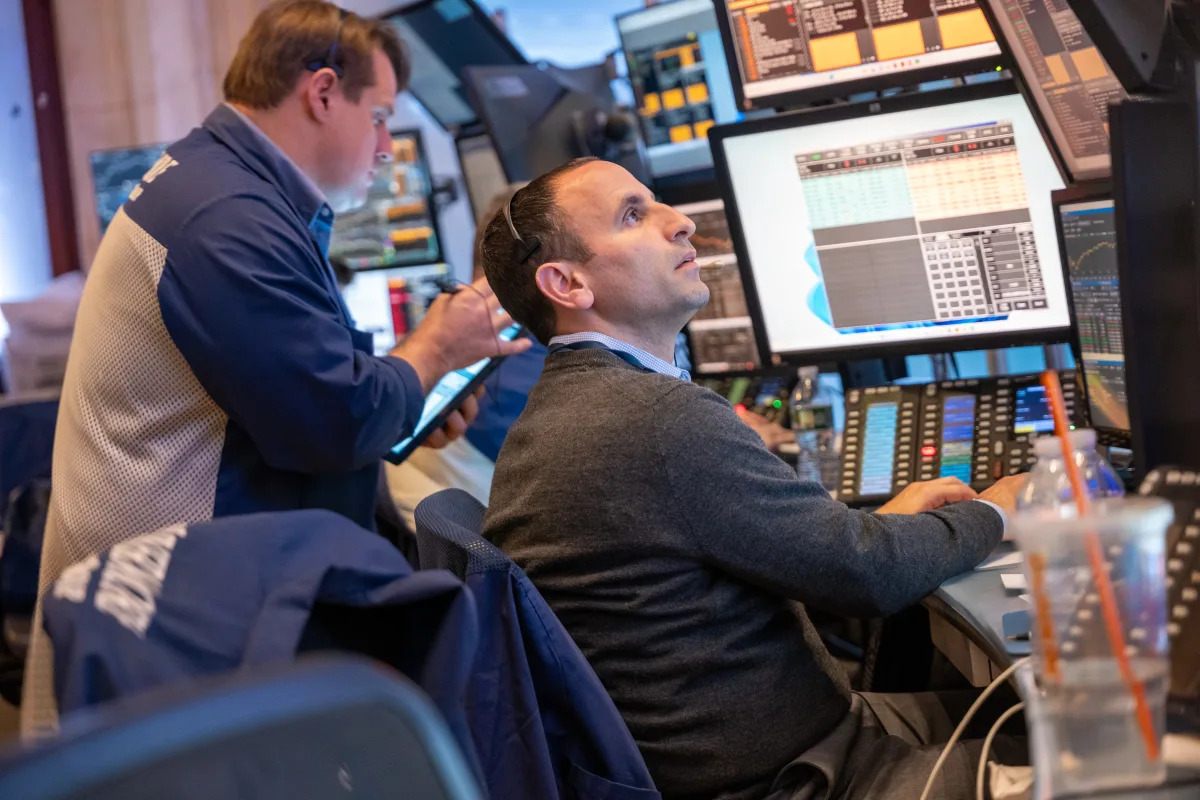
US stock futures stumbled on Monday, but are still on track to record their best month in over a year, buoyed by optimism for an end to US interest rate hikes. The Dow Jones Industrial Average, S&P 500, and Nasdaq 100 futures were all down around 0.1% after a fourth consecutive weekly win. The VIX, Wall Street's "fear gauge," closed at its lowest level since January 2020. However, the rally may face a test with the release of a fresh reading on PCE inflation, the Federal Reserve's preferred gauge of consumer price pressures. Investors are also monitoring Cyber Monday updates to gauge consumer spending during the holiday season. Oil prices slid as traders anticipated more output cuts at the delayed OPEC+ meeting.
Robert Holzmann, governor of Austria's central bank, stated that the European Central Bank (ECB) could potentially implement one or two more interest rate increases if there are additional shocks to the economy. While the ECB recently hiked interest rates to a record level, signaling a potential end to the cycle, Holzmann emphasized that if unforeseen shocks occur or if the current information proves incorrect, further rate hikes may be necessary. The ECB's decision to raise rates has been aimed at combating inflation, and the central bank has indicated that the current interest rates will contribute to a timely return of inflation to its target level.
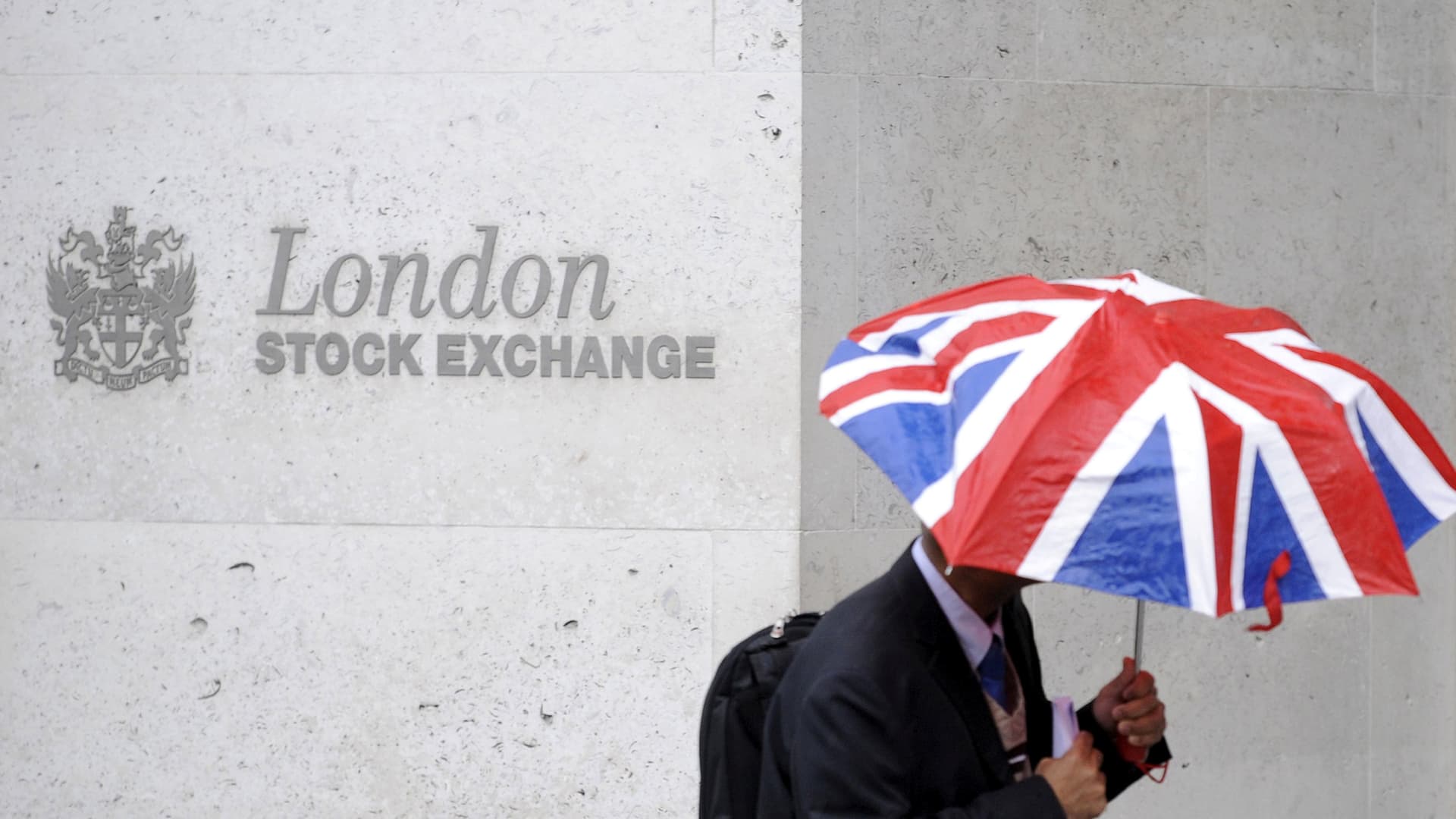
Bank of England Deputy Governor Sam Woods has stated that impairments are increasing among UK lenders due to rising inflation and subsequent interest rate hikes. Despite the resilience of the economy, regulators are closely monitoring potential stresses in the banking sector. The Prudential Regulation Authority estimates that just over 1% of mortgages are in arrears, a relatively low figure compared to previous years.
A mathematical model developed by engineer Georg Vrba and RecessionAlert.com CEO Dwaine van Vuuren suggests that if the US unemployment rate rises to 4.0% or higher in September, there is a 73% probability of a recession occurring in October. The model, which accurately predicted the 2020 recession, takes into account economic data and recessions dating back to 1948. Meanwhile, experts are divided on the likelihood of an upcoming recession, with some pointing to recent economic growth and a resilient labor market as indicators that a recession may be avoided. The Federal Reserve's ongoing interest rate hikes and inflation concerns could also impact the likelihood of a recession.
J.P.Morgan Asset Management predicts that there will be no further interest rate hikes from the U.S. Federal Reserve in this cycle, as inflation data continues to show a downward trend. The bank expects that the impact of rising oil prices on consumer prices will be limited, and that year-over-year headline consumption deflator inflation will be below the Fed's 2% target by the fourth quarter of 2024.
The U.S. dollar is defying expectations and gaining strength against major currencies, reaching its highest level in six months. Despite efforts by China and Russia to promote de-dollarization, data from SWIFT shows that the dollar remains popular for international trade and transactions. The dollar's resilience has disappointed those who predicted its weakening, and with rising real yields and strong economic growth in the U.S., it is expected to continue climbing. Factors such as interest-rate differentials and relative economic strength contribute to the dollar's strength.
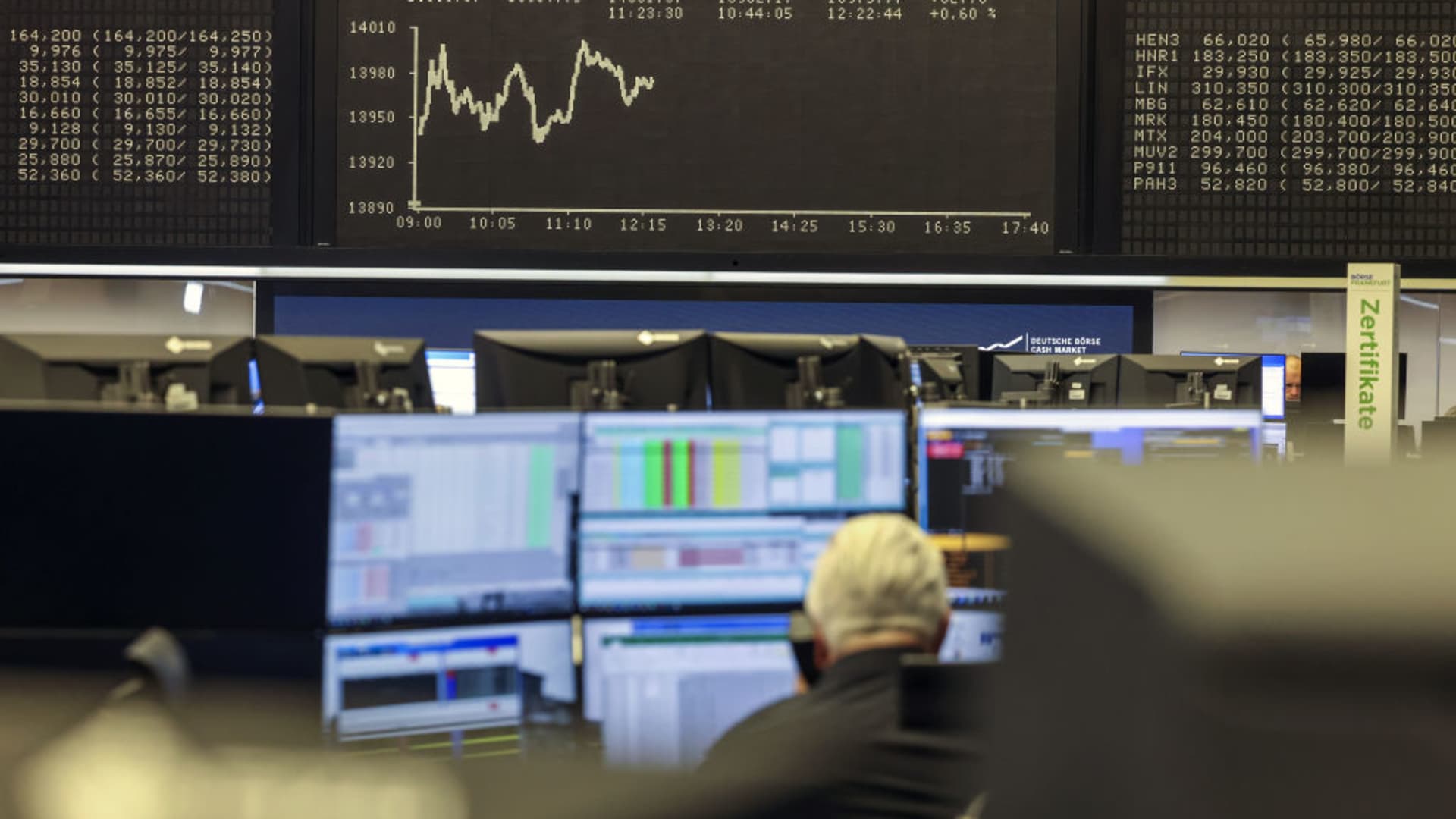
European markets fell further as caution persisted in global stocks, with the pan-European Stoxx 600 index down 1.2% by mid-afternoon. Mining stocks led the losses, and almost all sectors and major bourses slid into the red. Concerns about China's real estate sector and the U.S. Federal Reserve's indication of potential interest rate hikes contributed to the negative sentiment. Additionally, Danish hearing aid manufacturer GN Store Nord and Danish pharmaceutical company ALK-Abelló both experienced significant losses. Meanwhile, UK retail sales declined due to poor weather, and China's embattled property giant Evergrande filed for bankruptcy protection in a U.S. court.
U.S. stock futures weakened as concerns about future interest rate increases and China's economic recovery weighed on investor sentiment. The Dow Jones Industrial Average is on track for its worst week since March. The upcoming Jackson Hole symposium is eagerly awaited for hints about the Federal Reserve's thinking on interest rates. Quarterly earnings reports from companies like Deere & Company, Estee Lauder, and Palo Alto Networks are being closely watched. Oil prices are set to end a seven-week winning streak due to concerns about slowing growth in China and potential higher interest rates.
European markets were slightly lower after the U.S. Federal Reserve's July meeting minutes indicated that further interest rate hikes could be necessary. The pan-European Stoxx 600 index was down 0.2%, with industrials falling 1.7% and mining stocks adding 0.8%. Corporate earnings continued to drive individual share price movements. Meanwhile, Asian markets also extended losses, and Japan experienced its first monthly decline in exports in over two years.
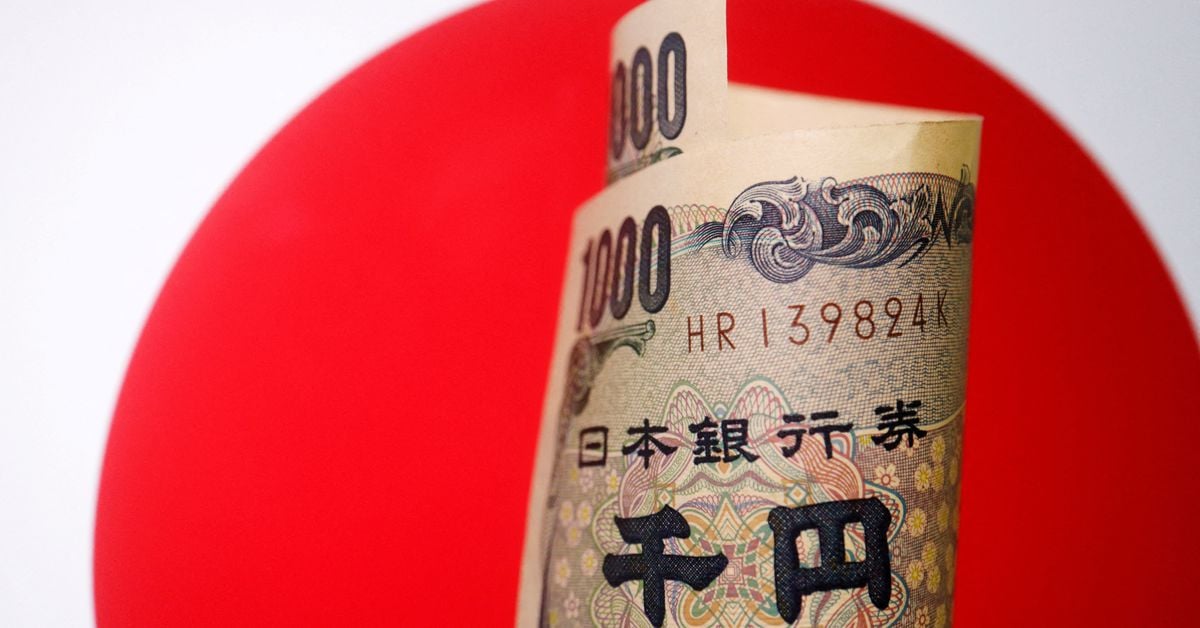
Global shares took a breather as investors assessed the Bank of Japan's (BOJ) decision to make its yield curve control policy more flexible, signaling a potential shift away from ultra-loose monetary policy. The yen and Japanese bond yields rose, while Chinese stocks rallied on hopes of further stimulus. Oil was on track for a fifth consecutive week of gains, supported by stronger-than-expected U.S. economic growth. In Europe, the STOXX index dipped after hitting a 17-month high, and the European Central Bank raised interest rates to their highest level in over two decades. The U.S. Commerce Department is set to release its Personal Consumption Expenditures (PCE) report, and the BOJ's policy shift could have significant implications for global money flows.
Kevin O'Leary, entrepreneur and television personality, warns of a "crisis emerging" in the United States due to the rapid speed of interest rate hikes. Small businesses, in particular, are feeling the impact as the cost of capital has skyrocketed. O'Leary highlights that small businesses represent 60% of the US economy and are struggling to finance their operations. If interest rates continue to rise, companies with weaker credit ratings could be most affected, potentially leading to bankruptcies. O'Leary suggests that small businesses should explore government tax credits and support programs to survive.
Stock futures were little changed as investors awaited inflation reports that could impact the Federal Reserve's decision on interest-rate hikes. The NFIB survey showed increased optimism in US business confidence, but concerns about price pressures persist due to a tight labor market. Fed officials have indicated the need for more rate hikes. Additionally, investors are monitoring China's efforts to support its economy and Amazon's Prime Day promotion for insights into retail and consumer behavior.
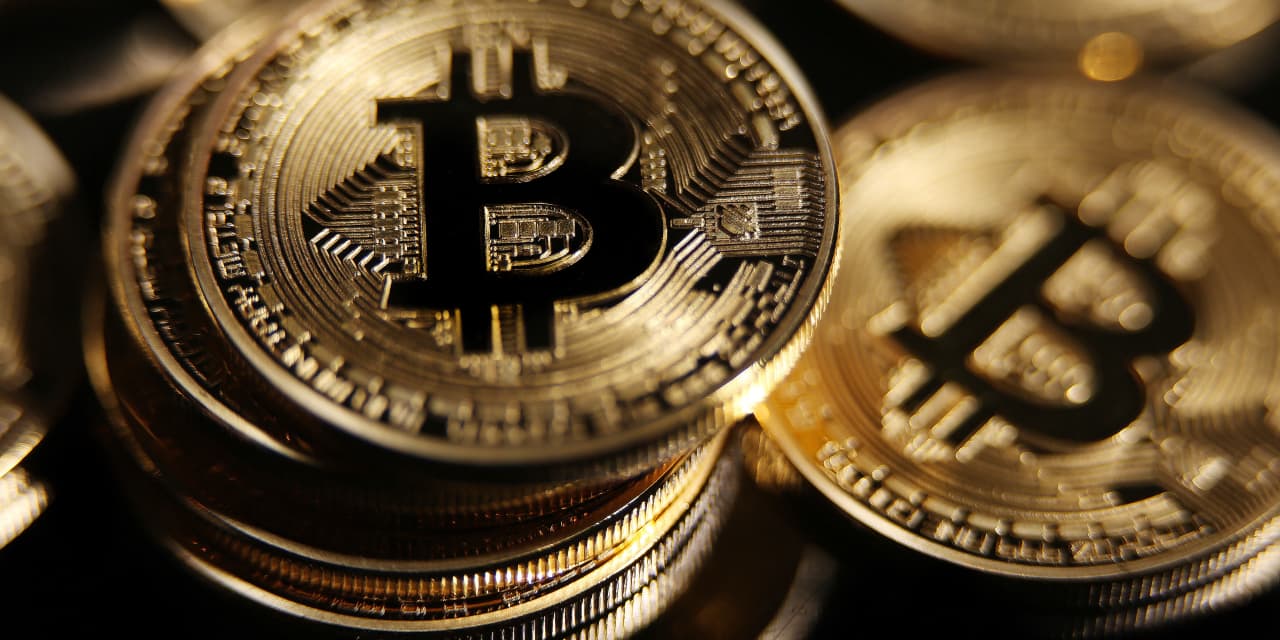
Bitcoin and other cryptocurrencies dropped in value as fears of higher interest rates from the Federal Reserve grew, despite a cool U.S. jobs report having little impact on the market.
Bitcoin and other cryptocurrencies dropped in value as fears of higher interest rates from the Federal Reserve grew, despite a lukewarm U.S. jobs report.