Tag

Material Properties

All articles tagged with #material properties

Ketchup's Flow: When Yield Stress Fluids Begin to Move

Originally Published 7 months ago — by Phys.org

Featured image for Ketchup's Flow: When Yield Stress Fluids Begin to Move
Source: Phys.org

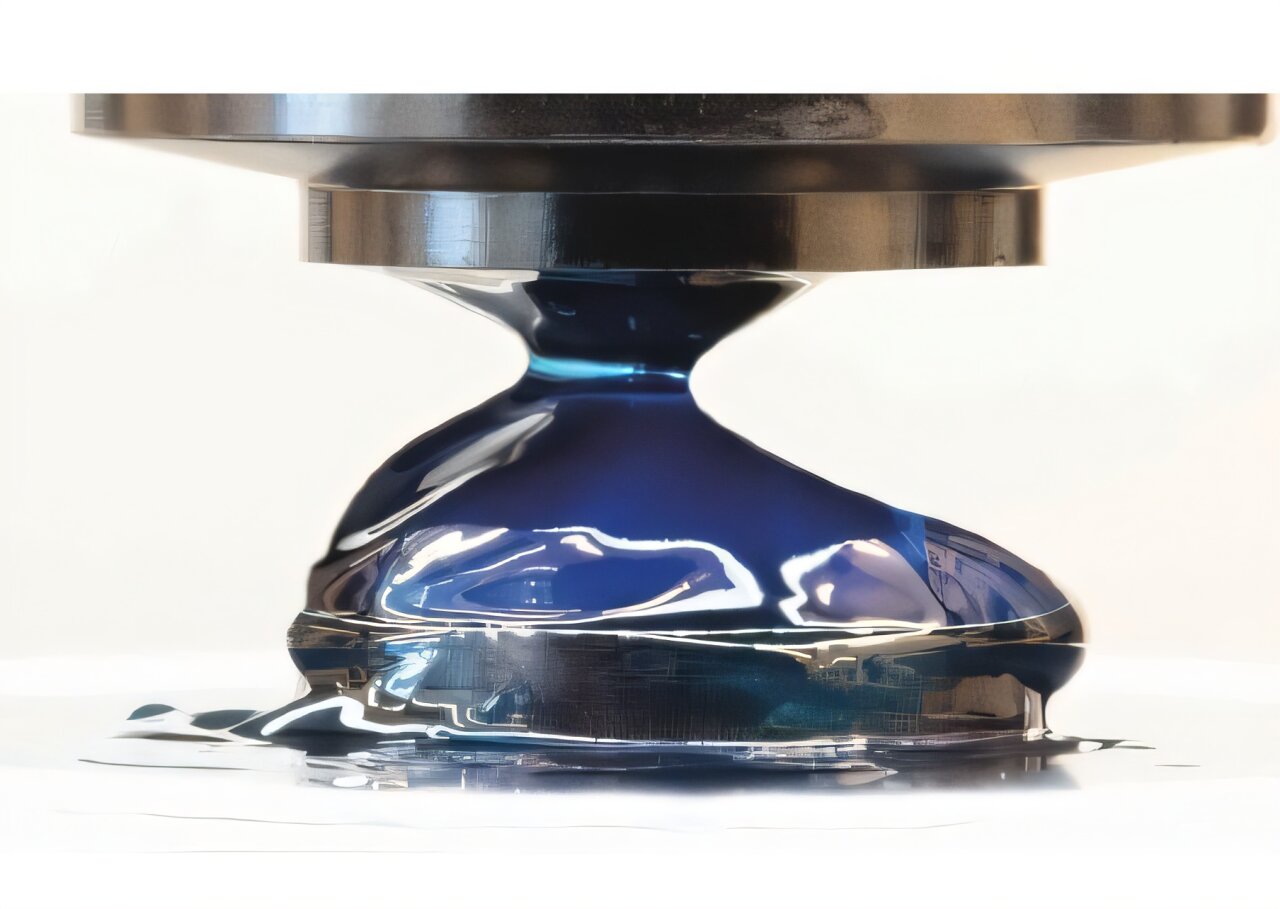
Scientists have discovered that the point at which yield stress fluids, like ketchup, start to flow can be predicted by analyzing their solid-phase properties alone, using the ratio called the loss tangent, which simplifies understanding and designing such materials across various applications.

"Surprising Discovery Unveiled in the Development of Polymer-Based Semiconductors"

Originally Published 2 years ago — by Phys.org

Featured image for "Surprising Discovery Unveiled in the Development of Polymer-Based Semiconductors"
Source: Phys.org

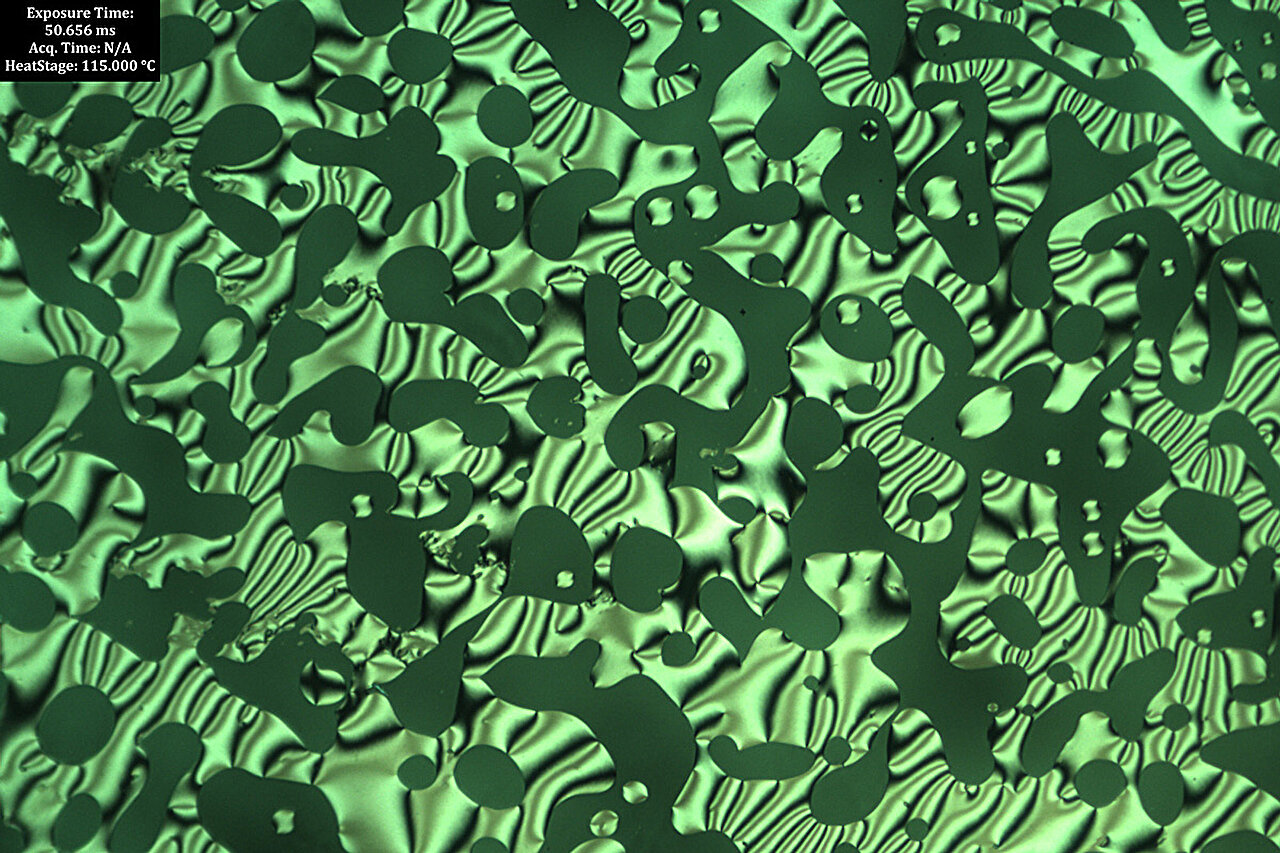
Researchers at the University of Illinois Urbana-Champaign have discovered unexpected results while studying the development of polymer-based semiconductors that can harness the power of chirality. Chirality, a non-superimposable mirror image, is a natural strategy used to build complexity in structures. The team investigated modifications to a non-chiral polymer and found that slight tweaks caused major changes in the material's phases. The findings highlight the need to consider complex mesophase structures to uncover unknown properties that can lead to advancements in optical, electronic, and mechanical properties. Potential applications include solar cells, quantum computing, and 3D imaging techniques.

Unraveling the Physics Behind Saltwater Taffy

Originally Published 2 years ago — by Ars Technica

Featured image for Unraveling the Physics Behind Saltwater Taffy
Source: Ars Technica

Researchers have investigated the rheology of saltwater taffy, a viscoelastic material with properties between a viscous liquid and an elastic solid. By comparing commercial taffy to lab-made sugar syrups and taffies, they identified the most important ingredient and material structure that governs taffy rheology. This study is part of a growing field of research exploring the science of food, including the physics of cooking pasta, the structure of cheese, and the composition of gluten-free batter and breads. Understanding the rheology of saltwater taffy and other sugar-based confections could lead to novel techniques for creating designs with high artistic and cultural value, as well as enhanced control of texture and mouthfeel.

Cracking the Case of LK-99: The Failed Quest for a Room-Temperature Superconductor

Originally Published 2 years ago — by Nature.com

Featured image for Cracking the Case of LK-99: The Failed Quest for a Room-Temperature Superconductor
Source: Nature.com

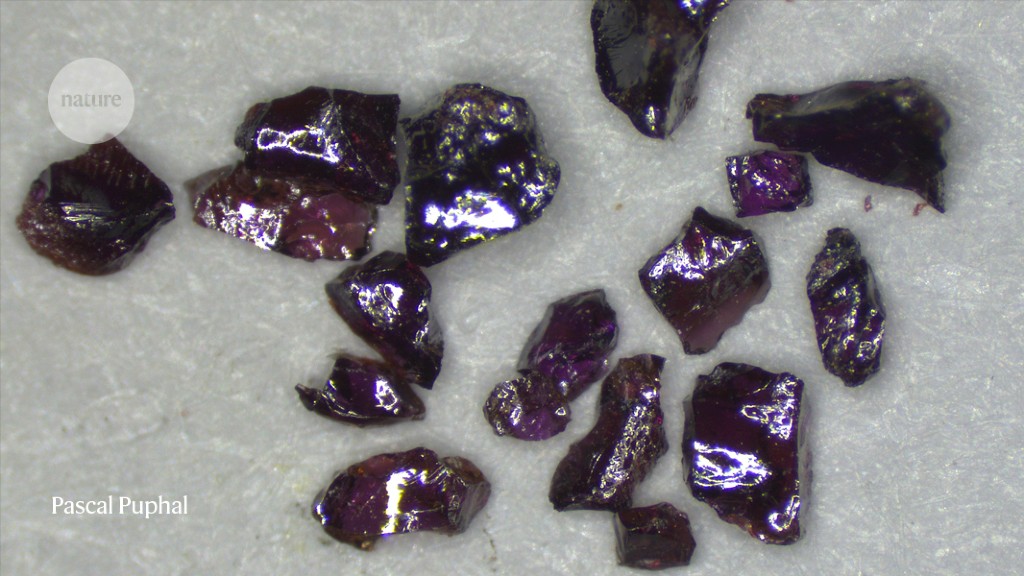
Scientists have determined that LK-99, a compound of copper, lead, phosphorus, and oxygen, is not a superconductor as previously claimed. The material's properties, including levitation and drops in electrical resistivity, were found to be the result of impurities, particularly copper sulfide. Replication efforts by various research teams have failed to observe room-temperature superconductivity in LK-99. The conclusion highlights the importance of careful analysis and the need for pure samples in studying material properties.

Unveiling the Mysteries of Uranium Ditelluride Crystals: Superconductivity Explored

Originally Published 2 years ago — by SciTechDaily

Featured image for Unveiling the Mysteries of Uranium Ditelluride Crystals: Superconductivity Explored
Source: SciTechDaily

Researchers have observed unusual waves of charge within uranium ditelluride crystals, shedding light on a new aspect of the crystal's superconductivity. The findings contribute to the understanding of superconductivity and highlight the complex behavior of quantum particles. The charge density waves observed in the crystals are linked to a previously unseen facet of the crystal's superconductivity, providing insights into the types of order that occur in the material. This discovery could lead to the identification of a fundamentally new phase in materials with strong electron interactions.

"Unveiling the Astonishing Self-Repairing Wonders of Chemical Gardens"

Originally Published 2 years ago — by SciTechDaily

Featured image for "Unveiling the Astonishing Self-Repairing Wonders of Chemical Gardens"
Source: SciTechDaily

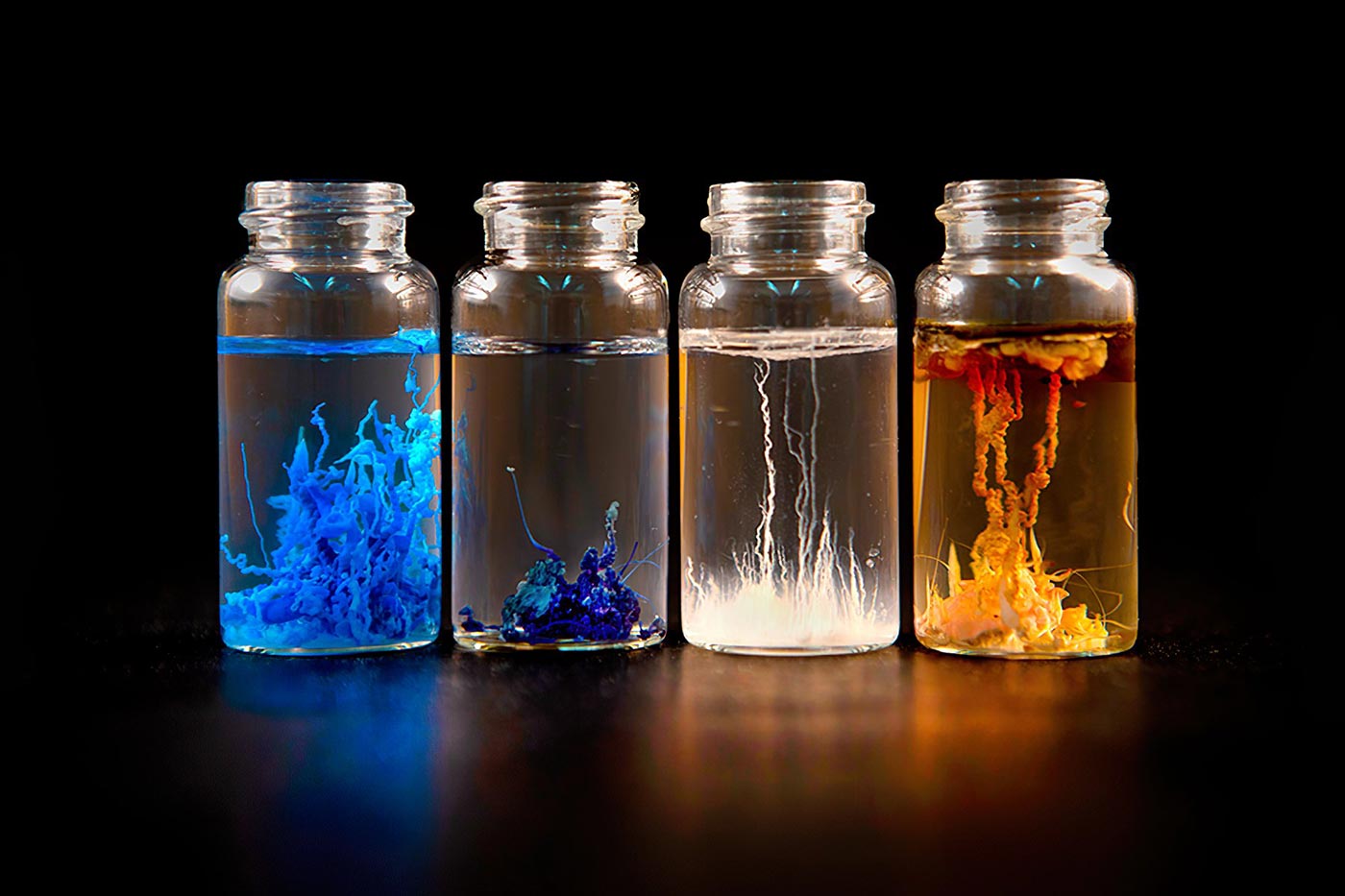
Scientists at Florida State University have developed a mathematical model that explains the growth, pattern formation, and self-healing properties of chemical gardens. These structures, formed by mixing metal salts in a silicate solution, have fascinated chemists since the 1600s. The model helps understand how chemical gardens grow, form different shapes, and transition from flexible to brittle materials. It could pave the way for the development of self-repairing materials with the ability to reconfigure and heal themselves. The research sheds light on the universal principles governing the formation of chemical gardens and validates their self-healing capabilities.

Spider Glue Evolves Faster Than Its Genes, Study Shows

Originally Published 2 years ago — by SciTechDaily

Featured image for Spider Glue Evolves Faster Than Its Genes, Study Shows
Source: SciTechDaily

Scientists have discovered that orb weaver spiders’ web glue properties evolve based on the species’ living environment. Although the web glue consists of similar proteins, the proportions differ, affecting the glue’s properties. The glue’s ability to absorb water from the atmosphere and its stickiness are crucial for the spiders’ survival, and understanding these adaptations could have potential applications in industry, medicine, and beyond. Spider silk fibers and glues represent a fantastic model for answering such questions since they are primarily made of proteins and proteins are encoded by genes.

Spider Glue Properties Outpace Gene Evolution, Study Shows.

Originally Published 2 years ago — by Phys.org

Featured image for Spider Glue Properties Outpace Gene Evolution, Study Shows.
Source: Phys.org

Scientists have studied the glue that makes orb weaver spiders' webs sticky to understand how its material properties vary in different conditions. They found that the material properties of the glue evolve faster than the genes that encode them. The study focused on two species of orb weaver spider living in different environments, which means their glue must adapt to different levels of humidity. The team found that droplets from one species are smaller than those from the other and absorb less water as local humidity increases. The scientists also analyzed the proteins found in the glue droplets to understand how these differences in material properties arise from the proteins.