Mortgage rates are expected to remain around 6.16% into 2026, with some fluctuations influenced by Federal Reserve policies and the 10-year Treasury yield. While rates may slightly decrease if the Fed cuts rates, other factors like home prices and housing supply also impact affordability. Buyers should focus on affordability and strategic financing options rather than waiting for rates to drop significantly.
US household wealth reached a record $181.6 trillion in Q3 2025, driven by a booming stock market fueled by AI investments and rising home prices, despite increased household and government debt. The data was delayed due to a government shutdown.
The Federal Reserve Board announced the appointment of chairs and deputy chairs for the 12 Federal Reserve Banks for 2026, highlighting leadership changes across various regional banks including Boston, New York, Philadelphia, Cleveland, Richmond, Atlanta, Chicago, St. Louis, Minneapolis, Kansas City, Dallas, and San Francisco.
The US economy added only 50,000 jobs in December 2025, marking the weakest annual job growth since 2003, but the unemployment rate fell to 4.4%, indicating a sluggish labor market with cautious optimism from markets and policymakers.
Despite geopolitical turmoil and President Trump's aggressive actions, the US dollar has remained resilient, reaching a one-month high due to strong job market data and doubts about the extent of upcoming Federal Reserve interest rate cuts, highlighting the unpredictable nature of markets in the Trump era.
US job creation in 2025 slowed to its weakest pace since 2020, with only 50,000 jobs added in December and an average of 49,000 per month for the year, reflecting a cooling labor market despite steady economic growth and Federal Reserve rate cuts. The unemployment rate decreased slightly to 4.4%, but overall job gains remain subdued amid mixed sector performances and ongoing policy debates.
US employment growth in December was modest, with 50,000 jobs added, marking the weakest year of growth since the pandemic, amid economic uncertainty and debates over interest rate policies. The unemployment rate decreased to 4.4%, and the labor market remains in a subdued 'no hire, no fire' phase, influencing upcoming Federal Reserve decisions on interest rates.
US job growth in December was weaker than expected with a 50,000 increase, but the unemployment rate fell to 4.4%, indicating a mixed labor market outlook. The year saw the slowest job gains outside of a recession since 2003, reflecting a hiring recession despite strong economic growth and consumer spending. The report influences Federal Reserve interest rate decisions amid ongoing economic uncertainty.
The 10-year Treasury yield slightly decreased to 4.165% following a mixed December jobs report showing weaker-than-expected job growth but a lower unemployment rate, which may influence the Federal Reserve's interest rate decisions. The report indicates a cautious labor market, with potential for rate cuts in the spring, amid ongoing economic and political developments.
The U.S. penny shortage has led the Federal Reserve to resume accepting penny deposits at select locations, aiming to ease cash checkout issues, but this limited measure does not address the broader circulation and production problems, which remain unresolved since the last pennies were minted in November and production was halted last year.
The Congressional Budget Office forecasts that the Federal Reserve will cut interest rates in 2026, with rates settling at 3.4% by 2028, while 10-year Treasury yields are expected to rise slightly, impacting mortgage rates. The report also projects a peak in unemployment at 4.6% in 2026, with GDP growth slowing to around 1.8-2.2% through 2028, influenced by recent fiscal policies and immigration trends. Inflation is expected to remain above 2% in the near term, gradually decreasing by 2028.
The article discusses five key economic themes for 2026, including the impact of AI on the labor market and growth, the effects of recent tax cuts, potential changes in trade policy depending on court rulings, the future leadership of the Federal Reserve amid inflation concerns, and the political focus on affordability and inflation ahead of the midterm elections.
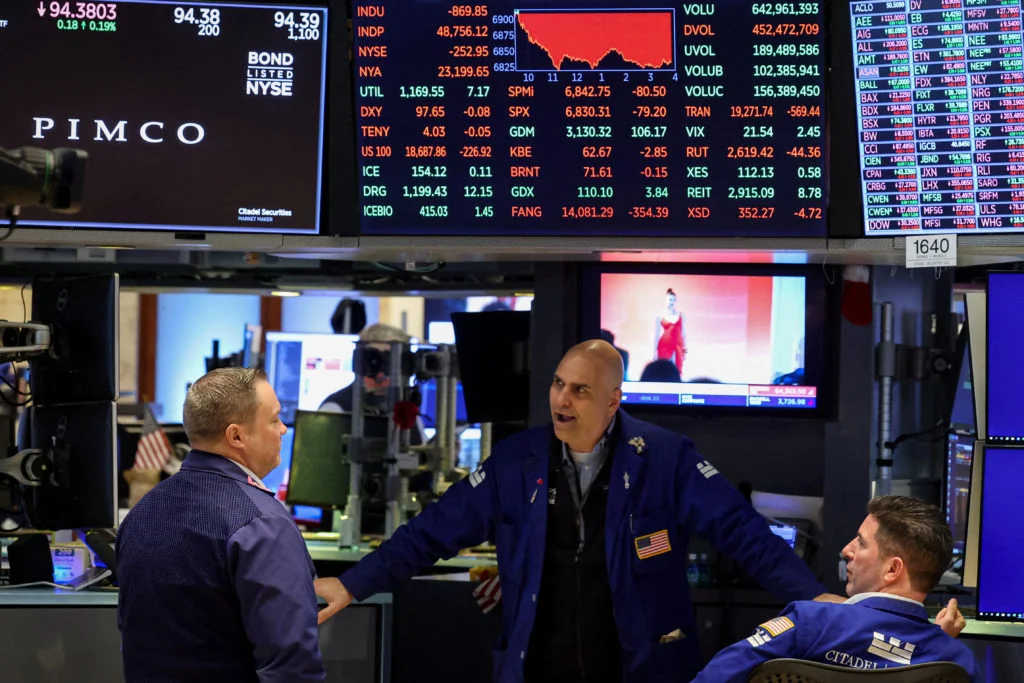
The article warns that the stock market, which has seen strong gains in 2025, may face a downturn in 2026 due to high valuations, midterm election uncertainties, and warnings from Federal Reserve officials about stretched asset prices, especially as the S&P 500's forward PE ratio approaches levels historically associated with sharp declines.
The article warns that the biggest threat to Wall Street's bull market in 2026 is not tariffs but the division within the Federal Reserve, especially given high valuation metrics like the Shiller P/E ratio, which historically foreshadow downturns.
The article warns that the Federal Reserve's recent dissenting policy decisions, high valuation metrics like the Shiller P/E ratio, and political uncertainties surrounding its leadership pose significant risks to the stock market's stability in 2026, potentially making the Fed a 'ticking time bomb' for Wall Street.