Tag

Foraging

All articles tagged with #foraging

Warning: Deadly Wild Mushrooms Pose Serious Health Risks

Originally Published 23 days ago — by CNN

Featured image for Warning: Deadly Wild Mushrooms Pose Serious Health Risks
Source: CNN

Foraging for wild food, especially mushrooms, can be rewarding but risky due to the potential for confusing edible and toxic varieties. Experts emphasize the importance of proper identification, knowledge, and legal considerations to avoid health hazards and environmental impact. Beginners are advised to start with simple, easily recognizable plants and seek guidance from experienced foragers to safely enjoy the benefits of wild foods.
Big Brains in Primates: Not the Key to Superior Foraging

Originally Published 1 year ago — by ScienceAlert

Featured image for Big Brains in Primates: Not the Key to Superior Foraging
Source: ScienceAlert

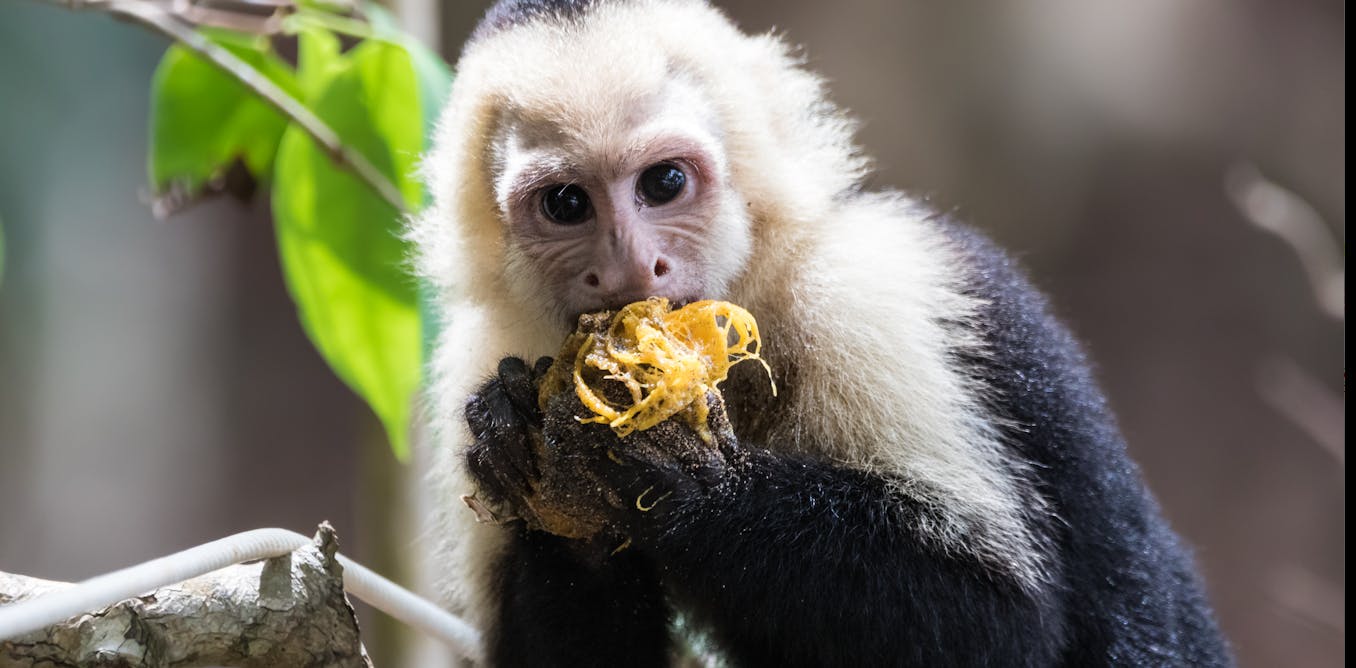
A new study challenges the fruit-diet hypothesis for brain evolution in primates, finding that larger-brained primates like spider monkeys and capuchins do not have more efficient foraging routes compared to smaller-brained animals. This suggests that factors other than foraging efficiency, such as memory, tool use, or social complexity, may have driven the evolution of large brains in some species.

"Primates' Big Brains Evolved for More Than Just Foraging, Study Finds"

Originally Published 1 year ago — by The Conversation Indonesia

Featured image for "Primates' Big Brains Evolved for More Than Just Foraging, Study Finds"
Source: The Conversation Indonesia

A new study challenges the leading hypothesis that primates evolved large brains to find food more efficiently. By tracking the foraging routes of large-brained primates and smaller-brained non-primates in Panama, researchers found no significant difference in foraging efficiency, suggesting that other factors like memory, tool use, or social complexities may have driven brain size evolution.

"ADHD Individuals Show Superior Foraging Skills, Suggesting Adaptive Advantage"

Originally Published 1 year ago — by PsyPost

Featured image for "ADHD Individuals Show Superior Foraging Skills, Suggesting Adaptive Advantage"
Source: PsyPost

New research suggests that individuals with more pronounced symptoms of ADHD tend to achieve higher reward rates in an online foraging task, spending less time at a single location and more frequently switching to other locations. The study indicates that ADHD symptoms may encourage a propensity to leave current resource areas in search of new ones, leading to a greater preference for exploring new areas. This behavior aligns more closely with the predictions of optimal foraging theory, suggesting that the prevalence and persistence of ADHD in human populations may serve an adaptive function in some environments.

"CDC Warns of Deadly Outbreak Linked to Morel Mushroom Consumption"

Originally Published 1 year ago — by KOCO Oklahoma City

Featured image for "CDC Warns of Deadly Outbreak Linked to Morel Mushroom Consumption"
Source: KOCO Oklahoma City

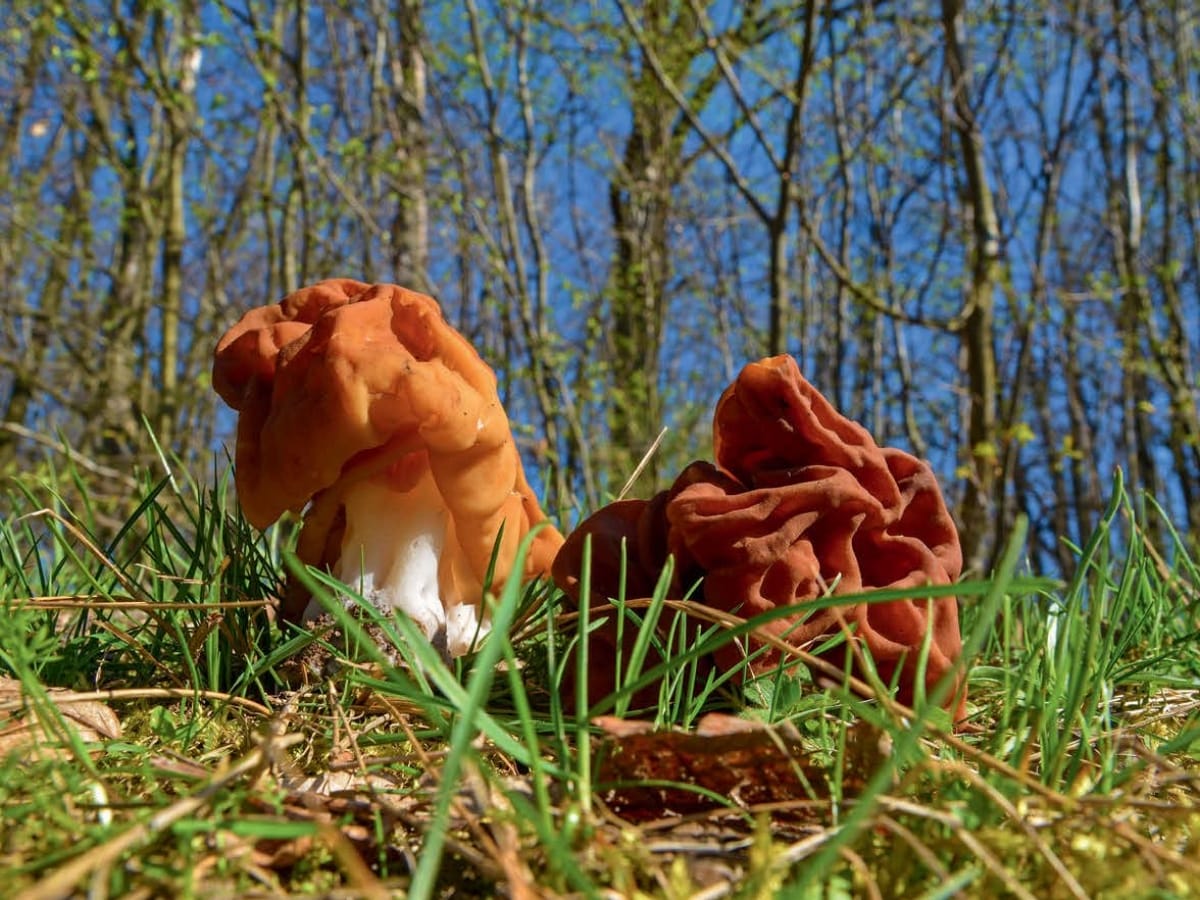
The CDC has issued a warning after morel mushrooms were linked to at least two deaths and dozens of sicknesses, cautioning foragers to eat them safely. The mushrooms were connected to a deadly outbreak in Montana last year, with at least 51 people falling ill after consuming them. Experts emphasize the importance of fully cooking morel mushrooms, as eating them raw can lead to sickness. Foragers are advised to take precautions and cook the mushrooms thoroughly to safely enjoy the hunting season, which is currently underway.

"Evolutionary Advantages of ADHD Traits: New Study Reveals Surprising Findings"

Originally Published 1 year ago — by Bored Panda

Featured image for "Evolutionary Advantages of ADHD Traits: New Study Reveals Surprising Findings"
Source: Bored Panda

A new study suggests that traits common to people with ADHD, such as distractibility and impulsivity, may have been advantageous strengths passed down from our ancestors, particularly in the context of foraging and survival strategies. The study found that individuals with higher ADHD-like symptoms tended to spend less time foraging in one area and showed higher tendencies to move on to new areas, ultimately scoring higher in an online foraging game. While the study comes with limitations and further research is needed, it provides insight into the potential evolutionary benefits of ADHD traits.

"ADHD Traits as Evolutionary Foraging Advantage, Study Finds"

Originally Published 1 year ago — by Newser

Featured image for "ADHD Traits as Evolutionary Foraging Advantage, Study Finds"
Source: Newser

A new study suggests that traits associated with ADHD, such as impulsiveness and hyperactivity, may have provided an evolutionary advantage in foraging for food. Researchers found that individuals with ADHD-like traits were more likely to explore different food sources, ultimately collecting more berries in a simulated foraging game. This supports the "evolutionary mismatch" theory, indicating that these traits were advantageous in the past and may persist due to their benefits in certain environments.

"Evolutionary Advantages: How ADHD Traits Aided Early Foragers"

Originally Published 1 year ago — by ScienceAlert

Featured image for "Evolutionary Advantages: How ADHD Traits Aided Early Foragers"
Source: ScienceAlert

A new study suggests that individuals with ADHD-like traits may have an evolutionary advantage in foraging, as they tend to have better foraging strategies than those with neurotypical traits. The findings propose that ADHD traits may have evolved as an adaptive survival strategy, favoring exploration of new spots for resources. While these traits may not always prove beneficial in modern contexts, the study highlights the potential advantages of ADHD-like traits in certain environments and the need for further research in this area.

"ADHD: A Potential Evolutionary Advantage for Foragers"

Originally Published 1 year ago — by IFLScience

Featured image for "ADHD: A Potential Evolutionary Advantage for Foragers"
Source: IFLScience

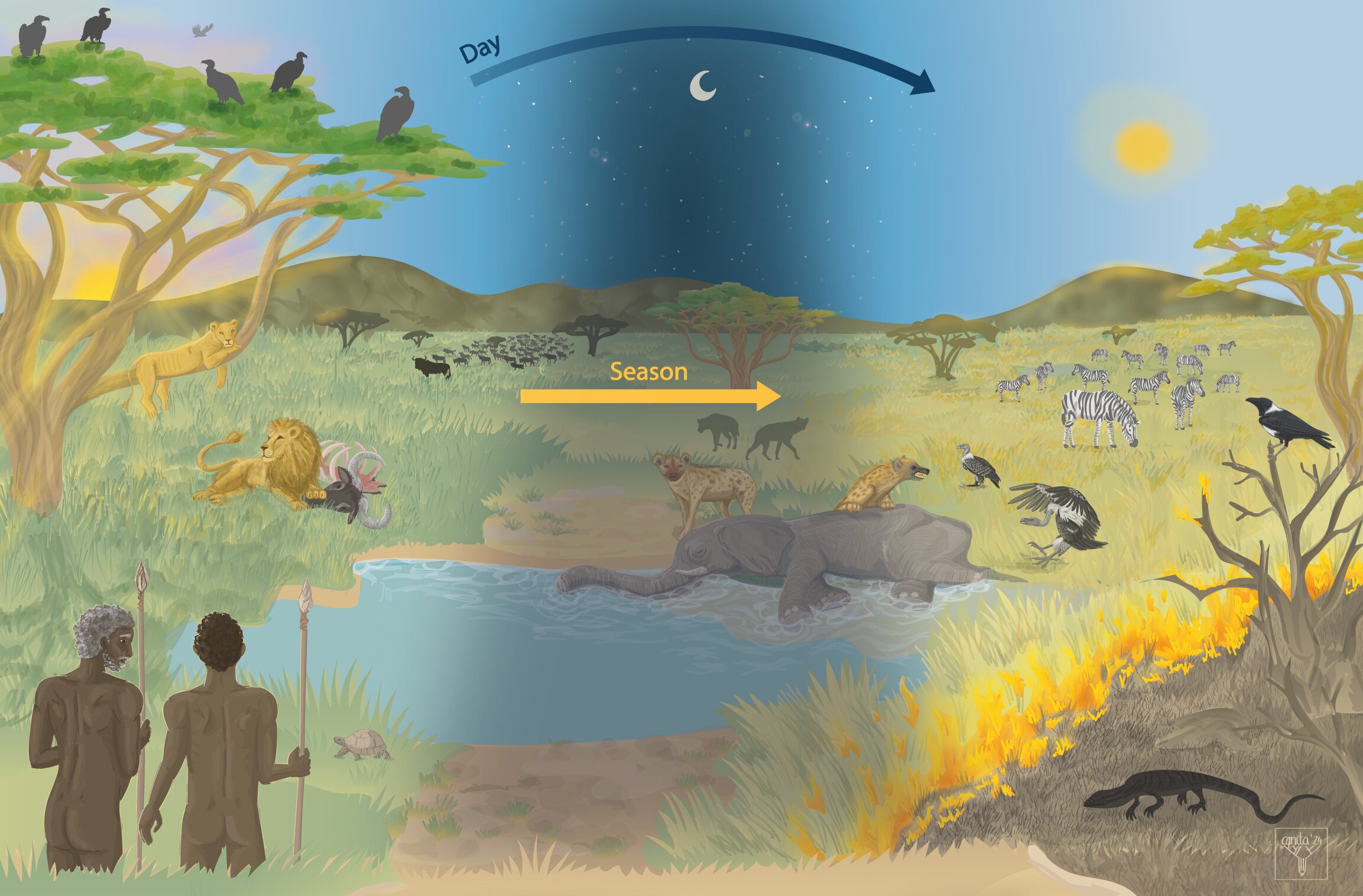
A study suggests that ADHD may have provided evolutionary advantages for our ancestors by helping them know when to quit foraging in declining patches, potentially explaining its prevalence today. University of Pennsylvania researchers had volunteers play a foraging game, finding that those with ADHD symptoms were more likely to abandon declining patches, ultimately obtaining 16% more berries. This diversity in mental approaches within local populations may have contributed to the survival and success of tribes in changing environments.

"Evolutionary Advantage: How ADHD May Have Helped Ancient Foragers"

Originally Published 1 year ago — by Daily Mail

Featured image for "Evolutionary Advantage: How ADHD May Have Helped Ancient Foragers"
Source: Daily Mail

A study from the University of Pennsylvania suggests that ADHD may have evolved over 12,000 years ago as an advantage for foragers, allowing those with the disorder to quickly move to new areas when food sources became scarce. Researchers found that individuals with ADHD were more likely to cut their losses and move on to another foraging patch quicker than non-ADHD participants. This behavior may have provided a survival advantage for ancient hunter-gatherers. While the root cause of ADHD remains unknown, the disorder tends to be passed down genetically, and the study's findings shed light on how behaviors associated with ADHD may have been adaptive in past environments.

"Evolutionary Advantage: How ADHD-like Traits Aid Foraging Success"

Originally Published 1 year ago — by The Washington Post

Featured image for "Evolutionary Advantage: How ADHD-like Traits Aid Foraging Success"
Source: The Washington Post

A new study suggests that traits associated with ADHD, such as impulsivity and distractibility, may offer an advantage in foraging by helping individuals to explore and find food more effectively. The findings challenge negative associations of ADHD and support the "evolutionary mismatch" theory, suggesting that such traits are advantageous in certain environments. While the study has limitations, it has important implications for understanding conditions like ADHD and highlights the importance of considering the environment in which neurodivergent traits manifest.

"Evolutionary Advantage: The Potential Upside of ADHD"

Originally Published 1 year ago — by The Guardian

Featured image for "Evolutionary Advantage: The Potential Upside of ADHD"
Source: The Guardian

Researchers suggest that traits associated with ADHD, such as impulsivity and distractibility, may have been advantageous for our ancestors during foraging, potentially explaining the prevalence of ADHD. A study found that participants with higher ADHD-like symptoms were more likely to abandon current foraging patches and hunt for new ones, ultimately gaining more points in a foraging game. While the study has limitations, it provides experimental evidence supporting the idea that ADHD traits could have been beneficial in certain evolutionary contexts, particularly in nomadic populations.