Tag

Hubble Tension

All articles tagged with #hubble tension

Cosmologists Pinpoint Hubble Constant to 1% Precision, Deepening the Cosmology Conundrum
science5 days ago

Cosmologists Pinpoint Hubble Constant to 1% Precision, Deepening the Cosmology Conundrum

An international collaboration unified multiple distance-measurement methods into a single statistical framework, achieving a 1% precise measurement of the Hubble constant—the most accurate value to date. While the improved precision narrows uncertainties, it does not resolve the ongoing tension with early-universe predictions, underscoring the need for new physics or modifications to current cosmological models.
Scientists Suggest the Universe May Be Gently Spinning, Challenging Physics
science4 months ago

Scientists Suggest the Universe May Be Gently Spinning, Challenging Physics

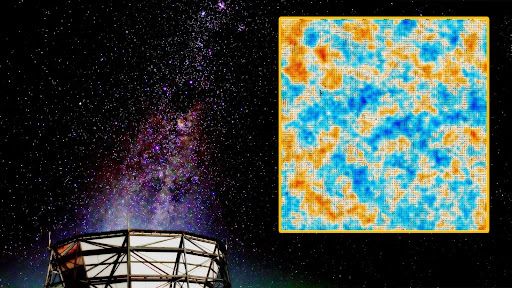
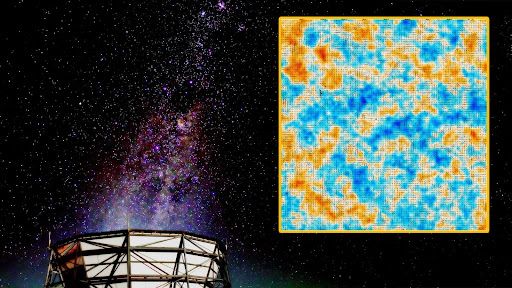
Scientists propose that the universe might be gently spinning to resolve the Hubble tension, a discrepancy in measurements of cosmic expansion, without violating known physics. This subtle rotation could be detected through patterns in the cosmic microwave background and galaxy distribution, potentially reshaping our understanding of cosmic dynamics.

Recent Data Suggests We Reside in a Vast Cosmic Void
science6 months ago

Recent Data Suggests We Reside in a Vast Cosmic Void

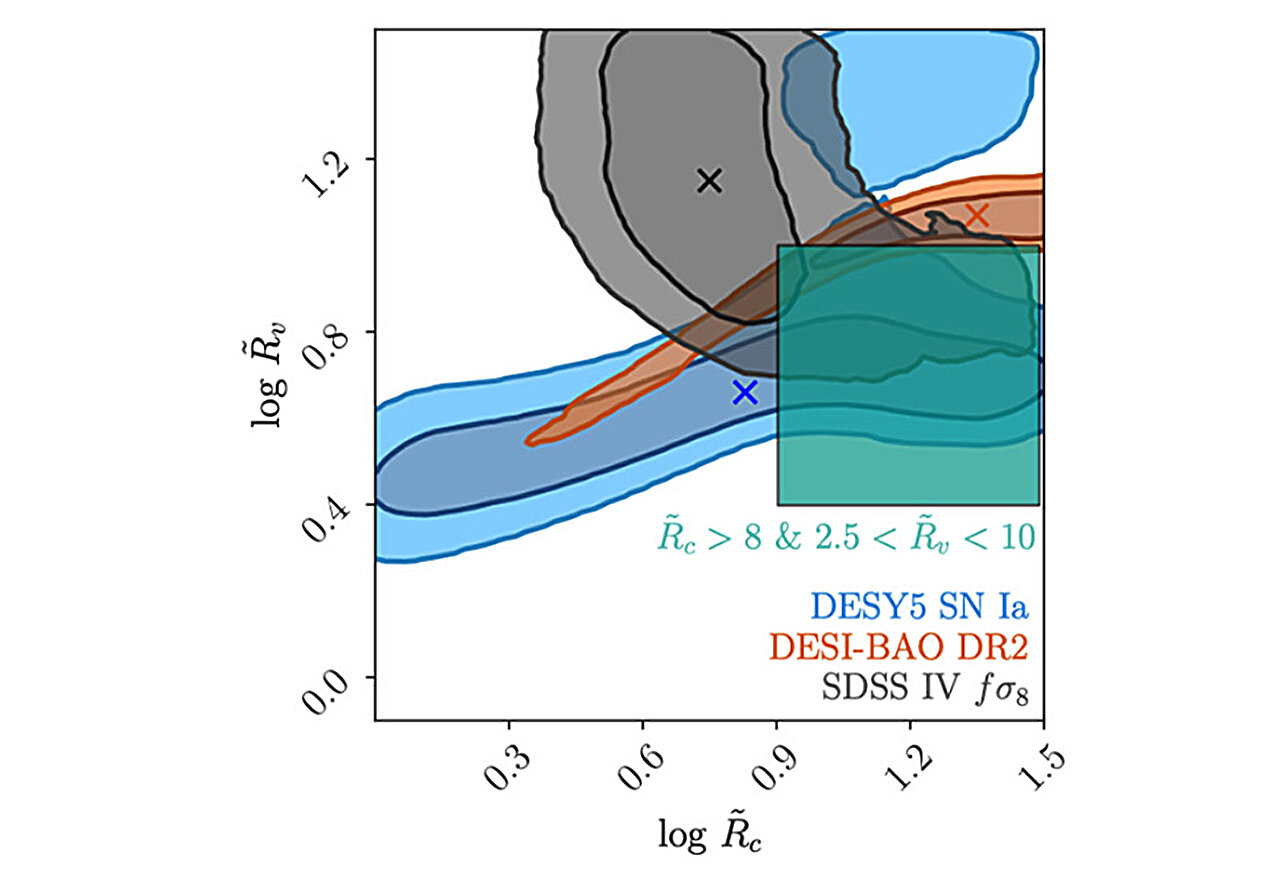
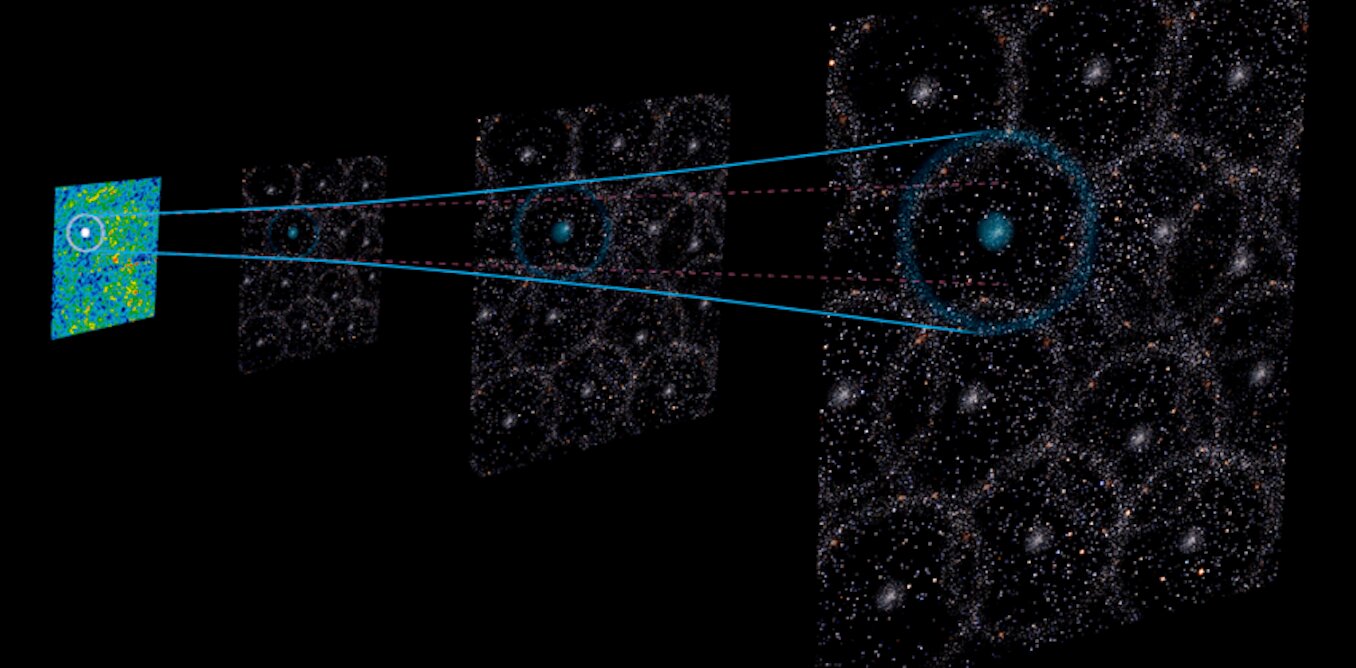
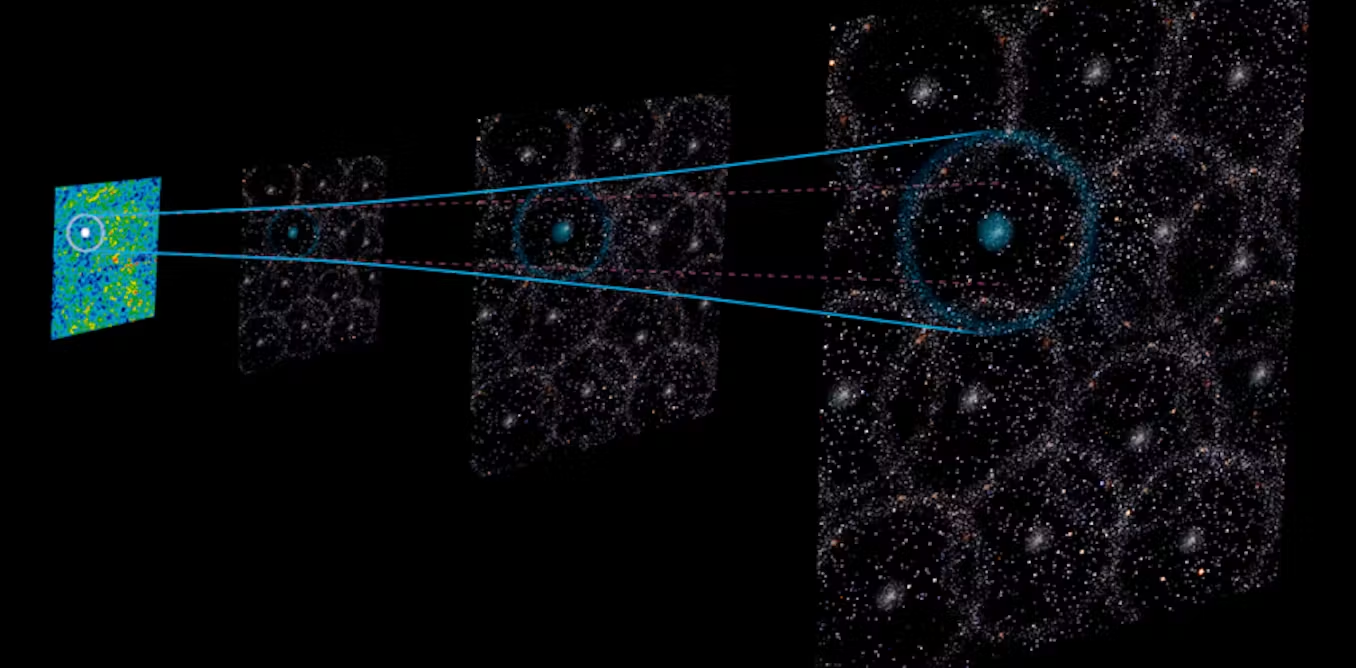
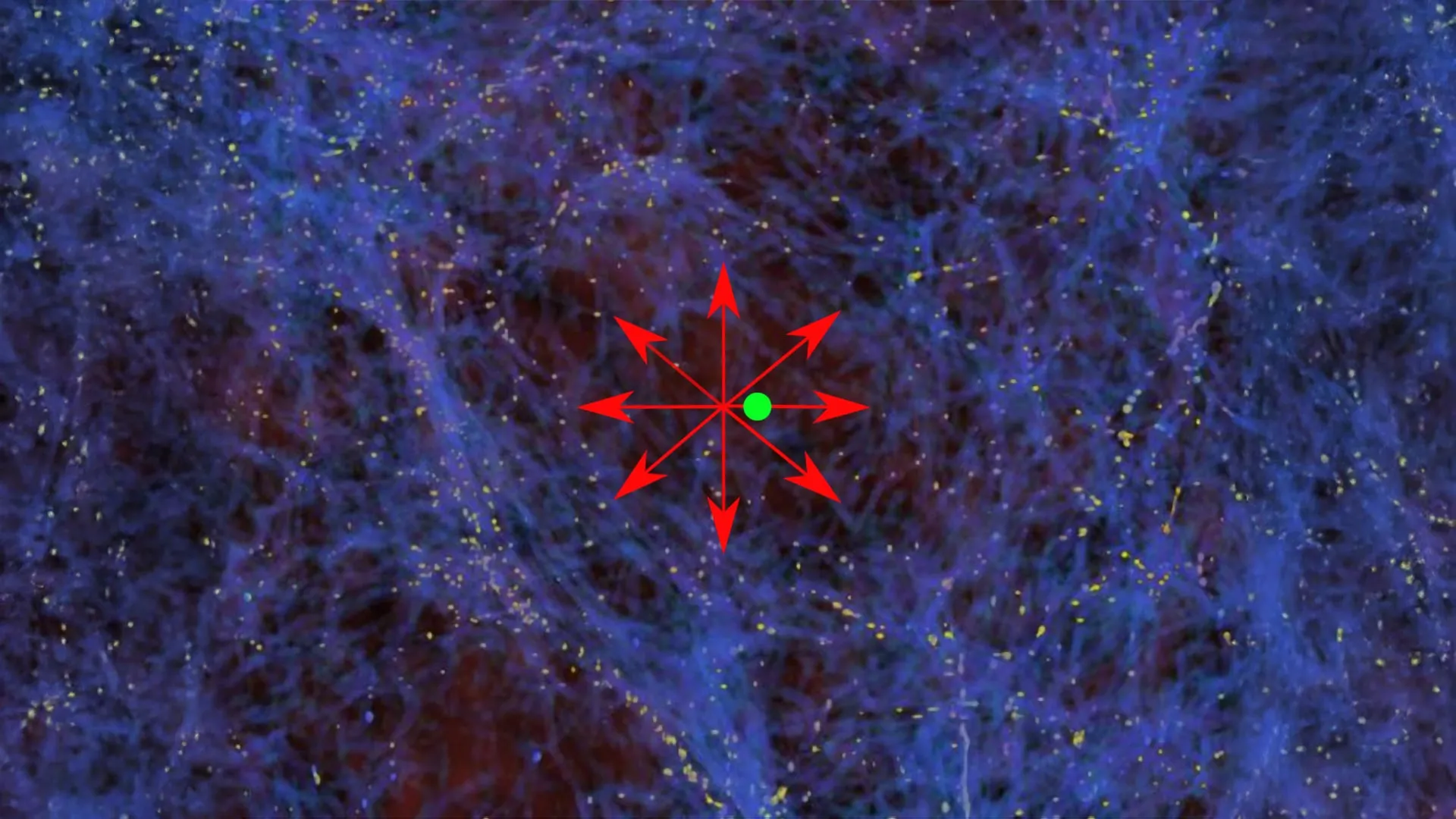
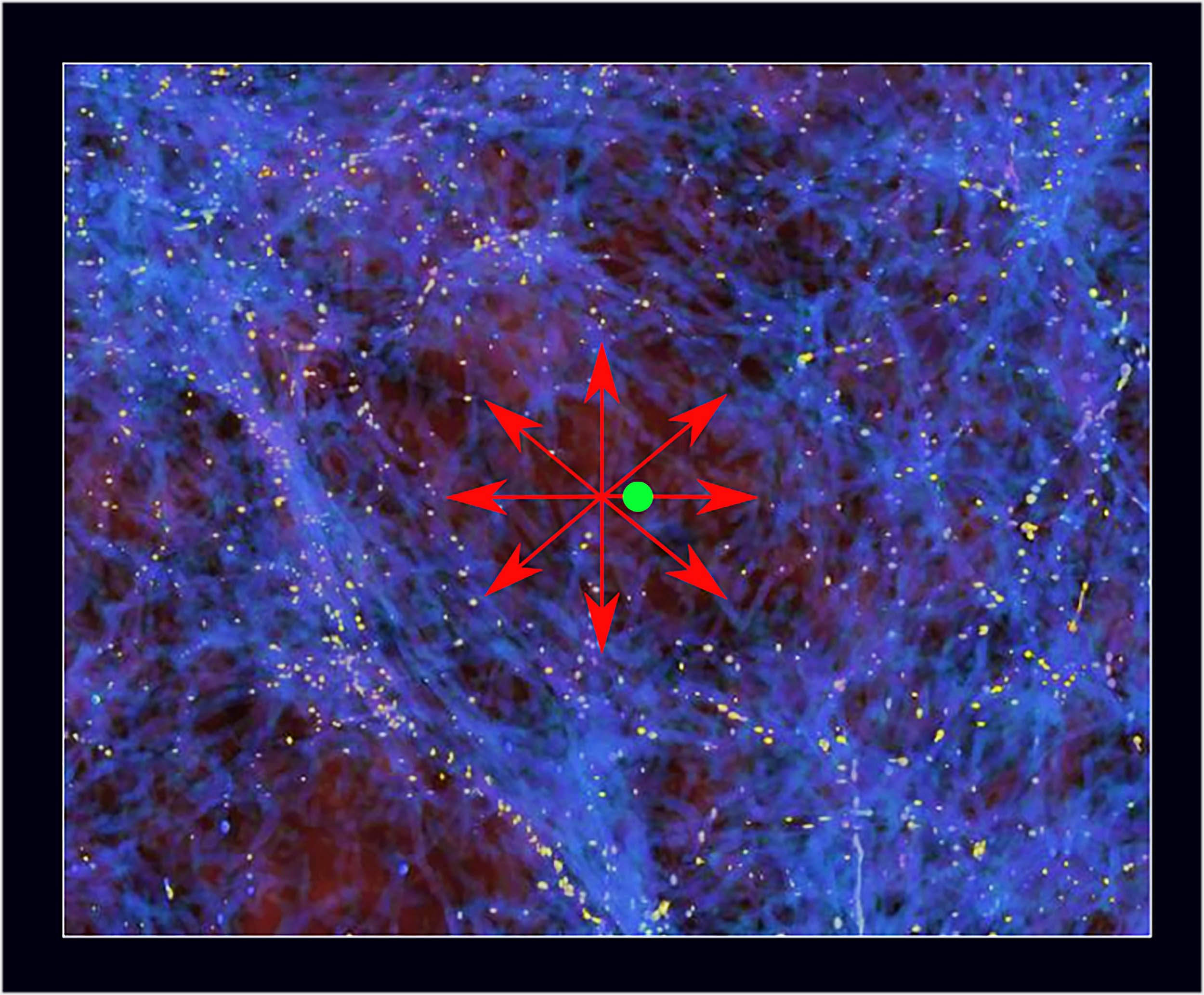
Recent research suggests we may live in a large cosmic void with fewer galaxies, which could explain the faster-than-expected expansion rate of the universe known as the Hubble tension. The study uses baryon acoustic oscillations to support the void hypothesis, indicating that our local universe might be expanding more quickly due to residing in a low-density region, challenging the standard cosmological model.

Early Universe's Sound Implies We Live in a Vast Void
science7 months ago

Early Universe's Sound Implies We Live in a Vast Void

Scientists suggest we live in a large cosmic void, which could explain the faster-than-expected expansion rate of the universe (Hubble tension). Recent analysis of early universe sound waves and galaxy distribution supports this idea, making the void model significantly more likely than the standard cosmological model without a void. Further measurements are needed to confirm this hypothesis.

Scientists suggest Earth resides in a vast cosmic void based on Big Bang signals
science7 months ago

Scientists suggest Earth resides in a vast cosmic void based on Big Bang signals

Astronomers propose that Earth resides in a massive, billion-light-year-wide void, which could explain the faster-than-expected expansion rate of the universe locally, potentially resolving the Hubble tension and supporting the universe's estimated age of 13.8 billion years. Evidence from sound waves of the early universe and galaxy distribution supports this theory, though it challenges standard cosmological models.

Scientists suggest Earth resides in a vast cosmic void based on Big Bang echoes
science7 months ago

Scientists suggest Earth resides in a vast cosmic void based on Big Bang echoes

Scientists propose that our galaxy may reside in a massive under-dense region, or 'void,' which could explain the discrepancy in measurements of the universe's expansion rate known as the Hubble tension. This void, potentially spanning a billion light-years, might cause local galaxies to appear to recede faster, aligning local observations with cosmic microwave background data. While this hypothesis is supported by some galaxy surveys and baryon acoustic oscillation data, it remains controversial and requires further investigation with upcoming measurements to confirm or refute the idea.

Scientists suggest Earth resides in a vast cosmic void based on Big Bang sound analysis
science7 months ago

Scientists suggest Earth resides in a vast cosmic void based on Big Bang sound analysis

New research suggests Earth may reside in a vast cosmic void, which could explain the Hubble tension—the discrepancy in measurements of the universe's expansion rate—by indicating we are in a low-density region expanding faster than the rest of the universe. This local void hypothesis is supported by baryon acoustic oscillations data, challenging the standard cosmological model and offering a potential solution to the longstanding problem.