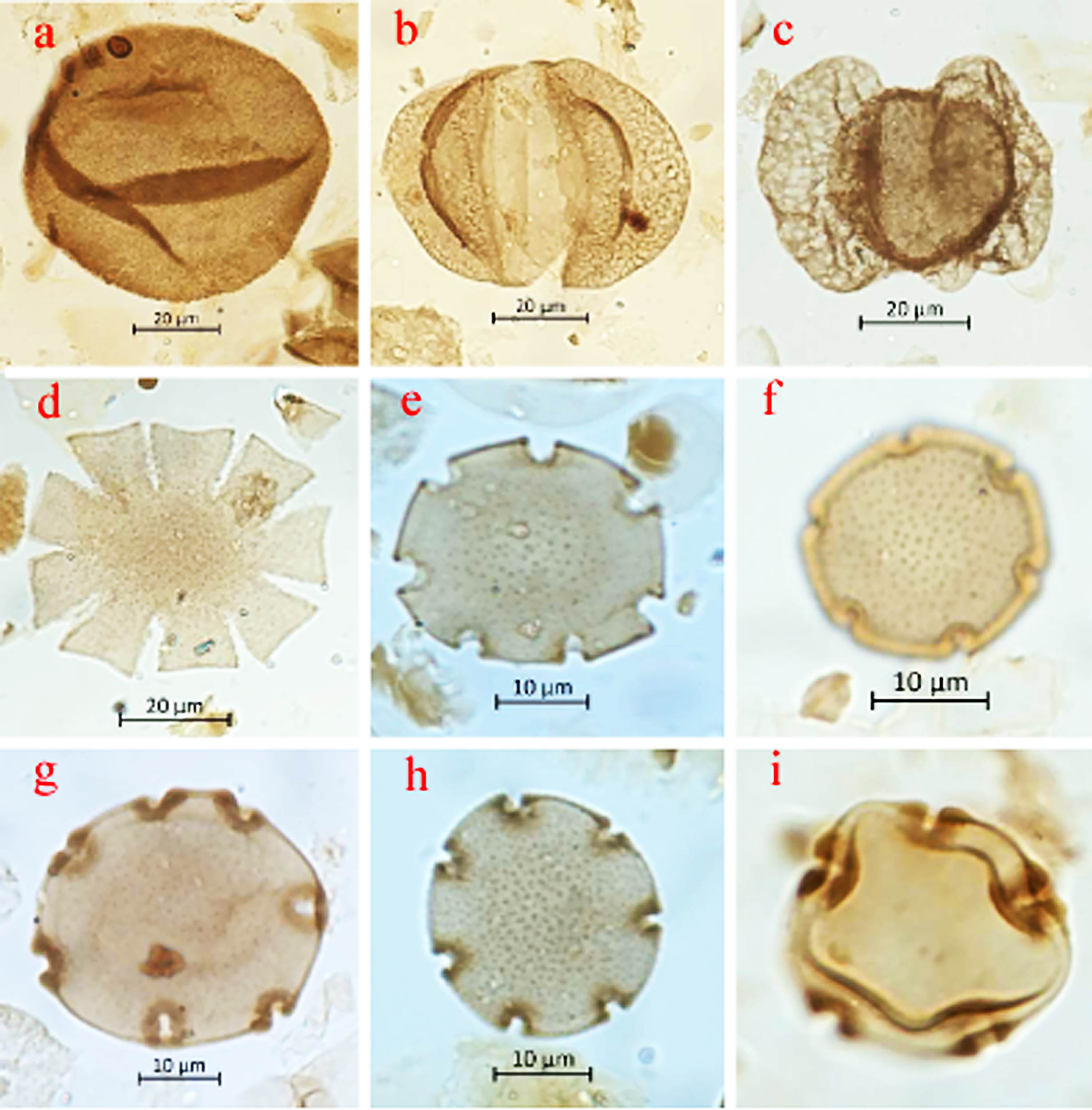
Scientists from the University of New Mexico discovered that ancient horsetails contain water with oxygen isotope ratios so unusual they resemble extraterrestrial materials, offering new insights into Earth's prehistoric climate and aiding the reconstruction of ancient humidity and climate conditions.
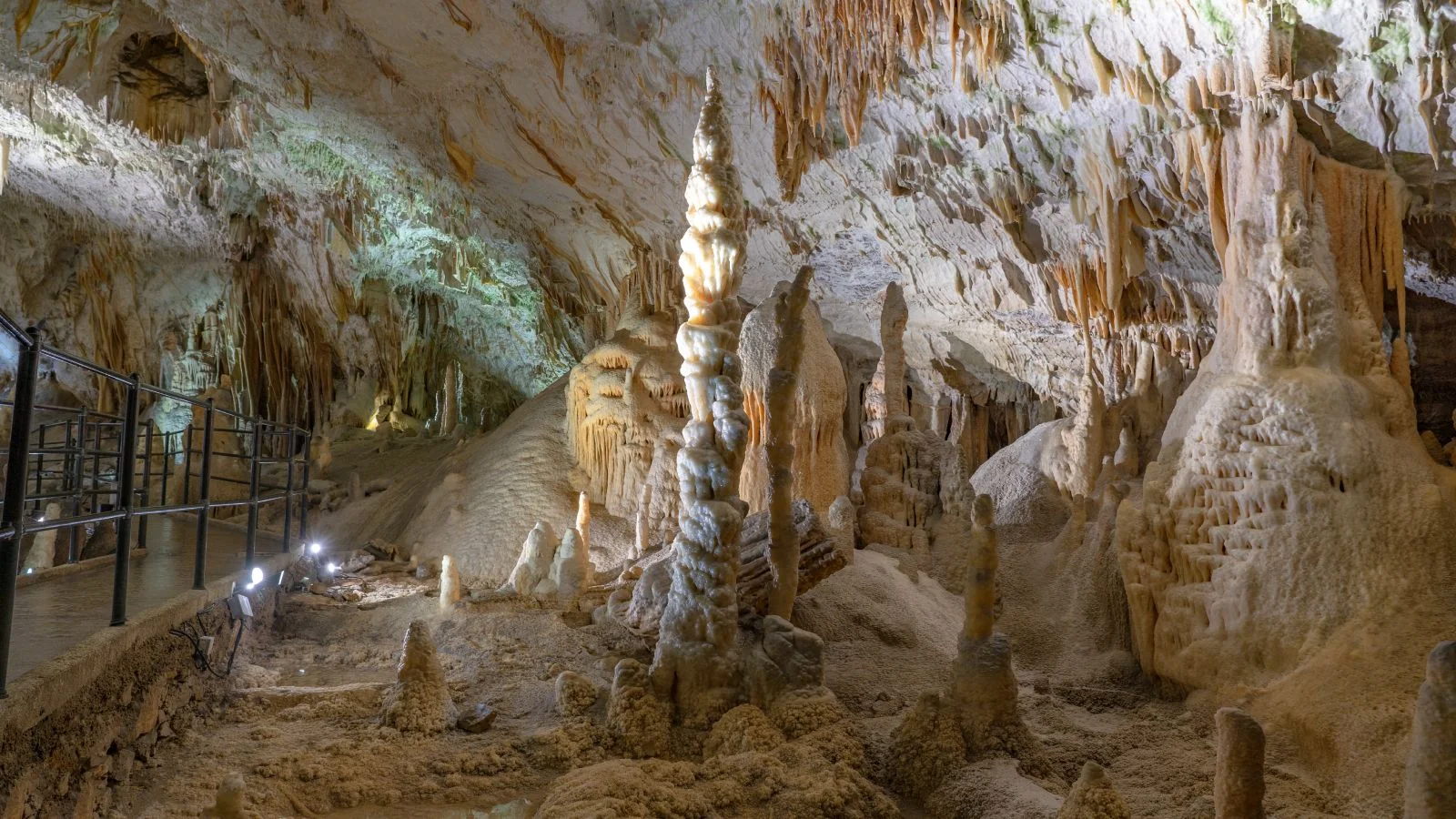
Scientists have discovered that stalagmites follow a single mathematical rule based on water drip rate and calcite deposition, which can help improve understanding of past climate conditions by analyzing their layered structures.
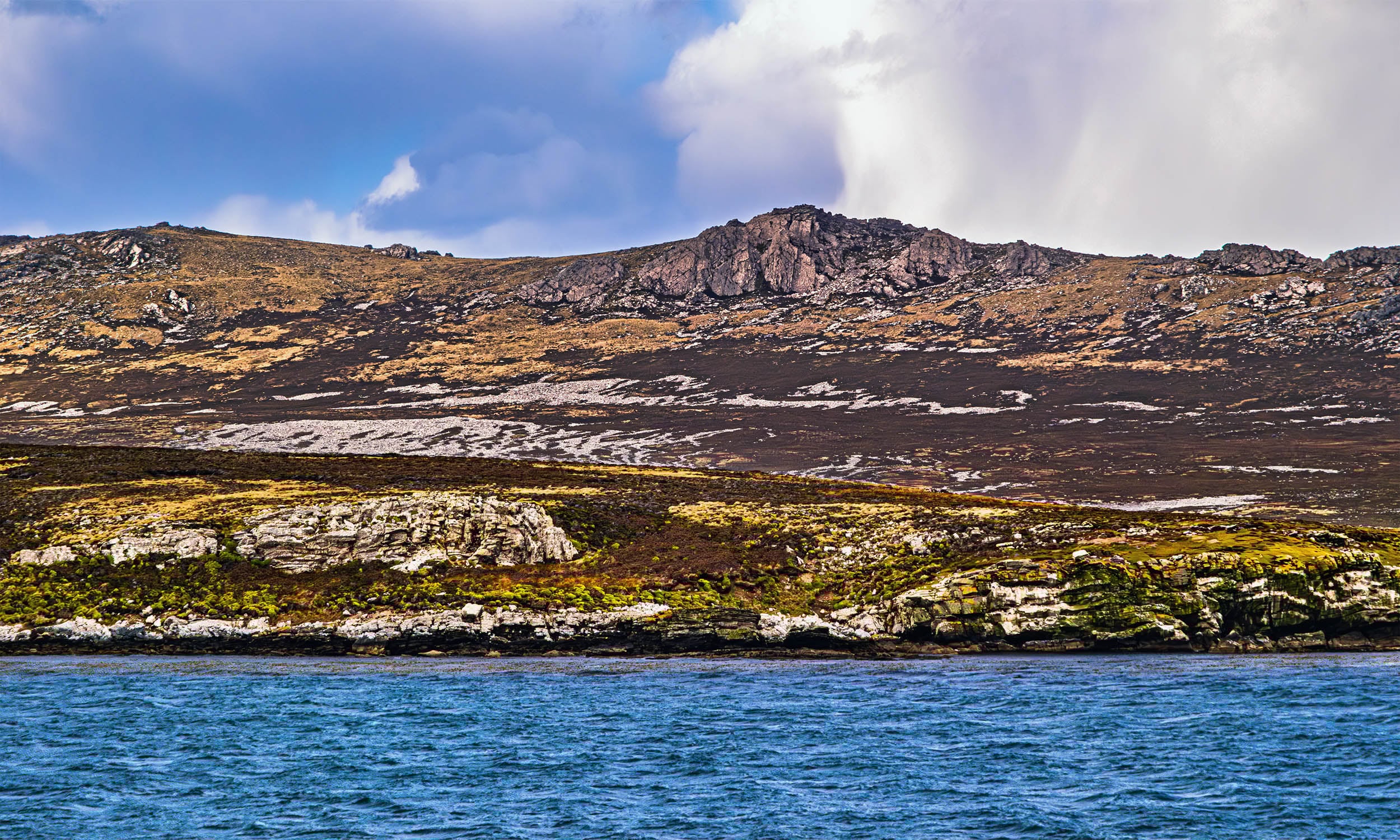
Scientists discovered a buried ancient cool-temperate rainforest on the Falkland Islands, dating back to the mid-to-late Cenozoic era, revealing a wetter, forested past that contrasts with the current treeless landscape, and providing valuable data for understanding climate change and ecosystem shifts over millions of years.
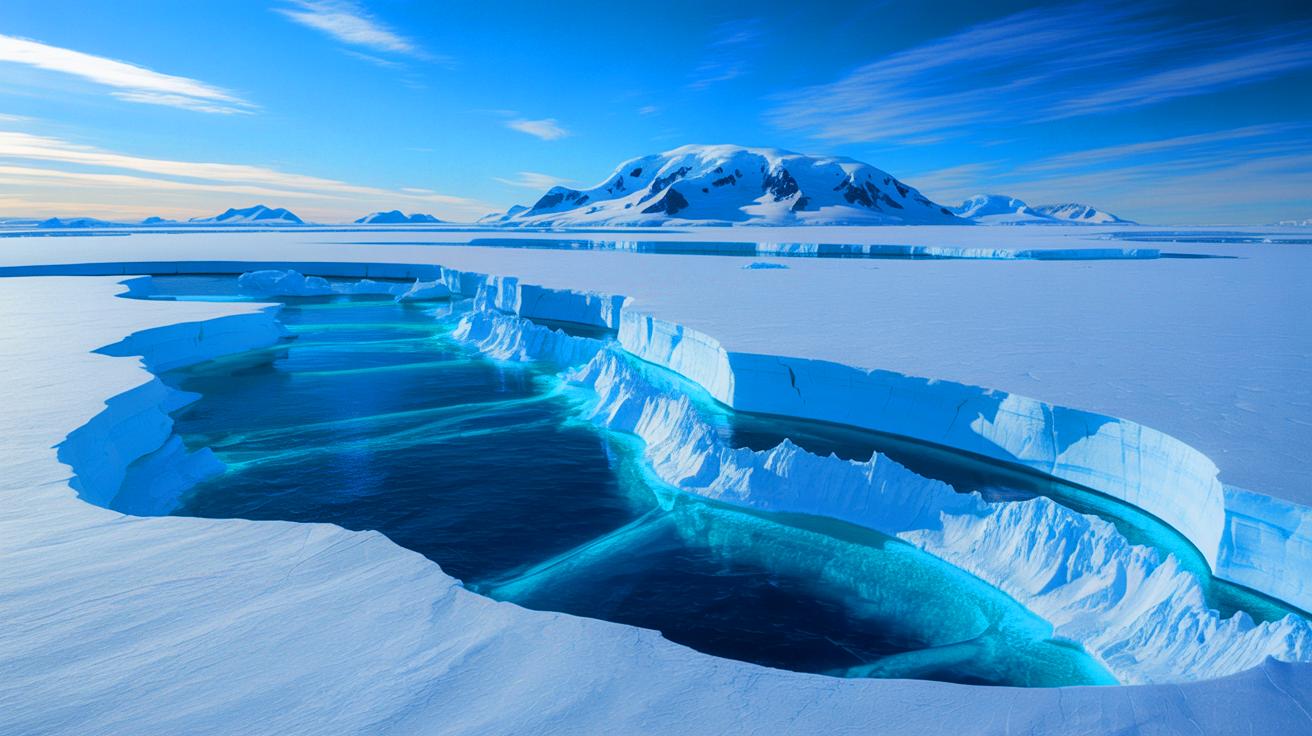
Scientists have uncovered a hidden ecosystem beneath Antarctica's ice, centered around the ancient Transantarctic Mountains, which have shaped the continent's geological and climatic history over hundreds of millions of years. These findings, including fossilized trees and insights into tectonic activity, enhance understanding of Earth's past climate cycles and could inform predictions about future climate change impacts.
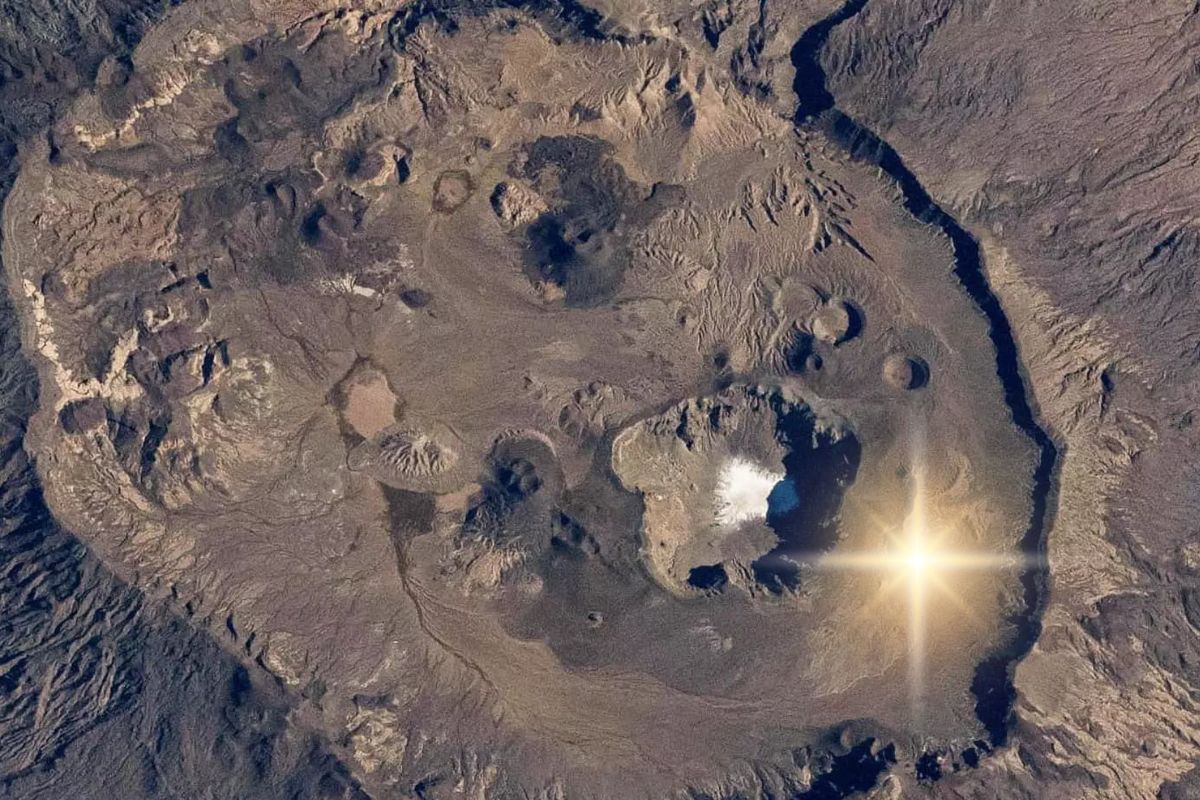
NASA scientists using space imagery discovered a white salt deposit on a volcanic peak in the Sahara, revealing evidence of an ancient lake and the region's past green, water-rich climate, highlighting the Sahara's dramatic environmental changes over millennia.
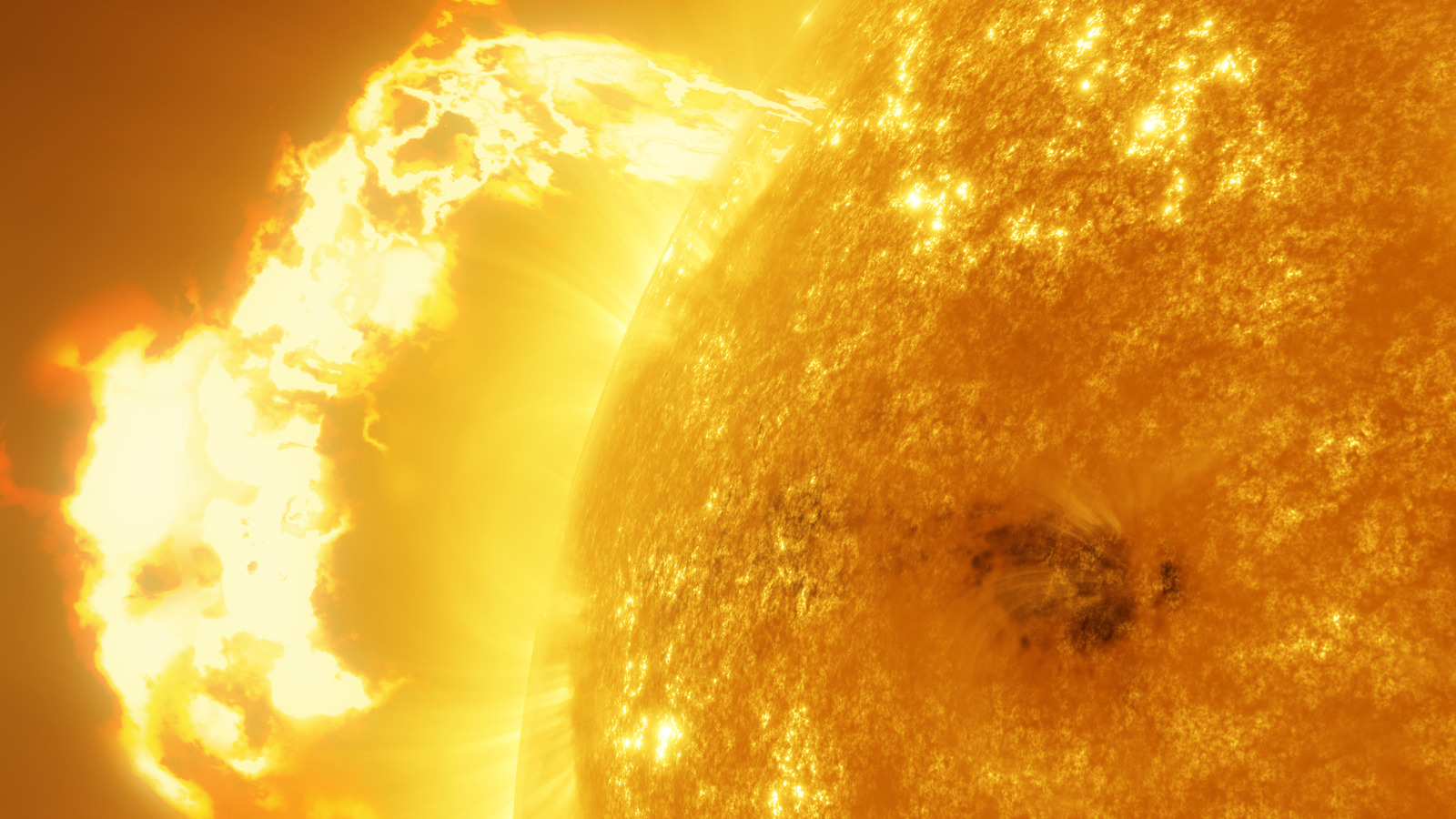
An ancient tree has revealed evidence of a catastrophic solar storm that occurred thousands of years ago, providing new insights into historical solar activity and its potential impact on Earth.
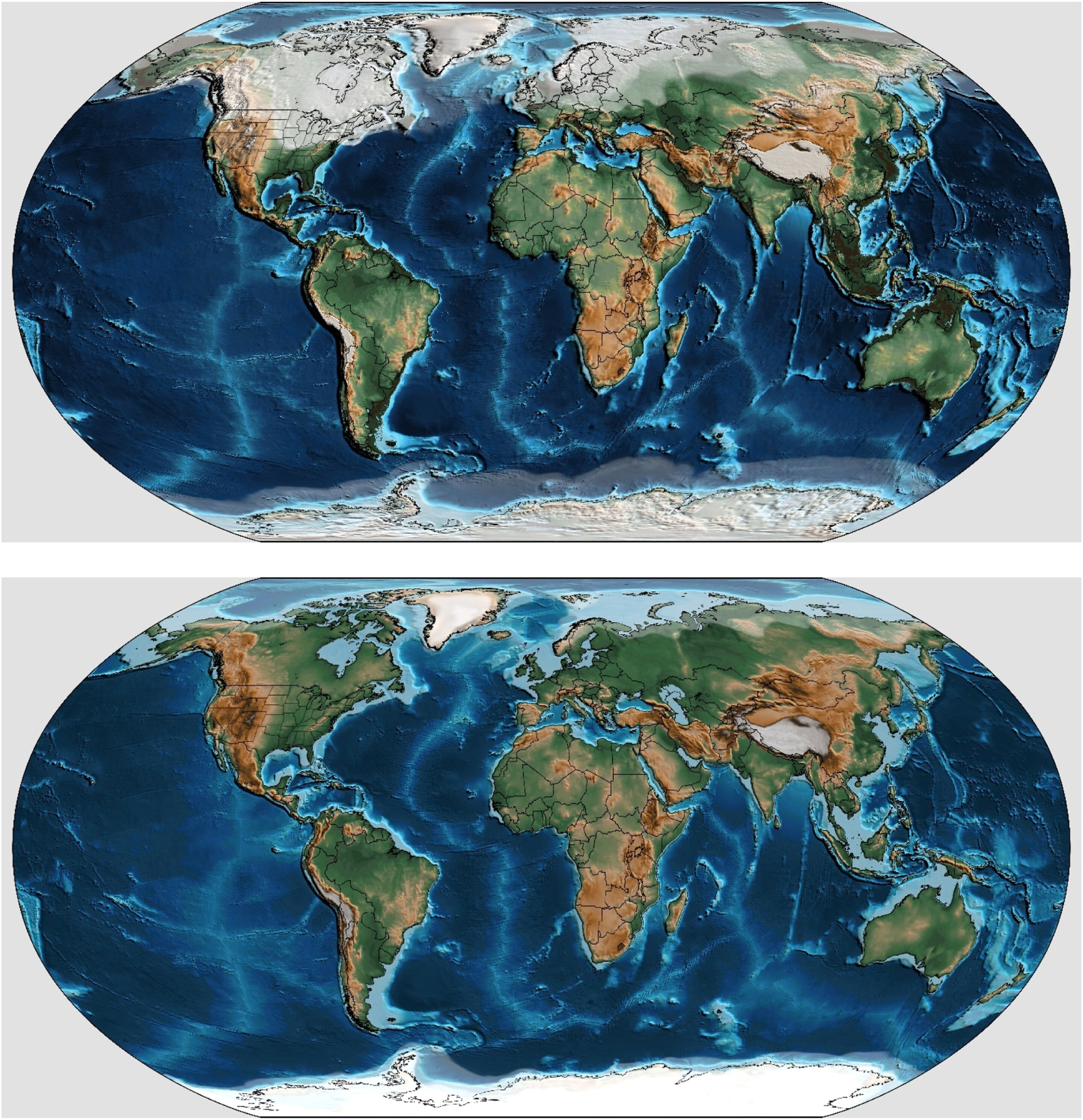
Scientists have reconstructed detailed sea level variations over the past 540 million years, revealing short-term fluctuations linked to climate cycles and ice sheet dynamics, which improve understanding of Earth's geological history and aid in resource management.
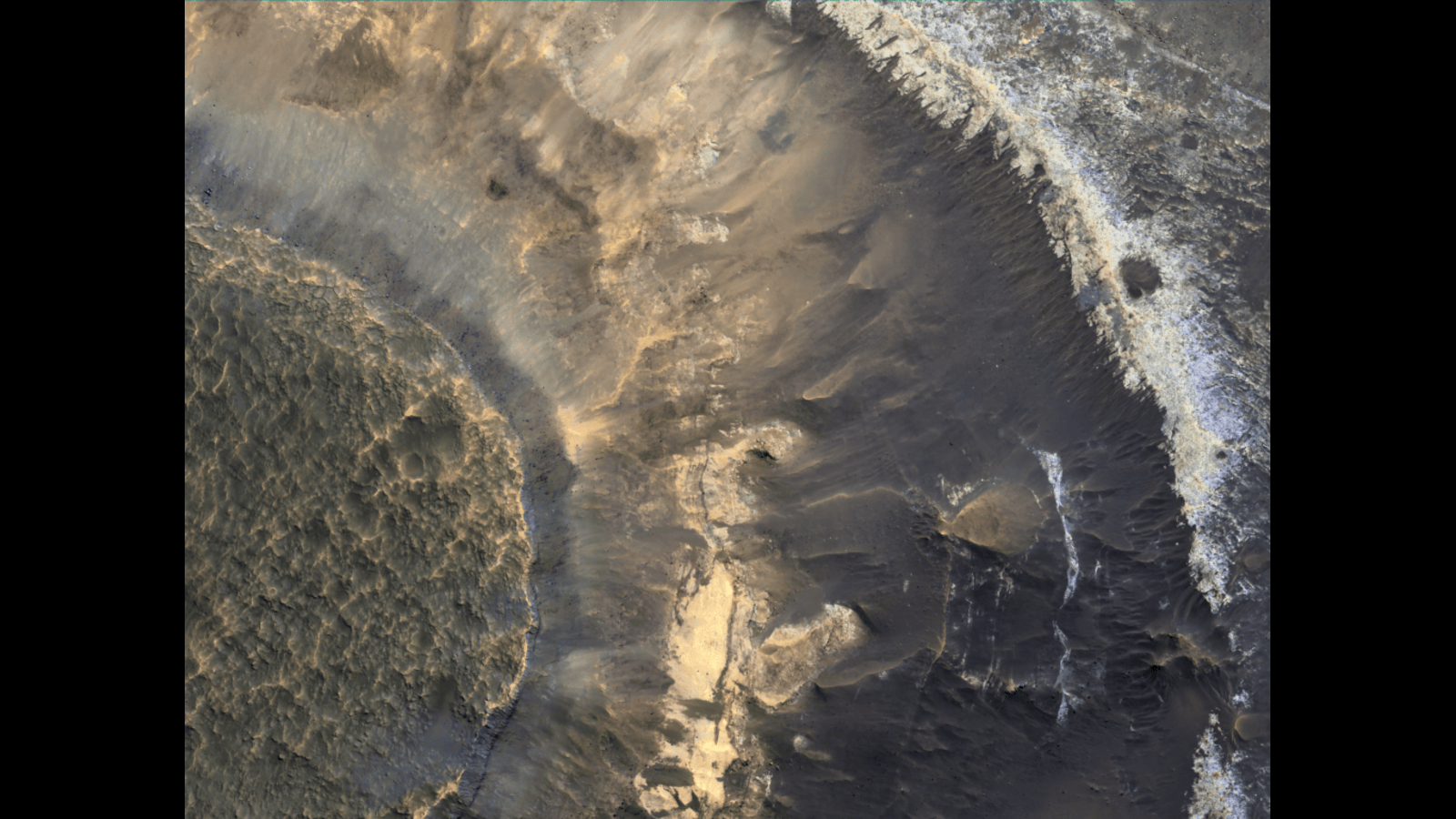
A new study suggests that thick, mineral-rich clay layers on Mars, formed around 3.7 billion years ago in stable, water-rich environments, could potentially harbor signs of past life, offering insights into the planet's ancient climate and habitability.
Researchers discovered a well-preserved ancient forest beneath the current treeless landscape of the Falkland Islands, dating back 15 to 30 million years, providing insights into past climate conditions and wind patterns, and highlighting the impact of climate change and wind stress on the region's vegetation and peatlands.
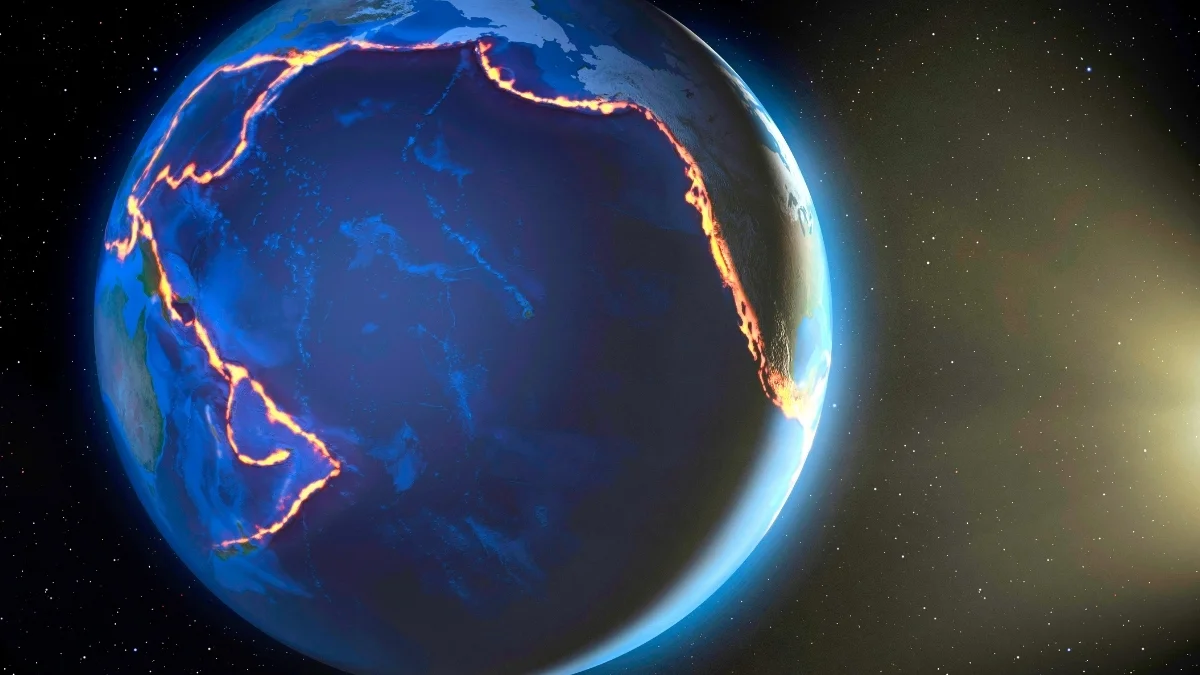
Pacific sediment cores are crucial for understanding Earth's past climate, but limited sampling and aging infrastructure hinder comprehensive insights. New drilling technologies and international collaboration are essential to fill data gaps, improve climate models, and better predict future climate changes.
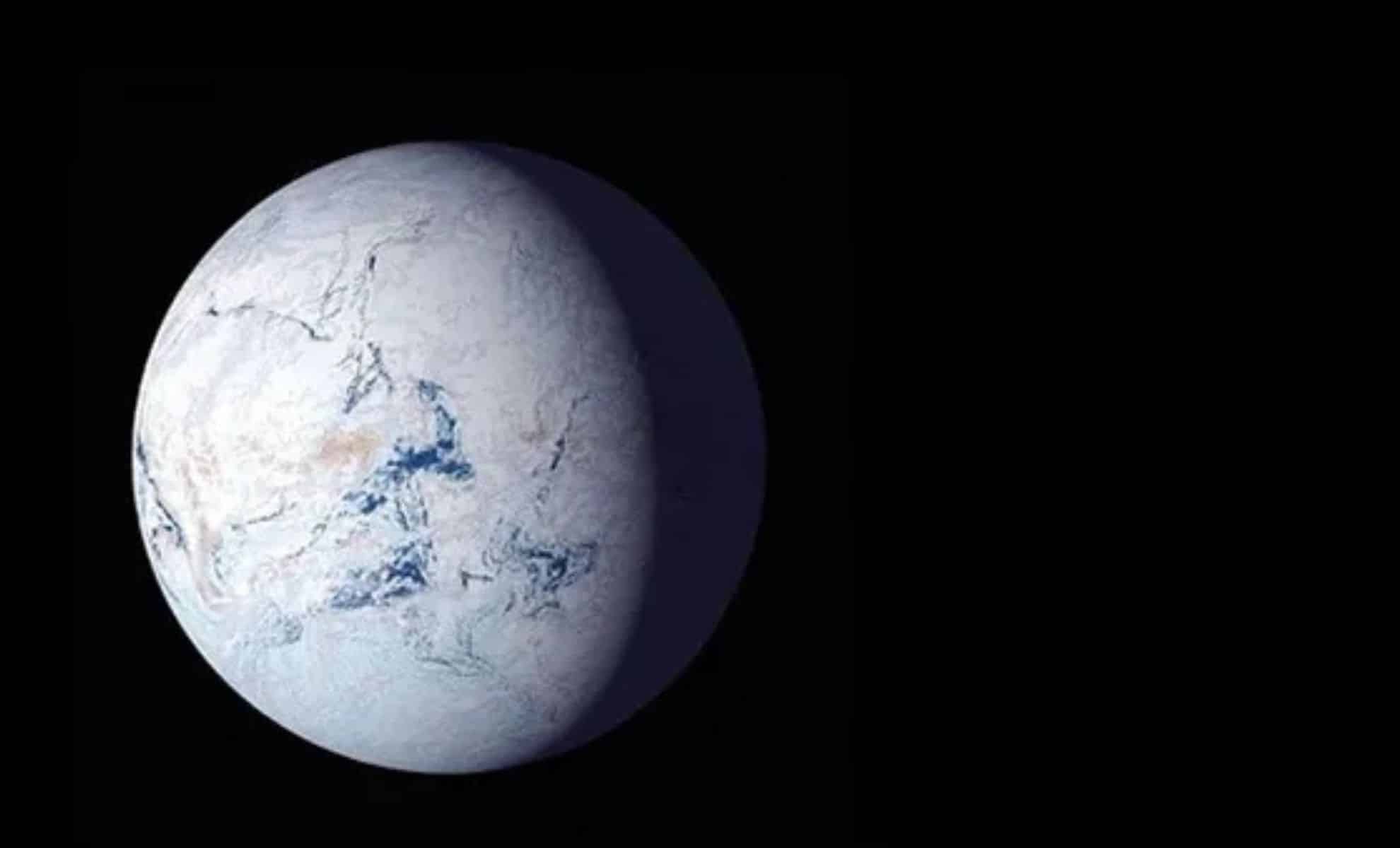
A study from the University of Colorado Boulder provides strong evidence supporting the Snowball Earth theory, suggesting Earth was once entirely frozen, even at the equator, between 720 and 635 million years ago. Researchers analyzed ancient rock formations in Colorado, finding that glaciers likely covered the planet, impacting early life and possibly facilitating the evolution of multicellular organisms. The study highlights the importance of geological research in understanding Earth's climatic history and its influence on life's evolution.
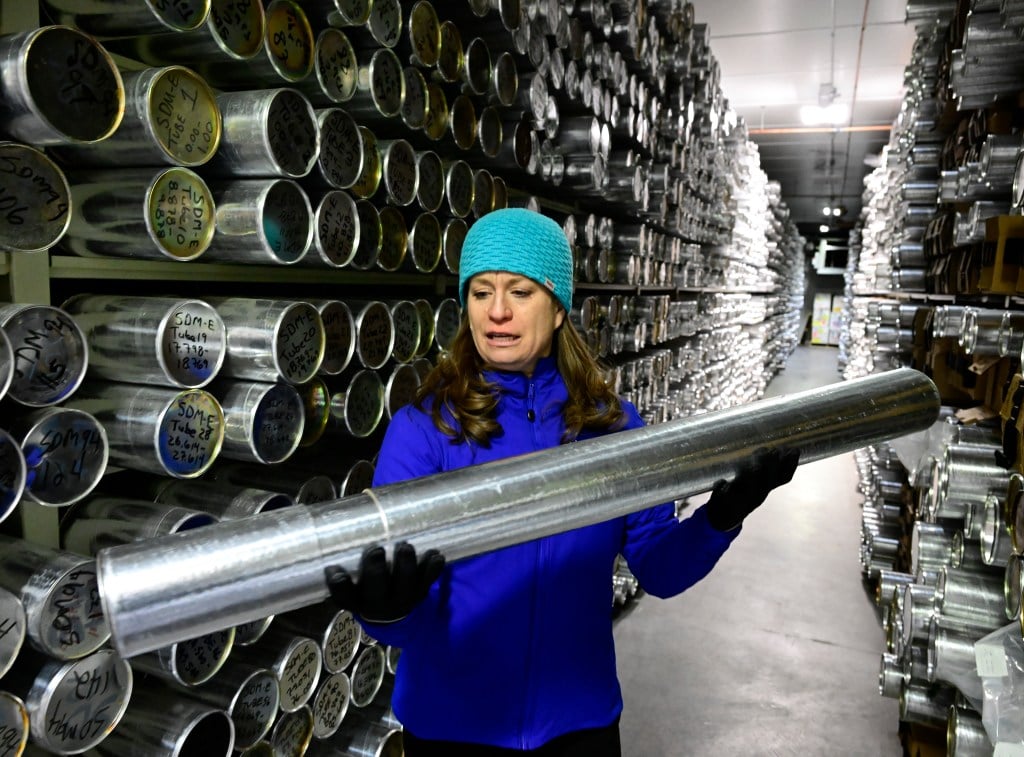
The United States' largest ice repository, located in a minus-40-degree vault in Colorado, is running out of space to store ice samples up to 4.5 million years old. These ice cores are crucial for understanding climate history and the impact of human activities on the environment. However, the outdated freezer is full, and a replacement won't be available for another two years. As a result, the curator of the Ice Core Facility is forced to decide which ice cores to keep and what to do with the surplus. Scientists are racing to collect more ice to fill in the gaps in climate history, but the cost is high. The ice cores provide valuable insights into past climate patterns and help researchers better understand the current changes happening on Earth.
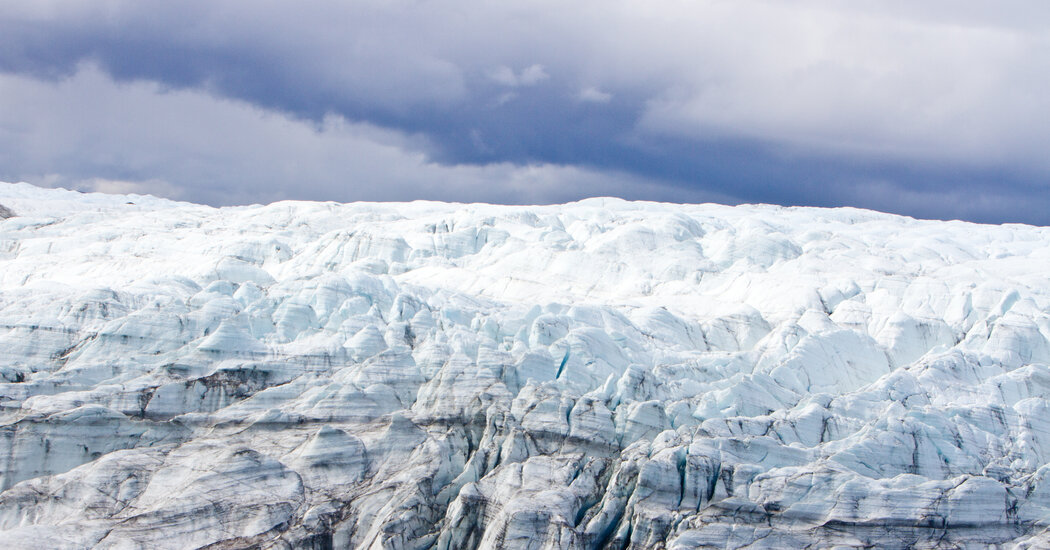
A rediscovered sample of frozen sediment collected over 50 years ago from beneath the Greenland ice sheet has provided new insights into the region's past and potential future. The analysis of the sediment suggests that the Camp Century site in northwestern Greenland was temporarily ice-free around 400,000 years ago, challenging the assumption that the ice sheet has been stable for the past 2.5 million years. The findings highlight the vulnerability of Greenland's ice sheet to melting and the potential for significant sea level rise. However, uncertainties remain about how the ice sheet will respond to continued warming, and further research is needed to understand the full extent of its vulnerability.
A research team has discovered that a "warm ice age" around 700,000 years ago caused a significant shift in Earth's climate cycles, leading to expanded polar glaciers and a transition from 40,000-year to 100,000-year climate rhythms. By analyzing geological data and using computer models, scientists found that this paradoxical phase of hot and humid conditions resulted in changes to climate cycles, marking a crucial development in global climate history. The findings shed light on the mechanisms behind this shift and its impact on Earth's climate evolution.
Observations from satellites and weather stations confirm that the Earth has been rapidly warming over the past 44 years, and data from as far back as 1850 shows a clear rise in average temperatures. While it is challenging to precisely determine temperatures from thousands of years ago, paleoclimatologists are confident that the current warming trend is exceptional compared to any period since before the last ice age, about 125,000 years ago. Although it is difficult to pinpoint the hottest day in the past 100,000 years, scientists estimate that temperatures during a warm period 6,000 years ago were likely similar to current conditions. However, the current heat is unprecedented due to its rapidity and the fact that it is caused by human activities, particularly the burning of fossil fuels and greenhouse gas emissions.