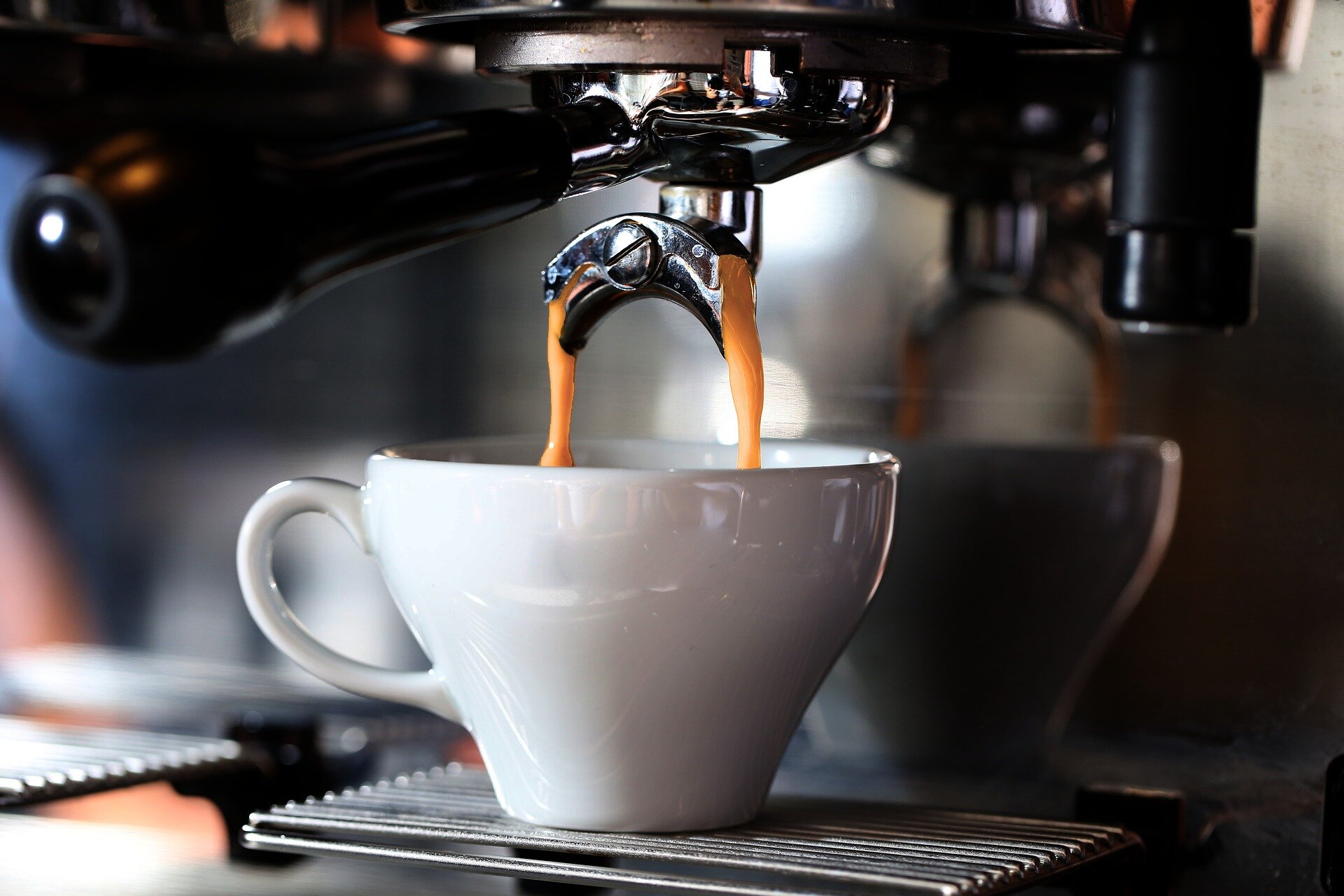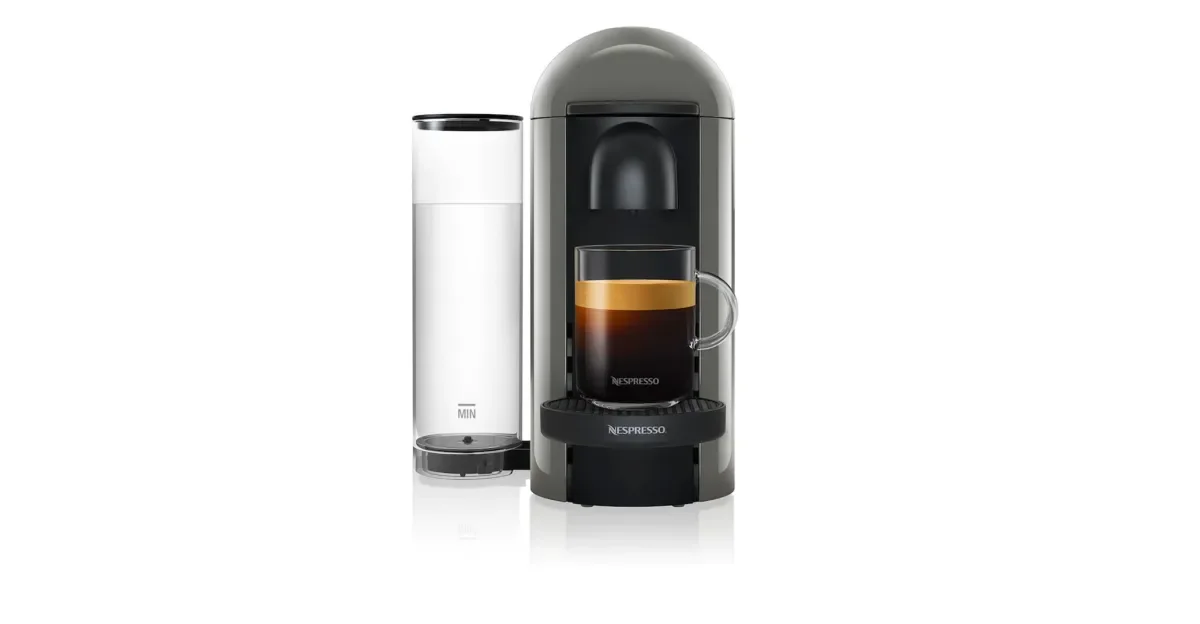
Victoria Song shares her positive experience with the De’Longhi Nespresso Vertuo Plus, which she bought on a Black Friday deal for $110, praising its ability to make better-tasting coffee and espresso easily and affordably compared to other options like Keurig, while also noting Nespresso's recycling program for pods.

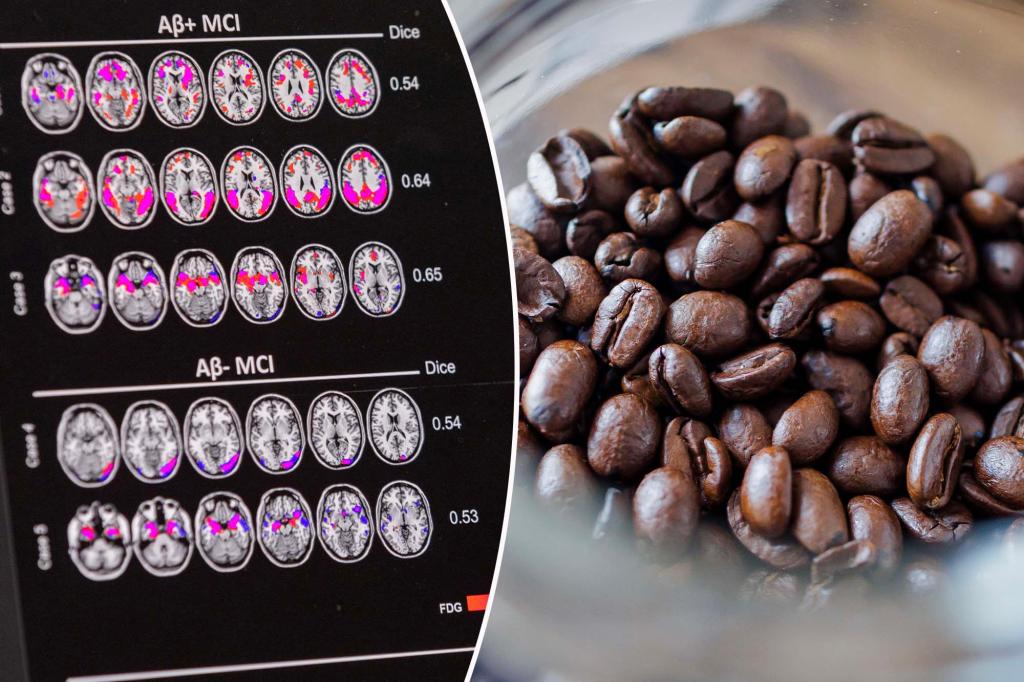
A study from Verona University suggests that drinking one espresso daily may reduce the risk of dementia, including Alzheimer's, by preventing the build-up of harmful tau proteins in the brain. The research, published in the Journal of Agricultural and Food Chemistry, highlights espresso's potential to dismantle these proteins, which are linked to cognitive decline. While the findings are promising, experts caution against drawing definitive conclusions, emphasizing the complexity of dementia and the need for a balanced lifestyle to mitigate risks.
Sabrina Carpenter has announced her sixth studio album, Short n’ Sweet, set to release on August 23 via Island Records. The album's lead single, "Espresso," was released in April, and another single is expected later this week. Carpenter's last album was 2022's Emails I Can’t Send.
Compounds found in espresso, including caffeine, have been found to potentially prevent the development of Alzheimer's disease, according to a study conducted at the University of Verona in Italy. The compounds were shown to inhibit the formation of tau protein fibrils associated with Alzheimer's disease, which disrupt the communication between nerve cells in the brain. While more research is needed, this discovery could lead to the development of bioactive compounds for the treatment of neurological diseases like Alzheimer's. Additionally, recent advancements in drug therapies, such as donanemab, have shown promise in slowing the progression of Alzheimer's disease.
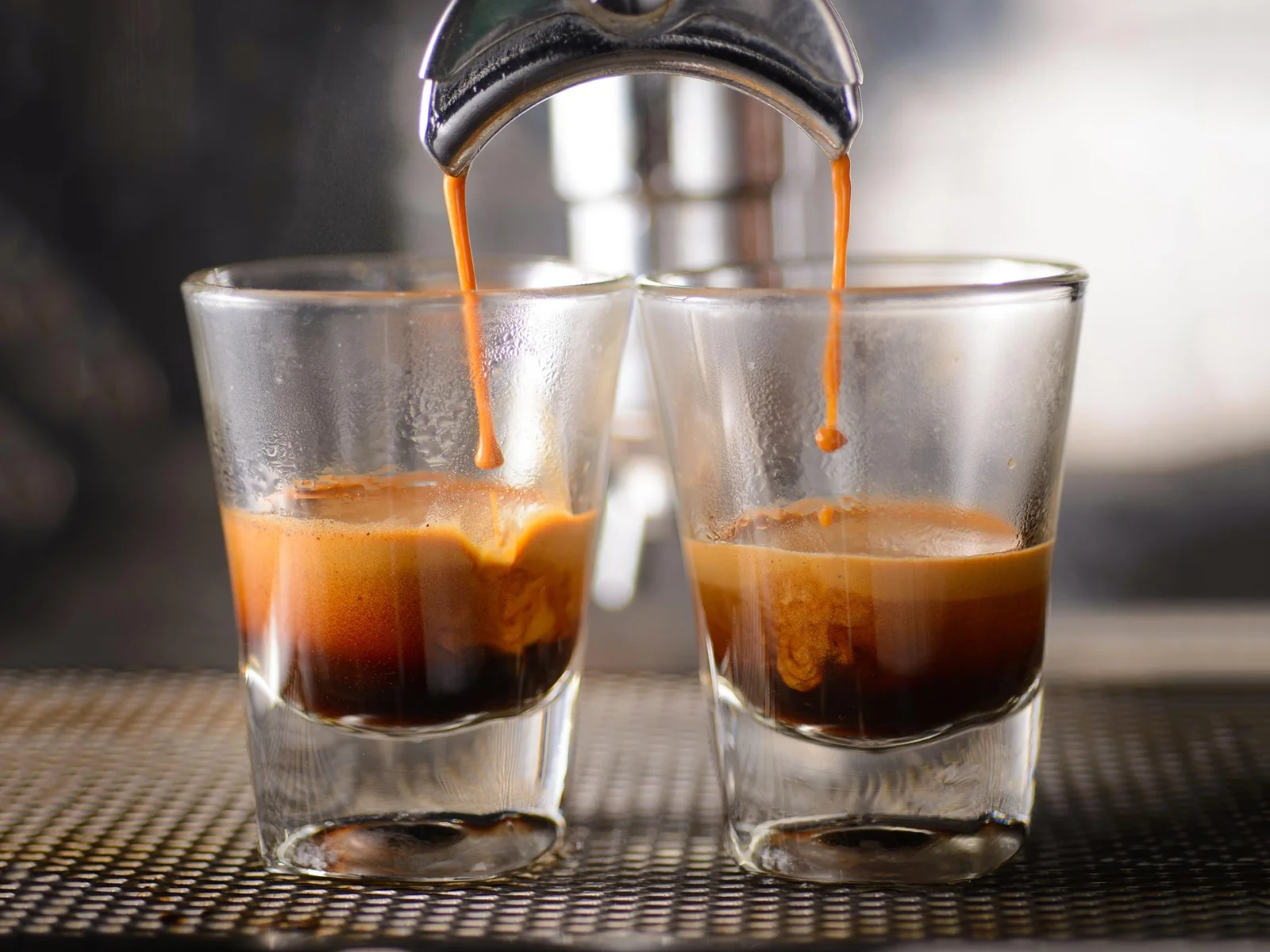
Scientists from the University of Huddersfield have used a mathematical model to understand the origin of uneven extraction in espresso brewing, which leads to weaker coffee when using finely ground beans. The researchers found that uneven extraction persists across different parts of the coffee bed, impacting the taste of the coffee. By understanding and preventing uneven extraction, it may be possible to improve coffee brewing and achieve financial savings through more efficient coffee usage.
Researchers from the University of Huddersfield have used a mathematical model to explore the role of uneven coffee extraction in producing weaker espresso. They found that more finely ground coffee beans brew a weaker espresso due to uneven extraction, which becomes more pronounced when coffee is ground more finely. The researchers split the coffee into two regions to examine whether uneven flow makes weaker espresso. They found that the taste of the coffee depends on the level of extraction, and understanding the origin of uneven extraction could enable better brews and substantial financial savings by using coffee more efficiently.
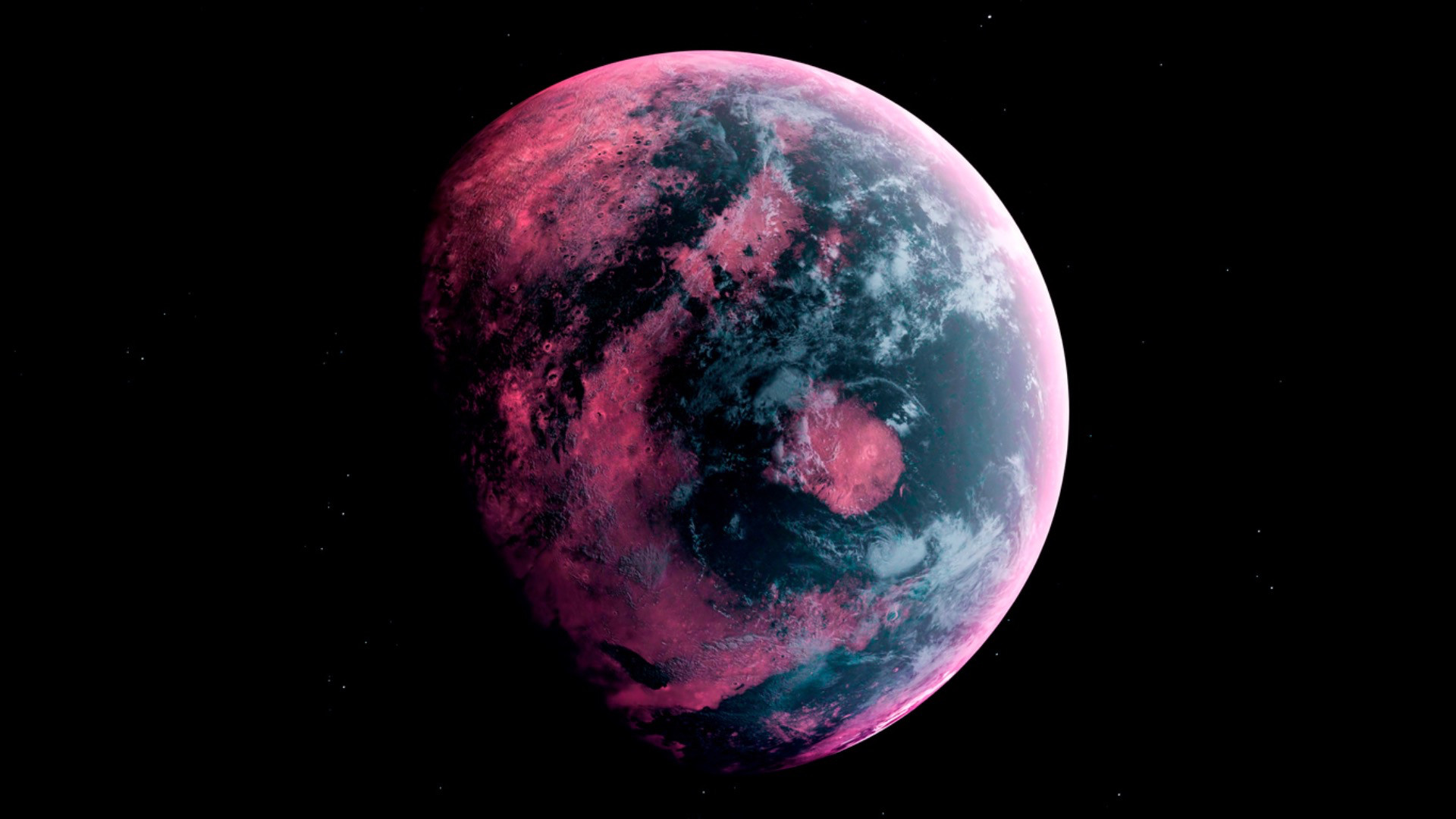
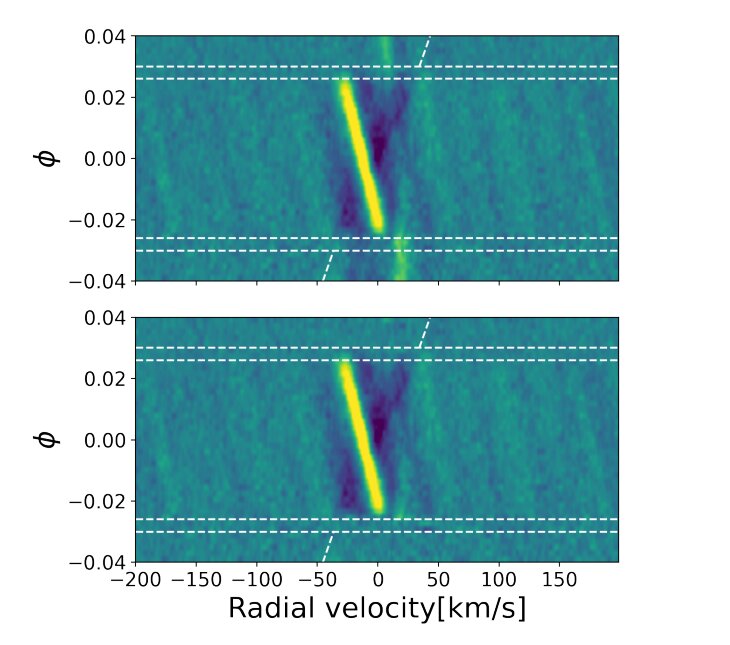
Astronomers from the Chinese Academy of Sciences have discovered the heaviest element, samarium (Sm), on an exoplanet called MASCARA-4 b, located 556 light years away from Earth. The team used the Echelle SPectrograph for Rocky Exoplanets and Stable Spectroscopic Observations (ESPRESSO) to detect several heavier elements in the planet's atmosphere, including rubidium (Rb) and ions of titanium (Ti+) and barium (Ba+). This is the first time Rb and Sm have been discovered in the atmosphere of a distant exoplanet, whereas Ti+ and Ba+ have previously been found in extrasolar planets.
Chinese astronomers used the ESPRESSO spectrograph to investigate the atmosphere of MASCARA-4b, an ultra-hot Jupiter exoplanet. They detected rubidium and samarium in an exoplanet's atmosphere for the first time, along with ions of titanium and barium. The study also confirmed previous detections of magnesium, calcium, chromium, and iron in the atmosphere of MASCARA-4b. The researchers encourage further atmospheric studies of exoplanets to find other rare elements.